The Ultimate Ube Halaya Recipe: Creamy Purple Yam Jam from the Philippines
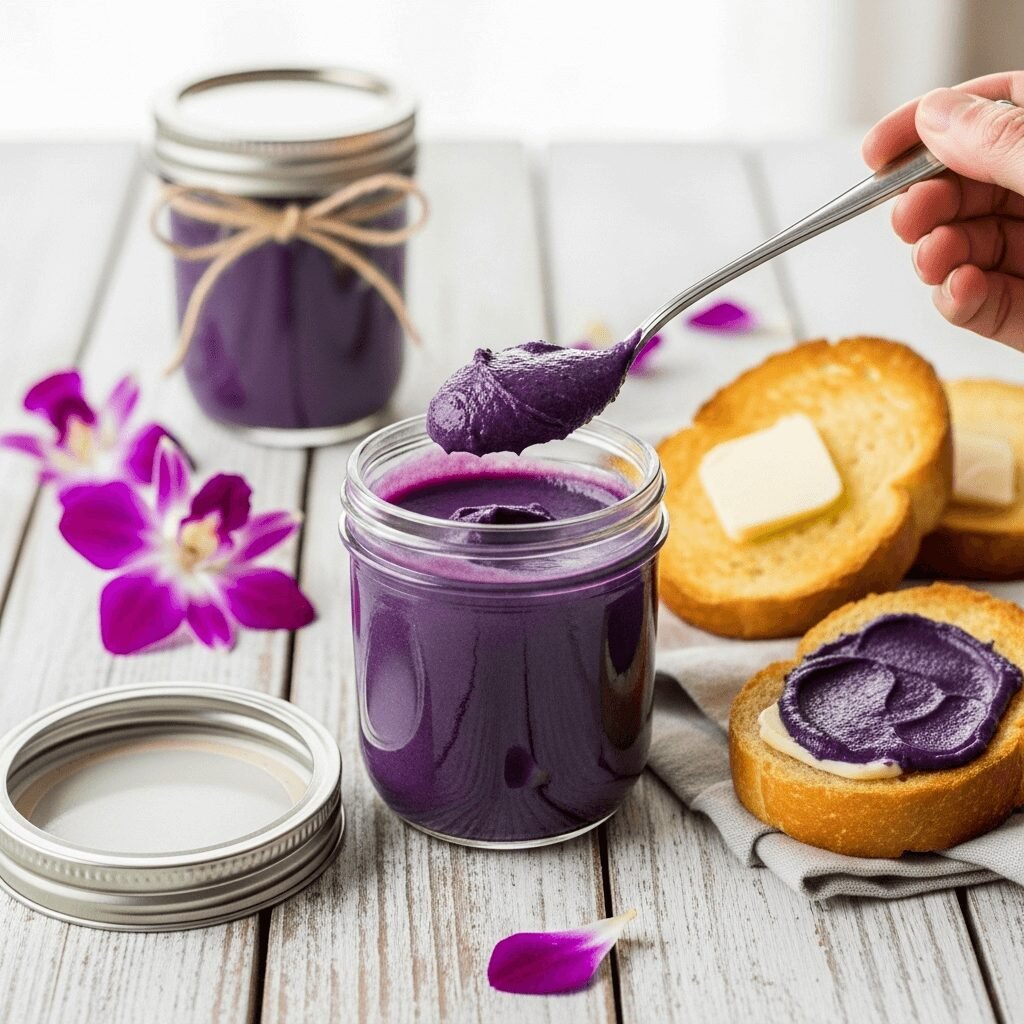
Ube halaya is a luxuriously creamy, vibrantly purple Filipino dessert spread that’s been captivating food lovers across social media and home kitchens nationwide. This traditional Filipino purple yam jam is incredibly versatile—you can enjoy it spread on toast, swirled into ice cream, used as a cake filling, or simply eaten by the spoonful as a decadent treat. The rich, nutty-sweet flavor combined with that stunning natural purple color makes ube halaya a showstopper at any gathering.
What makes this Filipino purple yam dessert so special is its incredible texture—smooth, thick, and almost pudding-like—achieved through patient stirring and the perfect balance of ingredients. Whether you’re hosting a Filipino-themed dinner party, looking for a unique dessert to impress guests, or simply craving something sweet and nostalgic, homemade ube halaya delivers every time. It’s traditionally served during celebrations like birthdays, Christmas (Noche Buena), and family gatherings, but honestly, any day is a good day for this purple treasure.
History / Background
Ube halaya, also known as halayang ube, has deep roots in Filipino culinary tradition, particularly in the Visayas and Luzon regions of the Philippines. The word “halaya” comes from the Tagalog word “halo,” meaning “to mix” or “to stir,” which perfectly describes the cooking process that requires continuous stirring to achieve that signature smooth, glossy texture.
Purple yam, or ube (pronounced “OO-beh”), has been cultivated in the Philippines for centuries and holds a special place in Filipino culture. It’s not just an ingredient—it’s a symbol of home, heritage, and celebration. Traditionally, Filipino families would make ube halaya during harvest season when fresh ube tubers were abundant, often gathering in the kitchen to take turns stirring the heavy mixture in large kawas (woks).
The recipe has been passed down through generations, with each family adding their own special touches. In provinces like Bohol, they’re particularly famous for their ube halaya, which locals proudly package and sell as pasalubong (homecoming gifts). What started as a humble provincial delicacy has now become a global sensation, thanks to the Filipino diaspora sharing their food culture and the rise of ube-flavored everything on social media. Today, ube halaya has transcended its traditional roots and found its way into modern fusion desserts, from doughnuts to cheesecakes, introducing the world to the magic of purple yam.
Why You’ll Love This Recipe
Making homemade ube halaya might seem intimidating, but this recipe breaks down the process into manageable steps that yield professional-quality results. The satisfaction of transforming humble purple yams into this glossy, aromatic spread is truly rewarding, and the taste difference between homemade and store-bought is absolutely worth the effort.
Here’s why this ube halaya recipe will become your new favorite:
- Authentic Filipino flavor – Made with real ube, this recipe delivers the genuine taste that store-bought versions often miss
- Naturally stunning color – That Instagram-worthy purple hue comes from real purple yams, no artificial coloring needed
- Versatile usage – Use it as a spread, filling, topping, or eat it straight from the jar
- Impressive yet achievable – Looks gourmet but uses simple techniques any home cook can master
- Makes a wonderful gift – Package it in pretty jars for friends and family who’ll be absolutely thrilled
- Customizable sweetness – Adjust the sugar to match your preference perfectly
- Long shelf life – Properly stored, it lasts for weeks, so you can enjoy it over time
- Cultural connection – Learn and share a beloved Filipino tradition through food
- Perfect for meal prep – Make a big batch and have delicious dessert ready whenever cravings hit
Ingredient Notes
Ube (Purple Yam): The star of the show! Fresh ube is ideal and gives the best flavor and color, but frozen grated ube works wonderfully and is much easier to find in Asian grocery stores. Avoid ube powder or extract for this recipe—you need the real tuber for authentic texture and taste. Fresh ube looks like a small, knobby root vegetable with purple-speckled bark and vibrant purple flesh inside.
Coconut Milk: Full-fat coconut milk is essential here—it adds richness, creaminess, and a subtle coconut flavor that complements the ube beautifully. Don’t substitute with coconut cream (too thick) or light coconut milk (too watery). The fat content helps create that luxurious mouthfeel. Look for brands without added gums or stabilizers for the smoothest texture.
Condensed Milk: This sweetened ingredient does double duty—it sweetens the halaya while adding body and a silky texture. It’s traditional in Filipino ube halaya and contributes to that characteristic richness. No good substitute exists, though you could make your own condensed milk if you’re feeling ambitious.
Evaporated Milk: Adds depth and creaminess without excessive sweetness. This ingredient helps balance the condensed milk and creates a more complex flavor profile. Whole milk or half-and-half can work in a pinch, but the flavor won’t be quite as rich.
Granulated Sugar: Controls the sweetness level. Ube itself is only mildly sweet, so sugar is necessary to bring out its flavor. You can adjust the amount based on your preference, but don’t reduce it too much or the halaya will taste flat.
Butter: Unsalted butter adds richness and creates that gorgeous glossy sheen. It also helps prevent the mixture from sticking to your pot during the long cooking process. Some recipes use margarine, but real butter gives superior flavor.
Vanilla Extract (Optional): While not traditional, a touch of vanilla enhances the overall flavor without overpowering the ube. Use pure vanilla extract, not imitation, for the best results.
Equipment Needed
- Large heavy-bottomed pot or non-stick wok (a kawali if you have one)
- Wooden spoon or sturdy silicone spatula for continuous stirring
- Potato masher or ricer (if using fresh ube)
- Fine-mesh strainer or food mill
- Blender or food processor (for ultra-smooth texture)
- Measuring cups and spoons
- Medium mixing bowl
- Glass jars with lids for storage (mason jars work perfectly)
- Kitchen timer (this recipe requires patience!)
- Pot holders or kitchen towels (the mixture gets very hot)
Ube Halaya Recipe
This authentic Filipino ube halaya features silky-smooth purple yam transformed into a rich, sweet spread perfect for toast, desserts, or enjoying by the spoonful. Made with coconut milk, condensed milk, and real ube for that stunning natural purple color.
- Prep Time: 30 minutes (plus 1 hour if cooking fresh ube)
- Cook Time: 1 hour 30 minutes
- Total Time: 2 hours (or 3 hours with fresh ube prep)
- Yield: 12 servings (about 3 cups) 1x
- Category: Dessert, Spread, Condiment
- Method: Stovetop
- Cuisine: Filipino
- Diet: Vegetarian
Ingredients
- 2 pounds fresh ube (purple yam), peeled and cubed, or 2 pounds frozen grated ube, thawed
- 1 can (13.5 oz) full-fat coconut milk
- 1 can (14 oz) sweetened condensed milk
- 1 can (12 oz) evaporated milk
- 1 cup granulated sugar (adjust to taste)
- 4 tablespoons unsalted butter, divided
- 1 teaspoon vanilla extract (optional)
- Pinch of salt
Instructions
- Prepare the ube: If using fresh ube, place cubed ube in a large pot, cover with water, and boil for 20-30 minutes until fork-tender. Drain and let cool slightly. Mash thoroughly with a potato masher or pass through a ricer for smooth texture. If using frozen grated ube, simply thaw and proceed.
- Blend for smoothness: Transfer the cooked and mashed ube (or thawed frozen ube) to a blender or food processor. Add half of the coconut milk and blend until completely smooth with no lumps remaining. This step is crucial for that signature silky texture.
- Combine ingredients: In a large heavy-bottomed pot or wok, combine the blended ube mixture, remaining coconut milk, condensed milk, evaporated milk, sugar, and a pinch of salt. Stir well to combine all ingredients thoroughly.
- Begin cooking: Place the pot over medium heat and bring the mixture to a gentle simmer, stirring constantly with a wooden spoon or sturdy spatula. The mixture will be quite liquid at first—this is normal.
- The long stir: Reduce heat to medium-low and continue cooking, stirring constantly in a figure-eight motion to prevent sticking and burning. This process takes 60-90 minutes. The mixture will gradually thicken and darken to a deep purple color. Your arm will get a workout, but this constant stirring is what creates the perfect texture.
- Test for doneness: The ube halaya is ready when it pulls away from the sides of the pot, has a thick jam-like consistency, and becomes difficult to stir. It should coat the back of your spoon thickly. Remember, it will thicken further as it cools.
- Add butter and vanilla: Remove from heat and stir in 3 tablespoons of butter and vanilla extract (if using) until fully incorporated. The butter adds richness and beautiful shine.
- Cool and store: Grease a glass dish or container with the remaining tablespoon of butter to prevent sticking. Transfer the hot ube halaya into the prepared container and smooth the top. Let it cool to room temperature, then cover and refrigerate.
- Serve and enjoy: Once chilled, the ube halaya will firm up beautifully. Serve as desired—spread on toast, swirl into ice cream, use as a cake filling, or enjoy straight from the jar!
Notes
- The cooking time can vary depending on your stove and pot size. Be patient—rushing this process leads to lumpy or unevenly cooked halaya.
- If the mixture seems to be cooking too fast or sticking, reduce the heat slightly.
- For an even smoother texture, strain the blended ube mixture through a fine-mesh strainer before cooking.
- The halaya will appear lighter in color when hot and will darken as it cools and sets.
- Store in sterilized glass jars for gifting—it keeps for 2-3 weeks refrigerated when properly sealed.
Nutrition
- Serving Size: ¼ cup (about 60g)
- Calories: 245
- Sugar: 28g
- Sodium: 85mg
- Fat: 9g
- Saturated Fat: 7g
- Unsaturated Fat: 1.5g
- Trans Fat: 0g
- Carbohydrates: 38g
- Fiber: 2g
- Protein: 4g
- Cholesterol: 15mg
Nutrition information is approximate and calculated per serving based on the recipe as written.
Tips & Variations
Spicy Ube Halaya: Add ½ teaspoon of cinnamon or a pinch of cardamom for a warm, spiced version that’s perfect for fall and winter gatherings.
Extra Coconutty: Use coconut cream instead of half the evaporated milk for an even more pronounced coconut flavor that pairs beautifully with the ube.
Vegan Ube Halaya: Substitute the condensed milk with vegan condensed coconut milk, use all coconut milk instead of evaporated milk, and swap butter for coconut oil. The texture might be slightly different but still delicious.
Reduced Sugar: You can reduce the granulated sugar by up to ½ cup if you prefer less sweetness, though keep in mind that sugar also affects the texture and preserves the halaya.
Cheese Topping: For a traditional Filipino twist, grate some Eden or cheddar cheese on top before serving. The sweet-savory combination is surprisingly addictive!
Ube Halaya with Latik: Top with latik (coconut curds made from reduced coconut cream) for authentic Filipino presentation and added texture.
Chunky Style: If you prefer a more rustic texture, don’t blend the ube completely smooth—leave some small chunks for a homestyle version.
Pro Chef Tips
Temperature control is everything: Keep the heat at medium-low and never rush the cooking process. High heat will cause scorching at the bottom before the top is properly cooked, resulting in an uneven, potentially burned flavor.
Invest in arm power: The constant stirring isn’t just tradition—it’s science. Stirring prevents the starches from settling and burning while ensuring even heat distribution. Tag-team with a family member if your arm gets tired!
The “Kaning Test”: Filipino grandmas use this trick—drop a small amount of the cooking halaya onto a cold plate. If it holds its shape and doesn’t spread or run, it’s done. This old-school method never fails.
Bloom your vanilla: If using vanilla extract, add it at the very end off the heat. Heat destroys vanilla’s delicate flavor compounds, so adding it last preserves that aromatic quality.
Use the right pot: A heavy-bottomed pot or traditional kawali distributes heat evenly and prevents hot spots. Non-stick coatings help tremendously, but cast iron works beautifully if properly seasoned.
Save the purple water: If you boil fresh ube, that purple cooking water contains nutrients and color. Use it in smoothies or freeze in ice cube trays for adding to drinks—it’s too beautiful to waste!
Cool completely before refrigerating: Putting hot halaya directly in the fridge creates condensation, which can make the surface watery. Let it cool at room temperature first for best texture.
Common Mistakes to Avoid
Using high heat to speed things up: This is the number one mistake! High heat causes the bottom to burn while the top remains undercooked. Ube halaya requires low, slow cooking with patience. There are no shortcuts here.
Stopping the stirring process: Even a few minutes of neglect can cause burning at the bottom. Keep stirring constantly, especially in the final 30 minutes when the mixture is thickest. Think of it as a meditation practice!
Not blending thoroughly: Lumps in your ube halaya mean you didn’t blend long enough or well enough. Take the extra time to ensure the ube is completely smooth before cooking. Your final product will be infinitely better.
Overcooking or undercooking: Underdone halaya will be runny and won’t set properly when cooled. Overdone halaya becomes grainy and loses its silky texture. Watch for the visual cues—it should pull away from the pot sides and have a thick, glossy appearance.
Storing improperly: Always store ube halaya in clean, airtight containers. Exposure to air will cause a skin to form on top and may lead to faster spoilage. Press plastic wrap directly onto the surface before covering with a lid for maximum freshness.
Storage & Meal Prep
Properly stored ube halaya keeps beautifully, making it an excellent make-ahead dessert option. Transfer the cooled halaya into clean, airtight glass containers or mason jars. It will keep in the refrigerator for 2-3 weeks thanks to the sugar content which acts as a natural preservative.
For longer storage, ube halaya freezes exceptionally well for up to 3 months. Portion it into smaller containers or freezer bags (removing as much air as possible), label with the date, and freeze. When you’re ready to use it, thaw overnight in the refrigerator. The texture may be slightly less smooth after freezing, but a quick stir will help restore it.
If you notice any condensation in your storage container, simply pour it off or stir it back in. A thin layer of melted butter brushed on top before sealing can help prevent a skin from forming during storage.
When serving refrigerated halaya, you can enjoy it cold (which many people prefer) or let it come to room temperature for a softer, more spreadable consistency. There’s no need to reheat unless you’re using it as a warm sauce for ice cream or pancakes, in which case, warm gently in a small saucepan over low heat or in the microwave in short 15-second bursts, stirring between each interval.
Make-Ahead & Freezer Notes
Ube halaya is actually an ideal make-ahead dessert! In fact, many cooks claim it tastes even better after a day or two in the refrigerator as the flavors have time to meld and deepen. You can prepare it up to three weeks in advance for parties, holidays, or gift-giving.
For freezer preparation, divide the cooled halaya into smaller portions—maybe ½ cup or 1 cup amounts—so you can thaw only what you need. Freezer-safe glass jars work wonderfully, but leave about ½ inch of headspace to allow for expansion. Alternatively, use heavy-duty freezer bags, pressing out all the air before sealing and laying them flat to freeze, which saves space and allows for quick thawing.
To thaw, transfer the frozen halaya to the refrigerator 24 hours before you plan to use it. For faster thawing, leave it at room temperature for 3-4 hours, stirring occasionally. Avoid thawing in the microwave as this can cause uneven heating and may affect the texture.
The best reheating method for frozen or refrigerated ube halaya (if you want it warm) is the double boiler technique. Place the halaya in a heatproof bowl set over a pot of simmering water, stirring occasionally until warmed through. This gentle heating prevents scorching and maintains the silky texture. You can also microwave in 20-second intervals, stirring between each, but watch carefully to avoid hot spots.
Serving Suggestions
Ube halaya’s versatility makes it a star at any meal or occasion. Here are some delicious ways to enjoy this Filipino treasure:
Classic Breakfast Spread: Toast thick slices of brioche or pan de sal (Filipino bread rolls), slather generously with butter, and top with ube halaya. Pair with strong Filipino coffee or tsokolate (hot chocolate) for an authentic breakfast experience.
Dessert Topping: Drizzle warm ube halaya over vanilla ice cream, halo-halo (Filipino shaved ice dessert), or use it as a topping for pancakes, waffles, or French toast. The contrast of cold ice cream and slightly warm halaya is divine.
Pastry Filling: Use ube halaya as a filling for pandesal, ensaymada, empanadas, or croissants. It also makes an incredible filling for layer cakes, cupcakes, or doughnuts—just pipe it between layers or inject it into the center.
With Cheese: Serve alongside or topped with sharp white cheddar, queso de bola, or Eden cheese. The sweet-savory combination is traditionally Filipino and surprisingly addictive.
Paired with Fresh Fruit: The rich sweetness pairs beautifully with tropical fruits like mango, pineapple, or banana. Create a simple dessert plate with sliced fruit and a generous scoop of halaya.
Beverage Swirl: Mix a spoonful into milk, coffee, or hot chocolate for a purple yam latte. You can also swirl it into smoothies or milkshakes for that trendy ube flavor everyone’s talking about.
Party Presentation: Serve in small decorative bowls with graham crackers, butter cookies, or vanilla wafers for dipping at parties. It’s a conversation starter and always impresses guests.
FAQs Section
Can I use ube powder or ube extract instead of fresh or frozen ube?
While ube powder or extract can provide color and some flavor, they won’t give you the authentic texture and depth of flavor that real purple yam provides. This recipe specifically calls for the actual tuber because the natural starches and fibers are essential to achieving proper ube halaya consistency. If you absolutely must use powder, the recipe would need to be significantly modified with additional thickeners and won’t taste quite the same.
Why is my ube halaya not turning out purple enough?
Color intensity depends on your ube variety. Some ube has deeper purple color than others. If using frozen ube, make sure it’s truly ube and not taro (which is lighter purple). The halaya will also darken as it cooks and cools. For more vibrant color without artificial dyes, look for “ube kinampay” variety if you can find it, or ensure you’re buying quality frozen grated ube from Filipino grocery stores.
My ube halaya turned out grainy—what happened?
Grainy texture usually means the mixture was overcooked or cooked at too high a temperature, causing the proteins and starches to separate. It can also result from not blending the ube smoothly enough at the beginning. Make sure to blend until completely lump-free and cook at medium-low heat with constant stirring. If it’s slightly grainy, try blending it again while still warm.
How do I know when my ube halaya is thick enough?
The halaya is done when it pulls cleanly away from the sides of the pot as you stir, has a thick jam-like consistency that coats the back of your spoon heavily, and requires effort to stir. Remember, it will thicken considerably more as it cools. When in doubt, use the plate test mentioned in the Pro Chef Tips section.
Can I make ube halaya without coconut milk?
Coconut milk is traditional and provides essential creaminess and flavor that defines authentic ube halaya. You could substitute with heavy cream or whole milk, but the flavor profile will be significantly different and won’t taste like traditional Filipino halaya. The coconut flavor is subtle but important to the overall taste.
Is ube the same as taro?
No! While both are root vegetables with similar textures, they’re completely different plants. Ube (Dioscorea alata) is purple yam with a deep purple color and sweet, nutty flavor. Taro (Colocasia esculenta) is usually white to light purple with grey-ish tones and has a more earthy, less sweet flavor. They’re not interchangeable in recipes.
Why does my ube halaya taste bland?
Ube itself has a subtle flavor that needs sweetness to shine. If your halaya tastes bland, you likely need more sugar or haven’t cooked it long enough for the flavors to concentrate. Also, make sure you added a pinch of salt—it enhances the sweetness and brings out the ube flavor. Some cooks also add a touch of ube extract (even when using real ube) for more pronounced flavor.
Conclusion
There’s something truly magical about creating ube halaya from scratch—the meditative stirring, the intoxicating aroma that fills your kitchen, and that moment when you taste the finished product and realize you’ve created something spectacular. This isn’t just a recipe; it’s a connection to Filipino culture, a labor of love that transforms simple ingredients into something extraordinary.
Whether you’re Filipino and reconnecting with your heritage, or you’re new to ube and excited to try something different, this homemade ube halaya will not disappoint. Yes, it requires patience and a bit of elbow grease, but the result is infinitely better than anything you can buy at the store. The depth of flavor, the perfect texture, and the pride of saying “I made this myself” make every minute of stirring worthwhile.
So grab your purple yams, clear your schedule for a couple of hours, and get ready to make some magic happen in your kitchen. Your friends and family will be begging for jars of this stuff, and you’ll find yourself making batch after batch. Once you’ve tasted homemade ube halaya, there’s simply no going back.
Ready to try this amazing Filipino dessert? Pin this recipe for later, make a batch this weekend, and don’t forget to share your beautiful purple creations in the comments below! I’d love to see how your ube halaya turns out. Happy cooking!