The Ultimate Zeppole Recipe: Light, Crispy Italian Pastries You’ll Love Making at Home

If you’ve ever bitten into a cloud of sweet, pillowy dough that’s crispy on the outside and impossibly tender on the inside, you’ve experienced the magic of zeppole. These Italian doughnuts are a beloved treat that brings joy to every gathering, from festive Saint Joseph’s Day celebrations to casual weekend brunches with family.
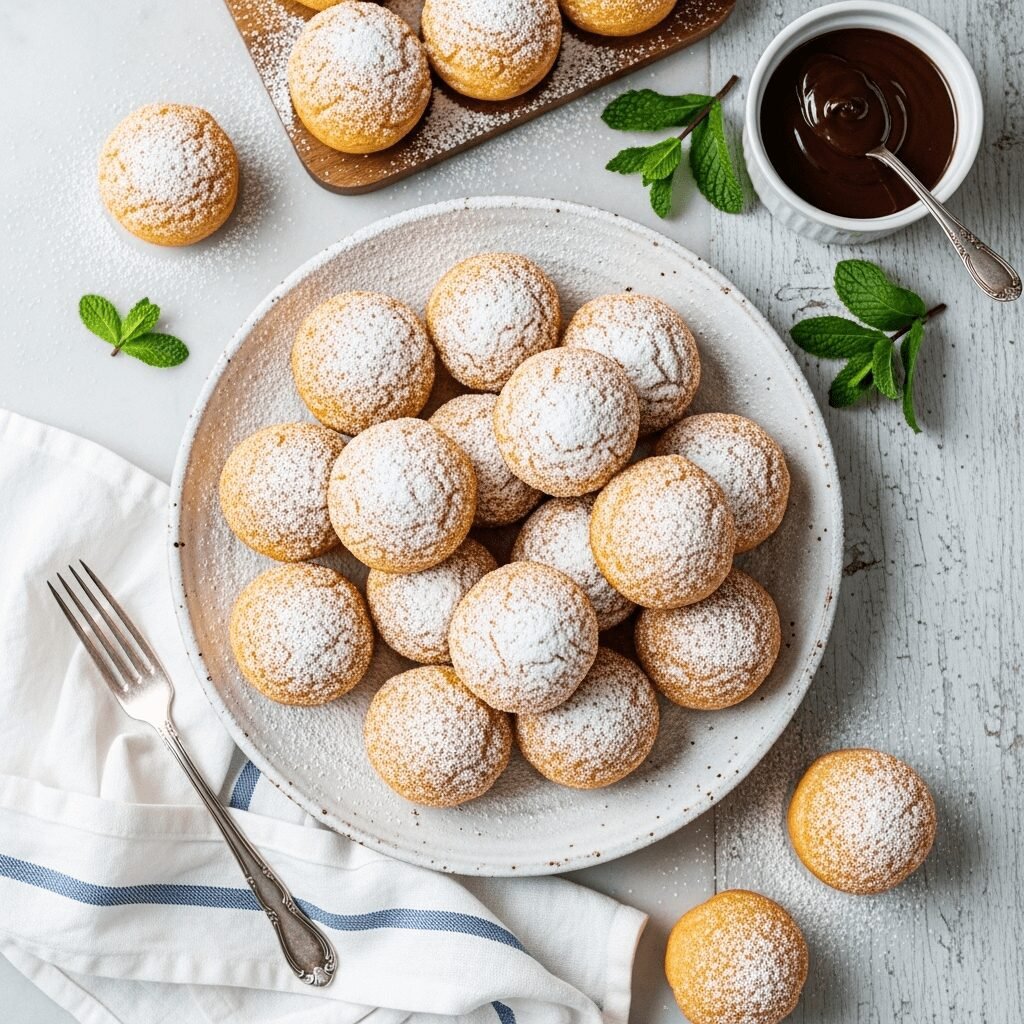
Zeppole (pronounced zep-poh-lay) are traditional Italian fried pastries that can be served plain with a dusting of powdered sugar, filled with sweet cream or custard, or even topped with cherries. They’re incredibly versatile and surprisingly easy to make at home, requiring just a handful of basic ingredients you probably already have in your pantry. Whether you’re celebrating a special occasion or simply craving something sweet and comforting, these golden puffs of deliciousness never disappoint.
The beauty of homemade zeppole lies in their simplicity and the pure joy of serving them fresh and warm to your loved ones. There’s something wonderfully satisfying about watching these little dough balls puff up in hot oil, transforming into crispy, airy perfection right before your eyes.
History / Background
Zeppole have a rich history deeply rooted in Italian culinary tradition, particularly in Southern Italy, especially Naples and the surrounding Campania region. These delightful pastries have been enjoyed for centuries, with their origins dating back to ancient Roman times when similar fried dough treats were made to celebrate various festivals.
The most famous association with zeppole is Saint Joseph’s Day (Festa di San Giuseppe), celebrated on March 19th throughout Italy and Italian-American communities worldwide. According to legend, during a severe drought in Sicily, people prayed to Saint Joseph for rain. When their prayers were answered, they celebrated by preparing special foods, including zeppole, which became the traditional pastry for this feast day.
In Italy, different regions have their own variations of zeppole. In Naples, you’ll find zeppole di San Giuseppe, elegant choux pastry rings filled with rich custard cream and topped with amarena cherries. In other regions, particularly in Calabria and Puglia, zeppole are simpler – often just fried dough dusted with sugar or drizzled with honey, sometimes flavored with anise or citrus zest.
Italian immigrants brought this cherished recipe to America, where zeppole became a staple at street fairs, carnivals, and Italian festivals. In the United States, they’re often served piping hot at outdoor events, dusted generously with powdered sugar, creating those wonderful Instagram-worthy moments when the sugar floats through the air.
Today, zeppole remain a symbol of Italian hospitality, family gatherings, and the simple pleasure of homemade comfort food. Making them at home connects us to generations of Italian home cooks who’ve been perfecting this recipe and sharing it with love.
Why You’ll Love This Recipe
This zeppole recipe brings authentic Italian flavor to your kitchen without requiring professional pastry skills or fancy equipment. You’ll fall in love with how straightforward the process is, and your family will think you’ve transformed into an Italian nonna overnight!
Here’s why this recipe is absolutely irresistible:
- Surprisingly Simple: Despite their impressive appearance and restaurant-quality taste, zeppole require only basic ingredients and straightforward techniques that any home cook can master
- Ready in Under an Hour: From mixing the dough to enjoying warm, fresh zeppole, you’ll be done in about 45 minutes – perfect for unexpected guests or spontaneous sweet cravings
- Budget-Friendly Indulgence: Made with everyday pantry staples like flour, eggs, and butter, this recipe delivers bakery-worthy results without the bakery price tag
- Customizable: Whether you prefer them plain, filled with cream, topped with fruit, or drizzled with chocolate, zeppole serve as the perfect canvas for your creativity
- Crowd-Pleaser Guaranteed: I’ve never met anyone who doesn’t love these crispy, pillowy pastries – they’re universally adored by kids and adults alike
- Perfect for Celebrations: Whether it’s Saint Joseph’s Day, a birthday party, or just because, zeppole add a special touch to any occasion
- Made with Love: There’s something genuinely heartwarming about serving homemade fried pastries to your family – it shows care and creates beautiful memories
Ingredient Notes
Understanding your ingredients is the first step to zeppole success. Let’s break down what makes this recipe work and how each component contributes to that perfect texture.
All-Purpose Flour: The foundation of your zeppole, providing structure while remaining tender. Don’t substitute with cake flour (too delicate) or bread flour (too tough). Stick with all-purpose for the perfect balance.
Eggs: These add richness, structure, and help create that beautiful golden color. Use large eggs at room temperature for best results. The eggs also contribute to the tender interior texture that makes zeppole so special.
Butter: Adds flavor and richness while keeping the dough tender. Unsalted butter is preferred so you can control the salt level. Don’t substitute with oil – butter gives authentic flavor.
Whole Milk: Creates a tender, moist dough. Whole milk is important for richness; 2% can work in a pinch, but avoid skim milk as it won’t provide enough fat for proper texture.
Granulated Sugar: Sweetens the dough subtly. This isn’t a super-sweet pastry on its own – the magic happens with toppings.
Baking Powder: Provides lift and that light, airy texture. Make sure yours is fresh (check the expiration date) for maximum puffing power.
Salt: Enhances all the other flavors and balances the sweetness. Just a pinch makes everything taste better.
Vanilla Extract: Adds warmth and aromatic sweetness. Pure vanilla extract is worth the investment for better flavor.
Vegetable Oil (for frying): Choose a neutral oil with a high smoke point like vegetable, canola, or peanut oil. You’ll need enough to maintain a depth of about 2-3 inches in your pot.
Powdered Sugar (for serving): The classic finishing touch. The fine texture adheres beautifully to the warm pastries and creates that picture-perfect look.
Equipment Needed
Having the right tools makes the zeppole-making process smooth and enjoyable. Here’s what you’ll need:
- Large Heavy-Bottomed Pot or Dutch Oven: Essential for maintaining consistent oil temperature. A 4-5 quart capacity works perfectly.
- Candy/Deep-Fry Thermometer: This is crucial for maintaining the correct oil temperature (365-375°F). Proper temperature is the secret to crispy, non-greasy zeppole.
- Medium Mixing Bowl: For combining your dry ingredients.
- Large Mixing Bowl: For mixing the complete dough.
- Whisk: For blending ingredients smoothly and incorporating air.
- Wooden Spoon or Sturdy Spatula: For mixing the thick dough.
- Small Cookie Scoop or Two Spoons: Makes portioning the dough easy and uniform. A 1-tablespoon scoop is ideal.
- Slotted Spoon or Spider Strainer: For safely removing zeppole from hot oil while draining excess oil.
- Wire Cooling Rack: Set over a baking sheet to catch drips and keep zeppole crispy as they cool.
- Paper Towels: For additional oil absorption if needed.
- Fine-Mesh Sieve or Sifter: For dusting powdered sugar beautifully and evenly.
- Measuring Cups and Spoons: For accurate ingredient measurements.
Zeppole Recipe

These authentic Italian zeppole are crispy golden pillows of fried dough that are impossibly light and airy inside. Dusted with powdered sugar and perfect for celebrations or everyday indulgence, they’re the ultimate crowd-pleasing treat that’s easier to make than you’d think.
- Prep Time: 15 minutes
- Cook Time: 20 minutes
- Total Time: 35 minutes
- Yield: 24-30 zeppole 1x
- Category: Dessert
- Method: Deep Frying
- Cuisine: Italian
- Diet: Vegetarian
Ingredients
- 1 cup whole milk
- ¼ cup (4 tablespoons) unsalted butter
- 2 tablespoons granulated sugar
- ¼ teaspoon salt
- 1 cup all-purpose flour
- 3 large eggs, room temperature
- 1 teaspoon vanilla extract
- 1 teaspoon baking powder
- Vegetable oil for frying (about 6-8 cups, depending on pot size)
- Powdered sugar for dusting (about 1 cup)
Instructions
- Prepare the Base: In a medium saucepan, combine milk, butter, granulated sugar, and salt. Place over medium heat and stir occasionally until butter melts completely and mixture just begins to simmer. Remove from heat immediately – don’t let it boil vigorously.
- Add the Flour: Add all the flour at once to the hot milk mixture. Stir vigorously with a wooden spoon until the mixture forms a smooth ball and pulls away from the sides of the pan. This should take about 1-2 minutes of stirring. The dough will look shiny and cohesive.
- Cool Slightly: Transfer the dough to a large mixing bowl and let it cool for about 5 minutes. This step is important so the eggs don’t scramble when you add them. The dough should still be warm but not piping hot.
- Incorporate Eggs: Add eggs one at a time, beating well after each addition. The dough will look separated at first but will come back together with vigorous mixing. Beat until smooth and glossy after each egg.
- Add Flavorings: Stir in vanilla extract and baking powder until completely incorporated. The dough should be thick, smooth, and slightly sticky – similar to thick cake batter or choux pastry.
- Heat the Oil: Pour oil into a large heavy-bottomed pot or Dutch oven to a depth of 2-3 inches. Heat over medium-high heat to 365-375°F, using a thermometer to monitor temperature. This temperature is crucial for perfect zeppole.
- Fry the Zeppole: Using a small cookie scoop or two spoons, carefully drop rounded tablespoons of dough into the hot oil. Don’t overcrowd – fry 5-6 at a time depending on your pot size. They need room to expand and flip easily.
- Monitor and Turn: Fry for 2-3 minutes until golden brown on the bottom, then flip and fry another 2-3 minutes until golden all over. They should puff up beautifully and turn themselves as they cook, but give them help if needed. Total frying time is about 4-6 minutes per batch.
- Drain: Using a slotted spoon, transfer zeppole to a wire rack set over a baking sheet. Let excess oil drip off. You can also briefly place them on paper towels if desired.
- Dust and Serve: While still warm, generously dust zeppole with powdered sugar using a fine-mesh sieve. Serve immediately for best texture. They’re absolutely divine when freshly made and still warm!
Notes
- Maintain consistent oil temperature throughout frying. If too hot, they’ll brown before cooking through. If too cool, they’ll absorb oil and become greasy.
- Don’t skip the resting period after adding flour – this helps develop the right texture.
- Room temperature eggs incorporate more smoothly than cold eggs.
- These are best enjoyed fresh and warm, but can be stored for later enjoyment (see storage section).
- For filled zeppole, let them cool completely, then pipe with pastry cream or cannoli filling.
Nutrition
- Serving Size: 1 zeppole
- Calories: 95
- Sugar: 4g
- Sodium: 45mg
- Fat: 6g
- Saturated Fat: 2g
- Unsaturated Fat: 3.5g
- Trans Fat: 0g
- Carbohydrates: 8g
- Fiber: 0.2g
- Protein: 2g
- Cholesterol: 28mg
Note: Nutrition facts are approximate and will vary based on exact ingredients used and size of zeppole.
Tips & Variations
The basic zeppole recipe is wonderfully versatile. Here are some delicious ways to customize them:
Flavor Variations: Add ½ teaspoon almond extract along with the vanilla for an authentic Italian twist. Incorporate the zest of one lemon or orange directly into the dough for bright citrus notes. For a warming spice variation, add ¼ teaspoon cinnamon and a pinch of nutmeg to the dry ingredients.
Filling Options: Once cooled, use a piping bag fitted with a long tip to inject pastry cream, chocolate ganache, cannoli filling, or fruit preserves into the center. Make a small hole with a skewer first, then pipe until you feel slight resistance.
Topping Ideas: Instead of just powdered sugar, try cinnamon sugar (mix 2 tablespoons sugar with 1 teaspoon cinnamon). Drizzle with chocolate sauce, caramel, or honey. Top with whipped cream and fresh berries for an elegant presentation. Add chopped pistachios or almonds for crunch.
Lighter Version: While not traditional, you can bake these in a 375°F oven for about 15-18 minutes for a less indulgent option. They won’t be as crispy but will still be delicious. Spray a baking sheet with cooking spray and pipe or spoon small mounds of dough.
Mini Zeppole: Use a smaller scoop (about 1 teaspoon) for bite-sized versions perfect for parties. Reduce frying time to about 2-3 minutes total.
Pro Chef Tips
Want to take your zeppole from good to absolutely outstanding? Here are insider secrets from professional pastry kitchens:
Temperature is Everything: The most common mistake is inconsistent oil temperature. Invest in a good thermometer and adjust your heat as needed. When you add dough to the oil, temperature will drop slightly – that’s normal. Wait for it to recover before adding the next batch.
The Ball Test: Professional chefs test oil temperature by dropping a tiny piece of dough into the oil. If it sinks then immediately rises with bubbles forming around it, your oil is ready. If it burns immediately, it’s too hot. If it sits at the bottom, it’s too cool.
Patience with Mixing: When you add eggs, don’t panic if the mixture looks broken or curdled. Keep beating! It will come together into a smooth, glossy dough. This is similar to making choux pastry – trust the process.
Consistent Sizing: Use a cookie scoop for uniform zeppole that cook evenly. Inconsistent sizes mean some will be overcooked while others are underdone.
The Float Factor: Good zeppole will naturally turn themselves in the oil as they cook, showing you which side to flip. If they’re not floating and turning, your oil might be too cool.
Fresh Oil Matters: Don’t reuse oil that’s been sitting for weeks or has been used multiple times. Fresh oil produces crispier, less greasy results with better flavor.
Double Sift: For that professional powdered sugar finish, sift the sugar twice before dusting. This removes any lumps and creates that beautiful, even snow-like coating you see in bakeries.
Common Mistakes to Avoid
Learning from others’ mistakes saves you time and frustration. Here are the most common zeppole pitfalls and how to avoid them:
Mistake #1: Boiling the Milk Mixture Too Vigorously
When heating your milk, butter, sugar, and salt, bring it just to a simmer and remove from heat. Excessive boiling evaporates too much liquid, throwing off your flour-to-liquid ratio. This results in dry, dense zeppole instead of light, airy ones.
Mistake #2: Adding Eggs to Hot Dough
If you add eggs when the dough is too hot, they’ll start to cook and scramble, creating an unpleasant texture with visible cooked egg bits. Always let the dough cool for at least 5 minutes after adding flour. You should be able to comfortably hold your hand near the bowl.
Mistake #3: Overcrowding the Pot
Dropping too many zeppole into the oil at once drastically lowers the temperature, resulting in greasy, oil-soaked pastries. They also stick together when crowded. Give each zeppole space to expand and achieve that perfect golden crispiness.
Mistake #4: Not Monitoring Oil Temperature
Guessing at oil temperature is a recipe for disaster. Too hot, and the outside burns while the inside stays raw. Too cool, and they absorb oil like sponges. A thermometer is a small investment that makes a huge difference.
Mistake #5: Serving Cold
While zeppole can be enjoyed at room temperature, they’re absolutely magical when warm. The texture is at its peak – crispy outside, tender inside – and the powdered sugar creates that perfect sweet coating. If making ahead, warm them briefly in a 300°F oven for 3-5 minutes before serving.
Storage & Meal Prep
While zeppole are undeniably best enjoyed fresh and warm, life happens, and sometimes you need to make them ahead or save leftovers.
Room Temperature Storage:
Store completely cooled zeppole in an airtight container at room temperature for up to 2 days. Place parchment paper between layers to prevent sticking. They’ll lose some crispiness but remain delicious. Don’t dust with powdered sugar before storing – the sugar will dissolve and become sticky. Add fresh powdered sugar just before serving.
Reheating for Best Results:
The key to reviving zeppole is gentle heat that crisps the exterior without drying the interior. Preheat your oven to 300°F, place zeppole on a baking sheet in a single layer, and warm for 4-6 minutes. They won’t be quite as perfect as fresh, but this method works remarkably well. Avoid the microwave, which makes them soggy and rubbery.
Refrigerator Storage:
If your kitchen is very warm or humid, you can refrigerate zeppole in an airtight container for up to 4 days. Let them come to room temperature before reheating, or they’ll heat unevenly. Again, reheat in the oven for best texture.
Shelf Life:
Without proper storage, zeppole will become stale and lose their texture within 24 hours. Proper storage extends their life, but remember that fried foods naturally lose quality over time. Plan to enjoy them within 2-3 days for best taste and texture.
Make-Ahead & Freezer Notes
The great news is that zeppole are quite freezer-friendly, making them perfect for party planning or preparing special occasion treats in advance.
Freezing Fried Zeppole:
Let zeppole cool completely to room temperature after frying. Do not dust with powdered sugar. Arrange them in a single layer on a baking sheet and freeze until solid (about 2 hours). Transfer to freezer bags or airtight containers, separating layers with parchment paper. They’ll keep beautifully for up to 3 months.
Thawing and Reheating:
Remove desired amount from freezer and let thaw at room temperature for about 30 minutes. Reheat in a 325°F oven for 6-8 minutes until warmed through and exterior is crisp again. Dust with fresh powdered sugar and serve immediately.
Can You Freeze the Dough?
Unfortunately, the prepared zeppole dough doesn’t freeze well due to its egg content and the way the baking powder reacts. The texture and rise will be compromised. It’s best to freeze the finished fried product rather than the raw dough.
Make-Ahead Strategy:
For stress-free entertaining, fry zeppole up to one day ahead. Store at room temperature in an airtight container. Reheat in the oven about 20 minutes before serving, then dust with powdered sugar right before bringing them to the table.
Best Reheating Method:
Whether from frozen or refrigerated, the oven is your friend. The dry heat helps restore crispiness. For an extra-crispy exterior, you can briefly place reheated zeppole under the broiler for 30-60 seconds, watching carefully to prevent burning.
Serving Suggestions
Zeppole are incredibly versatile and can be served in countless ways, from simple breakfast treats to elegant dessert presentations.
Classic Italian Style:
Serve warm zeppole dusted with powdered sugar alongside small cups of espresso or cappuccino for an authentic Italian coffee break. This simple presentation lets the pastry shine and is perfect for afternoon gatherings.
Dessert Platter:
Arrange zeppole on a beautiful platter with small bowls of dipping sauces: warm chocolate ganache, salted caramel, berry coulis, and whipped cream. This interactive presentation is fantastic for parties and lets guests customize their experience.
Breakfast or Brunch:
Serve alongside fresh fruit salad, yogurt parfaits, and breakfast meats for a special weekend brunch. They’re wonderful with coffee, hot chocolate, or fresh-squeezed orange juice.
Holiday Dessert Table:
Zeppole make a stunning addition to holiday dessert spreads. Stack them in a pyramid on a cake stand, dust generously with powdered sugar, and garnish with fresh berries and mint for a centerpiece-worthy presentation.
With Gelato:
Take inspiration from Italian gelaterias and serve warm zeppole alongside cold gelato or ice cream. The temperature contrast is absolutely divine. Vanilla, chocolate, or pistachio gelato all pair beautifully.
Beverage Pairings:
Beyond coffee, consider serving with sweet dessert wines like Moscato d’Asti, hot tea, Italian hot chocolate (cioccolata calda), or even Baileys Irish Cream for adult gatherings.
Filled Variations:
For special occasions, fill cooled zeppole with pastry cream and top with a amarena cherry for traditional zeppole di San Giuseppe. Or fill with cannoli cream, chocolate mousse, or lemon curd for creative twists.
FAQs Section
Q: Can I make zeppole without a thermometer?
A: While a thermometer is highly recommended for consistent results, you can test oil temperature by dropping a small piece of dough into the oil. If it immediately sizzles and rises to the surface with bubbles forming around it, your oil is ready. If it sinks and stays down, the oil is too cool. If it darkens instantly, it’s too hot. That said, thermometers are inexpensive and make the process much more reliable.
Q: Why are my zeppole dense instead of light and airy?
A: This usually happens for one of three reasons: 1) Your oil temperature was too low, causing them to absorb oil instead of puffing up, 2) You didn’t beat the eggs in thoroughly enough – the dough should be smooth and glossy, or 3) Your baking powder was expired. Make sure to use fresh baking powder and maintain proper oil temperature for best results.
Q: Can I bake zeppole instead of frying them?
A: Yes, though they won’t have the same traditional texture. Pipe or spoon dough onto a greased baking sheet and bake at 375°F for 15-18 minutes until golden. They’ll be more similar to cream puffs than traditional fried zeppole – still delicious but different in texture. You’ll lose that signature crispy exterior.
Q: How do I prevent zeppole from being greasy?
A: The key is proper oil temperature (365-375°F). If the oil is too cool, zeppole absorb oil and become greasy. Also, don’t overcrowd the pot, which drops the temperature. Make sure to drain them well on a wire rack, and serve promptly. Using fresh, clean oil also makes a difference.
Q: What’s the difference between zeppole and beignets?
A: While both are fried pastries dusted with powdered sugar, they’re quite different. Zeppole are made with a choux-like pastry dough (similar to cream puffs) and have a lighter, airier texture. Beignets are made with yeasted dough and have a denser, more bread-like texture. Zeppole are Italian, while beignets are French, popularized in New Orleans.
Q: Can I make these gluten-free?
A: Gluten-free zeppole are tricky because the structure relies on wheat flour’s gluten development. However, you can experiment with a 1:1 gluten-free baking flour blend designed for pastries. Results will vary, and the texture will be slightly different. Add ¼ teaspoon xanthan gum if your blend doesn’t include it.
Q: My zeppole didn’t puff up. What went wrong?
A: Several factors affect puffing: 1) Expired or insufficient baking powder, 2) Not beating the flour mixture long enough when first adding it (you need that smooth ball), 3) Oil temperature too low, preventing proper expansion, or 4) Too much flour in the dough. Make sure to measure flour correctly (spoon into cup and level off) and maintain proper oil temperature.
Conclusion
There’s something truly special about making homemade zeppole – these golden, crispy Italian pastries that bring smiles to everyone who tries them. Whether you’re celebrating Saint Joseph’s Day, hosting a weekend brunch, or simply treating your family to something extraordinary, zeppole never disappoint. The combination of that delicate, crispy exterior giving way to a tender, pillowy interior is pure magic, especially when they’re dusted with clouds of powdered sugar and served warm from the fryer.
I hope this recipe inspires you to bring a taste of Italy into your kitchen. Don’t be intimidated by the frying process – with the right temperature and a little confidence, you’ll be turning out bakery-worthy zeppole in no time. The look on your family’s faces when they bite into these fresh, warm pastries will be worth every moment spent in the kitchen.
Now it’s your turn! I’d love to hear how your zeppole turn out. Did you try any of the variations? Serve them with a special filling? Share your results in the comments below, and don’t forget to save this recipe to your Pinterest boards so you can find it easily the next time that zeppole craving hits. If you make these, snap a photo and tag me on social media – I can’t wait to see your beautiful creations!
Happy cooking, and may your kitchen always smell like fresh Italian pastries! 🇮🇹✨