Easy Eggless Vanilla Cake Recipe (Soft, Fluffy & Perfect Every Time!)

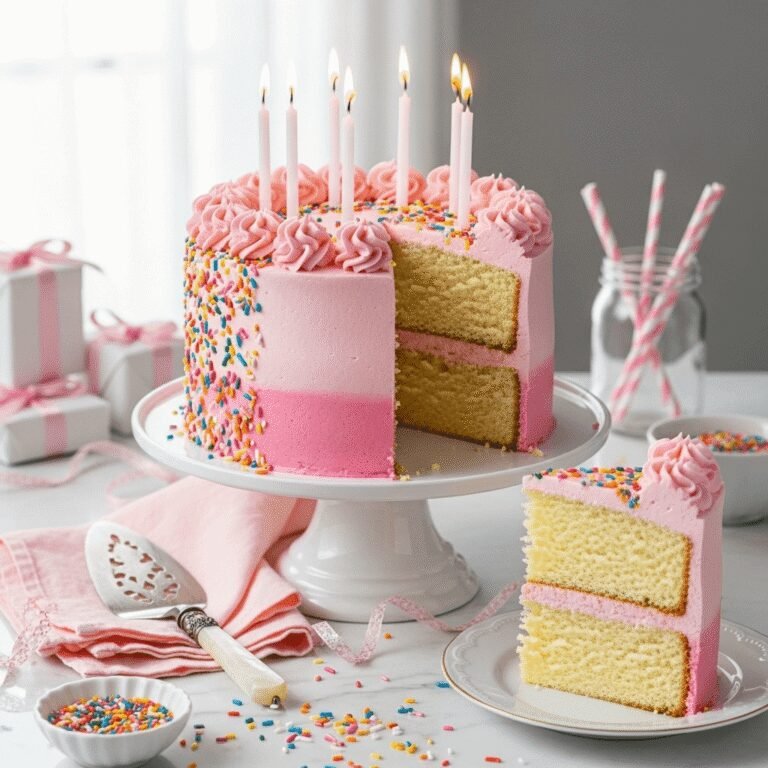
Who says you need eggs to make an amazing cake? This eggless vanilla cake is here to prove that you can create a perfectly soft, fluffy, and delicious cake without a single egg. Whether you’re dealing with egg allergies, following a vegan lifestyle, or simply ran out of eggs mid-baking session, this simple eggless cake recipe delivers bakery-quality results every single time.
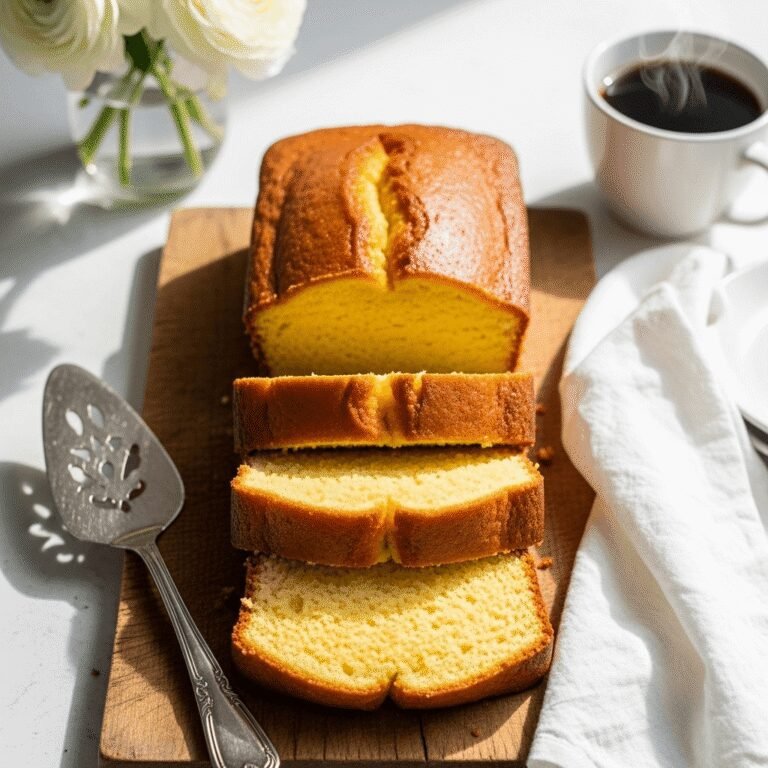
With its tender crumb, light texture, and buttery vanilla flavor, this egg-free vanilla cake tastes just as good—if not better—than traditional cakes. It’s incredibly versatile, making it perfect for birthdays, celebrations, afternoon tea, or just because you’re craving something sweet. The best part? It comes together in one bowl with pantry staples you probably already have on hand.
This homemade eggless cake is a game-changer for families with egg allergies or dietary restrictions. No one will ever guess it’s egg-free! The texture is moist and springy, the flavor is perfectly balanced, and it holds up beautifully whether you’re serving it plain, frosted, or layered. From casual weeknight desserts to special occasion cakes, this recipe has become a beloved staple in kitchens around the world—and it’s about to become your go-to cake recipe too!
History / Background
The history of eggless baking is far more interesting and diverse than you might imagine. While eggs have been a staple in Western baking for centuries, eggless cakes have deep roots in various cultures around the world, born from both necessity and tradition.
In India, eggless baking has been the norm for thousands of years, particularly among vegetarian communities following Hindu, Jain, and Buddhist traditions. These religious and cultural practices prohibit the consumption of eggs, leading Indian bakers to develop incredibly sophisticated egg-free baking techniques long before the rest of the world caught on. The result is a rich tradition of eggless cakes, cookies, and pastries that are just as delicious as their egg-containing counterparts.
During World War I and World War II, eggless baking surged in popularity across America and Europe due to rationing. Eggs, butter, and sugar were scarce, leading resourceful home bakers to create “Depression cakes” and “War cakes” that relied on simple substitutes. These recipes proved that eggs weren’t absolutely necessary for creating delicious baked goods, and many of these wartime recipes remain popular today.
The rise of veganism and increased awareness of food allergies in the late 20th and early 21st centuries brought eggless baking back into the spotlight. What was once seen as a compromise became recognized as a legitimate and delicious alternative. Food scientists and home bakers experimented with various egg substitutes—from vinegar and baking soda reactions to yogurt, applesauce, and commercial egg replacers—perfecting the art of egg-free baking.
Today’s eggless cake recipes benefit from decades of experimentation and refinement. Modern eggless cakes are no longer dense or heavy as they might have been in earlier attempts. Instead, they’re light, fluffy, and virtually indistinguishable from traditional cakes. This particular recipe uses the vinegar-and-baking-soda method, creating a chemical reaction that mimics the leavening power of eggs while keeping the cake incredibly moist and tender.
Why You’ll Love This Recipe
This eggless vanilla cake is about to become your most-requested dessert, and here’s why it’s absolutely worth making:
This recipe checks all the boxes for busy home bakers looking for reliable, delicious results:
- Allergy-friendly – Perfect for those with egg allergies or sensitivities, making it an inclusive dessert option
- Accidentally vegan – Use plant-based milk and vegan butter to make it completely dairy-free and vegan
- One-bowl wonder – Minimal cleanup with everything mixed in a single bowl
- Pantry-friendly ingredients – No special trips to the store; uses common baking staples
- Foolproof recipe – Nearly impossible to mess up, making it perfect for beginner bakers
- Light and fluffy texture – Rivals any traditional cake with eggs; no one will know the difference
- Budget-friendly – Costs less than egg-based cakes since eggs are one of the more expensive baking ingredients
- Quick prep – Ready for the oven in just 10 minutes with minimal hands-on time
- Versatile base – Works beautifully as a layer cake, sheet cake, or cupcakes
- Stays moist for days – Actually gets better over time as the flavors develop
This is the kind of recipe that saves the day when you discover you’re out of eggs but committed to baking. It’s also perfect for keeping in your regular rotation because it’s just that good!
Ingredient Notes
Understanding why each ingredient matters will help you achieve perfect results. Here’s the breakdown:
All-Purpose Flour – Provides structure to the cake. The protein content in all-purpose flour creates just enough structure without making the cake tough. Substitution: You can use cake flour for an even lighter texture (reduce by 2 tablespoons per cup), or use a gluten-free all-purpose flour blend for a gluten-free version.
Granulated Sugar – Sweetens the cake while also helping to create a tender crumb by interfering with gluten formation. Substitution: You can use superfine sugar for a finer texture, or coconut sugar for a caramel-like flavor (the cake will be darker in color).
Baking Soda – The key leavening agent that reacts with the acidic vinegar to create bubbles, helping the cake rise and stay fluffy. Note: Don’t substitute with baking powder as it won’t react the same way.
Salt – Enhances all the other flavors and balances the sweetness. Essential for a well-rounded taste. Note: Use fine table salt for even distribution.
Milk (Dairy or Non-Dairy) – Provides moisture and helps create a tender texture. The fat content adds richness. Substitution: Any type of milk works—whole milk, 2%, almond milk, oat milk, or soy milk all produce excellent results.
Vegetable Oil – Keeps the cake incredibly moist and tender. Oil-based cakes stay fresh longer than butter-based cakes. Substitution: Canola oil, melted coconut oil, or even melted butter work well. Each creates a slightly different flavor profile.
White Vinegar or Apple Cider Vinegar – The secret ingredient! Reacts with baking soda to create the leavening action that would normally come from eggs. Substitution: Either white or apple cider vinegar works; you won’t taste it in the final cake.
Pure Vanilla Extract – Provides that classic vanilla cake flavor and aroma. Substitution: Vanilla bean paste creates an even more intense vanilla flavor with beautiful specks throughout.
Equipment Needed
Gather these tools for smooth, efficient baking:
- 8-inch or 9-inch round cake pan (or an 8×8-inch square pan) – For baking the cake
- Parchment paper – For lining the pan to prevent sticking
- Large mixing bowl – For combining all ingredients
- Whisk – For mixing the batter smoothly
- Measuring cups and spoons – For accurate measurements (crucial in baking!)
- Rubber spatula – For scraping down the bowl and spreading batter
- Wire cooling rack – For cooling the cake properly
- Toothpick or cake tester – For checking doneness
- Sifter or fine-mesh sieve (optional but recommended) – For sifting dry ingredients to ensure a lump-free batter
- Electric mixer (optional) – Makes mixing easier but isn’t necessary; a whisk works fine.
Eggless Vanilla Cake Recipe
This easy eggless vanilla cake is soft, fluffy, and deliciously moist with a tender crumb. Made with simple pantry ingredients in just one bowl, this egg-free cake is perfect for anyone with egg allergies, vegans, or anyone who wants a quick and delicious homemade cake without eggs.
- Prep Time: 10 minutes
- Cook Time: 30 minutes
- Total Time: 40 minutes
- Yield: 8-10 servings 1x
- Category: Dessert
- Method: Baking
- Cuisine: American
- Diet: Gluten Free
Ingredients
- 1½ cups (190g) all-purpose flour
- 1 cup (200g) granulated sugar
- 1 teaspoon baking soda
- ½ teaspoon salt
- 1 cup (240ml) milk (dairy or non-dairy)
- ⅓ cup (80ml) vegetable oil
- 1 tablespoon white vinegar or apple cider vinegar
- 1 tablespoon pure vanilla extract
For the pan:
- Butter or oil for greasing
- Flour for dusting (or use parchment paper)
Instructions
- Preheat and prepare the pan: Preheat your oven to 350°F (175°C). Grease an 8-inch or 9-inch round cake pan with butter or oil, then dust with flour, or line the bottom with parchment paper and grease the sides. This ensures easy removal after baking.
- Mix dry ingredients: In a large mixing bowl, whisk together the flour, sugar, baking soda, and salt until well combined and there are no lumps. Whisking aerates the flour and ensures even distribution of the leavening agent.
- Create a well: Make a well in the center of the dry ingredients. This traditional method helps prevent overmixing when you add the wet ingredients.
- Add wet ingredients: Pour the milk, vegetable oil, vinegar, and vanilla extract into the well. Don’t mix yet—just pour everything in.
- Mix the batter: Whisk everything together, starting from the center and gradually incorporating the dry ingredients from the sides, until you have a smooth batter with no lumps. Mix just until combined—don’t overmix, which can make the cake tough. The batter will be slightly thin and pourable, which is perfect. You’ll see some bubbles forming as the vinegar reacts with the baking soda.
- Pour and settle: Pour the batter into the prepared pan and tap it gently on the counter 2-3 times to release any air bubbles and help the batter settle evenly.
- Bake: Bake for 28-32 minutes (28 minutes for a 9-inch pan, 30-32 minutes for an 8-inch pan) until the top is golden brown, the cake springs back when lightly touched, and a toothpick inserted in the center comes out clean or with just a few moist crumbs. Don’t overbake or the cake will be dry.
- Cool: Remove from the oven and let the cake cool in the pan on a wire rack for 10 minutes. Then run a knife around the edges and carefully invert onto the rack to cool completely before frosting or serving. The cake needs to be completely cool before frosting or it will melt.
- Serve and enjoy: Once cooled, dust with powdered sugar, frost with your favorite frosting, or serve plain. Slice with a serrated knife for the cleanest cuts.
Notes
- Don’t skip the vinegar—it’s essential for helping the cake rise properly and creating that fluffy texture.
- The batter should be mixed just until smooth; overmixing develops gluten and creates a tough, dense cake.
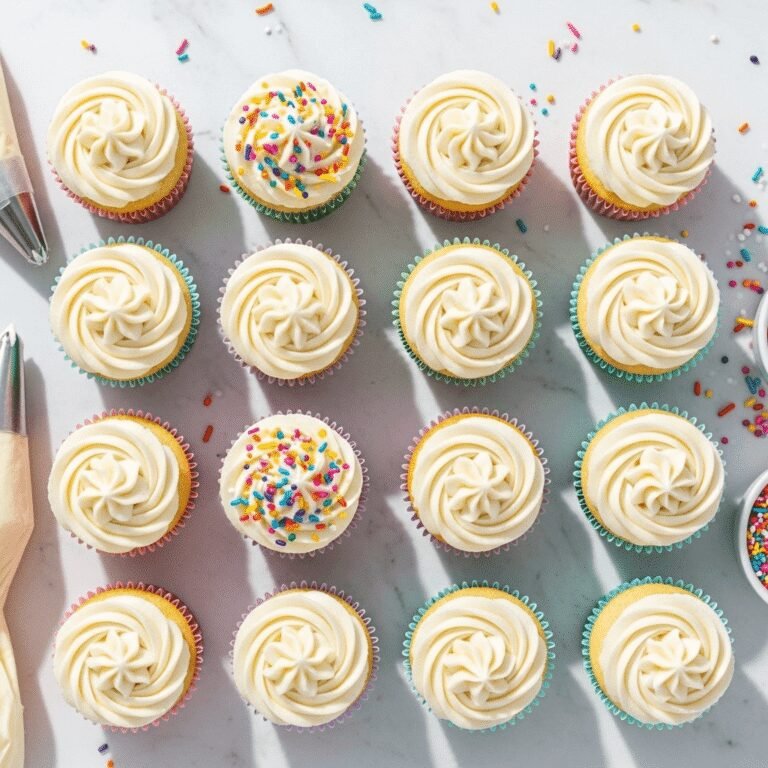
- For cupcakes: Divide batter among 12 lined muffin cups and bake for 18-20 minutes.
- For a sheet cake: Use a 9×13-inch pan and bake for 30-35 minutes.
- Make sure all ingredients are at room temperature for the best texture and even mixing.
- The cake can be made ahead and stored covered at room temperature for up to 3 days.
Nutrition
- Serving Size: 1 slice (1/10 of cake, unfrosted)
- Calories: 215
- Sugar: 21g
- Sodium: 220mg
- Saturated Fat: 1g
- Unsaturated Fat: 6g
- Trans Fat: 0g
- Carbohydrates: 33g
- Fiber: 1g
- Protein: 3g
- Cholesterol: 2mg
Tips & Variations
Transform this basic eggless vanilla cake into endless delicious variations:
Flavor Variations:
- Chocolate Cake: Replace ¼ cup flour with ¼ cup cocoa powder for a chocolate version
- Lemon Cake: Add 2 tablespoons lemon zest and replace vanilla with lemon extract
- Almond Cake: Use almond extract instead of vanilla for a subtle nutty flavor
- Coffee Cake: Add 2 teaspoons instant coffee or espresso powder to the batter
Mix-Ins and Add-Ins:
- Fold in 1 cup chocolate chips, berries, or chopped nuts into the batter before baking
- Swirl in 3 tablespoons of Nutella or jam before baking for a marbled effect
- Add ½ teaspoon cinnamon and ¼ teaspoon nutmeg for a spiced cake
- Mix in ½ cup sprinkles for a funfetti cake
Frosting Options:
- Classic buttercream frosting (use vegan butter for dairy-free)
- Cream cheese frosting for a tangy complement
- Chocolate ganache for ultimate decadence
- Whipped cream and fresh berries for a lighter option
- Simple dusting of powdered sugar for minimal sweetness
Making It Vegan:
- Use any non-dairy milk (almond, soy, oat, coconut)
- Ensure your sugar is vegan (some brands use bone char in processing)
- Use a vegan butter alternative if substituting oil for butter
Pro Chef Tips
Elevate your eggless cake game with these professional techniques:
- Room temperature matters: Make sure your milk is at room temperature before mixing. Cold ingredients don’t emulsify as well and can result in a denser cake. If you forgot to take the milk out ahead, warm it very gently in the microwave for 10-15 seconds.
- Don’t overmix: Once you add the wet ingredients to the dry, mix just until you can’t see any more flour streaks. Overmixing develops gluten, which makes cakes tough and chewy instead of tender and soft. A few small lumps are better than an overmixed batter.
- Sift for perfection: While not absolutely necessary, sifting your flour and other dry ingredients ensures there are no lumps and creates an even lighter, airier cake. It’s an extra 30 seconds that makes a noticeable difference.
- Test for doneness properly: The toothpick test is reliable, but also look for these signs: the cake pulls away slightly from the pan edges, the top springs back when gently pressed, and the surface looks set (not jiggly or wet-looking). If in doubt, underbake slightly rather than overbake.
- Level your cake for frosting: If making a layer cake, use a serrated knife or cake leveler to trim the domed top, creating a flat surface. This helps layers stack evenly and look professional. Save the trimmings for cake pops or snacking!
- Simple syrup secret: Brush cooled cake layers with simple syrup (equal parts sugar and water, heated until sugar dissolves) before frosting. This keeps the cake incredibly moist and adds a subtle sweetness. Professional bakeries do this for every cake.
- Proper cooling prevents breaking: Let the cake cool in the pan for exactly 10 minutes—not longer or it may stick, not shorter or it might break when inverted. Cooling on a wire rack (not a solid surface) allows air circulation and prevents a soggy bottom.
Common Mistakes to Avoid
Sidestep these pitfalls for perfect eggless cake every time:
- Forgetting the vinegar or adding it too early: The vinegar is crucial—it reacts with the baking soda to create the rise that eggs would normally provide. Don’t add it to the dry ingredients early; it needs to be mixed in with the wet ingredients so the reaction happens right before baking. If the batter sits too long after mixing, the reaction fizzles out and you lose the rise.
- Using expired baking soda: Baking soda loses potency over time. If your baking soda is more than 6 months old, test it by adding a little to vinegar—it should fizz vigorously. Old baking soda means a flat, dense cake that doesn’t rise properly.
- Overbaking: This is the number one reason for dry cakes. Start checking at the minimum time and remember that the cake continues cooking slightly from residual heat even after you remove it from the oven. Slightly underdone is better than overbaked.
- Not greasing the pan properly: Even non-stick pans need greasing for eggless cakes. Use butter or oil and dust with flour, or line with parchment paper. Otherwise, you risk the cake sticking and breaking when you try to remove it.
- Frosting a warm cake: Always let the cake cool completely before frosting—at least 2 hours at room temperature. Frosting on a warm cake will melt and slide off, creating a messy disaster instead of a beautiful dessert. Be patient!
Storage & Meal Prep
Keep your eggless vanilla cake fresh and delicious:
Room Temperature Storage: Store the unfrosted cake covered with plastic wrap or in an airtight container at room temperature for up to 3 days. Oil-based cakes like this one actually stay moist longer than butter-based cakes, making them perfect for make-ahead baking.
Refrigerator Storage: If your cake is frosted with perishable frosting (like cream cheese frosting or whipped cream), store it covered in the refrigerator for up to 5 days. Bring to room temperature for 30 minutes before serving for the best texture and flavor. Unfrosted cake can also be refrigerated, though it’s not necessary unless your kitchen is very warm.
Storing Frosted vs. Unfrosted: Unfrosted cake stores better and stays fresher longer. If you’re making the cake ahead, consider baking it and storing it unfrosted, then frosting it the day you plan to serve it. This gives you the freshest possible result.
Keeping It Moist: If the cake seems to be drying out, brush it with simple syrup or cover the cut edges with plastic wrap to prevent moisture loss. The high oil content means this cake naturally stays moist, but these tricks help even more.
Make-Ahead & Freezer Notes
This eggless cake is perfect for advance preparation:
Make-Ahead Instructions: Bake the cake up to 2 days in advance and store it tightly wrapped at room temperature. The flavor actually improves as it sits—the vanilla develops and the texture becomes even more tender. Wait to frost until the day of serving for the freshest presentation.
Freezing the Whole Cake: Cool the cake completely, then wrap tightly in plastic wrap followed by aluminum foil, or place in a freezer-safe container. Freeze unfrosted for up to 3 months. Thaw overnight in the refrigerator, still wrapped to prevent condensation, then bring to room temperature before frosting and serving.
Freezing Individual Slices: This is incredibly convenient for portion control or quick desserts! Wrap each slice individually in plastic wrap, then place all wrapped slices in a freezer bag or container. Thaw individual slices at room temperature for 1-2 hours, or microwave from frozen for 20-30 seconds for a warm treat.
Freezing Frosted Cake: You can freeze a frosted cake, but the frosting texture may change slightly upon thawing. To freeze frosted cake, first flash-freeze it uncovered for 1 hour until the frosting is firm, then wrap carefully. Buttercream and ganache freeze better than whipped cream or cream cheese frostings.
Best Reheating Method: This cake is delicious at room temperature, but if you want to serve it warm, microwave individual slices for 15-20 seconds. Serve with vanilla ice cream for a wonderful warm cake and cold ice cream contrast!
Serving Suggestions
Transform your eggless vanilla cake into a complete dessert experience:
Frosting and Topping Ideas:
- Classic vanilla buttercream for a traditional birthday cake
- Rich chocolate buttercream for chocolate-vanilla contrast
- Cream cheese frosting for tangy sweetness
- Fresh whipped cream and berries for a lighter option
- Caramel drizzle and sea salt for sophisticated flavor
- Lemon curd between layers for citrus brightness
Accompaniments:
- Vanilla ice cream or gelato
- Fresh seasonal berries (strawberries, raspberries, blueberries)
- Hot fudge or caramel sauce
- Whipped cream or crème fraîche
- Fruit compote or berry coulis
Beverage Pairings:
- Cold milk (dairy or non-dairy) for classic comfort
- Hot coffee or espresso to complement the vanilla
- Hot tea for an elegant afternoon tea experience
- Sparkling cider or champagne for celebrations
Special Occasion Presentations:
- Layer cake with buttercream and fresh flowers for birthdays
- Sheet cake with fun decorations for parties
- Cupcakes with colorful frosting for kid-friendly events
- Trifle layers with pudding and fruit for a show-stopping dessert
Casual Serving Ideas:
- Warm slice with butter for breakfast or snack
- Plain with afternoon coffee or tea
- Topped with fresh fruit and yogurt for a lighter dessert
- Toasted and served with ice cream
FAQs Section
Q: Can I really not taste the vinegar in the cake?
A: Absolutely not! The vinegar completely cooks off during baking, leaving no vinegar taste whatsoever. It’s purely there for the chemical reaction with baking soda that helps the cake rise. The finished cake tastes like a perfect vanilla cake with no hint of sourness or vinegar flavor.
Q: Why is vinegar necessary? Can I skip it?
A: The vinegar is essential and cannot be skipped. In traditional cakes, eggs provide structure, moisture, and help the cake rise. In this eggless version, the vinegar reacts with baking soda to create carbon dioxide bubbles that make the cake rise and give it that light, fluffy texture. Without it, your cake will be flat and dense. The acid-base reaction replaces the leavening power of eggs.
Q: Can I use this recipe to make cupcakes?
A: Yes! This recipe makes approximately 12 standard cupcakes. Line a muffin tin with cupcake liners, fill each about ⅔ full with batter, and bake at 350°F for 18-20 minutes, or until a toothpick inserted in the center comes out clean. Check at 18 minutes as cupcakes bake faster than a full cake.
Q: My cake turned out dense instead of fluffy. What went wrong?
A: A dense eggless cake usually results from one of these issues: (1) Overmixing the batter after adding wet ingredients—mix just until combined; (2) Old or inactive baking soda—test yours to make sure it still fizzes with vinegar; (3) Letting the batter sit too long before baking—get it in the oven within a few minutes of mixing so the reaction is still active; or (4) Overbaking, which dries out the cake.
Q: Can I make this cake without oil?
A: While oil is preferred for the moistest cake that stays fresh longest, you can substitute melted butter (same amount) or even applesauce for a lower-fat version. However, applesauce will create a slightly different texture—still good, but denser and more muffin-like. For best results, stick with oil or melted butter.
Q: Is this recipe suitable for people with egg allergies?
A: Yes! This recipe contains zero eggs, making it perfect for anyone with egg allergies or sensitivities. Just make sure all your other ingredients (like sprinkles or decorations if using) are also egg-free. Always check labels if you’re baking for someone with severe allergies.
Q: Can I halve or double this recipe?
A: Absolutely! This recipe scales beautifully. To halve it, use a 6-inch round pan and reduce baking time to about 22-25 minutes. To double it, use two 9-inch pans or one 9×13-inch pan, and bake for 30-35 minutes. The batter also works great for making multiple layers for a tall celebration cake.
Q: What’s the best way to frost this cake without it falling apart?
A: Make sure the cake is completely cool before frosting—at least 2 hours after baking. Brush off any loose crumbs, then apply a thin “crumb coat” of frosting and refrigerate for 15 minutes to set. This seals in any remaining crumbs. Then apply your final, smooth layer of frosting. This two-step method creates a professional, crumb-free finish.
Conclusion
There you have it—everything you need to bake a perfect, fluffy, delicious eggless vanilla cake that rivals any traditional recipe! This simple egg-free cake proves that you don’t need eggs to create something truly special. With just a handful of pantry ingredients and one bowl, you can whip up a cake that’s soft, moist, and absolutely irresistible.
Whether you’re navigating egg allergies, following a vegan lifestyle, or simply want a reliable, easy cake recipe that works every time, this eggless vanilla cake delivers on every level. The tender crumb, classic flavor, and foolproof technique make it perfect for both beginner bakers and experienced home cooks looking for a versatile base recipe.
The beauty of this cake is its adaptability—dress it up with elaborate frosting for birthdays and celebrations, or keep it simple with just a dusting of powdered sugar for everyday enjoyment. Layer it, frost it, fill it, or serve it plain—however you choose to serve it, you’ll love the results.
Don’t let a missing carton of eggs stop you from baking! This eggless cake is just as good (honestly, maybe even better) than traditional cakes, and now you have the recipe to prove it.
Ready to bake the easiest, most delicious eggless vanilla cake? Save this recipe to your Pinterest boards so you always have it when you need it! After you try it, come back and let me know in the comments—did you keep it classic vanilla, or did you get creative with add-ins? I can’t wait to hear about your eggless baking adventures!
Happy baking, friends! 🎂