The Ultimate Mango Cake Recipe: Tropical, Moist & Bursting with Flavor

There’s something absolutely magical about biting into a slice of tender, buttery mango cake that transports you straight to a tropical paradise. This mango cake recipe is a stunning dessert that celebrates the sweet, vibrant flavor of fresh mangoes in every single bite. Whether you’re using ripe, juicy mangoes from your local farmers market or high-quality canned mango puree, this cake delivers an incredibly moist crumb with a delicate sweetness that’s never overpowering.
Perfect for summer gatherings, birthday celebrations, potlucks, or simply when you’re craving something special with your afternoon coffee, this mango cake is a showstopper that’s surprisingly easy to make. The cake itself is wonderfully versatile—serve it plain with a dusting of powdered sugar, frost it with cream cheese frosting, or dress it up with whipped cream and fresh mango slices for an elegant presentation. It’s the kind of dessert that looks impressive but doesn’t require professional baking skills, making it ideal for home bakers of all experience levels.
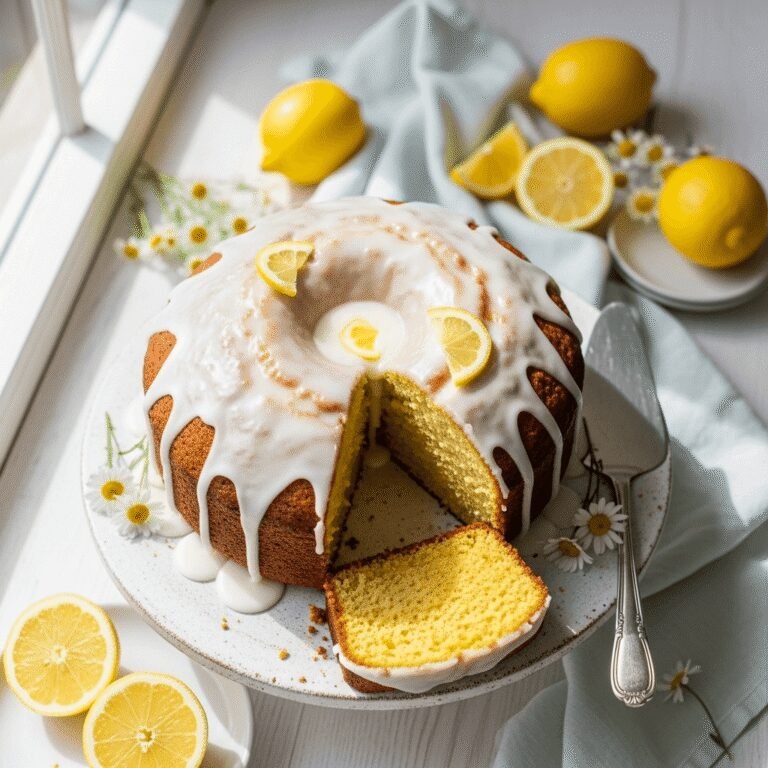
This recipe yields a beautifully golden cake with a tender texture that stays moist for days. The natural sweetness and gorgeous color from the mangoes make this cake as visually stunning as it is delicious. Trust me, once you try this homemade mango cake, it’ll become your go-to recipe whenever mangoes are in season—or whenever you need a taste of sunshine on your plate.
History / Background
Mango cake has its roots in tropical regions where mangoes have been cultivated for thousands of years, particularly in South Asia, Southeast Asia, and later in Latin America and the Caribbean. The mango itself, often called the “king of fruits,” originated in India over 4,000 years ago and has been celebrated in art, poetry, and cuisine throughout history.
As mangoes spread across the globe through trade routes and colonial expansion, different cultures began incorporating this beloved fruit into their traditional baking. In the Philippines, mango cake became a popular dessert using the famous Manila mangoes, known for their exceptional sweetness and smooth texture. Filipino bakeries perfected the art of mango chiffon cakes and mango crema cakes, often layered with cream and fresh fruit.
In India, mango-flavored desserts have long been part of the culinary tradition, though traditional Indian sweets often featured mangoes in different forms—from mango kulfi to aamras. The Western-style mango cake emerged as baking techniques from Europe blended with local ingredients and flavors during the colonial period.
Caribbean and Latin American countries, where mangoes grow abundantly, also developed their own versions of mango cakes and breads. These recipes often incorporated rum, coconut, and spices like cinnamon and nutmeg, creating rich, flavorful desserts that reflected the region’s diverse culinary influences.
The modern mango cake recipe that we love today is truly a fusion dessert—it combines classic American butter cake techniques with the tropical essence of mangoes. It gained popularity in the United States during the late 20th century as mangoes became more readily available in supermarkets year-round, and home bakers began experimenting with fruit-forward desserts beyond the traditional apple and berry pies. Today, mango cake has become a beloved recipe for home cooks who want to create something special that captures the essence of summer in cake form.
Why You’ll Love This Recipe
This mango cake recipe is an absolute game-changer for anyone who loves baking or simply adores the tropical sweetness of fresh mangoes. It strikes the perfect balance between being impressively delicious and surprisingly simple to make, which is exactly what busy home cooks need.
Here’s why this mango cake will become your new favorite:
- Incredibly moist texture – The mango puree keeps this cake tender and prevents it from ever drying out, even days after baking
- Natural sweetness – Mangoes provide beautiful flavor without requiring excessive sugar, making it a lighter option than many traditional cakes
- Foolproof recipe – Simple mixing method with clear instructions means even beginner bakers can achieve perfect results
- Versatile serving options – Enjoy it plain, frosted, or dressed up for special occasions
- Crowd-pleaser – The tropical flavor appeals to both kids and adults, making it perfect for family gatherings
- Make-ahead friendly – This cake actually tastes better the next day, making it ideal for party planning
- Budget-friendly – Uses basic pantry staples plus mangoes, which are affordable when in season
- Customizable – Easy to adapt with different frostings, add-ins, or flavor variations
- Gorgeous presentation – The natural golden color from mangoes makes this cake visually stunning with minimal effort
- Perfect for any season – While it’s a summer favorite, canned or frozen mango keeps this recipe accessible year-round
The beauty of this recipe is that it delivers bakery-quality results without any complicated techniques or hard-to-find ingredients. You’ll love how your kitchen smells while it’s baking, and you’ll be even more impressed with how it tastes!
Ingredient Notes
Understanding your ingredients is the key to baking success, so let’s talk about what makes this mango cake so special and what you can substitute if needed.
All-Purpose Flour – This is your structure-building foundation. For best results, spoon the flour into your measuring cup and level it off rather than scooping directly from the bag, which can compact the flour and make your cake dense. You can substitute with a 1:1 gluten-free flour blend if needed.
Fresh or Canned Mango Puree – This is the star ingredient! Fresh ripe mangoes that you blend yourself provide the most vibrant flavor, but canned mango puree or even high-quality frozen mango (thawed and pureed) works beautifully. You’ll need about 2-3 medium mangoes to make 1½ cups of puree. Make sure your puree is smooth with no chunks for the best texture.
Granulated Sugar – Provides sweetness and helps create that tender crumb. You can reduce the sugar slightly if your mangoes are very sweet, or substitute with coconut sugar for a deeper caramel flavor.
Butter – Use unsalted butter at room temperature for proper creaming. The butter creates richness and helps with the cake’s structure. For a dairy-free version, coconut oil works well, though it will add a subtle coconut flavor.
Eggs – Room temperature eggs incorporate better into the batter and create better structure. They bind everything together and add moisture. For an egg-free version, use flax eggs (1 tablespoon ground flaxseed mixed with 3 tablespoons water per egg).
Whole Milk or Buttermilk – Adds moisture and creates a tender crumb. Buttermilk provides a slight tang that balances the mango’s sweetness beautifully. You can substitute with any milk you prefer, including non-dairy options like almond or oat milk.
Baking Powder & Baking Soda – These leavening agents work together to help your cake rise and create that light, fluffy texture. Make sure they’re fresh (less than 6 months old) for best results.
Vanilla Extract – Enhances all the other flavors and adds depth. Pure vanilla extract is always preferable to imitation.
Salt – Don’t skip this! A pinch of salt enhances the sweetness and balances all the flavors perfectly.
Equipment Needed
Having the right tools makes baking so much easier and more enjoyable. Here’s what you’ll need for this mango cake:
- 9-inch round cake pans (two) or one 9×13-inch rectangular pan – For layer cake or sheet cake
- Electric mixer (stand mixer or hand mixer) – Makes creaming butter and sugar effortless
- Large mixing bowls (at least 2) – One for wet ingredients, one for dry
- Medium mixing bowl – For combining dry ingredients
- Measuring cups and spoons – For accurate measurements
- Rubber spatula – For scraping down bowl sides and folding ingredients
- Whisk – For combining dry ingredients
- Blender or food processor – For pureeing fresh mangoes until silky smooth
- Fine-mesh strainer (optional) – For removing any fibrous bits from mango puree
- Parchment paper – For lining cake pans to prevent sticking
- Cooling rack – Essential for properly cooling your cake layers
- Toothpick or cake tester – For checking doneness
- Offset spatula (optional) – Makes frosting the cake easier if you’re decorating
Mango Cake Recipe

This incredible mango cake is perfectly moist, tender, and bursting with tropical mango flavor in every bite. Made with fresh mango puree and simple ingredients, it’s an easy homemade dessert that’s perfect for summer gatherings, birthday parties, or any time you’re craving something sweet and fruity. The golden cake has a delicate crumb and can be served plain, frosted, or topped with whipped cream and fresh fruit.
- Total Time: 50-55 minutes (plus cooling time)
- Yield: 12 servings 1x
- Category: Dessert
- Method: Baking
- Cuisine: Fusion (American/Tropical)
- Diet: Vegetarian
Ingredients
For the Cake:
- 2½ cups all-purpose flour
- 2 teaspoons baking powder
- ½ teaspoon baking soda
- ½ teaspoon salt
- ¾ cup unsalted butter, softened to room temperature
- 1½ cups granulated sugar
- 3 large eggs, room temperature
- 1½ cups mango puree (from about 2-3 ripe mangoes)
- ½ cup whole milk or buttermilk, room temperature
- 2 teaspoons vanilla extract
- 1 tablespoon fresh lemon juice (optional, brightens the mango flavor)
Optional Cream Cheese Frosting:
- 8 oz cream cheese, softened
- ½ cup unsalted butter, softened
- 3-4 cups powdered sugar
- 1 teaspoon vanilla extract
- 2 tablespoons heavy cream or milk
For Garnish:
- Fresh mango slices
- Shredded coconut (optional)
- Fresh mint leaves
Instructions
- Prepare your pans and preheat: Preheat your oven to 350°F (175°C). Grease two 9-inch round cake pans with butter or cooking spray, then line the bottoms with parchment paper circles. Grease the parchment as well. This ensures easy release after baking.
- Make the mango puree: If using fresh mangoes, peel and dice them, removing all flesh from the pit. Add to a blender or food processor and blend until completely smooth. You should have 1½ cups of puree. If there are any fibrous bits, strain through a fine-mesh sieve. Set aside.
- Combine dry ingredients: In a medium bowl, whisk together the flour, baking powder, baking soda, and salt until well combined. This ensures even distribution of leavening agents throughout your cake. Set aside.
- Cream butter and sugar: In a large mixing bowl using an electric mixer, beat the softened butter and sugar together on medium-high speed for 3-4 minutes until light, fluffy, and pale in color. This incorporates air and creates a tender crumb. Scrape down the sides of the bowl as needed.
- Add eggs: Add the eggs one at a time, beating well after each addition and scraping down the bowl between additions. The mixture should look smooth and creamy.
- Mix wet ingredients: In a separate bowl or large measuring cup, combine the mango puree, milk, vanilla extract, and lemon juice (if using). Whisk until well combined.
- Alternate adding dry and wet: With the mixer on low speed, add the flour mixture in three additions, alternating with the mango mixture in two additions, beginning and ending with the flour. Mix just until combined after each addition—don’t overmix! The batter should be smooth and thick but pourable. Fold in any remaining flour streaks with a spatula.
- Divide and bake: Divide the batter evenly between your prepared pans (about 2¾ cups per pan if using two 9-inch rounds). Smooth the tops with a spatula. Tap the pans gently on the counter to release any air bubbles. Bake for 30-35 minutes, or until a toothpick inserted in the center comes out clean or with just a few moist crumbs. The tops should spring back when lightly pressed.
- Cool properly: Let the cakes cool in the pans for 15 minutes on a wire rack, then carefully run a knife around the edges and invert onto the rack. Remove the parchment paper and let cool completely before frosting—at least 1-2 hours. This prevents the frosting from melting.
- Make frosting (optional): While the cake cools, beat the softened cream cheese and butter together until smooth and creamy. Gradually add the powdered sugar, one cup at a time, beating well after each addition. Add vanilla and cream, then beat on high for 2-3 minutes until light and fluffy.
- Assemble and decorate: Place one cake layer on your serving plate. Spread with about ¾ cup of frosting. Top with the second layer and frost the top and sides of the cake. Decorate with fresh mango slices, shredded coconut, or fresh mint leaves if desired.
- Serve and enjoy: Slice and serve at room temperature for the best flavor and texture. Store any leftovers covered in the refrigerator.
Notes
- Mango ripeness matters: Use ripe, sweet mangoes for the best flavor. If your mangoes are slightly tart, you may want to add an extra 2-3 tablespoons of sugar to the batter.
- Don’t overmix: Once you add the flour, mix just until combined. Overmixing develops gluten and can make your cake tough and dense.
- Room temperature ingredients: This is crucial! Room temperature eggs and milk incorporate better and create a smoother batter with better texture.
- Testing for doneness: Oven temperatures vary, so start checking at 28 minutes. The cake is done when a toothpick comes out clean and the edges pull away slightly from the pan.
- Make it a sheet cake: You can bake this in a 9×13-inch pan instead. Increase baking time to 35-40 minutes.
- Unfrosted storage: If not frosting, this cake stays moist for 3-4 days at room temperature in an airtight container.
Nutrition
- Serving Size: 1 slice(1/12 of cake, unfrosted)
- Calories: 285
- Sugar: 24g
- Sodium: 215mg
- Fat: 12g
- Saturated Fat: 7g
- Unsaturated Fat: 4g
- Trans Fat: 0g
Note: Nutrition information is approximate and will vary based on specific ingredients used. Add approximately 150 calories per slice if using cream cheese frosting.
Tips & Variations
This mango cake is wonderfully versatile, and there are so many ways you can customize it to suit your taste preferences or dietary needs.
Flavor Variations:
- Mango Coconut Cake: Add ¾ cup of shredded coconut to the batter and use coconut milk instead of regular milk for a tropical twist
- Mango Lime Cake: Replace the lemon juice with lime juice and add 1 tablespoon of lime zest to the batter for a bright, citrusy flavor
- Spiced Mango Cake: Add ½ teaspoon of cardamom and ¼ teaspoon of cinnamon for an Indian-inspired dessert
- Mango Passion Fruit: Reduce mango puree to 1 cup and add ½ cup of passion fruit puree for a more complex tropical flavor
Texture Add-Ins:
- Fold in ½ cup of diced fresh mango pieces for bursts of fruit throughout
- Add ½ cup of chopped macadamia nuts or pistachios for crunch
- Swirl in 3 tablespoons of mango jam for extra pockets of sweetness
Frosting Options:
- Whipped cream frosting with mango chunks
- Vanilla buttercream with mango curd filling
- Light mascarpone frosting
- Simple glaze made with powdered sugar and mango juice
Dietary Modifications:
- Gluten-Free: Use a 1:1 gluten-free flour blend like Bob’s Red Mill
- Dairy-Free: Substitute coconut oil for butter and use non-dairy milk
- Lower Sugar: Reduce sugar to 1 cup and increase mango puree by ¼ cup
- Vegan: Use flax eggs and replace butter with vegan butter or coconut oil
Presentation Ideas:
- Make cupcakes instead (yields 18-20, bake for 18-22 minutes)
- Create a naked cake style with minimal frosting between layers
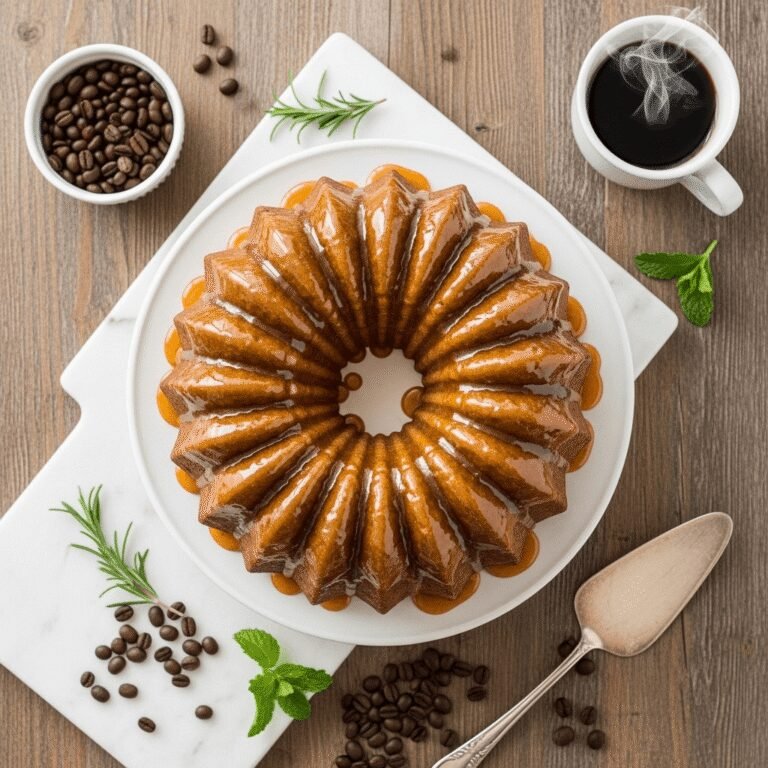
- Make a bundt cake for an elegant presentation
- Turn it into a trifle with layers of cake, whipped cream, and fresh mango
Pro Chef Tips
These professional techniques will take your mango cake from good to absolutely spectacular:
Temperature Control is Everything: Room temperature ingredients are non-negotiable for a perfect crumb. Cold eggs won’t emulsify properly with the butter, creating a dense cake. Set everything out 1-2 hours before baking, or quick-warm eggs by placing them in warm water for 5-10 minutes.
Properly Measure Your Flour: Too much flour is the number one cause of dry, dense cakes. Use the spoon-and-level method: fluff the flour in the bag, spoon it into your measuring cup without packing, and level with a knife. Even better, weigh your flour (2½ cups = 300g).
Don’t Skip the Lemon Juice: That tablespoon of lemon juice isn’t just for flavor—the acid reacts with the baking soda to create extra lift and also brightens the mango flavor, making it taste more vibrant and fresh.
The Cream Matters: When creaming butter and sugar, don’t rush it. Those 3-4 minutes of beating incorporate air that creates a lighter texture. The mixture should be noticeably paler and fluffy—this is creating the structure for your tender crumb.
Use the Toothpick Test Wisely: You want a few moist crumbs on your toothpick, not a completely clean one. A totally clean toothpick often means the cake is slightly overbaked. The residual heat continues cooking it as it cools.
Cool Completely Before Frosting: This seems obvious, but it’s crucial. Even slightly warm cake will melt frosting, cause it to slide, and create a messy situation. Plan for at least 2 hours of cooling time, or speed it up by placing layers in the refrigerator (uncovered) for 30 minutes.
Enhance the Mango Flavor: For even more intense mango taste, add 1-2 teaspoons of mango extract along with the vanilla, or reduce ¼ cup of mango juice to 2 tablespoons and fold it into the batter for concentrated flavor.
Achieve Bakery-Level Moisture: Brush each cake layer with a simple syrup (equal parts sugar and water, heated until dissolved, cooled) before frosting. This professional trick keeps the cake incredibly moist and adds subtle sweetness.
Level Your Layers: Use a serrated knife or cake leveler to trim any domed tops before stacking. This creates a more stable, professional-looking cake and ensures even frosting distribution.
Strain Your Puree: Even when using a high-powered blender, some mango varieties have fibrous bits. Straining your puree through a fine-mesh sieve creates an ultra-smooth batter and prevents any stringy pieces in the final cake.
Common Mistakes to Avoid
Learning from common pitfalls will save you time, ingredients, and frustration. Here’s what to watch out for:
Overmixing the Batter: Once you add the flour, mix just until you can no longer see flour streaks—usually 15-20 seconds on low speed. Overmixing develops gluten, which creates a tough, chewy cake instead of a tender one. If you see flour streaks after mixing, gently fold them in with a spatula rather than continuing to beat.
Using Unripe Mangoes: Unripe or under-ripe mangoes will make your cake taste bland or even slightly sour. The mango should be fragrant, yield to gentle pressure, and be sweet when tasted. If your mangoes aren’t quite ripe enough, you can compensate by adding an extra ¼ cup of sugar and a teaspoon of mango extract.
Not Greasing and Flouring Properly: Even with non-stick pans, you need to properly prepare them. Butter or spray every surface, including corners, and line the bottom with parchment. Skipping this step might mean your beautiful cake sticks and breaks when you try to remove it.
Opening the Oven Door Too Early: Resist the temptation to check on your cake before the 25-minute mark. Opening the door releases heat and can cause the cake to sink in the middle as the structure hasn’t set yet. The last 5-10 minutes are when you can check.
Incorrect Oven Temperature: If your cake browns too quickly on top but remains raw in the center, your oven temperature is too high. Invest in an oven thermometer—many ovens run 25°F hotter or cooler than the dial indicates. This simple tool prevents countless baking disasters.
Frosting a Warm Cake: This creates a melted, sliding mess. Even if you’re in a hurry, the cake must be completely cool—ideally room temperature or even slightly chilled. The 2-hour cooling time is essential for structural integrity and beautiful frosting application.
Watery Mango Puree: If your puree is too thin or watery (some mango varieties are juicier), reduce the milk in the recipe by 2-3 tablespoons or add an extra 2 tablespoons of flour to compensate. Too much liquid creates a gummy texture.
Storage & Meal Prep
Proper storage keeps your mango cake fresh, moist, and delicious for days. Here’s everything you need to know:
Room Temperature Storage (Unfrosted Cake): If you’re serving the cake plain or with just a dusting of powdered sugar, it can stay at room temperature for up to 3 days. Store it in an airtight container or cover tightly with plastic wrap. The mango keeps the cake naturally moist, so it actually tastes even better on day two as the flavors develop.
Refrigerator Storage (Frosted Cake): Any cake with cream cheese frosting, whipped cream, or dairy-based frosting must be refrigerated. Cover loosely with plastic wrap or place in a cake carrier and store for up to 5 days. Bring to room temperature 30-60 minutes before serving for the best flavor and texture.
Preventing Dry Cake: The key to keeping cake moist is preventing air exposure. If you’ve already cut into the cake, press plastic wrap directly against the cut edges before covering the entire cake. This prevents those surfaces from drying out.
Leftover Slices: Wrap individual slices tightly in plastic wrap and store in an airtight container. This makes for easy grab-and-go desserts throughout the week. Microwave for 10-15 seconds to refresh the texture.
Reheating Tips: While this cake is delicious cold or at room temperature, you can warm individual slices in the microwave for 10-15 seconds to bring back that fresh-from-the-oven softness. Don’t overheat, or you’ll dry it out.
Signs It’s Time to Toss It: Discard the cake if you notice any mold (usually after 5-7 days), an off smell, or if it becomes overly dry and crumbly. Properly stored cake with cream cheese frosting lasts about 5 days, while unfrosted cake lasts 3-4 days at room temperature.
Make-Ahead & Freezer Notes
This mango cake is perfect for planning ahead, making your party prep or meal planning so much easier:
Baking Ahead: You can bake the cake layers up to 2 days in advance. Let them cool completely, then wrap each layer tightly in two layers of plastic wrap. Store at room temperature if using within 24 hours, or refrigerate for up to 48 hours. Bring to room temperature before frosting for easier handling.
Freezing Cake Layers: Unfrosted cake layers freeze beautifully for up to 3 months. Wrap each cooled layer tightly in plastic wrap, then again in aluminum foil. Label with the date and freeze flat. When ready to use, thaw overnight in the refrigerator (still wrapped), then bring to room temperature before frosting. The texture remains perfect!
Freezing Frosted Cake: You can freeze a fully frosted cake, though the texture may be slightly different. Flash-freeze it uncovered for 1 hour until the frosting is firm, then wrap carefully in plastic wrap and foil. Freeze for up to 2 months. Thaw overnight in the refrigerator, then bring to room temperature before serving.
Freezing Individual Slices: This is incredibly convenient for future treats! Wrap each slice individually in plastic wrap, then place all wrapped slices in a freezer bag. They’ll keep for 2-3 months. Thaw individual slices at room temperature for 1-2 hours or microwave for 30-40 seconds from frozen.
Best Reheating Method: For frozen cake, always thaw in the refrigerator overnight while still wrapped—this prevents condensation from making the cake soggy. Once thawed, unwrap and bring to room temperature. If you want that fresh-baked warmth, microwave individual slices for 15-20 seconds.
Make-Ahead Frosting: Cream cheese frosting can be made up to 3 days ahead and stored in the refrigerator. Bring to room temperature and re-whip for 1-2 minutes before using to restore the fluffy texture.
Planning Timeline for Parties: For a stress-free party, bake the cake layers 1-2 days ahead, make the frosting 1 day ahead, then assemble and decorate the morning of your event. This ensures maximum freshness while minimizing day-of work.
Serving Suggestions
This beautiful mango cake pairs wonderfully with so many accompaniments and works for various occasions. Here are some delicious serving ideas:
Classic Pairings:
- Whipped Cream: A dollop of lightly sweetened whipped cream balances the cake’s sweetness perfectly
- Vanilla Ice Cream: The cold, creamy contrast with warm cake is irresistible
- Fresh Mango Slices: Double down on the mango flavor with fresh fruit on the side
- Coconut Whipped Cream: For a tropical twist that complements the mango beautifully
Beverage Pairings:
- Coffee or Espresso: The slight bitterness balances the cake’s sweetness—perfect for afternoon tea
- Chai Tea: The warm spices complement the tropical mango flavor wonderfully
- Mango Lassi: Stay with the theme for a fully tropical experience
- Sparkling Wine or Champagne: The bubbles and acidity cut through the richness, making this cake elegant enough for special celebrations
- Iced Tea: Sweet or unsweetened tea is refreshing alongside this sweet dessert
Plating for Special Occasions:
- Dust the plate with powdered sugar before placing the slice
- Add a small scoop of mango sorbet on the side
- Drizzle with passion fruit or mango coulis for restaurant-style presentation
- Garnish with candied ginger pieces for a sophisticated touch
- Add edible flowers like orchids or pansies for elegant events
Complete Dessert Spread Ideas:
- Serve alongside other tropical desserts like coconut macaroons and pineapple upside-down cake
- Create a dessert bar with various toppings: toasted coconut, crushed pistachios, chocolate shavings, and caramel sauce
- Pair with tropical fruit salad featuring pineapple, papaya, and kiwi
Occasion-Specific Serving:
- Birthday Parties: Add candles and serve with multicolored sprinkles for kids
- Summer BBQs: Serve in mason jars as individual trifles with layers of cake, cream, and fresh mango
- Brunch: Slice smaller portions and serve with coffee as a sweet ending to the meal
- Dinner Parties: Plate elegantly with a mango coulis drizzle and fresh mint garnish
FAQs Section
Can I use frozen mango instead of fresh? Absolutely! Frozen mango works perfectly for this recipe and is often more convenient and budget-friendly. Thaw the mango completely, then blend it into a smooth puree. You may need to drain excess liquid if your frozen mango is particularly watery—pour the puree into a fine-mesh strainer for 10-15 minutes to remove excess moisture. Measure after draining to ensure you have exactly 1½ cups for the recipe.
Why is my mango cake dense instead of fluffy? Dense cake usually results from one of three issues: overmixing the batter after adding flour (which develops gluten), using cold ingredients (which don’t incorporate properly), or measuring flour incorrectly (too much flour weighs down the cake). Make sure you’re using room temperature ingredients, mixing just until combined once you add the flour, and measuring flour using the spoon-and-level method rather than scooping directly from the bag.
Can I make this cake without eggs? Yes! For an egg-free version, replace each egg with a flax egg (1 tablespoon ground flaxseed mixed with 3 tablespoons water, let sit for 5 minutes until gel-like) or use a commercial egg replacer following package directions. The texture will be slightly different—a bit denser but still delicious. You can also use ¼ cup of unsweetened applesauce per egg, though this will make the cake moister and slightly heavier.
How do I know when the cake is done baking? The cake is perfectly done when a toothpick inserted into the center comes out with just a few moist crumbs attached (not wet batter, but not completely clean either). The top should spring back when lightly pressed, and the edges will pull away slightly from the sides of the pan. The surface should be golden brown. If your toothpick comes out completely clean, you’ve actually slightly overbaked it, though it will still taste good.
What’s the best type of mango to use? Any ripe, sweet mango variety works beautifully in this cake. Popular choices include Alphonso (Hapus), Ataulfo (honey/champagne mangoes), Kent, or Tommy Atkins. The key is ripeness—the mango should yield to gentle pressure, have a sweet fragrance at the stem end, and be slightly soft. Avoid using green, unripe mangoes as they’ll make the cake taste bland or tart. If you can only find slightly underripe mangoes, add an extra 2-3 tablespoons of sugar to compensate.
Can I make this as cupcakes instead? Definitely! This batter makes excellent cupcakes. Line a muffin tin with paper liners and fill each about ⅔ full. You’ll get approximately 18-22 cupcakes depending on size. Bake at 350°F for 18-22 minutes, or until a toothpick comes out clean. Cupcakes are done when the tops spring back when lightly touched. They’re perfect for parties and easier to serve than slicing cake!
How can I make my cake more moist? This cake is naturally moist due to the mango puree, but you can make it even more so by brushing each layer with simple syrup (equal parts sugar and water, heated and dissolved, then cooled) before assembling. Also, be careful not to overbake—check for doneness at 28 minutes and remove when the toothpick has a few moist crumbs. Store the cake properly in an airtight container, and surprisingly, it becomes even more moist the day after baking as the flavors meld.
What if I don’t have buttermilk? No problem! You can easily make a buttermilk substitute by adding 1½ teaspoons of white vinegar or lemon juice to ½ cup of regular milk. Stir and let sit for 5 minutes until slightly thickened. This creates the same tangy flavor and tender crumb that buttermilk provides. Alternatively, you can use plain yogurt thinned with a little milk, or just use regular whole milk—the cake will still be delicious, just slightly less tangy.
Conclusion
There’s something truly special about a homemade mango cake that you just can’t get from a box mix or bakery. This recipe brings together the tropical sunshine of fresh mangoes with the comforting familiarity of a classic butter cake, creating a dessert that’s both impressive and approachable. Whether you’re celebrating a birthday, hosting a summer gathering, or simply treating yourself to something sweet and special, this mango cake delivers every single time.
The beauty of this recipe is its versatility—it’s elegant enough for special occasions yet simple enough for a weeknight treat. You can dress it up with elaborate frosting and decorations, or keep it casual with just a dusting of powdered sugar. Either way, you’ll have a moist, flavorful cake that tastes like you spent hours in the kitchen, even though it comes together in under an hour.
Now it’s your turn to experience the magic of this incredible mango cake! I’d absolutely love to hear how it turns out for you. Did you make any fun variations? Did your family devour it as quickly as mine does? Drop a comment below and let me know! And if you loved this recipe, please share it with your friends and save it to your Pinterest boards so you can find it again when mango season rolls around.
Happy baking, and here’s to bringing a little tropical sunshine into your kitchen! 🥭✨