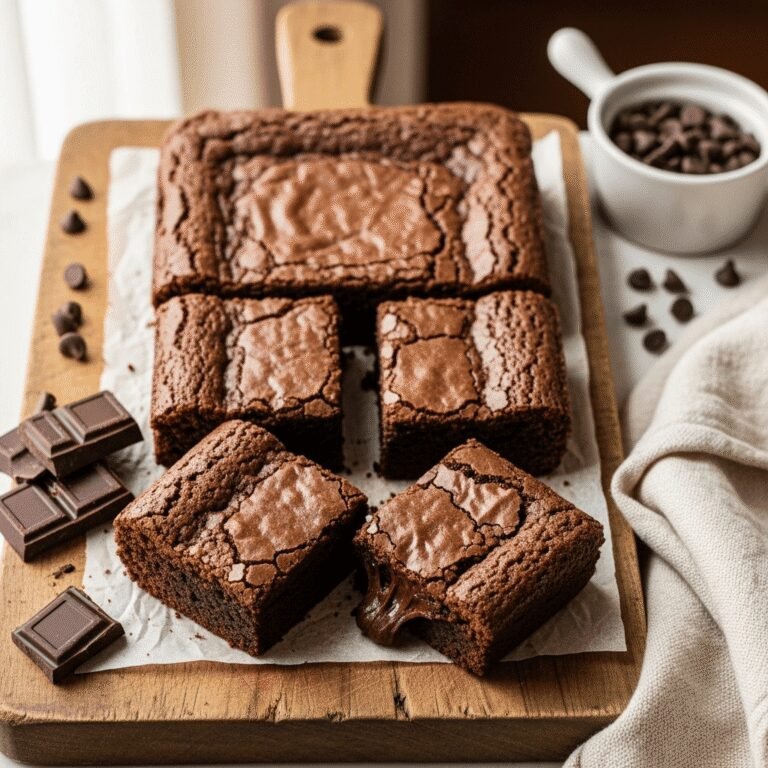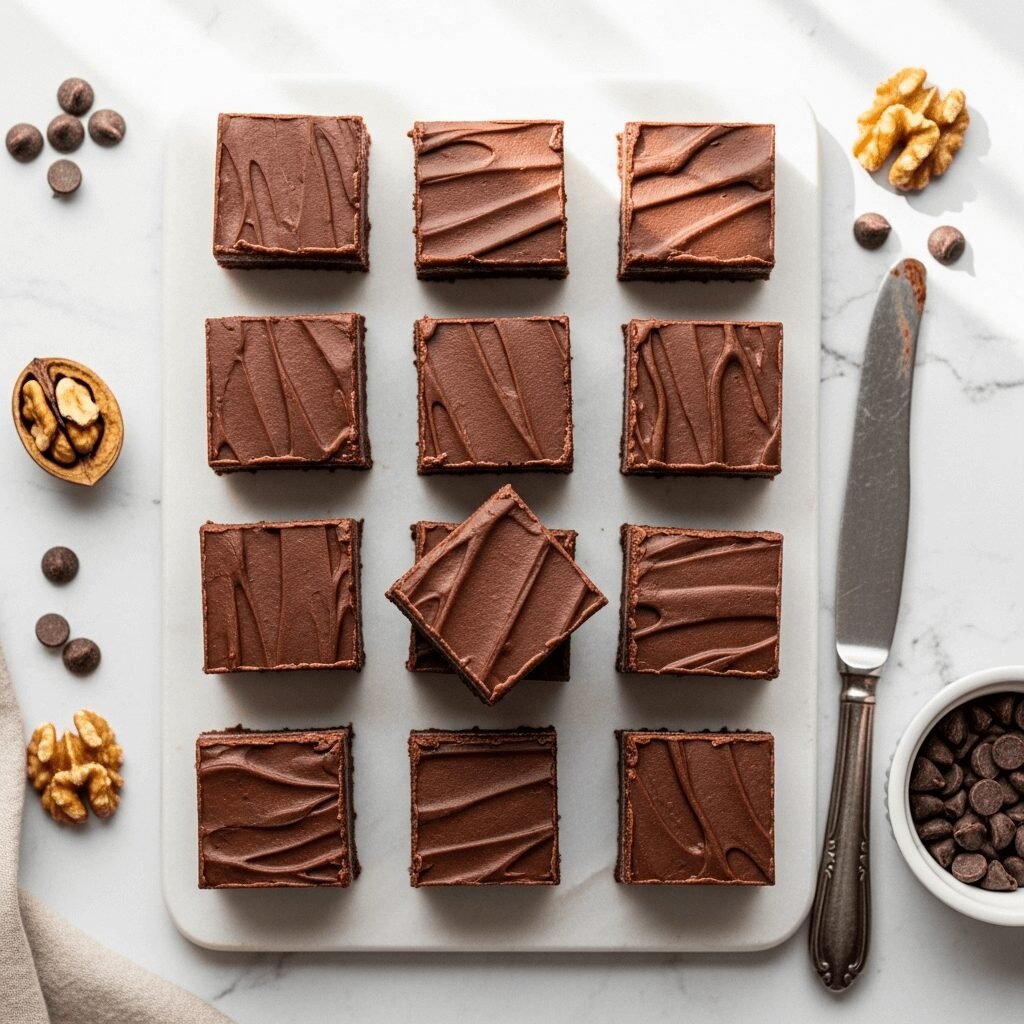
The Ultimate Easy Homemade Fudge Recipe (So Creamy & Perfect Every Time!)

There’s something truly magical about homemade fudge—that smooth, creamy, melt-in-your-mouth texture combined with rich chocolate flavor that store-bought versions just can’t match. This easy homemade fudge recipe is a classic American confection that’s been bringing joy to kitchens for generations, and today I’m sharing my foolproof method that works every single time.
Whether you’re making fudge for the holidays, packaging it as homemade gifts, or simply satisfying a chocolate craving, this recipe delivers professional-quality results without requiring a candy thermometer or any advanced techniques. Perfect for Christmas cookie trays, Valentine’s Day treats, bake sales, or just because you deserve something sweet, this creamy chocolate fudge comes together in about 15 minutes of active work and requires just a handful of simple ingredients you probably already have in your pantry.
What makes this fudge recipe special is its reliability—no grainy texture, no crystallization issues, and no guesswork. You’ll get perfectly smooth, rich fudge that cuts into beautiful squares and tastes absolutely divine. It’s become my go-to recipe whenever I need an impressive dessert that looks fancy but is secretly super simple to make.
History / Background
Fudge has a fascinating history that dates back to late 19th century America, and like many great recipes, it was supposedly created by accident. The most popular origin story places fudge’s invention in Baltimore, Maryland, around 1886, when a confectioner accidentally “fudged” a batch of caramels. The mistake resulted in a new, creamy candy that quickly became a sensation.
The word “fudge” itself is believed to come from the exclamation used when something goes wrong—but in this case, the mistake was absolutely delicious! By the 1890s, fudge had become wildly popular at women’s colleges across the Northeast, particularly at Vassar College, where students would make it in their dormitory rooms late at night. These “fudge parties” became so legendary that Vassar fudge recipes were circulated and treasured among students and alumni.
The early recipes were quite different from what we make today—they required careful temperature monitoring, lots of beating, and precise timing. As the recipe evolved through the decades, cooks discovered easier methods using marshmallow cream and condensed milk, which revolutionized home fudge-making in the 1950s and 1960s. These modern techniques eliminated much of the guesswork and made perfect fudge accessible to everyone.
Fudge has since become a staple of American candy culture, particularly during the holidays. Seaside towns like Mackinac Island, Michigan, became famous for their fudge shops, where visitors could watch confectioners make massive slabs on marble tables. Today, homemade fudge remains one of the most beloved holiday treats, showing up in Christmas gift boxes, Valentine’s Day care packages, and as a favorite item at bake sales and craft fairs across the country.
Why You’ll Love This Recipe
This homemade fudge recipe has earned its place as one of my most-requested desserts, and once you try it, you’ll understand why it’s been passed around among friends and family for years. It’s the kind of recipe that makes you look like a kitchen genius while requiring minimal effort—the best kind of recipe, right?
Here’s why this fudge recipe is about to become your new favorite:
- Foolproof and beginner-friendly – No candy thermometer needed, no complicated techniques, and virtually impossible to mess up
- Ready in under 30 minutes – From start to finish, including cooling time, you’ll have gorgeous fudge ready to enjoy
- Only 5 basic ingredients – Simple pantry staples create incredibly rich, professional-quality results
- Smooth and creamy every time – Say goodbye to grainy, crystallized fudge disasters
- Perfect for gifting – Makes beautiful homemade presents that people actually want to receive
- Endlessly customizable – Add nuts, swirls, extracts, or toppings to make it your own
- Budget-friendly – Costs a fraction of gourmet chocolate shop fudge
- Kid-friendly activity – Safe and fun enough to make with children (with adult supervision)
- Impressive presentation – Looks fancy and tastes expensive, but requires minimal skill
- Makes a generous batch – Yields about 3 dozen pieces, perfect for sharing or parties
Ingredient Notes
Let’s talk about what makes this fudge so incredibly delicious. Each ingredient plays a specific role in creating that perfect creamy texture and rich chocolate flavor.
Semi-Sweet Chocolate Chips (3 cups) – The star of the show! Semi-sweet chocolate chips provide the perfect balance of sweetness and deep chocolate flavor. They’re also convenient because they melt smoothly and consistently. You can substitute with milk chocolate chips for a sweeter fudge, dark chocolate chips for a more intense flavor, or even mix different types. High-quality chocolate makes a difference here—brands like Ghirardelli, Guittard, or even good store brands work beautifully.
Sweetened Condensed Milk (14 oz can) – This magical ingredient is the secret to foolproof fudge. The condensed milk provides sweetness, creaminess, and helps prevent crystallization—the main culprit behind grainy fudge. Do not substitute with evaporated milk or regular milk; they’re not the same thing! The sweetened condensed milk’s thick consistency and sugar content are essential for the proper texture.
Unsalted Butter (4 tablespoons) – Butter adds richness, helps with the smooth texture, and gives the fudge that melt-in-your-mouth quality. I prefer unsalted so I can control the salt level, but salted butter works too—just reduce or omit the additional salt. Make sure it’s cut into pieces for even melting.
Pure Vanilla Extract (1 tablespoon) – Don’t skip this! Vanilla enhances the chocolate flavor and adds depth. Pure vanilla extract tastes significantly better than imitation, especially in simple recipes like this where every ingredient shines through.
Salt (¼ teaspoon) – Just a pinch of salt balances the sweetness and makes the chocolate flavor pop. It’s a small amount but makes a noticeable difference in the overall taste.
Optional Add-ins – While the basic recipe is perfection on its own, you can fold in 1 cup of chopped walnuts, pecans, mini marshmallows, peppermint pieces, or even swirl in peanut butter for variation.
Equipment Needed
You don’t need any fancy equipment to make perfect fudge! Here’s what you’ll need:
- Medium heavy-bottomed saucepan – For melting and combining ingredients evenly
- 8×8-inch square baking pan – The perfect size for standard fudge thickness (9×9 works too)
- Parchment paper or aluminum foil – For lining the pan and easy removal
- Wooden spoon or heat-resistant silicone spatula – For stirring the mixture
- Sharp knife – For cutting clean squares once the fudge is set
- Measuring cups and spoons – For accurate ingredient measurements
- Cutting board – For slicing the finished fudge
Optional but helpful:
- Non-stick cooking spray – Makes removing fudge even easier
- Offset spatula – For spreading fudge evenly in the pan
- Microwave-safe bowl (if using microwave method)
The Ultimate Easy Homemade Fudge Recipe (So Creamy & Perfect Every Time!)

This classic homemade chocolate fudge recipe is smooth, creamy, and incredibly easy to make with just 5 simple ingredients. No candy thermometer required! Perfect for holidays, gifts, or anytime you’re craving rich, melt-in-your-mouth chocolate fudge that tastes better than anything from a candy shop.
- Prep Time: 10 minutes
- Cook Time: 5 minutes
- Total Time: 2 hours 15 minutes
- Yield: 36 pieces (approximately 1-inch squares) 1x
- Category: Dessert, Candy, Confection
- Method: Stovetop
- Cuisine: American
- Diet: Vegetarian
Ingredients
- 3 cups (18 oz) semi-sweet chocolate chips
- 1 can (14 oz) sweetened condensed milk
- 4 tablespoons (½ stick) unsalted butter, cut into pieces
- 1 tablespoon pure vanilla extract
- ¼ teaspoon salt
- Optional: 1 cup chopped walnuts or pecans
Instructions
- Prepare your pan: Line an 8×8-inch square baking pan with parchment paper or aluminum foil, leaving some overhang on the sides for easy removal. Lightly spray with non-stick cooking spray or brush with butter. Set aside.
- Combine base ingredients: In a medium heavy-bottomed saucepan, combine the chocolate chips, sweetened condensed milk, butter, and salt. Place over low heat.
- Melt the mixture: Stir constantly with a wooden spoon or heat-resistant spatula until the chocolate chips are completely melted and the mixture is smooth and glossy. This should take about 5-7 minutes. Keep the heat low to prevent scorching—patience is key here!
- Add vanilla: Once the mixture is completely smooth with no lumps, remove the saucepan from heat. Stir in the vanilla extract until well combined. The mixture should be thick, shiny, and beautifully smooth.
- Add mix-ins (optional): If you’re adding nuts or other mix-ins, fold them in now, working quickly before the fudge begins to set.
- Pour and spread: Immediately pour the fudge mixture into your prepared pan. Use a spatula to spread it evenly into all corners, smoothing the top surface. Work relatively quickly as the fudge will start to set.
- Cool completely: Allow the fudge to cool at room temperature for about 30 minutes, then transfer to the refrigerator for at least 2 hours or until completely firm and set.
- Cut into squares: Once fully set, use the parchment paper overhang to lift the fudge out of the pan. Place on a cutting board. Using a sharp knife (wiped clean between cuts for neat edges), cut into 1-inch squares or your desired size.
- Serve and enjoy: Arrange on a serving plate or package as gifts. Store in an airtight container with parchment paper between layers.
Notes
- Temperature is crucial: Keep the heat on low while melting to prevent the chocolate from seizing or burning. If the mixture looks grainy, your heat was too high.
- Microwave method: Combine chocolate chips, sweetened condensed milk, butter, and salt in a microwave-safe bowl. Microwave in 30-second intervals, stirring between each, until smooth (about 2-3 minutes total). Stir in vanilla and proceed with recipe.
- Clean cuts: For the neatest squares, warm your knife under hot water, dry it, then cut. Repeat between cuts.
- Consistency check: The mixture should be thick enough to hold its shape but still pourable. If it’s too thin, it may not set properly; if too thick, it will be difficult to spread.
- Don’t skip the cooling: The fudge needs adequate time to set completely or it will be too soft to cut cleanly.
Nutrition
- Serving Size: 1 piece (1-inch square)
- Calories: 95
- Sugar: 13g
- Sodium: 25mg
- Fat: 4.5g
- Saturated Fat: 2.8g
- Unsaturated Fat: 1.5g
- Trans Fat: 0g
- Carbohydrates: 14g
- Fiber: 0.5g
- Protein: 1.5g
- Cholesterol: 6mg
Note: Nutrition information is approximate and will vary based on specific ingredients used and exact portion sizes.
Tips & Variations
The beauty of this fudge recipe is how easily you can customize it to suit your tastes or the occasion. Here are some of my favorite ways to switch things up:
Flavor Variations:
- Peppermint Fudge: Substitute vanilla with peppermint extract (use ½ teaspoon as it’s stronger) and top with crushed candy canes
- Peanut Butter Swirl: Warm ½ cup peanut butter and swirl it into the fudge with a knife before cooling
- Cookies and Cream: Fold in 1 cup crushed Oreo cookies
- Salted Caramel: Drizzle with caramel sauce and sprinkle with flaky sea salt before setting
- Espresso Chocolate: Add 1 tablespoon instant espresso powder with the chocolate
- Rocky Road: Fold in mini marshmallows, chopped nuts, and chocolate chips
- White Chocolate: Use white chocolate chips instead of semi-sweet for a completely different flavor profile
Topping Ideas:
- Sprinkle with flaky sea salt immediately after pouring into the pan
- Top with toasted nuts, coconut flakes, or mini chocolate chips
- Drizzle with melted white chocolate or dark chocolate for a decorative finish
- Add sprinkles for festive holiday fudge
- Create layers by making multiple batches in different flavors
Dietary Modifications:
- Dairy-Free: Use dairy-free chocolate chips and substitute coconut condensed milk for regular condensed milk
- Vegan: Follow dairy-free modifications and use vegan butter
- Sugar-Free: This is trickier, but you can use sugar-free chocolate chips and sugar-free condensed milk alternatives (results may vary in texture)
Pro Chef Tips
These professional techniques will take your fudge from good to absolutely phenomenal:
Use Quality Chocolate: The chocolate you choose directly impacts the final flavor. Invest in good-quality chocolate chips—brands like Ghirardelli, Guittard, or Callebaut make a noticeable difference. Avoid super cheap chocolate chips as they often contain stabilizers that can affect texture.
Low and Slow Melting: The biggest mistake people make is heating chocolate too quickly. Keep your heat on low and stir constantly. Chocolate can seize (become grainy and lumpy) if exposed to high heat or moisture. Patience here pays off with silky-smooth fudge.
Room Temperature Condensed Milk: Take your sweetened condensed milk out of the fridge about 30 minutes before starting. Room temperature condensed milk combines more smoothly with the chocolate and reduces the risk of temperature shock that can cause graininess.
The Wooden Spoon Test: Your fudge mixture is ready when it’s thick, glossy, and holds its shape slightly when you lift the spoon. If it’s too thin and runny, cook it a bit longer while stirring. If it’s too thick and difficult to pour, you’ve cooked it too long—next time, remove it from heat sooner.
Work Quickly After Removing from Heat: Once you add the vanilla and remove the pan from heat, the fudge begins to set relatively quickly. Have your pan prepared and ready so you can pour and spread immediately for the smoothest finish.
Proper Cooling Progression: Let the fudge cool at room temperature first (about 30 minutes) before refrigerating. This gradual temperature change helps prevent cracking or texture issues. The final refrigeration ensures it sets completely firm for clean cutting.
Sharp Knife, Clean Cuts: For professional-looking squares, use a large sharp knife and wipe it clean with a damp towel between each cut. You can also spray the knife lightly with cooking spray. Long, smooth strokes work better than sawing motions.
Double Boiler Method: For even more control, melt your ingredients in a double boiler (a bowl set over simmering water) rather than directly in a saucepan. This gentle indirect heat virtually eliminates the risk of overheating.
Common Mistakes to Avoid
Even with an easy recipe like this, a few common pitfalls can affect your results. Here’s what to watch out for:
Heating Too Quickly: Cranking up the heat to speed things along is the fastest way to ruin fudge. High heat causes chocolate to seize, becoming grainy and stiff instead of smooth. Always use low heat and be patient. If your chocolate does seize, try whisking in a tablespoon of warm water or cream to bring it back—sometimes it works!
Using the Wrong Milk Product: Sweetened condensed milk is NOT the same as evaporated milk or regular milk. Sweetened condensed milk is thick, sweet, and has had most of its water removed. Using the wrong product will result in fudge that doesn’t set properly. Always double-check your can before starting.
Not Lining the Pan: Trust me on this—skip the pan liner and you’ll regret it when trying to remove the fudge. Parchment paper or foil with overhanging edges makes removal effortless. Going straight into an unlined pan, even a greased one, often results in broken, stuck fudge pieces.
Cutting Too Soon: I know it’s tempting to dive right in, but cutting fudge before it’s completely set results in messy, misshapen pieces. Wait the full 2 hours minimum in the refrigerator. Properly set fudge cuts cleanly and holds its shape beautifully.
Overbeating or Overstirring After Cooking: Once you remove the mixture from heat and add the vanilla, stir just enough to combine, then pour. Excessive stirring at this stage can introduce air bubbles or encourage crystallization, affecting the smooth texture. Mix until combined, then immediately pour into your pan.
Storing Improperly: Fudge can dry out if left uncovered or absorb odors from other foods. Always store in an airtight container with parchment or wax paper between layers. Room temperature storage works for a few days, but refrigeration extends shelf life significantly.
Storage & Meal Prep
Proper storage keeps your homemade fudge fresh and delicious for weeks! Here’s everything you need to know:
Room Temperature Storage: Fudge can be kept at room temperature for up to 1 week. Store in an airtight container in a cool, dry place away from direct sunlight and heat sources. Place parchment or wax paper between layers to prevent sticking. This method works best in cooler climates—in hot weather, fudge can become soft and sticky.
Refrigerator Storage: For longer storage, refrigerate your fudge in an airtight container for up to 3 weeks. Again, use parchment paper between layers. The cold helps maintain firmness and texture, especially during warm weather. Let refrigerated fudge sit at room temperature for about 10-15 minutes before serving for the best flavor and texture.
Freezer Storage: Fudge freezes beautifully! Wrap individual pieces or the entire batch tightly in plastic wrap, then place in a freezer-safe container or heavy-duty freezer bag. Properly stored, fudge keeps in the freezer for up to 3 months. Remove as much air as possible to prevent freezer burn.
Reheating/Thawing: There’s no need to reheat fudge—it’s meant to be enjoyed at cool room temperature or straight from the fridge. When thawing frozen fudge, transfer it to the refrigerator overnight, then let it come to room temperature before serving. Avoid thawing at room temperature as condensation can form on the surface.
Gift Packaging Storage: If you’re making fudge for gifts, wrap pieces individually in wax paper or cellophane, place in decorative tins or boxes, and store in a cool place. Include a note with storage instructions. Gifted fudge is best enjoyed within 2 weeks for optimal freshness.
Make-Ahead & Freezer Notes
This fudge recipe is perfect for make-ahead preparation, making it ideal for holiday gift-giving, party planning, or whenever you want to have a sweet treat ready!
Make-Ahead Timeline:
- 1-2 weeks ahead: Make your fudge and store it in the refrigerator. This actually works wonderfully for gift-giving since it gives you time to prepare beautiful packaging.
- Up to 3 months ahead: Make and freeze the fudge. This is perfect for holiday planning—make batches in October and November, then pull them out as needed through December.
- Day-before preparation: Make the fudge the day before your event. It’s actually better when it has time to fully set and the flavors meld together.
Freezing Instructions: The best way to freeze fudge is to cut it into pieces first, then freeze. This allows you to remove just what you need. Wrap the entire batch tightly in plastic wrap, then aluminum foil. Or, wrap individual pieces in wax paper, place them in a freezer-safe container with parchment between layers, and freeze. Label with the date and flavor if you’re making multiple varieties.
Thawing for Best Results: Transfer frozen fudge to the refrigerator 24 hours before you need it. This slow thawing prevents condensation and texture changes. For faster thawing, let it sit at room temperature for 1-2 hours, though the refrigerator method yields better texture. Never microwave frozen fudge to thaw—it will become unevenly soft and potentially grainy.
Gift-Giving Strategy: Make multiple batches of fudge over several weeks and freeze them. A week before giving gifts, thaw the fudge in the refrigerator, then package it in decorative boxes or tins. This spreads out the work and ensures you’re not frantically making fudge at the last minute during the busy holiday season.
Serving Suggestions
While fudge is absolutely perfect on its own, here are some creative ways to serve and enjoy it:
Classic Presentations:
- Arrange on a decorative platter alongside other holiday cookies and candies
- Layer in clear glass jars for a beautiful gift presentation
- Serve on a candy buffet at parties, weddings, or celebrations
- Package in small gift boxes tied with ribbons for party favors
Pairing Ideas:
- Coffee or espresso: The slight bitterness of coffee perfectly complements rich chocolate fudge
- Port wine or dessert wine: A sophisticated after-dinner pairing for adult gatherings
- Fresh berries: Strawberries or raspberries provide a fresh contrast to the rich chocolate
- Ice cream: Crumble fudge over vanilla or coffee ice cream for an indulgent sundae
- Hot chocolate: Serve small squares alongside rich hot cocoa for a chocolate lover’s dream
Creative Uses:
- Chop into chunks and fold into brownies or blondies before baking
- Crumble over cheesecake or cream pies as a decadent topping
- Melt pieces into warm milk for the ultimate hot chocolate
- Dice and use as a topping for gourmet cupcakes or layer cakes
- Create a fudge board with different flavored fudges, nuts, fruits, and crackers
Holiday-Specific Ideas:
- Christmas: Package in festive tins with peppermint or candy cane variations
- Valentine’s Day: Cut with small heart-shaped cookie cutters and package in pretty boxes
- Easter: Make pastel white chocolate fudge variations and decorate with spring sprinkles
- Mother’s Day/Father’s Day: Create personalized gift boxes with their favorite fudge flavors
- Thanksgiving: Include in dessert spreads alongside pies and cakes
FAQs Section
Q: Why is my fudge grainy instead of smooth?
A: Graininess usually happens when sugar crystals form, typically caused by cooking at too high a temperature or stirring too much after removing from heat. To fix this for next time, keep heat on low throughout cooking, stir constantly but gently, and once you remove from heat and add vanilla, stir just until combined then immediately pour. Also ensure your condensed milk is well-incorporated without lumps.
Q: Can I make fudge without sweetened condensed milk?
A: Sweetened condensed milk is really the magic ingredient that makes this recipe foolproof. There are traditional fudge recipes that use sugar, cream, and butter instead, but they require candy thermometers and are much trickier. If you absolutely need to substitute, you can make homemade sweetened condensed milk by simmering milk with sugar until reduced and thickened, but the store-bought version is so convenient and reliable.
Q: My fudge didn’t set properly and stayed soft—what happened?
A: Soft fudge usually means the mixture wasn’t heated enough or wasn’t given adequate cooling time. The chocolate and condensed milk need to be fully melted and combined (smooth and glossy) before removing from heat. Also ensure you’re refrigerating for the full 2 hours minimum. If your fudge is still too soft after proper cooling, try placing it in the freezer for 30 minutes—sometimes that helps it firm up.
Q: Can I use milk chocolate or dark chocolate instead of semi-sweet?
A: Absolutely! Milk chocolate will give you sweeter, creamier fudge—great for kids. Dark chocolate (60-70% cacao) creates a more sophisticated, less sweet fudge that adults often prefer. You can even mix different types of chocolate chips. Just remember that very dark chocolate (above 70%) might result in less sweet fudge, so adjust to your taste preference.
Q: How do I get clean, professional-looking cuts?
A: The key is a sharp knife, proper setting time, and patience. After the fudge is fully set, use a large chef’s knife that you’ve warmed under hot water and dried. Make smooth, continuous cuts rather than sawing motions. Wipe the knife clean and re-warm between each cut. Some people also lightly spray their knife with cooking spray. If you’re still having trouble, try placing the whole slab in the freezer for 15-20 minutes before cutting—slightly frozen fudge cuts very cleanly.
Q: Can I halve or double this recipe?
A: Yes, but with considerations. Halving works well—use a smaller pan (like a loaf pan) and keep everything else proportional. Doubling is trickier because larger quantities require more careful heat management. If doubling, I’d recommend making two separate batches rather than one huge batch, as it’s easier to control the melting process and ensures consistent results.
Q: Why does my fudge have a weird texture on top after refrigerating?
A: Sometimes condensation forms on fudge when it’s cooling, or fats can separate slightly, creating a thin film or spots on top. This is usually cosmetic and doesn’t affect flavor. To minimize this, let the fudge cool at room temperature first before refrigerating, and make sure it’s covered well. You can also gently smooth the top with a paper towel or trim a thin layer off if needed before serving.
Conclusion
There you have it—the ultimate guide to making perfect homemade chocolate fudge! This recipe has been my go-to for years whenever I need an impressive but easy dessert that never fails to delight. The beauty of this fudge lies in its simplicity—just five basic ingredients and minimal effort create something truly spectacular that rivals anything you’d find in an expensive chocolate shop.
Whether you’re preparing treats for the holidays, making homemade gifts that come from the heart, satisfying a chocolate craving, or just want to spend some quality time in the kitchen creating something delicious, this fudge recipe is your answer. The smooth, creamy texture and rich chocolate flavor are absolutely irresistible, and I promise you’ll be amazed at how easy it is to achieve professional-quality results at home.
I’d absolutely love to hear how your fudge turns out! Did you try any of the flavor variations? Are you making it for a special occasion? Drop a comment below and let me know. And if you loved this recipe, please share it on Pinterest so other home cooks can discover the joy of easy homemade fudge too. Your friends and family are going to be begging you to make this again and again—consider yourself warned!
Happy fudge-making, and enjoy every creamy, chocolatey bite! 🍫