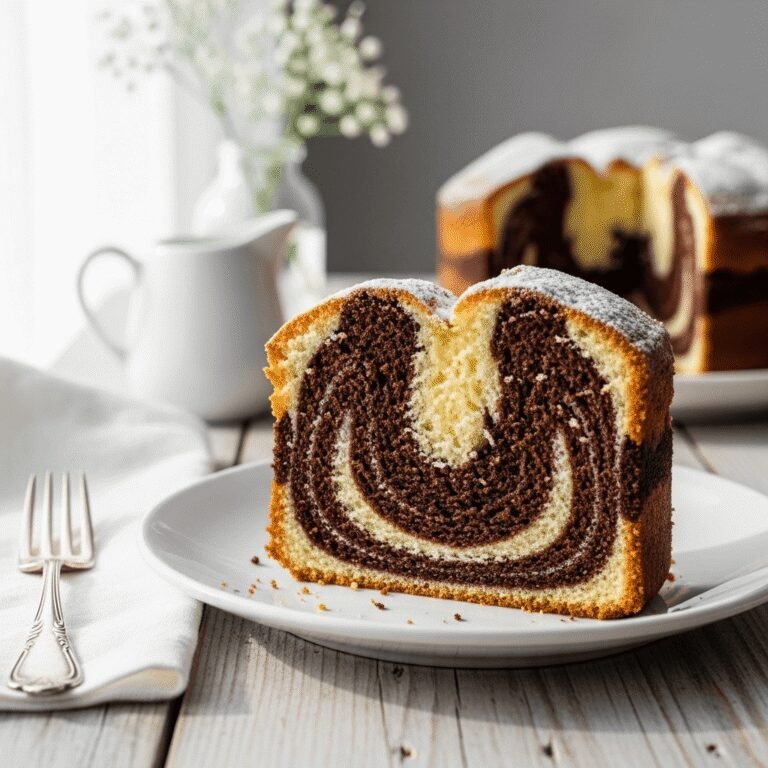
Classic Bread Pudding Recipe – Warm, Comforting & Easy to Make

There’s something magical about bread pudding. This timeless dessert transforms simple, everyday ingredients—stale bread, eggs, milk, and sugar—into a warm, custardy masterpiece that feels like a hug in a bowl. Whether you’re serving it for a cozy family dinner, a holiday gathering, or just treating yourself on a chilly evening, this classic bread pudding recipe delivers comfort and nostalgia in every bite.
Bread pudding is the ultimate comfort food dessert that’s been loved across generations. It’s incredibly versatile, budget-friendly, and forgiving—perfect for home cooks of all skill levels. You can enjoy it warm with a drizzle of vanilla sauce, caramel, or even a scoop of ice cream. This easy bread pudding recipe is perfect for using up leftover bread while creating something absolutely delicious that your whole family will request again and again.
History / Background
Bread pudding has a fascinating history that dates back centuries, rooted in the practical wisdom of frugal home cooks who refused to waste a single morsel of food. The origins of bread pudding can be traced to 11th and 12th century England, where it was known as “poor man’s pudding.” During times when food was scarce and every ingredient was precious, resourceful cooks discovered that stale, hardened bread could be transformed into something delicious rather than being thrown away.
The concept was brilliantly simple: soak old bread in a mixture of milk, eggs, and whatever sweetener was available—honey, molasses, or sugar—then bake it until it formed a custardy, comforting dessert. This ingenious recipe quickly spread throughout Europe, with each country and region adding their own cultural twist. In France, it became “pain perdu” (lost bread), while Germans called it “Scheiterhaufen” (funeral pyre), named for its layered appearance.
When European settlers arrived in America, they brought their bread pudding traditions with them. The dessert became especially beloved in New Orleans, where it evolved into an iconic dish of Southern cuisine. New Orleans-style bread pudding, often made with French bread and served with a decadent whiskey or bourbon sauce, became a staple in restaurants and home kitchens throughout Louisiana. The city’s influence elevated bread pudding from a humble peasant dish to a celebrated dessert worthy of fine dining establishments.
Today, bread pudding remains popular worldwide, with countless variations reflecting local tastes and ingredients. From chocolate chip bread pudding to savory versions made with cheese and herbs, this versatile dish continues to evolve while maintaining its essence as a comforting, waste-reducing recipe that turns the ordinary into something extraordinary.
Why You’ll Love This Recipe
This classic bread pudding recipe is about to become your new favorite dessert, and here’s why: it combines simplicity with incredible flavor, making it perfect for both beginner bakers and experienced home cooks. The beauty of this recipe lies in its ability to transform humble ingredients into something that tastes like it came from a fancy bakery, all while being incredibly easy to prepare.
Here’s what makes this bread pudding absolutely irresistible:
- Budget-Friendly: Uses leftover or day-old bread, making it an economical dessert that doesn’t sacrifice flavor
- Beginner-Friendly: Simple mixing and baking process with no complicated techniques required
- Incredibly Versatile: Customize with your favorite add-ins like chocolate chips, raisins, nuts, or seasonal fruits
- Make-Ahead Friendly: Perfect for meal prep and can be assembled the night before for easy entertaining
- Crowd-Pleaser: Loved by kids and adults alike—a guaranteed hit at potlucks and family gatherings
- Comforting Texture: Creamy, custardy interior with slightly crispy edges that create the perfect contrast
- Warm & Cozy: The ultimate comfort food that fills your kitchen with heavenly aromas of cinnamon and vanilla
- Flexible Timing: Can be served warm, at room temperature, or even cold—delicious any way you enjoy it
- Uses Pantry Staples: Made with ingredients you likely already have on hand
- Portion Control: Easy to cut into individual servings and reheats beautifully for dessert throughout the week
Ingredient Notes
Understanding your ingredients is key to making the perfect bread pudding. Here’s what you’ll need and why each component matters:
Bread: The star of the show! Day-old or slightly stale bread works best because it absorbs the custard mixture without becoming too mushy. French bread, challah, brioche, or even plain white sandwich bread all work beautifully. Avoid fresh, soft bread as it can turn into mush. If your bread is fresh, cube it and leave it out overnight or toast it lightly in the oven for 10 minutes.
Eggs: These create the custardy texture that makes bread pudding so luxurious. They bind everything together and give the pudding its rich, velvety consistency. Don’t skimp on eggs—they’re essential for structure.
Whole Milk: Provides creaminess and helps create that perfect custard. You can substitute with half-and-half for an even richer dessert, or use 2% milk if you prefer a lighter version. Avoid skim milk as it won’t provide enough richness.
Heavy Cream: Adds extra richness and creates that melt-in-your-mouth texture. You can use all milk if you prefer, but the cream takes this dessert to the next level.
Granulated Sugar: Sweetens the custard and helps create a slightly caramelized top. You can adjust the amount based on your sweetness preference.
Vanilla Extract: Essential for that classic, warm flavor. Use pure vanilla extract rather than imitation for the best taste.
Cinnamon: Adds warmth and depth of flavor. Freshly ground cinnamon provides the most aromatic result.
Nutmeg: A pinch adds complexity and that nostalgic, homey flavor. Always use freshly grated if possible.
Salt: A small amount enhances all the other flavors and balances the sweetness.
Butter: Adds richness and helps create those delicious crispy edges. Use unsalted butter so you can control the salt level.
Optional Raisins or Dried Fruit: Traditional additions that add pockets of sweetness and texture. You can substitute with chocolate chips, dried cranberries, or omit entirely.
Equipment Needed
Gathering your equipment before you start makes the baking process smooth and enjoyable. Here’s what you’ll need:
- 9×13-inch Baking Dish: The standard size for this recipe, perfect for serving a crowd
- Large Mixing Bowl: For whisking together the custard mixture
- Medium Mixing Bowl: For holding the bread cubes
- Whisk: Essential for creating a smooth, lump-free custard
- Measuring Cups and Spoons: For accurate ingredient measurements
- Sharp Knife: For cutting bread into even cubes
- Cutting Board: For prep work
- Pastry Brush or Paper Towel: For greasing the baking dish
- Aluminum Foil: For covering the pudding during the first part of baking
- Oven Mitts: For safe handling of hot dishes
- Wire Cooling Rack: For cooling the finished pudding
- Serving Spatula: For cutting and serving neat portions
Classic Bread Pudding Recipe – Warm, Comforting & Easy to Make

This classic bread pudding recipe is the ultimate comfort dessert that transforms day-old bread into a warm, custardy masterpiece. With a perfectly creamy interior, hints of cinnamon and vanilla, and slightly crispy edges, this easy homemade bread pudding is perfect for family dinners, holiday gatherings, or whenever you’re craving something sweet and nostalgic.
- Prep Time: 15 minutes
- Cook Time: 45 minutes
- Total Time: 1 hour (plus 10 minutes soaking time) Yield: 12 servings
- Yield: 12 servings 1x
- Category: Dessert
- Method: Baking
- Cuisine: American
- Diet: Vegetarian
Ingredients
- 1 pound (about 10 cups) day-old bread, cut into 1-inch cubes (French bread, challah, or brioche work best)
- 4 large eggs
- 2 cups whole milk
- 1 cup heavy cream
- ¾ cup granulated sugar
- 2 teaspoons pure vanilla extract
- 1½ teaspoons ground cinnamon
- ¼ teaspoon ground nutmeg
- ¼ teaspoon salt
- 4 tablespoons unsalted butter, melted, plus more for greasing
- ½ cup raisins or dried cranberries (optional)
For Optional Vanilla Sauce:
- ½ cup unsalted butter
- 1 cup granulated sugar
- ½ cup heavy cream
- 1 tablespoon vanilla extract
Instructions
- Preheat and Prep: Preheat your oven to 350°F (175°C). Generously butter a 9×13-inch baking dish and set aside. If your bread is fresh rather than day-old, spread the cubed bread on a baking sheet and toast in the oven for 10 minutes to dry it out slightly.
- Prepare the Bread: Place the bread cubes in a large mixing bowl. If using raisins or dried fruit, add them to the bread cubes and toss to distribute evenly.
- Make the Custard: In a separate large bowl, whisk together the eggs until well beaten. Add the milk, heavy cream, sugar, vanilla extract, cinnamon, nutmeg, and salt. Whisk vigorously until the mixture is completely smooth and the sugar has dissolved.
- Combine: Pour the melted butter over the bread cubes and toss gently to coat. Then pour the custard mixture over the bread, pressing down gently with a spatula or your hands to ensure all the bread cubes are soaked. Let the mixture sit for 10 minutes, pressing down occasionally to help the bread absorb the custard.
- Transfer and Cover: Pour the entire mixture into your prepared baking dish, spreading it evenly. Cover the dish tightly with aluminum foil.
- Bake Covered: Place the covered dish in the preheated oven and bake for 30 minutes. This initial covered baking helps the custard set without over-browning the top.
- Uncover and Finish: Remove the foil and continue baking for an additional 15-20 minutes, or until the top is golden brown and the center is set. A knife inserted in the center should come out mostly clean with just a few moist crumbs. The internal temperature should reach 160°F.
- Cool Slightly: Remove from the oven and let the bread pudding cool for 10-15 minutes before serving. This allows the custard to set further and makes it easier to cut into neat portions.
- Make the Vanilla Sauce (Optional): While the pudding bakes, combine butter, sugar, and cream in a small saucepan over medium heat. Bring to a gentle boil, stirring constantly, then reduce heat and simmer for 5 minutes until slightly thickened. Remove from heat and stir in vanilla extract.
- Serve: Cut the bread pudding into squares and serve warm with a generous drizzle of vanilla sauce, caramel sauce, or a scoop of vanilla ice cream.
Notes
- Bread Texture: Stale or day-old bread is crucial for the best texture. Fresh bread becomes too mushy. If you only have fresh bread, toast it lightly first.
- Soaking Time: Don’t skip the 10-minute soaking period—it ensures every piece of bread absorbs the custard for maximum flavor and creaminess.
- Testing Doneness: The center should be set but still have a slight jiggle. It will continue to firm up as it cools. Overbaking creates a dry, tough texture.
- Serving Temperature: While best served warm, bread pudding is also delicious at room temperature or even cold the next day.
- Scaling: This recipe can easily be halved and baked in an 8×8-inch dish for smaller gatherings.
Nutrition
- Serving Size: 1 slice (1/12 of recipe)
- Calories: 345
- Sugar: 28g
- Sodium: 245mg
- Fat: 16g
- Saturated Fat: 9g
- Unsaturated Fat: 6g
- Trans Fat: 0g
- Carbohydrates: 42g
- Fiber: 2g
- Protein: 8g
- Cholesterol: 115mg
Tips & Variations
The beauty of bread pudding is its incredible versatility. Here are some creative ways to customize this classic recipe:
Chocolate Lover’s Version: Stir in 1 cup of chocolate chips (dark, milk, or white) or chunks of chopped chocolate for a decadent twist. You can also add 2 tablespoons of cocoa powder to the custard mixture.
Bourbon or Rum Bread Pudding: Add 2-3 tablespoons of bourbon, rum, or brandy to the custard mixture for that classic New Orleans-style flavor. This adult version is perfect for holiday gatherings.
Fruit-Filled Variations: Replace raisins with fresh or frozen blueberries, diced apples, sliced bananas, or mixed berries. Peach bread pudding is spectacular in summer months.
Nutty Addition: Toast ½ cup of chopped pecans, walnuts, or almonds and fold them into the bread mixture for extra crunch and flavor.
Pumpkin Spice Version: Add ½ cup pumpkin puree to the custard and increase the cinnamon to 2 teaspoons. Add ½ teaspoon each of ground ginger and cloves for a perfect fall dessert.
Savory Bread Pudding: Omit the sugar, vanilla, and spices. Add 1½ cups shredded cheese, herbs like thyme or rosemary, and cooked vegetables or bacon for a savory side dish.
Lighter Version: Use 2% milk instead of whole milk, substitute half the heavy cream with additional milk, and reduce sugar to ½ cup. Use egg substitute if desired.
Caramel Apple: Fold in 2 cups of diced apples sautéed in butter with brown sugar, and drizzle finished pudding with warm caramel sauce.
Pro Chef Tips
Take your bread pudding from good to absolutely extraordinary with these professional techniques:
Choose the Right Bread: Professional bakers prefer brioche, challah, or French bread for the richest flavor and best texture. These breads have more eggs and butter, creating a more luxurious final product. Avoid sandwich bread with preservatives if possible.
Perfect Bread-to-Custard Ratio: The key is ensuring every bread cube is well-soaked but not swimming in liquid. If your bread is very dry and dense, you might need to add an extra ½ cup of milk. The mixture should look glossy and moist but not soupy.
Temperature Matters: Bring eggs and dairy to room temperature before mixing. This helps create a smoother custard and ensures more even baking. Cold ingredients can cause the mixture to curdle or cook unevenly.
The Water Bath Method: For an ultra-creamy, restaurant-quality texture, place your baking dish inside a larger roasting pan filled with hot water halfway up the sides (bain-marie). This gentle, even heat prevents the edges from overcooking while the center sets perfectly.
Don’t Rush the Cooling: Allowing the bread pudding to rest for 15-20 minutes after baking is crucial. This setting time allows the custard to firm up, making it easier to cut clean slices and improving the overall texture.
Enhance the Top: For an extra-special touch, sprinkle the top with coarse sugar (turbinado or demerara) before the final uncovered baking phase. This creates a beautiful, crunchy caramelized crust.
Layer Your Flavors: Instead of mixing everything together, try layering half the bread, sprinkling with raisins and cinnamon sugar, adding the remaining bread, then pouring the custard over top. This creates lovely flavor pockets throughout.
Make Individual Portions: Bake the bread pudding in individual ramekins for elegant single servings. Reduce baking time to 25-30 minutes total. This presentation is perfect for dinner parties.
Common Mistakes to Avoid
Even simple recipes can go wrong. Here’s how to avoid the most common bread pudding pitfalls:
Using Fresh, Soft Bread: This is the number one mistake! Fresh bread contains too much moisture and becomes mushy rather than custardy. Always use day-old bread or toast fresh bread lightly before using. The bread should feel slightly firm and dry to the touch.
Skipping the Soaking Time: Rushing the process by pouring the custard over bread and immediately baking prevents proper absorption. The bread needs time to soak up the liquid. Press down on the bread several times during the 10-minute rest to ensure even saturation.
Overbaking: Bread pudding should be removed from the oven when the center still has a slight jiggle. It will continue cooking from residual heat as it cools. An overbaked bread pudding becomes dry, tough, and loses that signature creamy texture. Check it at 40 minutes and watch carefully.
Not Greasing the Pan Properly: Bread pudding can stick tenaciously to an ungreased or lightly greased pan. Use plenty of butter and make sure to coat the corners and sides thoroughly. You can also line with parchment paper for foolproof removal.
Wrong Pan Size: Using a pan that’s too small causes uneven cooking with a raw center, while too large a pan results in a thin, dry pudding. Stick with the recommended 9×13-inch dish, or adjust baking time accordingly if using different sizes.
Cutting Too Soon: Slicing into bread pudding immediately after removing from the oven causes it to fall apart and the custard to run. Patience is key—let it rest and set for at least 10-15 minutes for clean, beautiful slices.
Not Adjusting for Bread Density: Dense, artisan breads absorb more liquid than lighter breads. If using a very dense bread, you may need to add an extra ½ cup of milk to achieve the right consistency.
Storage & Meal Prep
Bread pudding stores wonderfully, making it perfect for meal prep and enjoying throughout the week:
Refrigerator Storage: Allow the bread pudding to cool completely to room temperature. Cover the baking dish tightly with plastic wrap or aluminum foil, or transfer portions to airtight containers. Store in the refrigerator for up to 5 days. The flavors actually develop and deepen over time, making day-two bread pudding especially delicious.
Reheating Instructions: For best results, reheat individual portions in the microwave for 30-60 seconds, or cover the entire dish with foil and warm in a 300°F oven for 15-20 minutes until heated through. You can also reheat slices in a toaster oven for slightly crispy edges. Add a tablespoon of milk or cream before reheating if the bread pudding seems dry.
Freezing Cooked Bread Pudding: Wrap the cooled baking dish tightly in plastic wrap, then cover with aluminum foil. Alternatively, cut into individual portions and wrap each piece separately for easier thawing. Freeze for up to 3 months. To serve, thaw overnight in the refrigerator, then reheat as directed above.
Shelf Life: At room temperature, bread pudding should not sit out for more than 2 hours due to the dairy and eggs. Always refrigerate leftovers promptly for food safety.
Texture After Storage: Refrigerated bread pudding becomes slightly firmer but maintains its delicious flavor. The custard sets more completely, which some people actually prefer. Reheating brings back much of the original soft, creamy texture.
Make-Ahead & Freezer Notes
Bread pudding is one of the most make-ahead-friendly desserts, perfect for stress-free entertaining:
Assemble the Night Before: This is the best make-ahead method! Prepare the entire recipe through step 5 (before baking), cover tightly with plastic wrap, and refrigerate overnight. The extended soaking time actually improves the texture as the bread fully absorbs the custard. The next day, remove from the refrigerator, let sit at room temperature for 20 minutes while the oven preheats, then bake as directed. You may need to add 5-10 minutes to the covered baking time since you’re starting with a cold dish.
Prepare Components Separately: You can cube the bread up to 2 days ahead and store in an airtight container. Whisk together the custard mixture and refrigerate for up to 24 hours. Combine just before baking.
Freezing Unbaked Bread Pudding: Assemble the recipe completely but don’t bake. Cover tightly with plastic wrap and foil, then freeze for up to 2 months. To bake, thaw overnight in the refrigerator, bring to room temperature for 30 minutes, then bake as directed, adding an extra 10 minutes if needed.
Freezing Baked Bread Pudding: As mentioned in the storage section, fully baked and cooled bread pudding freezes beautifully. Wrap individual portions for grab-and-go convenience. This is perfect for meal prep or having dessert ready whenever a craving strikes.
Best Thawing Method: Always thaw frozen bread pudding in the refrigerator overnight rather than at room temperature. This prevents the custard from separating and maintains food safety. For quick thawing, use the defrost setting on your microwave, checking every 2 minutes.
Make the Sauce Ahead: The optional vanilla sauce can be made up to 1 week ahead and stored in the refrigerator. Reheat gently in the microwave or on the stovetop, stirring frequently, before serving.
Serving Suggestions
Bread pudding is incredibly versatile and pairs beautifully with many accompaniments. Here are delicious ways to serve this comforting dessert:
Classic Toppings:
- Warm vanilla sauce, caramel sauce, or bourbon sauce drizzled generously over the top
- A scoop of vanilla ice cream or whipped cream melting over the warm pudding
- Fresh whipped cream with a dusting of cinnamon
- Crème anglaise (vanilla custard sauce) for an elegant French presentation
Beverage Pairings:
- Hot coffee or espresso—the richness complements the sweet custard perfectly
- Hot chocolate for an extra-indulgent dessert experience
- Warm spiced cider during fall and winter months
- Dessert wines like Moscato, Port, or late-harvest Riesling
- Irish coffee for an adult after-dinner treat
Side Accompaniments:
- Fresh berries (strawberries, raspberries, or blueberries) for a pop of color and tartness
- Sliced bananas with a drizzle of honey
- Toasted pecans or walnuts sprinkled on top for extra crunch
- A dusting of powdered sugar for a beautiful presentation
- Maple syrup for a breakfast-inspired twist
Complete Dessert Spreads: Serve bread pudding as part of a dessert buffet alongside apple crisp, pecan pie, or pumpkin cheesecake for holiday gatherings. It’s also wonderful as a brunch dessert, paired with fresh fruit salad and coffee.
Plating Tips for Special Occasions: Cut neat squares and place on individual dessert plates. Add a quenelle of ice cream or whipped cream to the side, drizzle sauce artistically around the plate, and garnish with fresh mint leaves or a cinnamon stick for restaurant-quality presentation.
FAQs Section
Can I use gluten-free bread for this recipe? Absolutely! Gluten-free bread works well in bread pudding. Use your favorite gluten-free bread variety (white, multigrain, or even gluten-free brioche) and follow the recipe exactly as written. Let the bread dry out slightly or toast it lightly for the best texture. The results are just as delicious as traditional bread pudding.
Why is my bread pudding soggy in the middle? A soggy center usually means the bread pudding needs more baking time, or the bread pieces were too large and didn’t absorb the custard properly. Make sure you’re cutting the bread into 1-inch cubes and allowing the full 10-minute soaking time. Also, check that your oven temperature is accurate—an oven thermometer is a worthwhile investment. The center should register 160°F when fully cooked.
Can I make bread pudding without eggs? While eggs are traditional and provide structure, you can substitute them with egg replacers or make a vegan version using flax eggs (1 tablespoon ground flaxseed mixed with 3 tablespoons water per egg, let sit 5 minutes) or cornstarch slurry. You’ll also need to use non-dairy milk and cream alternatives. The texture will be slightly different but still delicious.
How do I know when bread pudding is done? The bread pudding is done when the edges are golden brown, the top is set, and a knife inserted into the center comes out mostly clean with just a few moist crumbs (not wet custard). The center should have a slight jiggle but not be liquidy. An instant-read thermometer inserted in the center should read 160°F. Remember, it will continue to firm up as it cools.
Can I make bread pudding in a slow cooker? Yes! Grease your slow cooker well, prepare the recipe as directed through step 4, then transfer to the slow cooker. Cook on low for 3-4 hours or on high for 1.5-2 hours until set in the center. The texture will be softer and creamier than oven-baked, with less crispy edges, but equally delicious.
What’s the best bread to use for bread pudding? The best breads are those with a sturdy structure and rich flavor: challah, brioche, French bread, or sourdough. Day-old croissants also make an incredibly decadent bread pudding. Avoid thin-sliced sandwich bread as it becomes too mushy. The bread should have some body to hold up to the custard.
Can I halve this recipe? Definitely! Halve all ingredients and bake in an 8×8-inch or 9×9-inch square pan. Reduce the baking time to approximately 30 minutes covered and 10-15 minutes uncovered, but always check for doneness by testing the center. This makes about 6-8 servings—perfect for smaller households.
Conclusion
There you have it—a classic bread pudding recipe that’s destined to become a beloved staple in your dessert rotation! This comforting, custardy treat proves that the simplest ingredients can create the most memorable and satisfying desserts. Whether you’re making it for a holiday gathering, a cozy family dinner, or just because you have leftover bread calling your name, this easy bread pudding delivers every single time.
The best part? This recipe is endlessly adaptable to your taste preferences and what you have on hand. Make it chocolatey, fruity, boozy, or keep it classic—it’s delicious every way you choose to customize it. Plus, with its make-ahead friendly nature and excellent storage capabilities, you can have homemade dessert ready whenever the craving strikes.
I’d love to hear how your bread pudding turns out! Did you try any of the variations? What toppings did you choose? Leave a comment below sharing your experience, and don’t forget to rate the recipe. If you loved it (and I know you will), please share it with your friends and Pin it to your favorite Pinterest boards so you can find it again and again. Happy baking, friends!