Perfect Alfajores Recipe – Soft Latin Sandwich Cookies with Dulce de Leche
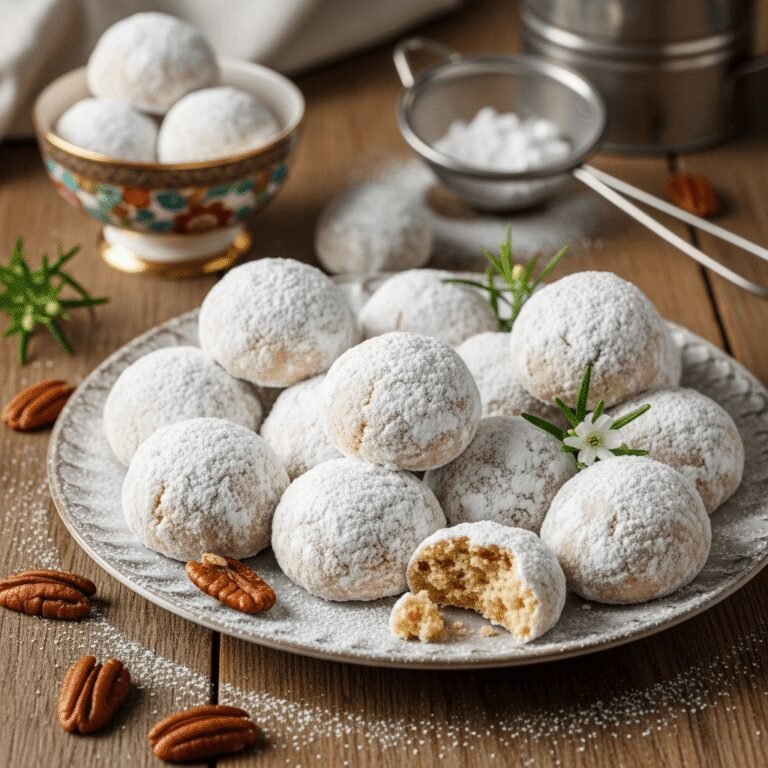
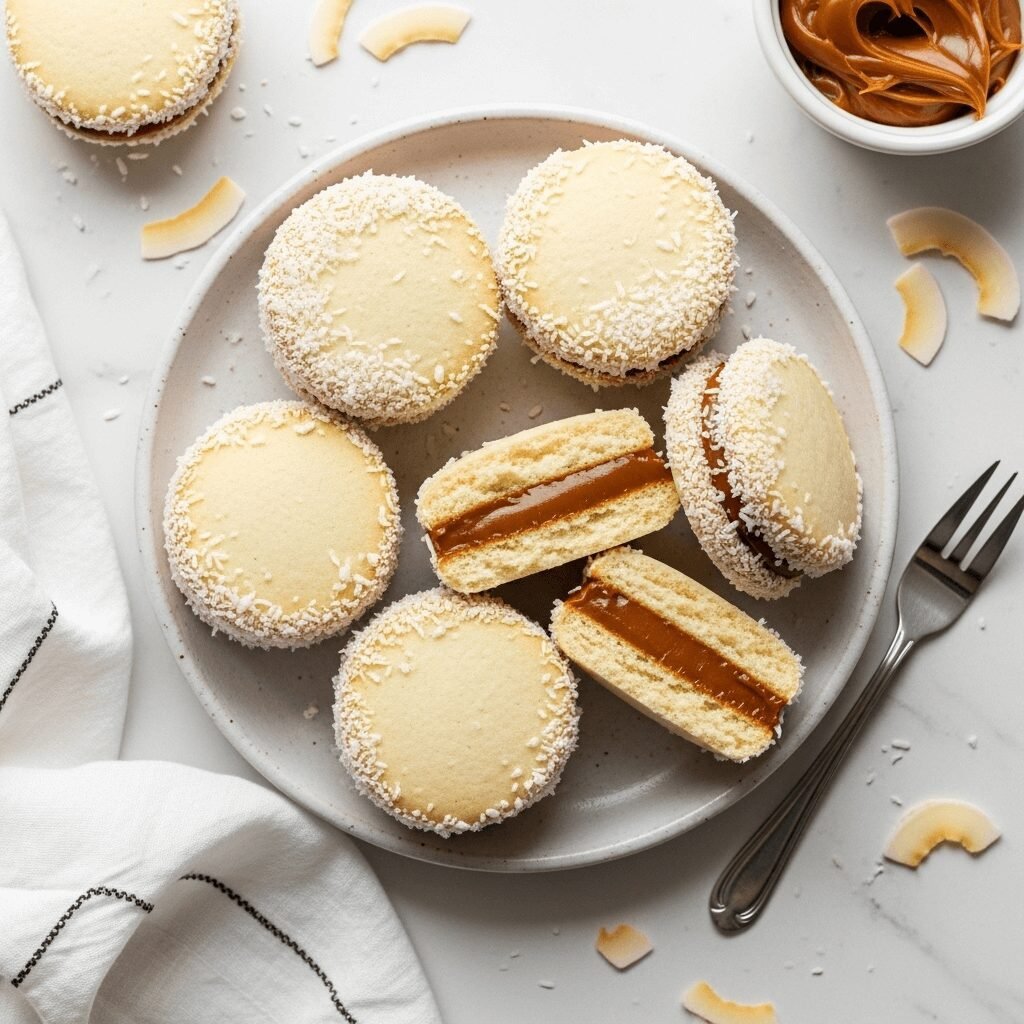
Alfajores are tender, melt-in-your-mouth sandwich cookies that will transport your taste buds straight to South America with every delicate bite. These delightful treats feature two soft, crumbly cookies made with cornstarch that literally dissolve on your tongue, sandwiched together with rich, creamy dulce de leche, and often rolled in shredded coconut or dusted with powdered sugar.
If you’ve never experienced the magic of alfajores, imagine the most delicate shortbread cookie you’ve ever tasted, but even more tender and fragile, paired with the caramel-like sweetness of dulce de leche. They’re perfect for afternoon tea, holiday cookie exchanges, special celebrations, or any time you want to impress guests with something truly special. These cookies are a staple at Latin American celebrations, from weddings to Christmas gatherings, and once you make them at home, you’ll understand why they’re so beloved across multiple countries.
The best part? While they look and taste incredibly sophisticated, alfajores are surprisingly straightforward to make at home with simple pantry ingredients. You don’t need fancy equipment or hard-to-find ingredients – just a little patience and the willingness to handle delicate dough.
History / Background
Alfajores have a fascinating history that spans continents and centuries. The origins of these beloved cookies trace back to medieval Al-Andalus (Moorish Spain), where similar confections were made with honey, nuts, and spices. The name “alfajor” comes from the Arabic word “al-hasú,” which means “stuffed” or “filled.”
When Spanish conquistadors arrived in Latin America during the 16th century, they brought the alfajor concept with them. However, the recipe evolved dramatically as it adapted to local ingredients and tastes in different regions. Each country put its own unique spin on the cookie, creating distinct regional variations that are now sources of national pride.
In Argentina, alfajores became a national obsession and are now considered the country’s most iconic cookie. Argentine alfajores typically feature cornstarch-based cookies (called “alfajores de maicena”) sandwiched with dulce de leche and coated in shredded coconut or chocolate. The province of Córdoba is particularly famous for its alfajor production, and you’ll find alfajores sold everywhere from gas stations to high-end pastry shops throughout Argentina.
Uruguay has its own alfajor tradition, with double-filled versions and chocolate coatings being especially popular. Peru makes alfajores with a more cake-like texture and often flavors them with anise or citrus. Chile’s manjar (their version of dulce de leche) fills their alfajores, while Colombia prefers a softer, cake-like cookie called “alfajor de arequipe.”
Today, alfajores have become popular worldwide, especially among home bakers looking to explore Latin American desserts. They represent more than just a cookie – they’re a symbol of cultural heritage, family traditions, and the beautiful fusion of Spanish and Latin American culinary traditions.
Why You’ll Love This Recipe
These alfajores are going to become your new favorite cookie to bake and share. The combination of tender, crumbly cookies with luscious dulce de leche creates a flavor and texture experience unlike any other cookie in your repertoire. Here’s what makes this recipe absolutely irresistible:
Key Benefits:
- Melt-in-your-mouth texture – The high cornstarch ratio creates an incredibly tender, delicate cookie that literally dissolves on your tongue
- Simple ingredient list – You likely have most ingredients in your pantry already, and store-bought dulce de leche makes assembly quick
- Make-ahead friendly – Both the dough and assembled cookies store beautifully, making them perfect for holiday baking or special events
- Impressive presentation – These cookies look bakery-quality and always wow guests, yet they’re surprisingly easy to make at home
- Customizable – Roll them in coconut, dip in chocolate, dust with powdered sugar, or leave them plain – they’re delicious every way
- Perfect for gifting – Alfajores make thoughtful homemade gifts that show you put in extra effort
- Not overly sweet – Despite being filled with dulce de leche, the cookies themselves are only lightly sweetened, creating perfect balance
- Cultural experience – Baking alfajores connects you to rich Latin American traditions and introduces your family to authentic international flavors
Ingredient Notes
Understanding your ingredients helps you achieve the best results with these delicate cookies. Here’s what you need to know:
Cornstarch (Cornflour): This is the star ingredient that gives alfajores their signature tender, crumbly texture. The cornstarch creates a more delicate structure than all-purpose flour alone. Don’t substitute this with corn meal – you need the fine, powdery cornstarch. If you can’t find it, potato starch works as a substitute.
All-Purpose Flour: Works together with cornstarch to provide just enough structure to hold the cookies together. The ratio is typically 1:2 flour to cornstarch for authentic texture.
Butter: Must be softened to room temperature for proper creaming. Use unsalted butter so you can control the salt level. European-style butter with higher fat content creates even more tender cookies if you want to splurge.
Powdered Sugar (Confectioners’ Sugar): Creates a finer texture than granulated sugar and dissolves completely into the dough. The cornstarch in powdered sugar also contributes to the tender texture.
Egg Yolks: Provide richness and help bind the dough without adding too much moisture. Using only yolks (not whole eggs) keeps the cookies extra tender. Save those egg whites for meringues!
Vanilla Extract: Adds warm, sweet flavor that complements the dulce de leche. Use pure vanilla extract for best results, not imitation.
Baking Powder: Just a small amount helps the cookies puff slightly and keeps them from being too dense.
Salt: Enhances all the flavors and balances the sweetness. Even a pinch makes a difference.
Dulce de Leche: The filling is what makes alfajores special! Store-bought dulce de leche saves time and works perfectly. Look for it in the Latin foods aisle or near the condensed milk. In a pinch, you can use cajeta (Mexican goat milk caramel) or even make your own dulce de leche by simmering condensed milk.
Shredded Coconut (Optional): Unsweetened shredded coconut is traditional for rolling the edges. Some recipes use sweetened, but unsweetened balances the sweet filling better.
Equipment Needed
Gather these tools before you start baking for a smooth process:
- Stand mixer or electric hand mixer
- Large mixing bowl
- Medium mixing bowl for dry ingredients
- Measuring cups and spoons
- Whisk or fork for mixing dry ingredients
- Rubber spatula for scraping bowl
- Plastic wrap for chilling dough
- Rolling pin
- Round cookie cutters (1.5 to 2 inches diameter)
- Baking sheets (2-3 sheets)
- Parchment paper or silicone baking mats
- Wire cooling racks
- Small offset spatula or butter knife for spreading filling
- Shallow bowl or plate for coconut (if using)
- Airtight container for storage
Alfajores Recipe

These authentic alfajores feature impossibly tender cornstarch cookies sandwiched with dulce de leche and rolled in coconut. A melt-in-your-mouth Latin American treat that’s perfect for special occasions or afternoon tea.
- Prep Time: 30 minutes
- Cook Time: 12 minutes
- Total Time: 1 hour 42 minutes
- Yield: 20-24 sandwich cookies 1x
- Category: Dessert
- Method: Baking
- Cuisine: Latin American (Argentine)
- Diet: Vegetarian
Ingredients
For the Cookies:
- 2 cups (280g) cornstarch
- 1 cup (125g) all-purpose flour
- 1 cup (226g) unsalted butter, softened to room temperature
- ¾ cup (90g) powdered sugar
- 3 large egg yolks, at room temperature
- 1 teaspoon vanilla extract
- 1 teaspoon baking powder
- ¼ teaspoon salt
- Zest of 1 lemon (optional, but adds lovely flavor)
For Assembly:
- 1 ½ cups (about 14 oz) dulce de leche
- 1 ½ cups unsweetened shredded coconut (optional, for coating)
- Powdered sugar for dusting (optional alternative to coconut)
Instructions
Step 1: Prepare Dry Ingredients
In a medium bowl, whisk together the cornstarch, all-purpose flour, baking powder, and salt. Set this mixture aside. If using lemon zest, add it to the dry ingredients and mix well to distribute evenly.
Step 2: Cream Butter and Sugar
In a large bowl or stand mixer fitted with the paddle attachment, beat the softened butter and powdered sugar together on medium speed for 3-4 minutes until light, fluffy, and pale in color. The mixture should look almost white and have increased in volume. Scrape down the sides of the bowl as needed.
Step 3: Add Egg Yolks and Vanilla
Add the egg yolks one at a time, beating well after each addition. Mix in the vanilla extract. The mixture should be smooth and creamy after this step.
Step 4: Combine Wet and Dry
With the mixer on low speed, gradually add the dry ingredient mixture to the butter mixture. Mix just until the dough comes together and no flour streaks remain. Do not overmix or the cookies will be tough. The dough will be soft and slightly crumbly but should hold together when pressed.
Step 5: Chill the Dough
Divide the dough into two portions and shape each into a flat disk. Wrap each disk tightly in plastic wrap and refrigerate for at least 1 hour, or up to 24 hours. This chilling step is crucial – it makes the dough easier to roll and helps the cookies hold their shape during baking.
Step 6: Preheat and Prepare
When ready to bake, preheat your oven to 350°F (175°C). Line two baking sheets with parchment paper or silicone baking mats.
Step 7: Roll Out Dough
Working with one disk at a time (keep the other refrigerated), roll the dough out on a lightly floured surface to about ¼-inch thickness. The dough is delicate, so work gently and quickly. If the dough becomes too soft, return it to the refrigerator for 10-15 minutes.
Step 8: Cut Cookies
Using a 1.5 to 2-inch round cookie cutter, cut out circles from the dough. Gather scraps, re-roll once, and cut more cookies. Place cookies on prepared baking sheets about 1 inch apart (they don’t spread much).
Step 9: Bake
Bake for 10-12 minutes, just until the cookies are set but still pale. Do not let them brown – they should remain almost white with just barely golden edges. They will seem soft when they come out but will firm up as they cool.
Step 10: Cool Completely
Let cookies cool on the baking sheet for 5 minutes, then carefully transfer to a wire rack to cool completely. These cookies are extremely delicate when warm, so handle gently.
Step 11: Assemble Cookies
Once completely cool, pair up cookies of similar size. Spread about 1-2 teaspoons of dulce de leche on the flat side of one cookie (adjust amount based on cookie size). Top with the matching cookie, flat side down, and press gently to spread the filling to the edges.
Step 12: Add Coating (Optional)
If using coconut, place shredded coconut in a shallow bowl or plate. Roll the edges of each assembled cookie in the coconut, pressing gently so it adheres to the dulce de leche. Alternatively, dust the tops with powdered sugar using a fine-mesh sieve.
Step 13: Set and Serve
Let the assembled alfajores rest for about 30 minutes before serving to allow the dulce de leche to set slightly. This also lets the flavors meld beautifully.
Notes
- Dough Temperature: If your dough becomes too soft while rolling, pop it back in the fridge for 10-15 minutes. Cold dough is much easier to work with.
- Cookie Size: Keep all cookies the same size so you can match them up easily. Mismatched sizes don’t sandwich well.
- Dulce de Leche Consistency: If your dulce de leche is very thick, microwave it for 10-15 seconds to make it more spreadable.
- Don’t Overbake: These cookies should stay very pale. Even slightly overbaked cookies will lose their tender, melt-in-your-mouth texture.
- Assembly Timing: You can bake the cookies one day and assemble them the next if that’s easier for your schedule.
Nutrition
- Serving Size: 1 sandwich cookie
- Calories: 185
- Sugar: 12g
- Sodium: 45mg
- Fat: 9g
- Saturated Fat: 5g
- Unsaturated Fat: 3g
- Trans Fat: 0g
- Carbohydrates: 24g
- Fiber: 0.5g
- Protein: 2g
- Cholesterol: 45mg
Note: Nutrition information is approximate and will vary based on specific ingredients used and portion sizes. Values include coconut coating.
Tips & Variations
Chocolate-Dipped Alfajores: After assembling, melt 8 oz of dark or milk chocolate and dip half of each cookie into the chocolate. Place on parchment paper until set. This creates an elegant, bakery-style presentation.
White Chocolate Coconut: Use white chocolate instead of dark chocolate for dipping, or drizzle melted white chocolate over coconut-coated cookies for a beautiful finish.
Citrus Twist: Add orange zest instead of lemon, or add ½ teaspoon of almond extract along with the vanilla for a different flavor profile.
Chocolate Cookies: Replace ¼ cup of the cornstarch with unsweetened cocoa powder for chocolate alfajores. These pair beautifully with regular dulce de leche or chocolate dulce de leche.
Mini Alfajores: Use a smaller 1-inch cookie cutter to make bite-sized versions perfect for parties or gift boxes. Reduce baking time by 1-2 minutes.
Different Fillings: While dulce de leche is traditional, you can experiment with Nutella, lemon curd, passion fruit filling, or even thick strawberry jam for variety.
Gluten-Free Version: Replace the all-purpose flour with a 1:1 gluten-free flour blend. The cornstarch base already makes these naturally lower in gluten than most cookies.
Brown Butter Upgrade: Brown your butter before making the dough (then let it cool and resolidify) for an incredible nutty, caramel flavor that elevates these cookies to gourmet status.
Pro Chef Tips
Temperature Control is Everything: Keep your dough cold while working. Professional bakers often roll dough between two sheets of parchment paper, then chill the entire sheet before cutting. This prevents sticking and makes handling easier.
Invest in Quality Dulce de Leche: The filling is half the cookie, so use the best dulce de leche you can find. Argentinian brands are gold standard. Avoid “caramel sauce” – it’s not the same.
Achieve Perfect Rounds: Press the cookie cutter straight down without twisting. Twisting seals the edges and prevents proper rising. Dip your cutter in flour between cuts to prevent sticking.
The Flatness Factor: For the most professional look, use a small offset spatula to spread dulce de leche in an even layer, leaving just a tiny border. This prevents filling from squishing out when you sandwich them.
Create an Assembly Line: Lay out all your bottom cookies, add filling to all of them, then top all at once. This is faster and creates more consistent results than doing one cookie at a time.
Toast Your Coconut: For extra flavor dimension, lightly toast your coconut in a dry skillet over medium heat until just barely golden. Let it cool completely before using. This adds wonderful depth.
Rest for Best Flavor: Alfajores actually improve after sitting for several hours or overnight. The cookies absorb some moisture from the filling, creating an even more tender, unified texture.
Common Mistakes to Avoid
Overbaking the Cookies: This is the number one mistake. Alfajores should remain pale and blonde. Even slightly golden cookies will be dry instead of melt-in-your-mouth tender. Set a timer and check early.
Using Warm Butter: Butter must be softened but not melted or greasy. Properly softened butter should hold a finger indentation but not be shiny or separating. If it’s too warm, your cookies will spread too much.
Skipping the Chilling Step: I know it’s tempting to skip this, but cold dough is essential. Unchilled dough will stick to everything, spread during baking, and create misshapen cookies that are impossible to handle.
Rolling Too Thin: Quarter-inch thickness is important. Thinner cookies will be too fragile and break during handling. Thicker cookies won’t have that delicate, melt-away texture.
Overworking the Dough: Once you add the dry ingredients, mix just until combined. Overmixing develops gluten, making cookies tough instead of tender. The dough should be just barely cohesive.
Using Too Much Filling: More isn’t always better! Too much dulce de leche will squish out and make the cookies messy and difficult to coat. About 1-2 teaspoons per cookie is perfect.
Assembling While Warm: Always let cookies cool completely before filling. Warm cookies will break, and the filling will melt and slide everywhere. Patience pays off here.
Storage & Meal Prep
Room Temperature Storage: Store assembled alfajores in an airtight container at room temperature for up to 5 days. Place parchment paper between layers to prevent sticking. They’ll actually soften and improve over the first 24 hours as the cookies absorb moisture from the filling.
Refrigerator Storage: If your kitchen is very warm or humid, refrigerate alfajores in an airtight container for up to 2 weeks. Bring them to room temperature before serving for the best texture (about 20-30 minutes on the counter).
Unfilled Cookie Storage: Baked cookies without filling can be stored in an airtight container at room temperature for up to 1 week, or frozen for up to 3 months. This is perfect for meal prep – bake the cookies in advance, then assemble fresh when needed.
Reheating: Alfajores don’t need reheating, but if they’ve been refrigerated, let them come to room temperature for optimal texture. Never microwave them, as this will melt the dulce de leche and make cookies soggy.
Humidity Considerations: In very humid climates, the coconut coating may soften. Store in the refrigerator if this happens, or skip the coconut and dust with powdered sugar just before serving instead.
Make-Ahead & Freezer Notes
Dough Freezing: Wrap the dough disks tightly in plastic wrap, then place in a freezer bag. Freeze for up to 3 months. Thaw overnight in the refrigerator before rolling and baking. This is perfect for planning ahead for holidays or parties.
Freezing Baked Cookies (Unfilled): Place cooled, unfilled cookies in a single layer on a baking sheet and freeze until solid (about 1 hour). Transfer to freezer bags with parchment paper between layers. Freeze for up to 3 months. Thaw at room temperature for 20 minutes before assembling.
Freezing Assembled Alfajores: This is possible but slightly trickier. Freeze assembled cookies (without coconut coating) in a single layer until solid, then transfer to airtight containers with parchment between layers. Freeze up to 2 months. Thaw in the refrigerator overnight, then add coconut coating if desired. The texture may be slightly softer after freezing, but they’re still delicious.
Best Make-Ahead Strategy: For parties or gifts, bake cookies up to 3 days ahead and store airtight. Assemble them 1-2 days before serving. This timeline gives you the best texture and freshest taste while spreading out the work.
Holiday Prep Timeline: If making for Christmas or special events, bake cookies up to 1 week ahead (freeze if longer), assemble 2-3 days before the event, and store airtight. The slight aging actually improves them!
Serving Suggestions
Alfajores shine in many different serving contexts. Here’s how to present them beautifully:
Classic Tea Time: Serve alfajores on a decorative platter alongside hot tea, coffee, or mate (traditional Argentine tea). They’re perfect with espresso, as the slightly bitter coffee balances the sweet filling.
Dessert Platter: Arrange alfajores with other Latin American treats like tres leches cake, flan, or churros for a cultural dessert spread at dinner parties.
Ice Cream Sandwiches: Use alfajores as cookies for ice cream sandwiches! Dulce de leche or vanilla ice cream works beautifully. This is a show-stopping summer dessert.
Coffee Bar Addition: Set out a plate of alfajores at your coffee bar for an afternoon pick-me-up treat. They pair especially well with cappuccinos and lattes.
Beverage Pairings: Beyond coffee and tea, alfajores are delicious with: dessert wines like Moscato or late harvest Riesling, hot chocolate, champagne or prosecco for celebrations, or cold milk for a nostalgic treat.
Gift Presentation: Package alfajores in clear cellophane bags tied with ribbon, or arrange in decorative tins lined with parchment paper. They make thoughtful hostess gifts or holiday treats.
Brunch Dessert: Serve alfajores as the sweet ending to a brunch spread alongside fresh fruit and whipped cream.
FAQs Section
Q: Why are my alfajores falling apart?
A: This usually happens if the dough wasn’t chilled long enough, was rolled too thin, or was overbaked. The cookies should be ¼-inch thick and stay very pale during baking. Also, handle them gently when warm – they firm up as they cool.
Q: Can I use regular flour instead of cornstarch?
A: No, cornstarch is essential for the signature tender, crumbly texture of alfajores. Using all regular flour will create a completely different cookie that’s more like shortbread. The high cornstarch ratio is what makes alfajores unique.
Q: Where can I find dulce de leche if my grocery store doesn’t carry it?
A: Check the Latin foods aisle or near condensed milk. You can also order it online, make your own by simmering condensed milk, or substitute with cajeta (goat milk caramel). In a pinch, very thick caramel sauce can work, but authentic dulce de leche is worth seeking out.
Q: My dulce de leche is too thick to spread. What should I do?
A: Microwave it for 10-15 seconds to soften, or stir in a teaspoon of heavy cream or milk to thin it slightly. You want it spreadable but not runny.
Q: Can I make alfajores without eggs?
A: Egg yolks provide richness and structure, but you can experiment with substitutes like 3 tablespoons of aquafaba (chickpea liquid) or commercial egg replacer. The texture may be slightly different but still delicious.
Q: How do I prevent the cookies from spreading during baking?
A: Make sure your dough is properly chilled before rolling, your butter wasn’t too warm when mixing, and your oven is fully preheated. Also, don’t skip the chilling step after cutting the cookies if your kitchen is warm.
Q: Why do some alfajores recipes use lemon zest?
A: Lemon zest adds a subtle brightness that balances the rich, sweet dulce de leche filling. It’s optional but traditional in many Argentine recipes. You can omit it if you prefer a purely buttery flavor, or substitute orange zest.
Conclusion
Now you have all the secrets to making authentic, bakery-quality alfajores right in your own kitchen! These delicate sandwich cookies are more than just a dessert – they’re a connection to centuries of culinary tradition and a delicious way to bring Latin American flavors into your home baking repertoire.
The first time you bite into a homemade alfajor and experience that impossibly tender, melt-in-your-mouth texture paired with creamy dulce de leche, you’ll understand why these cookies have captivated people across South America and beyond. Yes, they require a bit more care than your average cookie, but the results are absolutely worth it.
Whether you’re baking these for a special celebration, holiday cookie exchange, afternoon tea, or just because you want to try something new and wonderful, I promise these alfajores will become a treasured recipe in your collection. They’re impressive enough for the fanciest occasions but made with simple, accessible ingredients and straightforward techniques.
I’d love to hear about your alfajor-making adventures! Did you roll them in coconut or dust them with powdered sugar? Did you try any fun variations? Leave a comment below sharing your experience, and don’t forget to rate this recipe. If you make these beautiful cookies, please share your photos on Pinterest and tag me – I always love seeing your creations!
Now grab that cornstarch, roll up your sleeves, and get ready to make the most tender, delicious cookies you’ve ever tasted. Your family and friends are going to be so impressed, and you’ll have a new signature recipe to share for years to come. Happy baking, and enjoy every delicate, dulce de leche-filled bite!