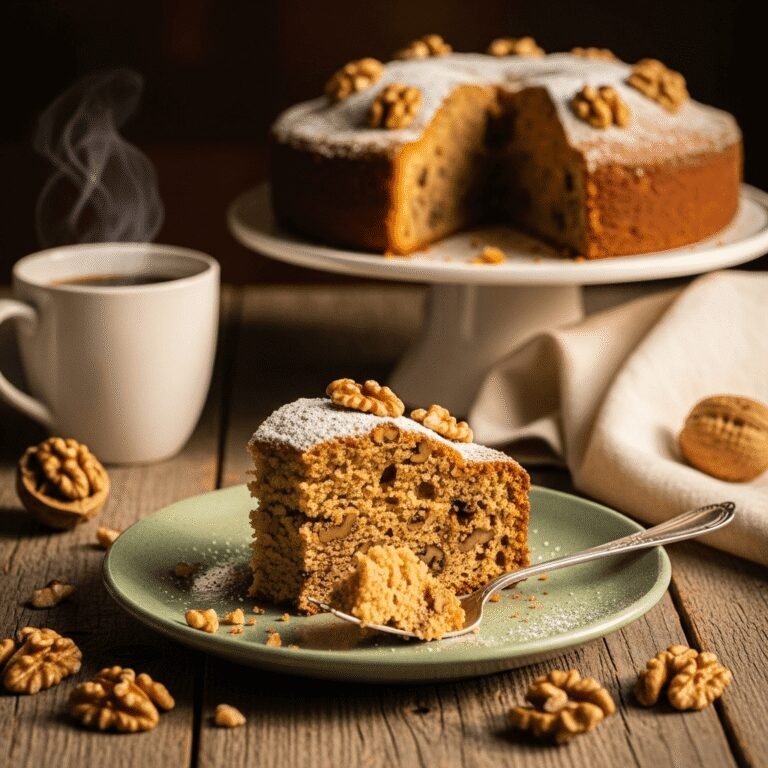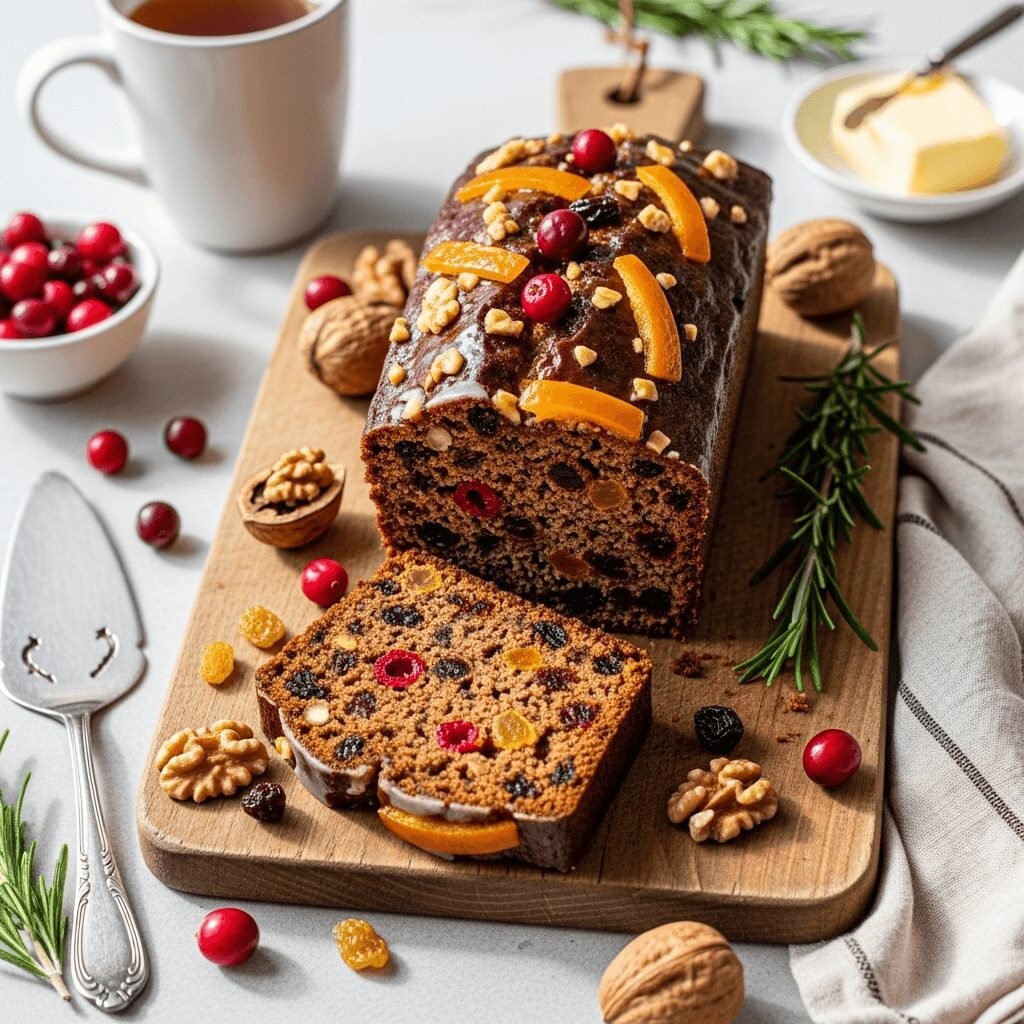
The Ultimate Fruit Cake Recipe – Moist, Flavorful & Perfect for Every Celebration

There’s something wonderfully nostalgic about a homemade fruit cake that fills your kitchen with the warm aroma of spices, dried fruits, and toasted nuts. This isn’t your typical dense, dry fruitcake that gets passed around as a holiday joke—this is a genuinely delicious, moist, and flavorful fruit cake that will have everyone asking for seconds and the recipe!
Perfect for Christmas celebrations, holiday gift-giving, winter gatherings, or any special occasion, this fruit cake recipe strikes the perfect balance between rich fruit flavor and tender, buttery cake. It’s studded with colorful dried fruits, crunchy nuts, and kissed with warm spices like cinnamon and nutmeg. Whether you’re continuing a beloved family tradition or starting a new one, this easy fruit cake recipe will become your go-to for festive baking.
The best part? You can make this cake weeks in advance, allowing the flavors to meld and mature beautifully. It actually gets better with age when properly stored and occasionally “fed” with a little brandy or rum. This make-ahead quality makes it absolutely perfect for busy holiday seasons when you want something spectacular without last-minute stress.
History / Background
Fruit cake has a fascinating history that dates back to ancient Rome, where a mixture of barley, pomegranate seeds, nuts, and raisins was formed into energy-dense cakes for Roman soldiers. However, the fruit cake as we know it today evolved during the Middle Ages in Europe, particularly in Britain, where preserved fruits became more accessible through expanded trade routes.
During the 16th century, the addition of sugar from the American colonies allowed fruits to be preserved more effectively, making fruit cakes more common in European households. These cakes became associated with celebrations, particularly Christmas and weddings, because the expensive dried fruits and nuts symbolized prosperity and good fortune.
In Victorian England, fruit cake became the traditional choice for wedding cakes, often elaborately decorated with marzipan and royal icing. The tradition of sending fruit cakes as gifts during the Christmas season also became popular during this era, as the cakes could travel well and lasted for months.
The fruit cake made its way to America with European settlers, becoming particularly popular in the Southern United States. Each region developed its own variations—some darker and denser, others lighter with more nuts. The tradition of soaking fruit cake in spirits like brandy or rum became common practice, both for preservation and enhanced flavor.
Today, fruit cake continues to be a beloved holiday tradition in many cultures around the world. While it sometimes gets an undeserved bad reputation (thanks to mass-produced commercial versions), a homemade fruit cake made with quality ingredients and proper technique is truly something special—a luxurious treat that connects us to centuries of baking tradition.
Why You’ll Love This Recipe
This isn’t just any fruit cake recipe—it’s the one that will change your mind about fruit cake forever. Made with real butter, quality dried fruits, toasted nuts, and a perfect blend of warming spices, this cake is incredibly moist, flavorful, and absolutely irresistible.
Here’s why this recipe stands out:
- Genuinely delicious – Moist, flavorful, and nothing like the dry commercial versions
- Make-ahead friendly – Actually improves with age when stored properly
- Perfect for gifting – Wraps beautifully and travels well for holiday gift-giving
- Customizable – Easily adapt the fruits and nuts to your preferences
- Impressive results – Looks and tastes like you bought it from an expensive bakery
- Traditional yet accessible – Classic recipe with clear, easy-to-follow instructions
- Budget-friendly – Makes multiple loaves or one large cake for sharing
- Long shelf life – Lasts for weeks (or even months) when properly stored
- Freezer-friendly – Can be frozen for up to 6 months without losing quality
- Perfect for celebrations – Ideal for Christmas, weddings, anniversaries, or any special occasion
This recipe brings together the best of traditional fruit cake baking while remaining approachable for home bakers of all skill levels. Whether you’re an experienced baker or making your first fruit cake, you’ll love how this recipe guides you to success.
Ingredient Notes
Understanding your ingredients is key to baking the perfect fruit cake. Here’s what you need to know about each component and how to make smart substitutions:
All-Purpose Flour: Provides structure to the cake. You can substitute with a 1:1 gluten-free baking blend if needed, though the texture will be slightly denser.
Unsalted Butter: Creates richness and moisture. Always use real butter (not margarine) for the best flavor. Bring to room temperature for easier mixing.
Brown Sugar: Adds moisture, deep caramel flavor, and helps keep the cake tender. Light or dark brown sugar both work—dark gives a more molasses-forward flavor.
Eggs: Bind everything together and add structure. Large eggs at room temperature incorporate best. For egg-free versions, use flax eggs (though results will differ).
Mixed Dried Fruits: The star of the show! Traditional combinations include raisins, golden raisins, currants, dried cranberries, dried cherries, chopped dried apricots, and candied citrus peel. Use whatever combination you love—about 3-4 cups total.
Chopped Nuts: Add crunch and flavor. Walnuts, pecans, and almonds are classic choices. Toast them first for enhanced flavor! Use about 1-2 cups.
Warm Spices: Cinnamon, nutmeg, and allspice create that signature holiday flavor. Freshly ground spices make a noticeable difference.
Orange Juice and Zest: Add brightness and help balance the sweetness. Fresh is always best! You can substitute with apple juice or pineapple juice.
Brandy or Dark Rum: Traditional for soaking fruits and “feeding” the cake. Creates depth of flavor and acts as a preservative. Use orange juice for an alcohol-free version.
Molasses: Adds moisture and deep, complex sweetness. Dark molasses works best.
Baking Powder and Baking Soda: Provide lift and ensure even rising.
Salt: Enhances all the other flavors and balances sweetness.
Vanilla Extract: Pure vanilla extract adds warmth and rounds out the flavor profile.
Equipment Needed
Having the right tools makes baking this fruit cake much easier. Here’s what you’ll need:
- Large mixing bowls (at least 2)
- Electric mixer (stand mixer or hand mixer)
- Loaf pans (two 9×5-inch) or one large tube pan/bundt pan
- Parchment paper for lining pans
- Measuring cups and spoons (dry and liquid measures)
- Whisk
- Rubber spatula for folding
- Wooden spoon
- Zester or microplane for citrus zest
- Sharp knife for chopping fruits and nuts
- Cutting board
- Medium saucepan (if pre-soaking fruits)
- Wire cooling rack
- Toothpick or cake tester for checking doneness
- Pastry brush for applying spirits
- Aluminum foil for covering during baking
- Cheesecloth (optional, for wrapping stored cake)
- Airtight containers or plastic wrap for storage
Fruit Cake Recipe

This traditional fruit cake recipe produces a wonderfully moist, flavorful cake studded with dried fruits and nuts. Perfect for holiday celebrations, gift-giving, or any special occasion. The cake improves with age and can be made weeks in advance!
- Prep Time: 30 minutes (plus optional overnight fruit soaking)
- Cook Time: 1 hour 30 minutes
- Total Time: 2 hours
- Yield: 2 loaf cakes (about 24 slices total) 1x
- Category: Dessert
- Method: Baking
- Cuisine: British
- Diet: Vegetarian
Ingredients
For the Fruit Mixture:
- 2 cups mixed raisins (golden and regular)
- 1 cup dried cranberries
- 1 cup dried cherries, chopped
- ½ cup dried apricots, finely chopped
- ½ cup candied citrus peel (optional)
- ½ cup brandy or dark rum (plus extra for feeding)
- ½ cup orange juice
- Zest of 2 oranges
For the Cake:
- 3 cups all-purpose flour
- 1 teaspoon baking powder
- ½ teaspoon baking soda
- ½ teaspoon salt
- 2 teaspoons ground cinnamon
- 1 teaspoon ground nutmeg
- ½ teaspoon ground allspice
- 1 cup (2 sticks) unsalted butter, softened
- 1½ cups packed brown sugar
- 4 large eggs, room temperature
- ¼ cup molasses
- 2 teaspoons pure vanilla extract
- 1½ cups chopped nuts (walnuts, pecans, or almonds), toasted
- ½ cup orange marmalade or apricot preserves (for glazing)
Instructions
Step 1: Prepare the Fruit (Preferably the Night Before)
In a large bowl, combine all the dried fruits with brandy, orange juice, and orange zest. Stir well to coat all the fruit. Cover with plastic wrap and let soak at room temperature for at least 2 hours, or preferably overnight. This plumps the fruit and infuses it with flavor. Stir occasionally if possible.
Step 2: Prepare Your Pans
Preheat your oven to 300°F (150°C). Grease two 9×5-inch loaf pans thoroughly with butter, then line them with parchment paper, leaving overhang on the sides for easy removal. Grease the parchment as well.
Step 3: Toast the Nuts
Spread your chopped nuts on a baking sheet and toast in the preheated oven for 8-10 minutes until fragrant and lightly golden. Watch carefully to prevent burning. Remove and let cool completely.
Step 4: Mix Dry Ingredients
In a large bowl, whisk together flour, baking powder, baking soda, salt, cinnamon, nutmeg, and allspice. Set aside.
Step 5: Cream Butter and Sugar
In a large mixing bowl using an electric mixer, beat the softened butter and brown sugar together on medium-high speed for 3-4 minutes until light and fluffy. Scrape down the sides of the bowl as needed.
Step 6: Add Eggs
Add eggs one at a time, beating well after each addition. The mixture should look creamy and smooth. Mix in the molasses and vanilla extract.
Step 7: Combine Wet and Dry
With the mixer on low speed, gradually add the flour mixture to the butter mixture in three additions, mixing just until combined after each addition. Do not overmix.
Step 8: Fold in Fruits and Nuts
Using a large rubber spatula, gently fold in the soaked fruit mixture (including any remaining liquid), toasted nuts, and any remaining liquid from soaking. The batter will be thick and packed with goodies!
Step 9: Fill Pans
Divide the batter evenly between the two prepared loaf pans, smoothing the tops with a spatula. Tap the pans gently on the counter to remove air bubbles.
Step 10: Bake
Place the pans in the preheated oven. Bake for 1 hour and 30 minutes to 1 hour and 45 minutes. After the first hour, tent the cakes loosely with aluminum foil to prevent over-browning. The cakes are done when a toothpick inserted into the center comes out clean or with just a few moist crumbs.
Step 11: Cool
Remove from oven and let the cakes cool in the pans on a wire rack for 20 minutes. Then, using the parchment overhang, carefully lift the cakes out of the pans and transfer to the wire rack to cool completely.
Step 12: Feed the Cake (Optional but Recommended)
Once cooled, poke several holes in the top and sides of the cakes with a skewer. Brush with 2-3 tablespoons of brandy or rum. This “feeding” process adds moisture and flavor. Wrap tightly in cheesecloth soaked in spirits, then in aluminum foil.
Step 13: Age (Optional)
Store in an airtight container in a cool, dark place. “Feed” the cake with 1-2 tablespoons of spirits weekly for 2-4 weeks for optimal flavor development.
Step 14: Glaze Before Serving
Before serving, warm the marmalade or preserves until fluid and brush over the top of the cake for a beautiful, glossy finish.
Notes
- Soaking the fruit overnight is highly recommended for the best texture and flavor distribution.
- Don’t skip toasting the nuts – this enhances their flavor significantly.
- Low and slow baking at 300°F prevents the edges from over-browning while the center cooks through.
- The cake improves with age – wait at least 3 days before cutting if possible.
- For alcohol-free version, use orange juice or apple juice for soaking and feeding.
- Store properly wrapped – the cake will stay moist for weeks at room temperature or months in the freezer.
Serving Size: 1 slice (1/24 of recipe)
Calories: 285
Sugar: 28g
Sodium: 125mg
Fat: 11g
Saturated Fat: 5g
Unsaturated Fat: 5g
Nutrition
- Serving Size: 1 slice (1/24 of recipe)
- Calories: 285
- Sugar: 28g
- Sodium: 125mg
- Fat: 11g
- Saturated Fat: 5g
- Unsaturated Fat: 5g
- Trans Fat: 0g
- Carbohydrates: 44g
- Fiber: 2g
- Protein: 4g
- Cholesterol: 50mg
Tips & Variations
Fruit Variations:
- Use all dark raisins for a more traditional, darker cake
- Add diced dried figs or dates for extra richness
- Include crystallized ginger for a spicy kick
- Use dried blueberries or strawberries for a colorful twist
- Add more candied citrus peel for authentic British flavor
Nut Options:
- Go all pecans for a Southern-style cake
- Use hazelnuts or Brazil nuts for something different
- Mix in some pine nuts or macadamias for luxury
- Toast with a little butter and sea salt before adding
Spice Adjustments:
- Add ¼ teaspoon ground cloves for extra warmth
- Include ½ teaspoon cardamom for an exotic note
- Try adding finely grated fresh ginger
- Use pumpkin pie spice blend as a shortcut
Alcohol Options:
- Bourbon creates a distinctly American flavor
- Whiskey adds smoky depth
- Amaretto contributes almond notes
- Port wine gives rich, fruity complexity
- Grand Marnier enhances orange flavors
Lighter Version:
- Reduce sugar by ¼ cup
- Use half whole wheat flour for added fiber
- Replace some butter with unsweetened applesauce
- Use only egg whites (6 whites instead of 4 whole eggs)
Extra Decadent:
- Add ½ cup chocolate chips
- Include ¼ cup honey along with molasses
- Top with marzipan and royal icing for wedding cake style
- Drizzle with cream cheese glaze
Pro Chef Tips
Temperature Matters: Bring all ingredients to room temperature before starting. This ensures even mixing and better texture. Cold eggs can cause butter to seize.
Fruit Prep is Key: Cut larger dried fruits into uniform, small pieces so they distribute evenly throughout the batter. Toss the soaked fruit in a tablespoon of the flour mixture before folding in—this prevents sinking.
Don’t Overmix: Once you add the flour, mix just until combined. Overmixing develops gluten and creates a tough cake. The batter should be thick and almost hard to stir because it’s packed with fruits and nuts.
Water Bath Technique: For extra moisture, place a pan of hot water on the bottom oven rack while baking. The steam keeps the cake moist during the long baking time.
Test for Doneness Properly: Because of all the fruit, a toothpick won’t come out completely clean. Look for moist crumbs rather than wet batter. The cake should also pull away slightly from the pan edges.
Patience with Aging: If you’re aging your cake, store it in a cool (not cold), dark place—a pantry is ideal. The flavors truly do meld and improve over time, becoming more complex and harmonious.
Professional Glazing: For a bakery-quality shine, brush with warmed preserves, then let set for 10 minutes. Apply a second coat for even more gloss. You can also add a splash of brandy to the glaze.
Slice with Confidence: Use a sharp serrated knife and wipe it clean between slices for neat, professional-looking cuts. Let the cake come to room temperature before slicing for easiest cutting.
Common Mistakes to Avoid
Mistake #1: Using Cold Ingredients Cold butter and eggs don’t incorporate properly, leading to a dense, uneven texture. Always bring ingredients to room temperature—set them out an hour before baking.
Mistake #2: Not Soaking the Fruit Long Enough Dry, hard fruits create a tough, chewy texture in the finished cake. Soaking overnight (or at least several hours) ensures plump, tender fruit that distributes moisture throughout the cake.
Mistake #3: Baking at Too High a Temperature This is the biggest mistake! Fruit cakes need low, slow heat (300°F) to bake through without burning the outside. High heat will dry out the edges while leaving the center raw.
Mistake #4: Opening the Oven Door Frequently Every time you open the door, you lose heat and moisture. Check only once after the first hour, then tent with foil. Don’t test for doneness until at least 1 hour 20 minutes has passed.
Mistake #5: Cutting Too Soon I know it’s tempting, but cutting into a warm fruit cake can cause it to fall apart. Let it cool completely, and ideally wait at least 24 hours. The flavors and texture improve dramatically with time.
Storage & Meal Prep
Room Temperature Storage: Wrap the cooled fruit cake tightly in plastic wrap, then aluminum foil. Store in an airtight container in a cool, dark place for up to 4 weeks. If “feeding” the cake with spirits, you can extend this to 8-12 weeks.
Refrigerator Storage: While not necessary, you can refrigerate the cake for up to 2 months. Wrap tightly to prevent it from absorbing odors. Bring to room temperature before serving for best flavor and texture.
Freezer Storage: Fruit cake freezes beautifully for up to 6 months. Wrap individual slices or the whole cake in plastic wrap, then aluminum foil, and place in a freezer-safe bag or container. This is perfect for having holiday treats ready year-round!
Reheating Instructions: Fruit cake is traditionally served at room temperature, but if you prefer it warm, microwave individual slices for 15-20 seconds, or wrap in foil and warm in a 300°F oven for 10-15 minutes. A warm slice with butter is absolutely divine!
Maintaining Moisture: If your cake starts to dry out during storage, brush it with additional brandy or orange juice. The beauty of fruit cake is that it’s almost impossible to over-moisten—it just gets better!
Make-Ahead & Freezer Notes
Make-Ahead Timeline: This is the ultimate make-ahead dessert! In fact, fruit cake actually improves with age as the flavors meld together. Here’s your game plan:
- 4-6 weeks ahead: Ideal timing for maximum flavor development. Bake, cool, and begin the “feeding” process.
- 2-3 weeks ahead: Still excellent results. Feed the cake weekly with spirits.
- 1 week ahead: Minimum time for flavor melding. Feed every 2-3 days.
- 3 days ahead: Acceptable timeline if you’re short on time.
Freezing Unbaked Batter: You can actually freeze the prepared batter in lined pans for up to 1 month. Cover tightly with plastic wrap and foil. Thaw overnight in the refrigerator before baking. Add 10-15 minutes to the baking time.
Freezing Baked Cake: This is the most practical option. Bake completely, cool, and wrap well. Freeze for up to 6 months. Thaw overnight in the refrigerator, still wrapped. Once thawed, you can begin the feeding process if desired.
Best Reheating After Freezing: Let the frozen cake thaw completely at room temperature (still wrapped) for 6-8 hours or overnight. Once thawed, unwrap and let it come to room temperature for an hour before serving. Brush with warm preserves for a fresh-baked appearance.
Portion Control: Consider slicing the cake before freezing, with parchment paper between slices. This allows you to thaw only what you need. Individual slices thaw in about 30 minutes at room temperature.
Serving Suggestions
Fruit cake is wonderfully versatile and can be served in so many delicious ways. Here are some perfect pairings:
Classic Accompaniments:
- Aged cheddar or sharp white cheddar – The traditional British pairing that balances the sweetness beautifully
- Stilton or blue cheese – Creates a sophisticated sweet-savory contrast
- Whipped cream or crème fraîche – Adds lightness and richness
- Vanilla ice cream – Especially wonderful with warm slices
- Clotted cream – For an authentic English tea experience
Beverages:
- Hot tea – English Breakfast, Earl Grey, or spiced chai are perfect
- Coffee – A strong, dark roast complements the rich flavors
- Port or sherry – Traditional holiday pairings
- Brandy or cognac – Echoes the flavors in the cake
- Spiced apple cider – For a cozy, alcohol-free option
- Hot chocolate – Kids especially love this pairing
Creative Serving Ideas:
- Toast slices lightly and spread with salted butter
- Serve with lemon curd for brightness
- Top with mascarpone mixed with a little honey
- Drizzle with warm caramel sauce
- Serve alongside a fruit compote or cranberry sauce
- Create a trifle with layers of cake, custard, and cream
- Pair with a cheese board for elegant entertaining
Holiday Presentation: Arrange slices on a wooden board with cheese, nuts, dried fruits, and honey for a stunning holiday dessert board. Dust with powdered sugar and add fresh rosemary sprigs for a festive touch.
FAQs Section
Q: Why is my fruit cake dry? A: Dry fruit cake usually results from overbaking or too high an oven temperature. Bake at 300°F and don’t exceed the recommended time. Also, ensure you’re soaking the fruit beforehand and “feeding” the cake with spirits or juice after baking. The cake should feel heavy and moist, not light and crumbly.
Q: Do I have to use alcohol in fruit cake? A: Absolutely not! While alcohol is traditional for flavor and preservation, you can substitute orange juice, apple juice, or even strong brewed tea for soaking the fruit and feeding the cake. The cake will still be delicious and moist, though it won’t last quite as long at room temperature.
Q: How do I know when my fruit cake is done? A: Insert a toothpick into the center—it should come out with a few moist crumbs, not wet batter. The cake will also pull away slightly from the pan edges and feel firm when gently pressed. Because of all the fruit, it won’t test completely “clean,” so don’t overbake waiting for that. The internal temperature should reach 200-205°F.
Q: Can I make fruit cake in a different pan? A: Yes! You can use a bundt pan, tube pan, or even multiple mini loaf pans. Adjust baking time accordingly—mini loaves take 45-60 minutes, while a large bundt takes about 2 hours. Always check for doneness rather than relying solely on time.
Q: Why did my fruit sink to the bottom? A: This happens when fruit is too wet or the batter is too thin. Make sure to drain excess liquid from soaked fruit, and toss fruit in a tablespoon of flour before folding in. Also, ensure your batter is thick and your oven is properly preheated.
Q: How long does homemade fruit cake last? A: When properly stored and wrapped, fruit cake lasts 4-6 weeks at room temperature, 2-3 months refrigerated, and 6 months frozen. If you’re regularly feeding it with spirits, it can last even longer—some people age fruit cake for a full year!
Q: Can I add chocolate to fruit cake? A: Absolutely! Fold in ½-1 cup of chocolate chips or chopped dark chocolate with the fruits and nuts. Dark chocolate works best as it complements rather than overwhelms the fruit flavors. This is especially popular with kids who might otherwise be skeptical of traditional fruit cake.
Conclusion
There you have it—a truly incredible fruit cake recipe that will become your new holiday tradition! This isn’t your grandmother’s dry, heavy fruit cake (unless your grandmother was an amazing baker, in which case it absolutely is!). This is a moist, flavorful, perfectly spiced cake that celebrates the very best of traditional holiday baking.
The beauty of this recipe is its flexibility and make-ahead nature. You can customize the fruits and nuts to your family’s preferences, make it weeks in advance, and even freeze it for future celebrations. Whether you’re gifting these loaves to loved ones, serving at your holiday gathering, or simply enjoying a slice with your afternoon tea, this fruit cake is guaranteed to impress.
Don’t be intimidated by the ingredient list or the aging process—the actual hands-on work is quite simple, and the reward is absolutely worth it. Once you taste how moist and flavorful homemade fruit cake can be, you’ll understand why this recipe has been passed down through generations.
Now it’s your turn! I’d love to hear how your fruit cake turns out. Did you customize the fruits? Try a different spirit? Serve it a special way? Leave a comment below and share your experience! And don’t forget to save this recipe to your Pinterest boards so you can find it easily when the holidays roll around. Your future self will thank you!
Happy baking, and may your holidays be filled with the wonderful aroma of homemade fruit cake! 🎄✨