The Ultimate Kouign Amann Recipe: Buttery, Caramelized French Pastry Perfection
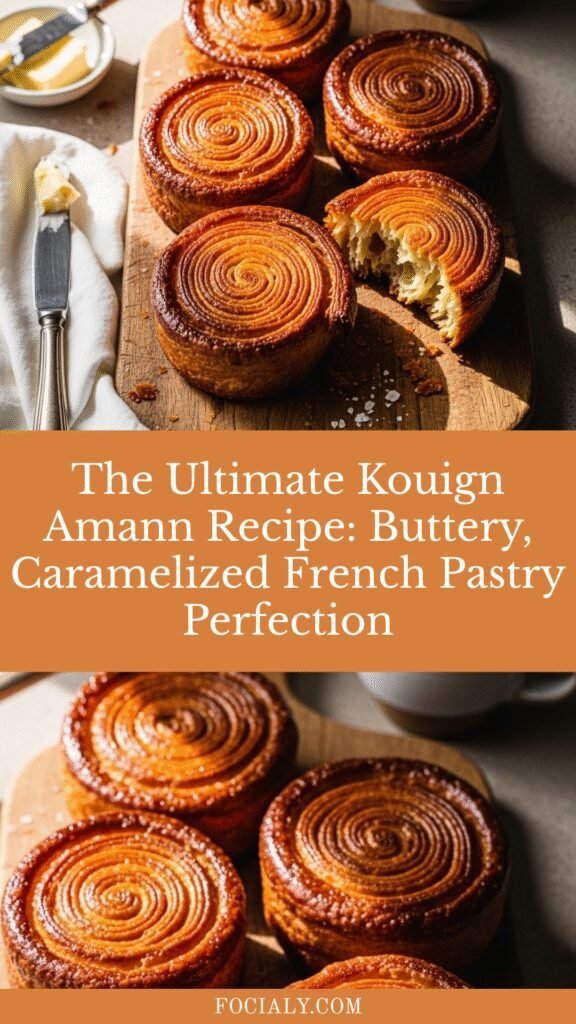
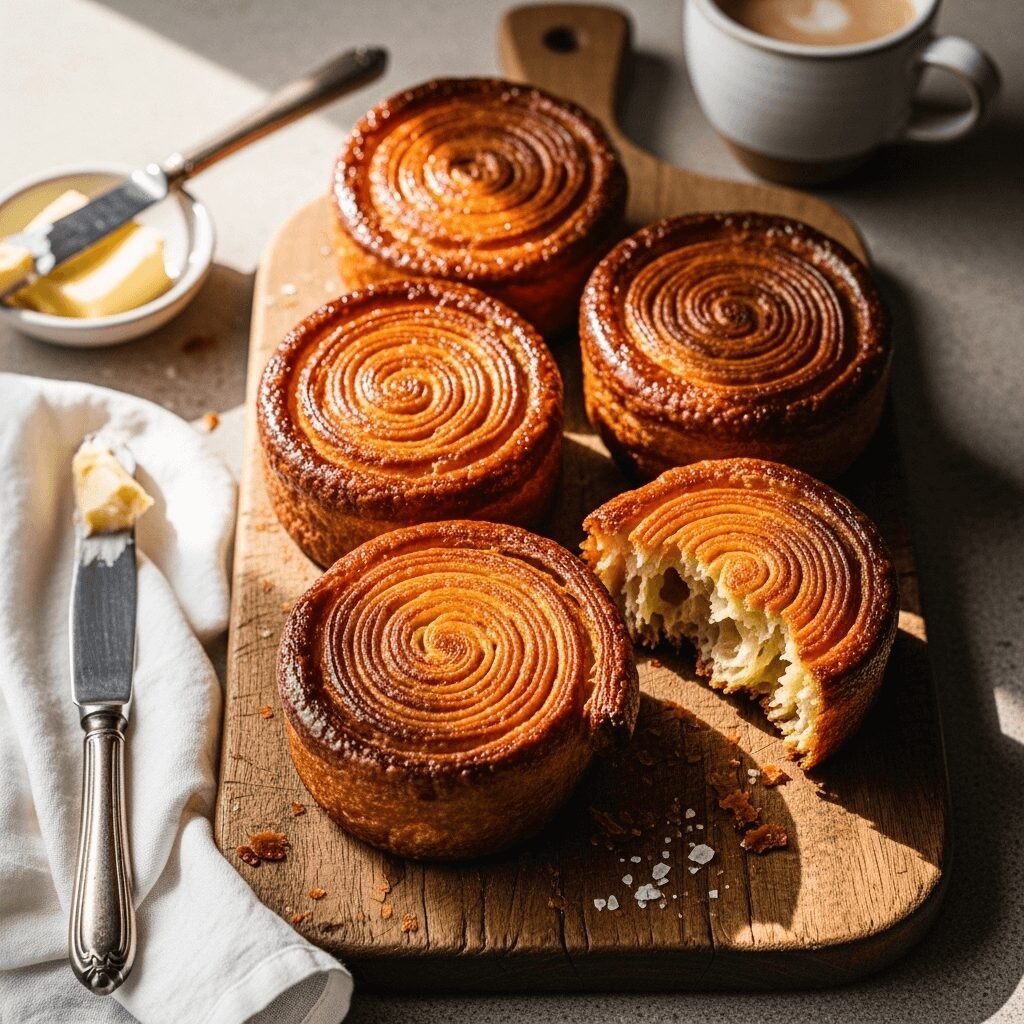
If you’ve ever dreamed of biting into a pastry that’s simultaneously crispy, flaky, buttery, and caramelized to absolute perfection, then kouign amann (pronounced “queen ah-mahn”) is about to become your new obsession. This stunning French pastry hails from Brittany and delivers an unforgettable textural experience that’s unlike anything else in the pastry world. With layers upon layers of butter-laminated dough coated in sugar that caramelizes into a glossy, crackling shell, kouign amann is essentially a more decadent cousin of the croissant.
While it might look intimidating, this recipe breaks down every step so you can create bakery-quality kouign amann right in your own kitchen. These pastries are perfect for special weekend breakfasts, brunch gatherings, holiday mornings, or any time you want to absolutely wow your family and friends. The combination of the crispy, caramelized exterior and the tender, buttery interior creates a flavor and texture explosion that’s worth every minute of effort.
The beauty of kouign amann is that while the technique requires some patience and planning, the ingredient list is remarkably simple. You’re working with basic pantry staples—flour, butter, sugar, yeast, salt, and water—transformed through the magic of lamination into something truly extraordinary.
History / Background
Kouign amann, which translates to “butter cake” in the Breton language, was born in the 1860s in Douarnenez, a fishing port in Brittany, France. According to local legend, a baker named Yves-René Scordia created this pastry somewhat by accident. The story goes that he was running low on ingredients and decided to fold butter and sugar into his leftover bread dough. What emerged from the oven was a revelation—a pastry with a caramelized crust and impossibly tender, layered interior.
Brittany, known for its exceptional butter production thanks to the region’s rich dairy farms and salted butter tradition, was the perfect birthplace for this butter-forward pastry. The Bretons take their butter seriously, and kouign amann is perhaps the ultimate celebration of this treasured ingredient. For generations, it remained a regional specialty, beloved by locals but relatively unknown outside of Brittany.
In recent years, kouign amann has experienced a renaissance, particularly in the United States, where artisan bakeries have embraced this spectacular pastry. Food lovers discovered that kouign amann offers something different from croissants or Danish pastries—it’s richer, more caramelized, and has an almost candy-like quality to its crispy exterior. Today, it’s considered one of the “fattiest pastries in Europe” (a badge it wears with pride), and pastry chefs around the world have put their own creative spins on this Breton classic.
The traditional version is baked in a round cake form and cut into wedges, though individual portions have become increasingly popular in modern bakeries. No matter the size, authentic kouign amann should deliver that signature contrast between the crunchy, caramelized outside and the soft, buttery layers within.
Why You’ll Love This Recipe
This homemade kouign amann recipe delivers bakery-quality results without requiring professional pastry equipment or years of training. Yes, it takes time and patience, but the process is actually quite meditative and deeply rewarding. There’s something magical about watching simple ingredients transform into golden, caramelized perfection.
Here’s why this recipe deserves a place in your baking repertoire:
- Impressive results with simple ingredients – You only need flour, butter, sugar, yeast, salt, and water to create pastry magic
- Easier than you think – While the technique requires some steps, each one is straightforward and beginner-friendly
- Make-ahead friendly – The dough can be prepared over two days, fitting perfectly into a busy schedule
- Unforgettable flavor – The caramelized sugar creates a toffee-like crust that’s absolutely addictive
- Textural perfection – Crispy, flaky, tender, and buttery all in one bite
- Crowd-pleaser – Everyone who tries these will be blown away by the flavor and your baking skills
- Customizable – Once you master the basic technique, you can experiment with flavored sugars and fillings
- Special occasion worthy – These pastries elevate any breakfast or brunch to celebration status
Ingredient Notes
All-Purpose Flour: The foundation of your dough. All-purpose flour provides the right protein content for developing gluten structure while remaining tender. Bread flour can make the pastry too chewy, while cake flour won’t provide enough structure for the lamination process.
Unsalted Butter: The star ingredient! Use high-quality European-style butter with at least 82% butterfat if possible. The higher fat content means less water, which results in flakier layers. Unsalted butter gives you better control over the salt level. You’ll need butter in two forms: cold butter for lamination and softened butter for the initial dough.
Granulated Sugar: Used both inside the dough layers and on the outside for that signature caramelized crust. The sugar melts during baking, creating those gorgeous, crackling, toffee-like edges. Don’t substitute with powdered sugar or brown sugar for the lamination—granulated is essential for proper caramelization.
Active Dry Yeast: Provides gentle lift to the dough. While kouign amann isn’t as puffy as a croissant, the yeast creates a tender interior. Make sure your yeast is fresh and active—proof it in warm water to ensure it’s alive before proceeding.
Fine Sea Salt: Enhances all the flavors and balances the sweetness. If you want to honor the Breton tradition, consider using fleur de sel or another quality sea salt for sprinkling on top before baking.
Warm Water: Activates the yeast and brings the dough together. The temperature should be around 105-110°F—warm to the touch but not hot, as excessive heat can kill the yeast.
Substitution Notes: While I don’t recommend major substitutions for this recipe (the beauty is in its simplicity), you can experiment with flavored sugars once you’re comfortable with the technique. Vanilla sugar, cinnamon sugar, or even a touch of cardamom can create interesting variations. Some bakers also brush the finished pastries with salted caramel for an extra decadent touch.
Equipment Needed
- Stand mixer with dough hook (or large mixing bowl for hand mixing)
- Rolling pin (a French rolling pin without handles gives you better control)
- Bench scraper or pastry scraper
- Plastic wrap or beeswax wraps
- Muffin tin (standard 12-cup)
- Parchment paper
- Pastry brush
- Instant-read thermometer (for checking water temperature)
- Ruler or measuring tape (for precise dough measurements)
- Large cutting board or clean work surface
- Kitchen scale (highly recommended for accuracy)
- Large baking sheet (for catching any sugar drips in the oven)
Kouign Amann Recipe

This authentic kouign amann recipe creates buttery, caramelized French pastries with impossibly flaky layers and a crispy, toffee-like crust. Master the art of lamination with this detailed, foolproof guide that brings Brittany’s most famous pastry to your home kitchen.
- Prep Time: 45 minutes (plus 8 hours chilling time)
- Cook Time: 25 minutes
- Total Time: 9 hours 10 minutes (mostly hands-off)
- Yield: 12 individual pastries 1x
- Category: Breakfast, Dessert, Pastry
- Method: Lamination, Baking
- Cuisine: French (Breton)
- Diet: Vegetarian
Ingredients
For the Dough:
- 2½ cups (320g) all-purpose flour, plus more for dusting
- 2 tablespoons (25g) granulated sugar
- 1½ teaspoons (9g) fine sea salt
- 2¼ teaspoons (7g) active dry yeast (one standard packet)
- ¾ cup (180ml) warm water (105-110°F)
- 2 tablespoons (28g) unsalted butter, softened
For Lamination:
- 1 cup (226g) unsalted butter, cold (European-style preferred)
- 1 cup (200g) granulated sugar, divided
For Assembly:
- ½ cup (100g) granulated sugar for coating
- 2 tablespoons melted butter for brushing muffin tin
- Fleur de sel or flaky sea salt for finishing (optional)
Instructions
Step 1: Make the Dough
In the bowl of a stand mixer, combine warm water and yeast. Let stand for 5 minutes until foamy. Add flour, 2 tablespoons sugar, salt, and softened butter. Using the dough hook attachment, mix on low speed for 2 minutes, then increase to medium speed and knead for 6-8 minutes until the dough is smooth and elastic. The dough should be slightly tacky but not sticky. If mixing by hand, knead on a lightly floured surface for 10-12 minutes.
Step 2: First Rise
Shape the dough into a ball and place in a lightly greased bowl. Cover with plastic wrap and let rise at room temperature for 1 hour until nearly doubled in size.
Step 3: Chill the Dough
Punch down the dough gently and shape it into a 6-inch square. Wrap tightly in plastic wrap and refrigerate for at least 2 hours or overnight. This rest is crucial for making the dough easier to roll and laminate.
Step 4: Prepare the Butter Block
While the dough chills, prepare your butter for lamination. Place the cold butter between two sheets of parchment paper. Using a rolling pin, pound and roll the butter into a 6-inch square that’s about ½-inch thick. The butter should be pliable but still cold. Refrigerate the butter square until ready to use.
Step 5: Begin Lamination (First Turn)
Remove the chilled dough from the refrigerator and place on a lightly floured surface. Roll it into a 12-inch square. Place the butter square diagonally in the center of the dough, like a diamond inside a square. Fold the four corners of the dough over the butter, meeting in the center and pinching the seams to seal completely. You’ve now enclosed the butter.
Step 6: First Sugar Turn
Sprinkle your work surface generously with ¼ cup of sugar (instead of flour). Roll the dough into a 12×18-inch rectangle. Sprinkle another ¼ cup of sugar evenly over the surface. Fold the dough in thirds like a business letter (bottom third up, top third down). Wrap in plastic wrap and refrigerate for 30 minutes.
Step 7: Second Sugar Turn
Unwrap the dough and place it on your work surface sprinkled with another ¼ cup of sugar, with the seam facing right (like a book you’re about to open). Roll again into a 12×18-inch rectangle. Sprinkle with another ¼ cup of sugar. Fold in thirds again. Wrap and refrigerate for at least 1 hour, or up to overnight.
Step 8: Final Roll and Shape
On a sugar-dusted surface, roll the dough into a 12-inch square, about ¼-inch thick. Trim the edges with a sharp knife or pizza cutter to create clean lines. Cut the dough into 12 equal squares (3 rows by 4 rows, each about 3×3 inches).
Step 9: Form the Pastries
Brush each cup of a muffin tin generously with melted butter, then coat with granulated sugar. Take one square of dough and bring all four corners to the center, pinching them together gently. Place in a prepared muffin cup, pinched side up. Repeat with remaining squares. Don’t worry if they look rustic—they’ll transform beautifully in the oven.
Step 10: Final Rise
Cover the muffin tin loosely with plastic wrap and let the pastries rise at room temperature for 45 minutes to 1 hour. They should look slightly puffy but won’t double in size.
Step 11: Bake
Preheat your oven to 350°F (175°C). Place a baking sheet on the lower oven rack to catch any sugar drips. Remove the plastic wrap from the muffin tin and bake for 25-30 minutes, until the kouign amann are deep golden brown with caramelized, crispy edges. They should look darker than you think—that’s the sugar caramelizing properly.
Step 12: Cool and Serve
Let the pastries cool in the tin for 2-3 minutes only—any longer and the caramelized sugar will cement them to the pan. Using a butter knife or small offset spatula, carefully loosen each pastry and transfer to a wire rack. If desired, sprinkle with a pinch of fleur de sel while still warm. Serve warm or at room temperature.
Notes
- Timing is flexible: The dough can be refrigerated overnight at multiple points, making this a perfect two-day project.
- Don’t skip the chilling: Cold dough is essential for successful lamination. If your kitchen is warm, work quickly and chill the dough if it becomes too soft.
- Sugar is your friend: When rolling out the dough during lamination, use sugar instead of flour to prevent sticking. This adds to the caramelization.
- Watch the oven: Every oven is different. Check your pastries at 22 minutes, but don’t be afraid to let them get quite dark—that’s when the magic happens.
- Remove from pan promptly: The caramelized sugar hardens quickly as it cools, so transfer the pastries within 2-3 minutes of removing from the oven.
Nutrition
- Serving Size: 1 pastry Calories
- Calories: 285
- Sugar: 24g
- Sodium: 295mg
- Fat: 15g
- Saturated Fat: 9.5g
- Unsaturated Fat: 4.5g
- Trans Fat: 0g
- Carbohydrates: 35g
- Fiber: 1g
- Protein: 3g
- Cholesterol: 41mg
Tips & Variations
Flavor Variations:
- Chocolate Kouign Amann: Add 2 tablespoons of cocoa powder to the dough and sprinkle mini chocolate chips between layers
- Cinnamon Sugar: Mix cinnamon with the sugar used for lamination for a warm, spiced flavor
- Orange Cardamom: Add orange zest and ground cardamom to the sugar for a Nordic-inspired twist
- Salted Caramel: Drizzle finished pastries with salted caramel sauce
- Nutty Variation: Sprinkle finely chopped toasted almonds or hazelnuts in the layers
Dietary Adaptations: While kouign amann is inherently indulgent and difficult to make “healthier” without compromising its essence, you can experiment with European-style cultured butter for added depth of flavor and potentially easier digestion.
Size Options:
- Make 6 larger pastries in a Texas-size muffin tin for a more dramatic presentation
- Form traditional round cake-style kouign amann in a 9-inch round cake pan, then slice into wedges
- Create mini versions in mini muffin tins for party-size portions (reduce baking time to 15-18 minutes)
Pro Chef Tips
Temperature is Everything: Keep your ingredients cold throughout the lamination process. If the butter starts melting into the dough instead of staying in distinct layers, refrigerate immediately. It’s better to pause and chill than to continue with soft dough.
Embrace the Sugar: Professional pastry chefs use sugar—not flour—during the final lamination turns. This isn’t just to prevent sticking; it’s integral to creating those magnificent caramelized layers. Don’t be shy with it.
The “Book Turn” Technique: When folding your dough, always position it like a book you’re about to open (with the spine on the left) before rolling. This ensures even distribution of layers and prevents the dough from becoming lopsided.
Visual Cues Trump Timing: Learn to read your dough. It should feel cool and firm but still pliable. When baking, trust your eyes—the pastries should be a deep mahogany color with bubbling caramelized sugar around the edges.
Don’t Fear the Dark Side: One of the biggest mistakes home bakers make is under-baking kouign amann. These pastries need to get quite dark—much darker than you’d bake cookies or cakes. The deep caramelization is what creates that signature flavor and crispy texture.
Use the Freezer Strategically: If you’re struggling with butter melting on a hot day, don’t hesitate to pop your dough in the freezer for 10-15 minutes instead of the refrigerator’s 30 minutes. Just don’t freeze it solid.
Common Mistakes to Avoid
Mistake #1: Using Warm Butter
The butter must be cold and pliable, not soft. If it’s too warm, it will melt into the dough instead of creating distinct layers. Think “cold but bendable”—like a thin bar of refrigerated chocolate that bends without snapping.
Mistake #2: Skipping Rest Times
Those chilling periods aren’t suggestions—they’re essential. The dough needs time to relax, and the butter needs to re-solidify between turns. Rushing this process results in tough, dense pastries with blown-out layers.
Mistake #3: Under-Baking
Pale kouign amann is sad kouign amann. These pastries must bake until deeply caramelized—almost alarmingly dark if you’re used to typical baked goods. The sugar needs to fully caramelize to create that signature crackly, toffee-like crust.
Mistake #4: Using Flour Instead of Sugar for Rolling
During the lamination process, sugar should be your “flour” for the work surface. Adding actual flour at this stage will toughen the dough and dilute the flavor.
Mistake #5: Leaving Them in the Pan Too Long
The caramelized sugar is like glue when it cools. You have a narrow window to remove the pastries from the muffin tin—usually 2-3 minutes after they come out of the oven. Set a timer so you don’t forget!
Storage & Meal Prep
Room Temperature Storage:
Kouign amann are best enjoyed the day they’re baked, ideally within 4-6 hours for peak crispiness. However, you can store them in an airtight container at room temperature for up to 2 days. The crispy exterior will soften slightly, but they’ll still be delicious.
Refrigerator Storage:
I don’t recommend refrigerating baked kouign amann as the moisture in the fridge will make them soggy and the butter will harden. If you must refrigerate for some reason, store in an airtight container for up to 3 days.
Reheating Instructions:
To recrisp leftover kouign amann, place them on a baking sheet and warm in a 350°F oven for 5-7 minutes. This will revive some of that caramelized crunch. Avoid microwaving, as it will make them soggy and chewy.
Shelf Life:
These pastries truly shine when fresh. After 24 hours, the caramelized sugar begins to soften from humidity in the air, though they remain tasty for 2-3 days if stored properly.
Make-Ahead & Freezer Notes
Dough Preparation:
The beauty of this recipe is its flexibility. You can make the dough one day, complete the lamination the next day, and bake on the third day. After any major step, wrap the dough tightly and refrigerate for up to 24 hours.
Freezing Unbaked Pastries:
Once shaped in the muffin tin, you can freeze the unbaked kouign amann. Cover the muffin tin tightly with plastic wrap and then aluminum foil. Freeze for up to 1 month. When ready to bake, let them thaw in the refrigerator overnight, then bring to room temperature for 30 minutes and complete the final rise before baking as directed.
Freezing Baked Pastries:
While not ideal, you can freeze fully baked and cooled kouign amann in an airtight container or freezer bag for up to 1 month. To serve, thaw at room temperature for 1-2 hours, then recrisp in a 350°F oven for 8-10 minutes.
Best Reheating Method:
Whether frozen or refrigerated, always reheat kouign amann in the oven, never the microwave. A hot oven re-caramelizes the sugar and crisps the exterior, essentially giving you a “fresh baked” experience. Place on a parchment-lined baking sheet and heat at 350°F for 5-10 minutes depending on whether they’re thawed or frozen.
Strategic Make-Ahead Plan:
For a weekend brunch, make the dough on Thursday night, complete lamination and shape on Friday evening, then refrigerate overnight. On Saturday morning, allow 1 hour for the final rise, then bake fresh for your guests.
Serving Suggestions
Kouign amann is spectacular on its own, but here are some wonderful ways to serve these buttery pastries:
Beverages:
Pair with strong coffee, espresso, or a café au lait to balance the sweetness. French press coffee or a cappuccino are particularly lovely. For afternoon service, try with Earl Grey tea or a delicate white tea.
Brunch Spread:
Serve alongside fresh fruit salad, Greek yogurt with honey, and soft scrambled eggs for an elegant brunch. The contrast between the rich pastry and lighter elements is perfect.
Dessert Course:
Transform kouign amann into dessert by serving warm with a scoop of vanilla ice cream or crème fraîche, letting it melt into the caramelized layers. A drizzle of salted caramel or chocolate sauce takes it over the top.
French Breakfast:
Honor the pastry’s heritage by serving it the French way—with butter (yes, more butter!) and jam, alongside hot chocolate or café crème.
Afternoon Tea:
These pastries are substantial enough to be the star of afternoon tea service. Arrange on a tiered stand with other French pastries, fresh berries, and small finger sandwiches.
Wine Pairing (for special occasions):
If serving as an afternoon or evening treat, try pairing with a slightly sweet sparkling wine like Moscato d’Asti or a glass of Sauternes. The effervescence or sweetness complements the caramelized sugar beautifully.
FAQs Section
Q: Can I make kouign amann without a stand mixer?
A: Absolutely! While a stand mixer makes the initial dough easier, you can easily mix and knead this dough by hand. It will take about 10-12 minutes of kneading to develop the gluten properly. The lamination process is entirely done by hand anyway, so a mixer is just a convenience, not a necessity.
Q: Why did my butter leak out during baking?
A: This usually happens when the dough wasn’t chilled enough between folds, causing the butter to melt into the dough rather than stay in distinct layers. Make sure to observe all resting times and work in a cool environment. Also, ensure you’ve sealed the initial butter packet completely so butter can’t escape.
Q: Can I use salted butter instead of unsalted?
A: You can, but I recommend unsalted butter for better control over the salt level in the final pastry. If you do use salted butter, reduce the salt in the dough recipe to 1 teaspoon instead of 1½ teaspoons. The salted butter will add a slightly more complex flavor that some people love.
Q: My pastries didn’t get crispy—what went wrong?
A: The most common reason is under-baking. Kouign amann needs to bake until quite dark for the sugar to fully caramelize into that crispy shell. Other issues could be too much humidity in your kitchen, not using enough sugar during lamination, or removing them from the oven before they’re fully caramelized.
Q: How is kouign amann different from a croissant?
A: While both are laminated doughs with butter layers, kouign amann includes sugar folded into the layers and coating the outside. This sugar caramelizes during baking, creating a crispy, candy-like exterior that croissants don’t have. Kouign amann is also denser, sweeter, and more caramelized than the lighter, flakier croissant.
Q: Can I make these in a different pan if I don’t have a muffin tin?
A: Yes! You can make one large kouign amann in a 9-inch round cake pan (increase baking time to 35-40 minutes) or use a Texas-size muffin tin for 6 larger pastries. You can even bake them free-form on a parchment-lined baking sheet, though the muffin tin helps contain the butter and sugar while also shaping them beautifully.
Q: Is there a shortcut version of this recipe?
A: Not really, if you want authentic results. The lamination process is what creates those incredible layers, and it requires time and specific steps. However, you can spread the work over several days, which makes it more manageable. Some bakeries use a “rough puff” shortcut, but it won’t give you the same refined layering and texture.
Conclusion
Congratulations on embarking on the journey to make authentic kouign amann! While this recipe requires more time and patience than your average baking project, the results are absolutely worth it. There’s something deeply satisfying about mastering a classic French pastry technique and creating bakery-quality treats in your own kitchen.
The first time you bite into a warm kouign amann, hearing that crispy, caramelized exterior crackle before giving way to impossibly buttery, flaky layers, you’ll understand why this Breton specialty has captured hearts around the world. Yes, it’s rich. Yes, it’s indulgent. But sometimes, that’s exactly what makes life delicious.
Remember, practice makes perfect with laminated doughs. Your first batch might not look as pristine as a professional pastry chef’s, but they’ll still taste incredible. Each time you make these, you’ll get more comfortable with the technique and develop an intuition for how the dough should feel at each stage.
I’d love to hear about your kouign amann adventures! Did you try any flavor variations? How did your family react when you served these golden beauties? Drop a comment below and share your experience. And if you’re feeling generous, please share this recipe with fellow baking enthusiasts—kouign amann deserves to be much more famous than it is!
Don’t forget to pin this recipe to your Pinterest boards (I’ve created some pin-ready titles and descriptions below) so you can find it easily when you’re ready to treat yourself to one of France’s most spectacular pastries. Happy baking, and may your layers be flaky and your caramelization be perfectly golden!