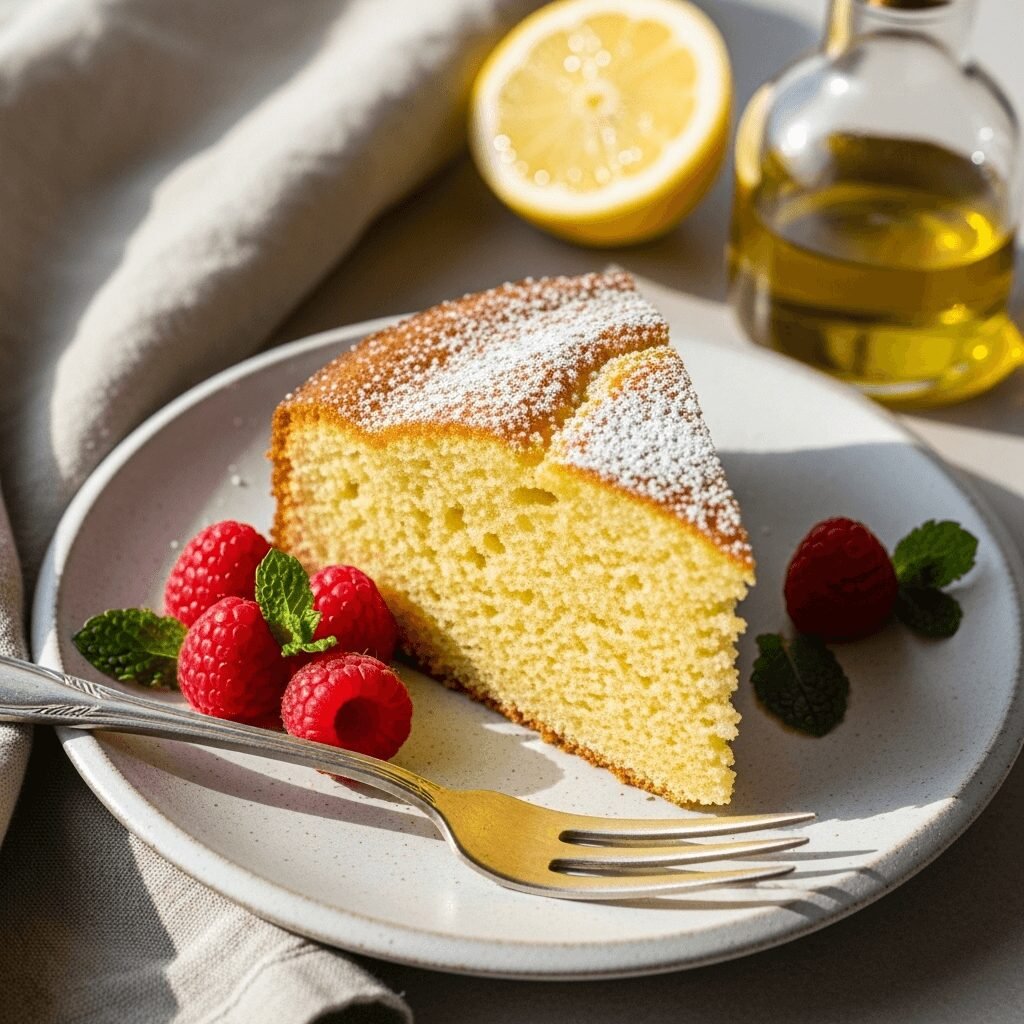
The Best Olive Oil Cake Recipe – Moist, Citrusy & Incredibly Easy!

If you’ve never tried olive oil cake before, you’re in for a delightful surprise! This isn’t your typical butter-based cake – it’s something wonderfully different. Olive oil cake is a tender, moist, and aromatic dessert with a delicate crumb that stays fresh for days. The olive oil gives it a luxurious texture and subtle fruity notes that pair beautifully with citrus, making every bite feel both elegant and comforting.
This Mediterranean-inspired cake is perfect for absolutely any occasion. Serve it as a simple weeknight dessert with a cup of tea, bring it to a potluck where it’ll steal the show, or dress it up with fresh berries and whipped cream for a dinner party finale. It’s equally at home on a casual Tuesday afternoon or at your fanciest brunch gathering. The best part? It comes together in one bowl with ingredients you probably already have in your pantry, and it requires no mixer – just a whisk and a little love!
History / Background
Olive oil cake has deep roots in Mediterranean cuisine, particularly in Italy, Greece, and Spain, where olive oil has been a culinary staple for thousands of years. In these regions, butter was historically expensive and less available, so resourceful home bakers turned to their abundant olive oil to create rich, flavorful cakes and pastries.
In Italy, you’ll find variations called “torta all’olio d’oliva” throughout Tuscany, Liguria, and other olive-growing regions. Italian grandmothers have been making versions of this cake for generations, often flavoring it with local citrus fruits like lemons and oranges from their own trees. The cake was traditionally a humble, everyday dessert – not fancy, but deeply satisfying and made with pride.
Greek and Spanish bakers also have their own versions, sometimes adding yogurt, honey, or regional spices. What all these cakes share is that beautiful, tender crumb that only olive oil can create, along with a flavor profile that’s subtly fruity and never greasy.
The olive oil cake gained popularity in America over the past two decades as home cooks became more adventurous and interested in Mediterranean diets. Food writers and chefs like Maura Kilpatrick and cookbook authors championed this simple cake, and it quickly became a beloved staple in American home kitchens. Today, it’s celebrated for being naturally dairy-free, incredibly moist, and forgiving for beginner bakers – plus it actually tastes better the next day!
Why You’ll Love This Recipe
This olive oil cake checks every single box for what makes a recipe truly special. It’s the kind of cake that looks impressive but requires minimal effort, making it perfect for both experienced bakers and complete beginners.
Here’s why this recipe will become your new favorite:
- Ridiculously Easy – No mixer required! Just whisk everything together in one bowl and pour into your pan. If you can stir, you can make this cake.
- Incredibly Moist – The olive oil keeps this cake tender and prevents it from drying out. It stays delicious for up to 5 days at room temperature.
- Naturally Dairy-Free – Perfect for anyone avoiding dairy, and you’d never guess it doesn’t contain butter.
- Budget-Friendly – Made with basic pantry staples, nothing exotic or expensive required.
- Make-Ahead Friendly – Actually tastes BETTER the next day as the flavors meld together beautifully.
- Versatile – Serve it plain dusted with powdered sugar, top it with fresh fruit, drizzle with glaze, or serve with ice cream.
- Not Too Sweet – The subtle sweetness makes it perfect for any time of day – breakfast, afternoon snack, or dessert.
- Impressive Yet Simple – Guests will think you spent hours in the kitchen when it really took you just 15 minutes of hands-on time.
Ingredient Notes
Let’s talk about what goes into this beautiful cake and why each ingredient matters. Understanding your ingredients helps you become a better baker!
Extra Virgin Olive Oil – This is the star of the show! Use a good quality extra virgin olive oil, but not your most expensive, peppery finishing oil. Look for something fruity and mild. The olive oil creates that signature moist, tender crumb and adds subtle complexity. Don’t worry – the cake won’t taste like salad! The baking process mellows the olive flavor considerably. If you’re nervous, use a lighter olive oil for your first attempt.
All-Purpose Flour – Standard all-purpose flour works perfectly here. Make sure to measure it correctly by spooning it into your measuring cup and leveling it off – don’t pack it down or scoop directly from the bag, which can lead to a dense cake.
Granulated Sugar – Provides sweetness and helps create the cake’s tender structure. You can reduce it slightly if you prefer a less sweet cake, but don’t go below 1 cup or the texture will change.
Eggs – Room temperature eggs work best as they incorporate more easily into the batter. They provide structure, moisture, and richness. Make sure they’re fresh for the best rise and texture.
Fresh Citrus – Lemon and orange zest add bright, aromatic flavor that complements the olive oil beautifully. Always use fresh citrus – the bottled stuff can’t compare! The juice adds acidity which balances the richness and enhances all the other flavors.
Vanilla Extract – Use pure vanilla extract, not imitation. It adds warmth and depth to the flavor profile.
Baking Powder – Make sure yours is fresh (check the expiration date!) for proper rise. Old baking powder means a flat, dense cake.
Salt – A small amount enhances all the flavors and balances the sweetness. Don’t skip it!
Milk or Alternative – Just a splash adds moisture and helps create the perfect batter consistency. Any milk works – dairy, almond, oat, or soy.
Equipment Needed
You won’t need any fancy equipment for this cake – just some basic kitchen tools:
- 9-inch round cake pan or springform pan (or 8×8-inch square pan)
- Large mixing bowl
- Whisk (balloon whisk works great)
- Measuring cups and spoons
- Microplane or zester (for citrus zest)
- Rubber spatula
- Parchment paper (optional but recommended for easy removal)
- Toothpick or cake tester
- Wire cooling rack
- Sifter or fine-mesh sieve (optional, for dusting with powdered sugar)
Olive Oil Cake Recipe

This classic Mediterranean olive oil cake is incredibly moist, citrusy, and easy to make with just one bowl. The olive oil creates a tender crumb that stays fresh for days, while fresh lemon and orange zest add bright, aromatic flavor. Perfect for any occasion from casual coffee breaks to elegant dinner parties!
- Prep Time: 15 minutes
- Cook Time: 45 minutes
- Total Time: 1 hour
- Yield: 8-10 servings 1x
- Category: Dessert
- Method: Baking
- Cuisine: Mediterranean
- Diet: Vegetarian
Ingredients
- 1½ cups all-purpose flour
- 2 teaspoons baking powder
- ½ teaspoon salt
- 1¼ cups granulated sugar
- 3 large eggs, room temperature
- ¾ cup extra virgin olive oil (use a mild, fruity variety)
- ¾ cup milk (dairy or non-dairy)
- 2 tablespoons fresh lemon juice
- 1 tablespoon fresh orange juice
- Zest of 1 large lemon
- Zest of 1 large orange
- 1½ teaspoons pure vanilla extract
- Powdered sugar for dusting (optional)
Instructions
- Preheat and Prepare: Preheat your oven to 350°F (175°C). Grease a 9-inch round cake pan generously with olive oil or cooking spray, then line the bottom with parchment paper. Grease the parchment as well. This ensures easy cake removal!
- Mix Dry Ingredients: In a large mixing bowl, whisk together the flour, baking powder, and salt until well combined. Set aside while you prepare the wet ingredients.
- Combine Wet Ingredients: In another large bowl (or in the same bowl if you want fewer dishes – just remove the dry ingredients temporarily), whisk together the sugar and eggs vigorously for about 1 minute until the mixture becomes pale and slightly thickened. This incorporates air for a lighter cake.
- Add the Olive Oil: Slowly drizzle in the olive oil while whisking continuously. Keep whisking until the mixture is smooth and emulsified – it should look glossy and thick.
- Add Citrus and Vanilla: Whisk in the milk, lemon juice, orange juice, lemon zest, orange zest, and vanilla extract. Mix until everything is beautifully combined and aromatic.
- Fold in Dry Ingredients: Add the flour mixture to the wet ingredients in two additions. Using a rubber spatula or wooden spoon, gently fold the flour in with sweeping motions, being careful not to overmix. Stop as soon as you no longer see dry flour streaks. The batter should be smooth, pourable, and slightly thick – similar to pancake batter.
- Bake the Cake: Pour the batter into your prepared pan and smooth the top gently with a spatula. Give the pan a light tap on the counter to release any air bubbles. Bake for 40-45 minutes, or until the top is golden brown and a toothpick inserted into the center comes out clean or with just a few moist crumbs.
- Cool and Serve: Let the cake cool in the pan for 15 minutes, then carefully turn it out onto a wire rack to cool completely. Once cooled, dust generously with powdered sugar if desired. Slice and serve with fresh berries, whipped cream, or simply enjoy it on its own!
Notes
- Olive Oil Choice: Use a mild, fruity extra virgin olive oil for best results. Avoid strongly flavored or very peppery oils which can be too assertive in a dessert.
- Room Temperature Ingredients: Eggs and milk should be at room temperature for the smoothest batter and best texture.
- Don’t Overmix: Once you add the flour, mix just until combined. Overmixing develops gluten and can make the cake tough.
- Baking Time: Oven temperatures vary. Start checking at 40 minutes, but your cake may need up to 50 minutes depending on your pan and oven.
- Storage: This cake keeps beautifully! Store covered at room temperature for up to 5 days, and many find it tastes even better on day 2 or 3.
Nutrition
- Serving Size: 1 slice (⅛ of cake)
- Calories: 365
- Sugar: 28g
- Sodium: 215mg
- Fat: 18g
- Saturated Fat: 3g
- Unsaturated Fat: 14g
- Trans Fat: 0g
- Carbohydrates: 46g
- Fiber: 1g
- Protein: 5g
- Cholesterol: 55mg
Tips & Variations
The beautiful thing about olive oil cake is how adaptable it is to your preferences and what you have on hand. Here are some delicious ways to customize this recipe:
Citrus Variations: Love lemon? Use all lemon zest and juice for a pure lemon cake. Or try all orange for a sweeter, more mellow flavor. You can even experiment with grapefruit or lime zest for something unique!
Add Fresh Herbs: Finely minced fresh rosemary (about 1 tablespoon) adds a sophisticated, savory note that’s absolutely stunning. Thyme or lavender (use sparingly – just 1 teaspoon) also work beautifully with the citrus.
Berry Bliss: Fold 1 cup of fresh or frozen blueberries, raspberries, or chopped strawberries into the batter for bursts of fruity goodness. If using frozen berries, don’t thaw them first!
Chocolate Lover’s Version: Add ½ cup dark chocolate chips or chunks to the batter for a more decadent dessert.
Almond Enhancement: Replace the vanilla with almond extract, or use half of each. You can also fold in ½ cup sliced almonds for added texture.
Glaze It: Make a simple glaze by whisking together 1 cup powdered sugar with 2-3 tablespoons lemon juice or orange juice. Drizzle over the cooled cake for extra sweetness and visual appeal.
Yogurt Variation: Replace half the milk with Greek yogurt for extra tang and an even more tender crumb.
Spiced Version: Add ½ teaspoon ground cardamom or cinnamon to the dry ingredients for a warming, aromatic twist.
Pro Chef Tips
Want to take your olive oil cake from great to absolutely phenomenal? Here are some professional secrets:
Bloom Your Citrus Zest: After zesting your citrus, rub the zest with the sugar using your fingertips for about 30 seconds. This releases the essential oils and infuses the sugar with incredible citrus flavor. This one simple step makes a huge difference!
Use a Kitchen Scale: For the most consistent results, weigh your flour (1½ cups = 180g). Measuring by weight eliminates variations from how you scoop and gives you a perfect cake every time.
The Emulsification is Key: When you’re adding the olive oil to the egg mixture, drizzle it slowly while whisking continuously. This creates a proper emulsion that results in a more tender, cohesive crumb structure.
Room Temperature Matters: Cold eggs won’t emulsify properly with the oil. If you forget to bring them to room temperature, place them in a bowl of warm water for 5-10 minutes.
Test for Doneness Properly: The toothpick test is good, but also gently press the center of the cake – it should spring back. The edges should just be pulling away from the pan sides, and the top should be golden brown.
Cool in Stages: The 15-minute cooling period in the pan is crucial. It allows the cake to set up enough to remove without falling apart, but not so long that it steams and becomes soggy.
Syrup Soak Option: For an even more moist, bakery-style cake, make a simple syrup (equal parts sugar and water, heated until sugar dissolves, then add citrus juice) and brush it over the warm cake. This is how many Mediterranean bakeries achieve that incredible moisture!
Common Mistakes to Avoid
Even though this cake is forgiving, there are a few pitfalls to watch out for:
Using the Wrong Olive Oil: Extra virgin olive oil that’s too robust, peppery, or bitter can make your cake taste unpleasant. Stick with mild, fruity oils labeled as “light” or “delicate.” Save your expensive finishing oils for salads!
Overmixing the Batter: Once you add the flour, use a light hand and fold gently. Vigorous mixing or using an electric mixer at this stage develops too much gluten, resulting in a tough, dense cake rather than a tender, delicate one.
Not Greasing the Pan Properly: Even if you’re using parchment paper, grease both the pan and the paper. Olive oil cakes can stick stubbornly, and there’s nothing sadder than a beautiful cake that falls apart during removal.
Skipping the Room Temperature Step: Cold eggs won’t blend smoothly with the oil and can create a separated, curdled-looking batter. Always bring eggs and milk to room temperature for the smoothest, most beautiful texture.
Opening the Oven Too Early: Resist the temptation to check your cake before 35 minutes. Opening the oven lets heat escape and can cause the cake to sink in the middle. Only open when you’re ready to test for doneness.
Cutting Too Soon: I know it’s hard to wait, but cutting into a hot cake results in a gummy texture and uneven slices. Let it cool for at least 30 minutes, or completely if you can stand it!
Not Adjusting for Pan Size: If you use an 8-inch pan instead of 9-inch, your cake will be thicker and need 5-10 more minutes of baking time. An 8×8 square pan works similarly. Watch for visual cues of doneness.
Storage & Meal Prep
One of the best things about olive oil cake is how wonderfully it keeps – in fact, it actually improves with time!
Room Temperature Storage: Store your cake in an airtight container or wrapped tightly in plastic wrap at room temperature for up to 5 days. The olive oil keeps it incredibly moist, and the flavors continue to develop and meld beautifully. Many people (myself included!) think this cake tastes best on day 2 or 3 when the citrus notes have really infused throughout.
Refrigeration: While not necessary, you can refrigerate the cake if your kitchen is very warm or if you’ve added a perishable topping like whipped cream. Wrap it well and it’ll keep for up to a week in the fridge. Just bring it back to room temperature before serving for the best texture and flavor – cold cake is never as delicious!
Reheating: This cake is delicious at room temperature, but if you prefer it warm, individual slices can be heated in the microwave for 10-15 seconds, or wrapped in foil and warmed in a 300°F oven for 5-7 minutes.
Portion Control Tip: If you’re cooking for one or two, consider slicing the entire cooled cake and wrapping individual slices in plastic wrap. Store them in an airtight container so you can grab a single serving whenever the craving hits!
Make-Ahead & Freezer Notes
This is a fantastic make-ahead dessert that actually benefits from resting!
Make-Ahead Instructions: You can bake this cake up to 3 days in advance. Once completely cooled, wrap it tightly in plastic wrap (I do two layers) and store at room temperature. Wait to dust with powdered sugar until just before serving, as it will absorb into the cake if done too early. If you’re making a glazed version, you can add the glaze up to 24 hours ahead.
Freezer Instructions: Olive oil cake freezes beautifully for up to 3 months! Here’s how to do it properly:
- Let the cake cool completely to room temperature.
- Wrap the whole cake (or individual slices) tightly in plastic wrap – make sure there are no gaps where air can get in.
- Wrap again in aluminum foil for extra protection against freezer burn.
- Label with the date and contents.
- Freeze flat so nothing gets squished!
Thawing Instructions: Move the wrapped cake from the freezer to the refrigerator the night before you want to serve it. Let it thaw overnight, then bring to room temperature for 1-2 hours before unwrapping and serving. For individual slices, you can thaw at room temperature for about an hour. The texture will be just as perfect as the day you baked it!
Pro Tip: Freeze individual slices for the ultimate in convenience. You’ll have homemade cake ready whenever you want it, with no temptation to eat the entire thing in one sitting!
Serving Suggestions
The simple elegance of olive oil cake makes it incredibly versatile. Here are some beautiful ways to serve it:
Classic Presentation: Dust generously with powdered sugar and serve with a pot of hot tea or strong coffee. This is how it’s often enjoyed in Italy – simple, perfect, and letting the cake itself shine.
Fresh Fruit Topping: Macerate fresh berries (strawberries, blueberries, raspberries, or blackberries) with a tablespoon of sugar and a squeeze of lemon juice for 15 minutes. Spoon over slices of cake for a stunning, fresh dessert. Stone fruits like peaches, plums, or cherries also work beautifully!
Whipped Cream or Mascarpone: Serve with a dollop of freshly whipped cream, or for something more luxurious, whipped mascarpone cheese lightly sweetened with powdered sugar. The richness complements the cake perfectly.
Ice Cream Pairing: A scoop of vanilla gelato, lemon sorbet, or pistachio ice cream alongside a slice of cake creates an impressive dessert that feels restaurant-worthy.
With Citrus Compote: Make a quick compote by simmering orange or grapefruit segments with a bit of honey and a splash of Grand Marnier or orange juice. Spoon the warm compote over cake slices.
Afternoon Tea Service: Cut into small squares and serve as part of an afternoon tea spread alongside scones, finger sandwiches, and petit fours.
Breakfast or Brunch: Yes, really! A slice of this not-too-sweet cake with your morning coffee is absolutely delightful. Toast leftover slices lightly for a special breakfast treat.
With Honey and Nuts: Drizzle with good honey and sprinkle with toasted pistachios, almonds, or walnuts for a Mediterranean-inspired presentation.
FAQs Section
Can I use regular vegetable oil instead of olive oil? Technically yes, but I don’t recommend it. The olive oil is what makes this cake special! It provides that unique flavor profile and incredible moisture. Regular vegetable oil will make a fine cake, but it won’t have the same character or subtle complexity. If you’re worried about olive flavor, use a mild “light” olive oil for your first attempt.
Why is my cake dense instead of light and fluffy? The most common cause is overmixing after adding the flour, which develops too much gluten. Remember to fold gently and stop as soon as the flour is incorporated. Another possibility is old baking powder – check your expiration date! Finally, make sure you’re measuring flour correctly by spooning it into the cup and leveling off, not scooping directly from the bag which packs in too much flour.
Can I make this cake gluten-free? Yes! Use a good quality 1-to-1 gluten-free baking flour blend (like Bob’s Red Mill or King Arthur) in place of the all-purpose flour. The results are excellent because the olive oil keeps the cake moist and tender even without gluten. You might need to add an extra 2-3 minutes to the baking time.
My cake sank in the middle – what happened? This usually means the cake was underbaked, even if the top looked done. The center needs to be fully set before you remove it from the oven. It could also be from opening the oven door too early and letting out heat, or from overmixing which creates too much air that then collapses. Make sure to bake until a toothpick comes out clean and the center springs back when gently pressed.
Can I add mix-ins like chocolate chips or nuts? Absolutely! Fold in up to 1 cup of chocolate chips, chopped nuts, dried fruit, or fresh berries at the very end, just before pouring into the pan. If using frozen berries, don’t thaw them first – toss them in frozen so they don’t bleed color into your batter.
How do I prevent my cake from sticking to the pan? Proper pan preparation is key! Grease the pan thoroughly with olive oil or baking spray, then line the bottom with parchment paper cut to fit. Grease the parchment paper too. Let the cake cool for 15 minutes in the pan before trying to remove it – if you try too soon it can fall apart, and if you wait too long it can stick.
Can I make this into cupcakes or a loaf? Yes to both! For cupcakes, line a 12-cup muffin tin and fill each cup about ⅔ full. Bake for 18-22 minutes. For a loaf, use a 9×5-inch loaf pan and bake for 50-60 minutes. The batter works beautifully in different formats!
Conclusion
There you have it – everything you need to know to make the most incredible, moist, citrusy olive oil cake! This is truly one of those special recipes that looks and tastes impressive but is secretly so easy that you’ll find yourself making it again and again. Whether you’re new to baking or a seasoned pro, this Mediterranean classic is sure to become a favorite in your recipe collection.
The beauty of this cake lies in its simplicity and versatility. Serve it plain with coffee for a quiet afternoon treat, dress it up with berries and cream for a dinner party, or give it as a gift to friends who will be amazed by your baking skills. It’s naturally dairy-free, keeps for days, and actually gets better as it sits – what’s not to love?
I’d absolutely love to hear how your olive oil cake turns out! Did you add your own twist with different citrus or herbs? Did you discover a new favorite way to serve it? Leave a comment below and let me know, and don’t forget to rate this recipe if you try it. Your feedback helps other home cooks know what to expect!
Be sure to save this recipe to your Pinterest boards so you can find it easily the next time a cake craving strikes! Pin it to your dessert board, your baking board, or your make-ahead recipes collection – wherever you’ll remember to come back to it. And if you make it, I’d be thrilled if you’d share a photo and tag me so I can see your beautiful creation!
Happy baking, friends! Here’s to simple, delicious cakes that bring joy to your table. 🍋🫒