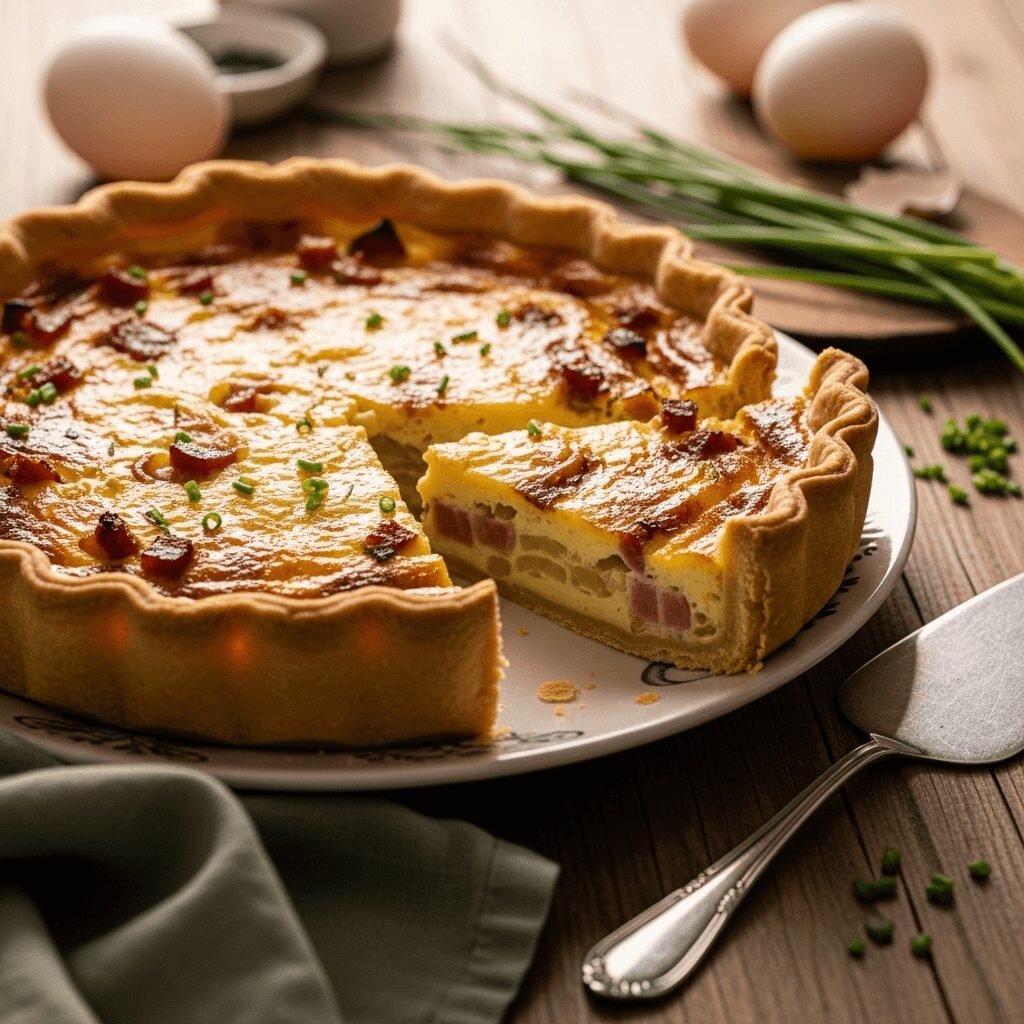
Classic French Quiche Recipe – Buttery, Custardy, and Perfect Every Time!

There’s something utterly magical about a perfectly baked quiche. With its golden, flaky crust cradling a silky-smooth custard filling studded with savory ingredients, quiche is the ultimate crowd-pleaser that works beautifully for brunch, lunch, or dinner. This classic French quiche recipe delivers restaurant-quality results right in your own kitchen, and the best part? It’s surprisingly simple to make!
Whether you’re hosting a weekend brunch, need an elegant dish for a baby shower, or simply want to meal prep breakfast for the week, this quiche recipe has you covered. It’s endlessly customizable, utterly delicious served warm or at room temperature, and always impresses guests with its sophisticated appearance. The buttery crust shatters delicately under your fork, giving way to that dreamy, custard-like filling that’s seasoned to perfection. Once you master this basic technique, you’ll find yourself making quiche again and again, experimenting with different fillings and falling more in love with this French classic each time.
History / Background
Quiche has become synonymous with French cuisine, but its origins tell a more complex story that spans borders and centuries. The word “quiche” actually derives from the German word “kuchen,” meaning cake. The dish originated in the medieval kingdom of Lothringen, which was under German rule and is now the French region of Lorraine. This historical context explains why the most famous version, Quiche Lorraine, bears the region’s name.
The original Quiche Lorraine was quite different from what we know today. Medieval recipes featured a bread dough crust (not the buttery pâte brisée we use now) filled with a custard made from eggs and cream, studded with smoked bacon. Interestingly, cheese wasn’t part of the traditional recipe—that came later as the dish evolved and spread throughout France and beyond.
Quiche gained international fame in the 1950s and 1960s when French cuisine experienced a major cultural moment in America and Britain. It became a symbol of sophistication and continental elegance, appearing at fashionable luncheons and cocktail parties. By the 1970s, quiche had become so ubiquitous in certain circles that it sparked the humorous backlash captured in the 1982 book “Real Men Don’t Eat Quiche”—though thankfully, that silly notion has long since been debunked!
Today, quiche has transcended its French origins to become a beloved dish worldwide. From classic Lorraine to vegetable-packed versions, seafood-studded variations, and creative modern interpretations, quiche has proven its versatility and staying power. It remains a staple of French bistros while also finding a comfortable home in American brunches, British picnics, and breakfast tables around the globe.
Why You’ll Love This Recipe
This classic quiche recipe strikes the perfect balance between elegant and approachable. It looks and tastes like something from a French bakery, but you don’t need any fancy culinary training to pull it off successfully.
Here’s why this recipe will become your new favorite:
- Versatile and customizable – Use this master recipe as your foundation and swap in any vegetables, meats, or cheeses you love
- Make-ahead friendly – Perfect for stress-free entertaining since it can be prepared the day before
- Budget-conscious – Uses everyday ingredients that won’t break the bank
- Great for meal prep – Slices reheat beautifully, giving you quick, protein-packed breakfasts all week
- Feeds a crowd – One quiche serves 6-8 people generously
- Looks impressive – The beautiful presentation makes it perfect for special occasions, yet it’s simple enough for weeknight dinners
- Delicious at any temperature – Enjoy it hot, warm, or at room temperature—it’s fantastic every way
- Beginner-friendly – Clear steps and straightforward technique mean even novice bakers can succeed
Ingredient Notes
Pie Crust – You can absolutely use a store-bought refrigerated pie crust to save time (no judgment here!), but homemade pâte brisée takes your quiche to the next level. The key is keeping everything cold—cold butter, cold water, and working quickly so the butter doesn’t melt before baking.
Eggs – The foundation of any quiche custard. Large eggs work best for the proper ratio. They provide structure and that signature custardy texture when combined with cream.
Heavy Cream – This is what gives quiche its luxurious, silky texture. You can substitute half-and-half for a lighter version, but avoid using milk alone as it makes the texture too thin and less rich. For the best flavor and texture, stick with heavy cream or use a combination of heavy cream and whole milk.
Gruyère Cheese – The traditional cheese for French quiche, Gruyère melts beautifully and offers a nutty, slightly sweet flavor that’s absolutely perfect. If you can’t find Gruyère, Swiss cheese makes an excellent substitute, or try sharp white cheddar for an American twist.
Bacon – Adds that essential smoky, savory element. Cook it until crispy, then crumble it into the quiche. You can substitute ham, prosciutto, or Canadian bacon, or omit it entirely for a vegetarian version.
Onions – Sautéed onions add sweetness and depth of flavor. Yellow onions work great, but shallots provide a more delicate, sophisticated taste if you want to get fancy.
Nutmeg – Just a tiny pinch of freshly grated nutmeg elevates the entire custard. It’s a secret ingredient that French cooks always include! Don’t skip it—it adds a warm, subtle complexity.
Salt and Pepper – Essential for seasoning the custard. Remember that bacon and cheese both add saltiness, so taste your custard before adding too much salt.
Equipment Needed
- 9-inch pie dish or tart pan with removable bottom
- Large mixing bowl
- Medium mixing bowl
- Whisk
- Large skillet
- Measuring cups and spoons
- Rolling pin (if making homemade crust)
- Pie weights or dried beans (for blind baking)
- Parchment paper or aluminum foil
- Cooling rack
- Cheese grater
- Cutting board and sharp knife
Quiche Recipe

This classic French quiche features a buttery, flaky crust filled with a silky egg custard, nutty Gruyère cheese, crispy bacon, and caramelized onions. Perfect for brunch, lunch, or a light dinner, this elegant yet easy recipe delivers bakery-quality results at home.
- Prep Time: 20 minutes
- Cook Time: 45 minutes
- Total Time: 1 hour 5 minutes (plus cooling time)
- Yield: 8 servings 1x
- Category: Breakfast, Brunch, Dinner
- Method: Baking
- Cuisine: French
- Diet: Vegetarian
Ingredients
For the Crust:
- 1 refrigerated pie crust (or homemade pâte brisée)
For the Filling:
- 6 strips thick-cut bacon, cooked crispy and crumbled
- 1 medium yellow onion, thinly sliced
- 1 tablespoon butter
- 4 large eggs
- 1½ cups heavy cream
- ½ cup whole milk
- 1½ cups shredded Gruyère cheese, divided
- ¼ teaspoon salt (adjust based on bacon saltiness)
- ¼ teaspoon black pepper
- ⅛ teaspoon freshly grated nutmeg
- 2 tablespoons fresh chives, chopped (optional)
Instructions
- Preheat and prepare crust: Preheat your oven to 375°F (190°C). Roll out your pie crust and fit it into a 9-inch pie dish, crimping the edges decoratively. Prick the bottom all over with a fork. Line with parchment paper and fill with pie weights or dried beans. Blind bake for 15 minutes, then remove weights and parchment and bake another 5 minutes until lightly golden. Remove from oven and set aside.
- Cook the bacon: In a large skillet over medium heat, cook bacon until crispy, about 8-10 minutes. Transfer to a paper towel-lined plate to drain, then crumble when cool enough to handle. Reserve 1 tablespoon of bacon grease in the pan (drain the rest).
- Caramelize the onions: In the same skillet with the bacon grease, add butter and sliced onions. Cook over medium-low heat, stirring occasionally, until onions are soft, golden, and caramelized, about 15-18 minutes. Season with a pinch of salt and pepper. Set aside to cool slightly.
- Make the custard: In a large mixing bowl, whisk together eggs, heavy cream, and milk until well combined and slightly frothy. Add salt, pepper, and nutmeg. Whisk again to incorporate all seasonings evenly.
- Assemble the quiche: Sprinkle half of the Gruyère cheese over the bottom of the pre-baked crust. Layer the caramelized onions evenly over the cheese, then scatter the crumbled bacon on top. Pour the custard mixture slowly over the fillings, being careful not to overflow. Sprinkle the remaining Gruyère cheese over the top.
- Bake: Place the pie dish on a baking sheet (to catch any drips) and carefully transfer to the oven. Bake at 375°F for 40-45 minutes, until the center is just set but still has a slight jiggle when gently shaken. The edges should be puffed and golden brown.
- Cool and serve: Remove from oven and let cool on a wire rack for at least 15-20 minutes before slicing. This allows the custard to fully set. Garnish with fresh chives if desired. Serve warm or at room temperature.
Notes
- Blind baking is essential – This prevents a soggy bottom crust by partially cooking it before adding the wet custard.
- Don’t overbake – The quiche continues cooking from residual heat as it cools. Remove it when the center still jiggles slightly for the creamiest texture.
- Prevent cracking – Avoid opening the oven door frequently, and don’t bake at too high a temperature.
- Customize your fillings – This recipe works with endless variations. Try spinach and feta, mushroom and Swiss, or tomato and basil.
- Room temperature ingredients – Let eggs and cream come to room temperature for the smoothest custard.
Nutrition
- Serving Size: 1 slice (⅛ of quiche)
- Calories: 425
- Sugar: 3g
- Sodium: 520mg
- Fat: 34g
- Saturated Fat: 19g
- Unsaturated Fat: 13g
- Trans Fat: 0g
- Carbohydrates: 18g
- Fiber: 1g
- Protein: 15g
- Cholesterol: 195mg
Tips & Variations
Vegetarian Quiche: Skip the bacon and load up on vegetables instead. Sautéed mushrooms, roasted bell peppers, blanched asparagus, or fresh spinach all work beautifully. Add extra cheese to compensate for the missing bacon flavor.
Lighter Version: Substitute half the heavy cream with whole milk or use half-and-half throughout. You can also use turkey bacon and reduce the cheese slightly, though the texture will be less rich.
Cheese Variations: While Gruyère is traditional, feel free to experiment! Sharp cheddar creates a more American-style quiche, goat cheese adds tangy sophistication, fontina melts beautifully, or try a combination of cheeses for complex flavor.
Add More Vegetables: Sautéed mushrooms, roasted cherry tomatoes, blanched broccoli, diced bell peppers, or fresh herbs can all be added to the filling. Just make sure vegetables are cooked first to remove excess moisture.
Spicy Kick: Add diced jalapeños, a pinch of cayenne pepper, or red pepper flakes to the custard for some heat.
Seafood Quiche: Replace bacon with smoked salmon, crabmeat, or cooked shrimp. Pair with dill and a bit of lemon zest for brightness.
Individual Quiches: Use this recipe to make muffin-tin quiches for portion control and easy serving. Reduce baking time to 20-25 minutes.
Pro Chef Tips
Use a thermometer for perfection: The ideal internal temperature for quiche is 165-170°F. Insert an instant-read thermometer into the center—this guarantees your custard is perfectly set without overbaking.
Layer cheese on the bottom: Sprinkling cheese directly on the crust creates a protective barrier that prevents the custard from making the crust soggy. This professional trick ensures a crispy bottom every time.
Strain your custard: For the silkiest, most restaurant-quality texture, pour your whisked custard through a fine-mesh strainer before adding it to the pie crust. This removes any chalazae (those white egg strands) and creates an ultra-smooth filling.
Avoid watery quiche: Always cook your vegetables before adding them to quiche. Raw vegetables release moisture during baking, which makes the custard watery and prevents it from setting properly. Pat cooked vegetables dry with paper towels before using.
The jiggle test is your friend: A perfectly baked quiche should jiggle slightly in just the center (about the size of a quarter) when you gently shake the pan. The edges should be completely set and puffed. Remember, it continues cooking as it cools!
Serve at the right temperature: While quiche can be served warm or at room temperature, it actually tastes best and slices most cleanly when it’s been allowed to cool for at least 30 minutes. This patience pays off in both flavor and presentation.
Common Mistakes to Avoid
Skipping the blind bake: If you don’t pre-bake the crust, you’ll end up with a soggy, undercooked bottom that’s pale and doughy. Always blind bake, even when you’re in a hurry—it only takes 20 minutes and makes all the difference.
Overfilling the crust: Leave about ¼ inch of space at the top of your crust. Overfilled quiche can overflow in the oven, creating a mess and uneven cooking. It’s better to have a bit of extra custard than to deal with cleanup and a lopsided quiche.
Using all milk instead of cream: Milk alone creates a thin, watery custard that lacks the signature richness of proper quiche. Stick with heavy cream or at minimum use half cream and half whole milk for best results.
Not seasoning properly: Eggs need more seasoning than you think. Underseasoned quiche tastes bland despite all your other efforts. Always taste your custard before baking (it’s safe—you’re about to bake it anyway) and adjust salt and pepper accordingly.
Baking at too high a temperature: High heat causes the eggs to cook too quickly, resulting in a rubbery texture and cracked surface. Moderate heat (375°F) allows the custard to set gently and evenly, creating that dreamy, creamy texture you’re after.
Storage & Meal Prep
Refrigerator Storage: Store leftover quiche covered tightly with plastic wrap or aluminum foil in the refrigerator for up to 4 days. You can also transfer slices to an airtight container. The quiche maintains its texture and flavor beautifully throughout the week.
Reheating Instructions: For best results, reheat quiche in a 350°F oven for 15-20 minutes until warmed through. This method maintains the crust’s crispness and heats the filling evenly. You can also microwave individual slices for 45-60 seconds on medium power, though the crust won’t be as crispy.
Room Temperature Serving: Quiche is perfectly safe and delicious served at room temperature. Let it sit out for no more than 2 hours according to food safety guidelines. This makes it ideal for buffets, picnics, and brunch spreads.
Meal Prep Benefits: Bake your quiche on Sunday and enjoy easy, protein-packed breakfasts all week. Slice it into portions, wrap each slice individually in plastic wrap, then store together in a container or freezer bag for grab-and-go convenience.
Make-Ahead & Freezer Notes
Make-Ahead Assembly: You can prepare the entire quiche up to 24 hours in advance. Assemble it completely, cover tightly with plastic wrap, and refrigerate. When ready to bake, let it sit at room temperature for 20 minutes, then bake as directed, adding 5-10 minutes to the baking time since it’s starting cold.
Prepare Components Separately: For maximum flexibility, blind bake the crust up to 2 days ahead, cook and store your fillings separately, and whisk the custard the morning you plan to bake. This breaks the work into manageable steps without compromising quality.
Freezing Baked Quiche: Quiche freezes excellently! Let it cool completely, then wrap tightly in plastic wrap followed by aluminum foil, or use a freezer-safe container. Freeze for up to 3 months. Thaw overnight in the refrigerator before reheating.
Freezing Unbaked Quiche: You can also freeze assembled but unbaked quiche. Freeze it first until solid, then wrap well. When ready to bake, no need to thaw—just add 15-20 minutes to the baking time and tent with foil if the crust browns too quickly.
Best Reheating Method for Frozen: Thaw frozen quiche overnight in the refrigerator, then reheat in a 350°F oven for 20-25 minutes until heated through. This gentle method preserves the texture perfectly.
Serving Suggestions
Quiche is wonderfully versatile and pairs beautifully with a variety of sides to create a complete, satisfying meal.
For Brunch: Serve alongside fresh fruit salad, crispy bacon or breakfast sausage, buttery croissants, and mimosas or freshly squeezed orange juice. Add a simple mixed greens salad with a light vinaigrette to balance the richness.
For Lunch: Pair with a classic French green salad (mesclun greens with Dijon vinaigrette), crusty baguette slices, tomato soup, or roasted vegetables. A chilled white wine like Sauvignon Blanc complements the flavors perfectly.
For Light Dinner: Serve with roasted asparagus, garlic green beans, or a Caesar salad. Add a cup of French onion soup for a bistro-style meal. Finish with fresh berries and whipped cream for dessert.
Beverage Pairings: White wines work best with quiche—try Chardonnay, Pinot Grigio, or a dry Riesling. For non-alcoholic options, serve with iced tea, sparkling water with lemon, or a light-bodied coffee.
Bread Options: Crusty French bread, buttery croissants, whole grain toast, or herb focaccia all make excellent accompaniments for soaking up every last bit of that delicious quiche.
FAQs Section
Q: Can I use a store-bought pie crust?
A: Absolutely! Store-bought refrigerated pie crust works perfectly and saves significant time. Just make sure to still blind bake it according to the instructions to prevent sogginess. Homemade crust tastes slightly better, but store-bought is a perfectly acceptable shortcut that still yields delicious results.
Q: Why is my quiche watery?
A: Watery quiche usually results from vegetables releasing moisture during baking. Always pre-cook vegetables and drain them well, patting dry with paper towels. Also, avoid using milk alone instead of cream, and make sure you’re not overbaking, which can cause the custard to “weep” and separate.
Q: Can I make quiche without cream?
A: While heavy cream creates the signature rich, silky texture, you can substitute with half-and-half or a mixture of whole milk and cream. Using only skim or low-fat milk will result in a thinner, less custardy texture that’s not quite authentic quiche. For dairy-free, try full-fat coconut milk or cashew cream.
Q: How do I know when quiche is done baking?
A: The quiche is done when the edges are set and puffed, the center still has a slight jiggle (about quarter-sized), and the internal temperature reaches 165-170°F. It should not be completely firm in the center when you remove it—it continues cooking as it cools. Overbaked quiche becomes rubbery.
Q: Can I freeze quiche?
A: Yes! Quiche freezes beautifully either baked or unbaked. Wrap cooled, baked quiche tightly in plastic wrap and foil, then freeze for up to 3 months. Thaw overnight in the fridge before reheating. You can also freeze assembled unbaked quiche and bake from frozen, adding extra baking time.
Q: What’s the best cheese for quiche?
A: Traditional French quiche uses Gruyère for its nutty flavor and excellent melting properties. Swiss cheese is the closest substitute, but sharp cheddar, fontina, goat cheese, or a combination also work wonderfully. Use cheeses that melt smoothly and have good flavor since cheese is a star ingredient.
Q: Do I need to blind bake the crust?
A: Yes, blind baking (pre-baking) the crust is essential for quiche! This step ensures your bottom crust stays crispy rather than becoming soggy from the liquid custard. It only takes about 20 minutes and makes a dramatic difference in the final texture. Don’t skip this crucial step!
Conclusion
There you have it—everything you need to create a stunning, bakery-worthy quiche right in your own kitchen! This classic French recipe may seem fancy, but as you’ve discovered, it’s surprisingly approachable for home cooks at any skill level. The combination of buttery, flaky crust, silky custard, melty cheese, and savory fillings creates pure magic in every single bite.
Whether you’re serving this elegant quiche for a special weekend brunch, preparing it for easy weekday breakfasts, or bringing it to your next potluck, it’s guaranteed to impress. The beauty of this master recipe is its versatility—once you’ve nailed the technique, you can customize it endlessly with your favorite ingredients and create your own signature variations.
I’d love to hear how your quiche turns out! Did you stick with the classic combination or experiment with your own fillings? Leave a comment below sharing your experience, and don’t forget to rate this recipe if you loved it. Save this recipe to your Pinterest boards so you can find it easily when those quiche cravings hit, and share it with your foodie friends who would appreciate this delicious recipe. Happy baking, and enjoy every custardy, buttery bite!