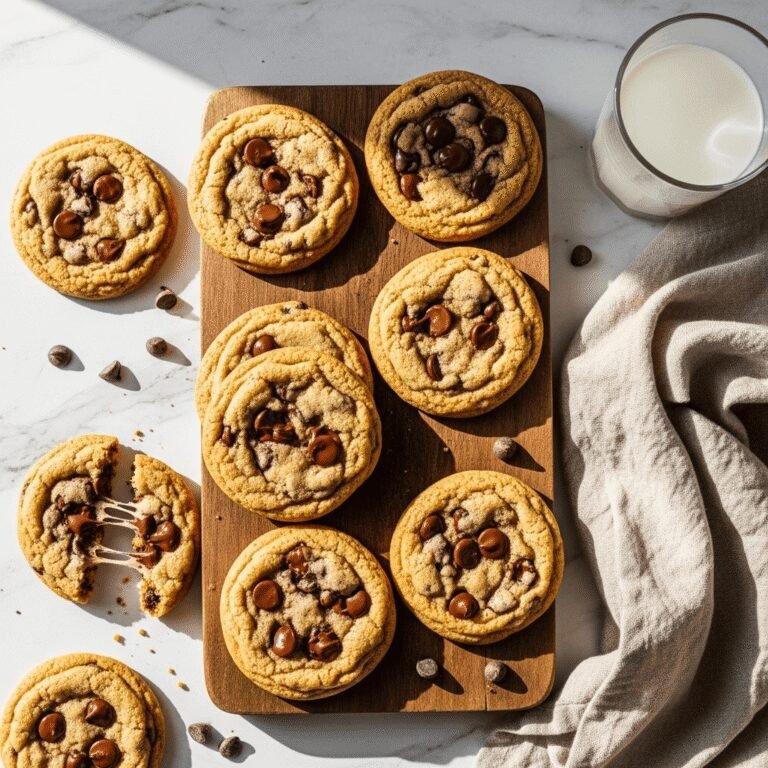
The Best Sugar Cookie Recipe – Soft, Buttery & Perfect for Decorating

Sugar cookies are the ultimate blank canvas in the baking world – soft, buttery, delicately sweet, and endlessly customizable. These classic cookies have been bringing joy to kitchens for generations, whether they’re cut into festive shapes for the holidays, decorated with royal icing for special occasions, or simply enjoyed plain with a glass of cold milk. This perfect sugar cookie recipe creates cookies that hold their shape beautifully when baked, have tender, melt-in-your-mouth texture, and taste absolutely heavenly with or without frosting. They’re ideal for Christmas cookie exchanges, birthday parties, Valentine’s Day, baby showers, or any time you want to create something special in your kitchen. The best part? This recipe is foolproof, beginner-friendly, and delivers bakery-quality results every single time!
History / Background
Sugar cookies have a rich history that spans continents and centuries. The origins of sugar cookies can be traced back to medieval Persia (modern-day Iran), where one of the first cultivation of sugar began. Sugar was expensive and considered a luxury, so sweet cookies were special treats reserved for the wealthy and important occasions.
As sugar cultivation spread through Europe in the Middle Ages, sweetened cookies became more common, though still relatively expensive. The Pennsylvania Dutch in the 1700s are credited with popularizing sugar cookies in America. They brought with them traditional Germanic baking techniques and created what we now recognize as classic sugar cookies – often called “Nazareth Sugar Cookies” after the Pennsylvania town where they perfected their recipe.
These early American sugar cookies were quite different from what we enjoy today. They were typically rolled very thin and had a crisp, delicate texture rather than the soft, thick cookies we now prefer. The cookies were often flavored with rose water, caraway seeds, or other spices rather than vanilla extract.
The modern sugar cookie as we know it – soft, thick, and perfect for decorating – evolved significantly in the early 20th century. Several factors contributed to this evolution: improved home ovens with better temperature control, the advent of commercial baking powder, and the increasing affordability of butter and refined white sugar made them accessible to average households.
The tradition of decorating sugar cookies really took off in the mid-1900s. Cut-out sugar cookies became synonymous with holiday baking, particularly Christmas, when families would gather to roll, cut, and decorate cookies together. This tradition was bolstered by magazines like Better Homes and Gardens and cookbooks that featured elaborate decorated cookie designs.
Today, sugar cookies have become a year-round favorite, with themed cookie cutters and decorating supplies available for every imaginable occasion – from holidays to baby showers to weddings. Food bloggers and Instagram bakers have elevated cookie decorating to an art form, with incredibly intricate designs featuring royal icing, fondant, and edible paint.
Despite all the modern innovations, the basic sugar cookie recipe remains beautifully simple: flour, butter, sugar, eggs, and a bit of leavening. It’s this simplicity that makes them so versatile and beloved across generations.
Why You’ll Love This Recipe
This perfect sugar cookie recipe has been tested and refined to create cookies that are everything you want in a sugar cookie – soft yet sturdy, buttery, sweet but not cloying, and absolutely delicious.
- Holds shape perfectly – no spreading or puffing, ideal for intricate cookie cutter shapes
- Soft and tender texture – not hard or crunchy, with that perfect melt-in-your-mouth quality
- Rich, buttery flavor – tastes amazing even without frosting
- Easy to roll and cut – dough is workable and not sticky
- Beginner-friendly – straightforward steps with reliable results
- Kid-approved activity – perfect for baking with children
- Freezer-friendly dough – make ahead and bake when needed
- Versatile for any occasion – Christmas, birthdays, weddings, you name it
- Perfect for decorating – smooth surface takes frosting beautifully
- No chilling required before baking – though you can chill if you prefer
- Budget-friendly – uses simple, affordable pantry staples
- Makes a large batch – perfect for parties, gifts, and cookie swaps
Ingredient Notes
All-Purpose Flour: The foundation of your cookies. All-purpose flour provides the right protein content for cookies that are tender yet sturdy enough to hold their shape. Measuring flour correctly is crucial – spoon it into your measuring cup and level off rather than scooping directly, which packs in too much flour and creates dry cookies.
Unsalted Butter: Creates the rich, buttery flavor and tender texture. Using unsalted butter allows you to control the salt level precisely. The butter should be at room temperature (about 65-70°F) – soft enough to leave an indent when pressed but not melted or greasy. This is critical for proper creaming and texture.
Granulated Sugar: Provides sweetness and helps create the cookie structure. White granulated sugar creates the classic sugar cookie taste and texture. The sugar also helps cream with the butter to incorporate air, creating lighter cookies.
Eggs: Bind the ingredients together and add richness and moisture. Room temperature eggs incorporate better into the dough than cold ones. If you forget to take them out ahead, place cold eggs in a bowl of warm water for 5-10 minutes.
Vanilla Extract: The signature flavor! Use pure vanilla extract, not imitation, for the best taste. Vanilla enhances all the other flavors without being overwhelming. You can also experiment with almond extract for a different flavor profile.
Baking Powder: Provides gentle lift, creating cookies that are soft and tender rather than flat and dense. Make sure your baking powder is fresh (less than 6 months old) for best results. Test it by adding a teaspoon to hot water – it should fizz vigorously.
Salt: Essential for enhancing all the flavors and preventing the cookies from tasting flat or one-dimensional. Even sweet recipes need salt! It makes everything taste more like itself.
Optional Almond Extract: Many bakers add ½ teaspoon of almond extract along with vanilla for that classic sugar cookie flavor. It adds subtle depth without being identifiable as almond.
Equipment Needed
- Large mixing bowl (for creaming butter and sugar)
- Electric mixer (hand mixer or stand mixer)
- Measuring cups and spoons
- Rubber spatula
- Rolling pin
- Cookie cutters (any shapes you like)
- Baking sheets (2-3 sheets)
- Parchment paper or silicone baking mats
- Wire cooling racks
- Small offset spatula (for transferring cookies)
- Plastic wrap (for wrapping dough)
- Flour for dusting
- Optional: cookie decorating supplies (royal icing, sprinkles, food coloring, piping bags)
The Best Sugar Cookie Recipe – Soft, Buttery & Perfect for Decorating

These classic sugar cookies are soft, buttery, and hold their shape perfectly for decorating. With a tender, melt-in-your-mouth texture and rich vanilla flavor, they’re delicious plain or decorated with frosting and sprinkles. This foolproof recipe creates bakery-quality cookies that are perfect for any occasion.
- Prep Time: 20 minutes
- Cook Time: 10 minutes per batch
- Total Time: 30 minutes (plus optional chilling time)
- Yield: 24 cookies (3-inch cutters) 1x
- Category: Dessert
- Method: Baking
- Cuisine: American
- Diet: Vegetarian
Ingredients
For the Sugar Cookies:
- 3 cups all-purpose flour
- 1½ teaspoons baking powder
- ½ teaspoon salt
- 1 cup (2 sticks) unsalted butter, softened to room temperature
- 1 cup granulated sugar
- 2 large eggs, room temperature
- 2 teaspoons pure vanilla extract
- ½ teaspoon almond extract (optional but recommended)
For Simple Vanilla Frosting (Optional):
- 3 cups powdered sugar
- 3-4 tablespoons milk or cream
- ½ teaspoon vanilla extract
- Food coloring (optional)
Instructions
Prepare the Dry Ingredients:
- In a medium bowl, whisk together the flour, baking powder, and salt until well combined. Set aside.
Cream Butter and Sugar:
- In a large bowl using an electric mixer, beat the softened butter on medium speed for about 1 minute until creamy and smooth. Add the granulated sugar and continue beating on medium-high speed for 2-3 minutes until the mixture is light, fluffy, and pale in color. Scrape down the sides of the bowl as needed.
Add Eggs and Flavorings:
- Add the eggs one at a time, beating well after each addition until fully incorporated. The mixture may look slightly curdled – that’s normal. Add the vanilla extract and almond extract (if using), and mix until combined.
Combine Wet and Dry:
- With the mixer on low speed, gradually add the flour mixture to the butter mixture in three additions, mixing just until combined after each addition. Stop mixing as soon as you no longer see streaks of flour – overmixing creates tough cookies. The dough will be soft but shouldn’t be sticky. If it feels very sticky, you can chill it for 30 minutes.
Roll Out the Dough:
- Divide the dough in half for easier handling. On a lightly floured surface (or between two sheets of parchment paper), roll one portion of dough to about ¼-inch thickness. Thicker cookies (¼ to ⅜ inch) stay softer; thinner cookies become crispier. For the most consistent thickness, use rolling pin guides or rubber bands around your rolling pin.
Cut Out Shapes:
- Using cookie cutters, cut out shapes and use a small offset spatula or thin pancake turner to transfer them to baking sheets lined with parchment paper or silicone mats. Leave about 2 inches between cookies. Gather scraps, re-roll once, and cut more cookies. Don’t re-roll more than twice as the dough becomes tougher.
Bake the Cookies:
- Preheat your oven to 350°F (175°C). Bake cookies for 8-11 minutes depending on size. The cookies are done when the edges are just barely starting to turn golden – the centers may still look slightly underdone. DO NOT overbake! They will continue cooking on the hot pan after removal from the oven.
- Let cookies cool on the baking sheet for 5 minutes (this finishing cooking and firms them up), then carefully transfer to a wire rack to cool completely before decorating.
Make the Frosting (Optional):
- In a medium bowl, whisk together powdered sugar, 3 tablespoons of milk, and vanilla extract until smooth. Add more milk, one teaspoon at a time, until you reach desired consistency. For flooding/outlining, you want a thicker consistency; for spreading, slightly thinner. Divide and tint with food coloring if desired.
- Once cookies are completely cool, decorate as desired with frosting and sprinkles.
Notes
- Room temperature ingredients are key: Butter and eggs should be at room temperature for the best texture.
- Don’t overbake: Cookies continue cooking on the hot pan, so remove them when they look barely done.
- Chill if too soft: If your dough is too soft to roll, chill for 30-60 minutes.
- Measure flour correctly: Spoon flour into measuring cups and level off – don’t scoop and pack.
- Re-rolling: Only re-roll scraps once or twice maximum to prevent tough cookies.
- Thickness matters: ¼-inch thick cookies stay softer; thinner cookies become crispier.
Nutrition
- Serving Size: 1 cookie (unfrosted)
- Calories: 145
- Sugar: 8g
- Sodium: 75mg
- Fat: 8g
- Saturated Fat: 5g
- Unsaturated Fat: 3g
- Trans Fat: 0g
- Carbohydrates: 17g
- Fiber: 0.5g
- Protein: 2g
- Cholesterol: 35g
Tips & Variations
Chocolate Sugar Cookies: Replace ½ cup of flour with ½ cup of unsweetened cocoa powder for rich chocolate cookies. These are amazing for Halloween or Valentine’s Day cookies!
Lemon Sugar Cookies: Add 2 tablespoons of fresh lemon zest and replace the almond extract with lemon extract. Glaze with lemon icing for a bright, refreshing cookie.
Brown Butter Sugar Cookies: Brown the butter first, let it cool to room temperature, then proceed with the recipe. This adds incredible nutty, caramel-like flavor depth.
Sprinkle Cookies: Mix ¼ cup of colorful sprinkles into the dough before rolling for festive funfetti-style cookies.
Cinnamon Sugar Cookies: Add 1 teaspoon of ground cinnamon to the flour mixture. Roll cookies in cinnamon sugar before baking instead of frosting them.
Cream Cheese Sugar Cookies: Replace 4 tablespoons of butter with 4 ounces of softened cream cheese for ultra-tender, tangy cookies.
Vegan Sugar Cookies: Use vegan butter, replace eggs with flax eggs (2 tablespoons ground flaxseed mixed with 6 tablespoons water, let sit 5 minutes), and use non-dairy milk in frosting.
Gluten-Free: Use a 1:1 gluten-free baking flour blend. The cookies will be slightly more delicate but still delicious.
Royal Icing for Decorating: For crisp, professional-looking decorated cookies, use royal icing instead of buttercream frosting. It dries hard and smooth.
Pro Chef Tips
The butter temperature is everything: Room temperature butter (about 65-70°F) is crucial. It should be soft enough to leave an indent when pressed but still hold its shape. Too cold and it won’t cream properly; too warm and your cookies will spread. Set butter out 30-60 minutes before baking, or cut it into small pieces to speed up softening.
Cream butter and sugar thoroughly: Don’t rush this step! Beat for the full 2-3 minutes until the mixture is light, fluffy, and almost white in color. This incorporates air, creating lighter, more tender cookies. Scrape down the bowl several times during this process.
Don’t overmix after adding flour: Once you add flour, mix only until just combined. Overmixing develops gluten, making cookies tough and chewy instead of tender. Stop the mixer as soon as you no longer see streaks of flour.
Roll between parchment: For the easiest rolling with no sticking, roll dough between two sheets of parchment paper instead of on a floured surface. This eliminates the need for extra flour (which can make cookies dry) and makes cleanup easier.
Chill cut cookies before baking: After cutting shapes, place the entire baking sheet in the refrigerator or freezer for 10-15 minutes before baking. This helps cookies hold their shape even better and creates crispier edges.
Use parchment paper: Always line baking sheets with parchment or silicone mats. This prevents sticking, promotes even browning, and makes cleanup easier. Don’t skip this step!
Rotate baking sheets: Halfway through baking, rotate your baking sheet 180 degrees for more even browning. Ovens have hot spots, and rotation compensates for this.
Cool on the pan: Let cookies cool on the baking sheet for 5 minutes before moving them. They’re very fragile when hot and will break if moved too soon. This rest time also allows them to finish cooking and firm up.
Wait for complete cooling before decorating: Even slightly warm cookies will melt frosting. Be patient and let them cool completely on a wire rack – usually about 30 minutes.
Common Mistakes to Avoid
Using melted or too-soft butter: If butter is too warm, cookies will spread too much and lose their shape. Butter should be at room temperature but still firm enough to hold its shape. If you’ve accidentally softened it too much, pop it in the fridge for 10 minutes to firm up slightly.
Overmixing the dough: Once flour is added, mix only until you can’t see dry flour anymore. Overmixing develops gluten, creating tough, chewy cookies instead of tender ones. Use low speed and stop as soon as ingredients are combined.
Incorrect flour measurement: Scooping flour directly from the bag packs it down, adding too much flour and creating dry, crumbly cookies. Always spoon flour into your measuring cup and level off with a knife. Even better, weigh your flour (3 cups = 360g).
Overbaking: This is the most common mistake! Sugar cookies continue cooking on the hot baking sheet after you remove them from the oven. Take them out when edges are just barely starting to turn golden and centers look slightly underdone. They’ll firm up as they cool.
Rolling dough too thin: Cookies rolled thinner than ¼ inch will be crispy and hard, not soft and tender. For soft cookies, aim for ¼ to ⅜ inch thickness. Use rolling pin guides or rubber bands for consistent thickness.
Re-rolling scraps too many times: Each time you re-roll dough, you’re working it more and developing more gluten. Re-roll scraps only once or twice maximum. After that, the cookies become increasingly tough.
Decorating warm cookies: Frosting will melt and slide right off warm cookies. Always wait until cookies are completely cool to room temperature before decorating – usually 30-45 minutes after baking.
Storage & Meal Prep
Room Temperature Storage: Store completely cooled, unfrosted cookies in an airtight container at room temperature for up to 1 week. Place parchment paper between layers to prevent sticking. They’ll stay soft and delicious.
Storing Frosted Cookies: Once frosting has completely dried and hardened (usually 2-4 hours), store frosted cookies in a single layer or with parchment between layers in an airtight container. They’ll keep for up to 5 days at room temperature.
Refrigerator Storage: While not necessary, you can refrigerate cookies in an airtight container for up to 2 weeks. Let them come to room temperature before serving for best texture and flavor.
Storing Dough: Unbaked cookie dough can be refrigerated in a tightly covered bowl or wrapped in plastic wrap for up to 3 days. Let it sit at room temperature for 15-20 minutes before rolling to soften slightly for easier handling.
Keeping Cookies Soft: To keep cookies extra soft, add a slice of white bread to your storage container. The cookies will absorb moisture from the bread, staying tender. Replace the bread slice every couple days.
Dough Stays Fresh: If making dough ahead, wrap it tightly in plastic wrap and then place in a freezer bag to prevent it from absorbing refrigerator odors or drying out.
Make-Ahead & Freezer Notes
Freeze Cookie Dough: This is the ultimate make-ahead strategy! Wrap dough tightly in plastic wrap, then place in a freezer bag. Freeze for up to 3 months. Thaw overnight in the refrigerator, then let sit at room temperature for 15-20 minutes before rolling and cutting.
Freeze Cut, Unbaked Cookies: Cut out your shapes, place on a baking sheet, and freeze until solid (about 1 hour). Transfer frozen cut cookies to freezer bags or containers. Freeze for up to 3 months. Bake directly from frozen, adding 1-2 minutes to baking time.
Freeze Baked Cookies: Cool cookies completely, then place in a single layer in freezer bags or containers with parchment between layers. Freeze unfrosted cookies for up to 3 months. Thaw at room temperature for about 30 minutes, then decorate as desired.
Freezing Frosted Cookies: Yes, you can freeze decorated cookies! Make sure frosting is completely dry and hardened first. Place in a single layer in airtight containers or freeze in a single layer on a baking sheet, then carefully transfer to containers once frozen. Freeze for up to 2 months. Thaw at room temperature.
Best Make-Ahead Timeline:
- 1 month ahead: Make and freeze dough or baked unfrosted cookies
- 1 week ahead: Make and freeze cut unbaked cookies; or bake and store at room temperature
- 2-3 days ahead: Bake cookies and store in airtight containers
- 1 day ahead: Decorate cookies and let frosting dry overnight
Thawing Tips: Always thaw cookies at room temperature, not in the microwave (which can make them soggy). Frozen baked cookies thaw in about 30 minutes.
Serving Suggestions
Sugar cookies are wonderfully versatile and perfect for countless occasions:
Holiday Celebrations:
- Christmas: Cut into snowflakes, trees, stockings, and candy canes
- Valentine’s Day: Hearts decorated with pink and red frosting
- Easter: Bunnies, eggs, and spring flowers
- Halloween: Ghosts, pumpkins, and black cats
- Fourth of July: Stars and flags with red, white, and blue frosting
- Thanksgiving: Turkeys, leaves, and pumpkins
Special Occasions:
- Birthday parties with age numbers or themed shapes
- Baby showers with rattles, onesies, and baby carriages
- Bridal showers with wedding dresses and rings
- Graduations with caps and diplomas
- Housewarming parties with house shapes
- Teacher appreciation with apples and books
Beverage Pairings:
- Cold milk (the classic pairing!)
- Hot coffee or espresso
- Hot chocolate or cocoa
- Tea (especially chai or Earl Grey)
- Eggnog during the holidays
- Lemonade in summer
Create Cookie Platters: Arrange decorated sugar cookies on a pretty platter with other cookies like chocolate chip, oatmeal, and snickerdoodles for a beautiful variety dessert spread.
Cookie Decorating Party: Set up a cookie decorating station with plain sugar cookies, various colors of frosting, sprinkles, edible glitter, and other decorations. Let guests decorate their own – it’s a fun activity for kids and adults alike!
Gift Giving: Package decorated cookies in cellophane bags tied with ribbon, or arrange in decorative tins or boxes for beautiful homemade gifts. They’re perfect for teachers, neighbors, coworkers, and friends.
FAQs Section
Q: Why did my cookies spread and lose their shape?
A: Cookie spreading usually happens because the butter was too warm, the dough was too warm when it went into the oven, or you used too much butter. Make sure butter is only softened to room temperature (not melted), chill cut cookies for 10-15 minutes before baking, and measure ingredients carefully. Also ensure your baking powder is fresh for proper lift.
Q: Can I make sugar cookies without a mixer?
A: Yes! You can make these by hand, though it requires more elbow grease. Use a wooden spoon to cream the butter and sugar vigorously for 3-4 minutes, then continue mixing by hand for the remaining steps. The cookies will turn out great, though using a mixer makes the process easier and creates lighter texture.
Q: How do I get my cookies perfectly flat and smooth for decorating?
A: Roll dough to an even thickness (use rolling pin guides), freeze cut cookies for 15 minutes before baking, and don’t overbake – remove them when they’re just set and barely golden at the edges. If you want absolutely perfect cookies, you can gently press them with the bottom of a flat glass while they’re still warm on the baking sheet (within 1-2 minutes of coming out of the oven).
Q: Why are my cookies hard and dry?
A: Hard cookies result from too much flour (measured incorrectly), overbaking, rolling too thin, or overmixing the dough. Make sure to spoon flour into measuring cups and level off, remove cookies when they’re barely done, roll to ¼ inch thickness, and mix only until combined after adding flour.
Q: Can I use salted butter instead of unsalted?
A: Yes, but reduce or omit the salt called for in the recipe. Salted butter contains about ¼ teaspoon of salt per stick, so if using salted butter, reduce the recipe’s salt to ¼ teaspoon or omit it entirely. Unsalted butter is preferred because it gives you better control over the final flavor.
Q: How long should I let the cookies cool before frosting?
A: Cookies must be completely cool to room temperature before decorating – usually 30-45 minutes after baking. If they’re even slightly warm, frosting will melt and slide off. To speed cooling, you can place them in the refrigerator for 10-15 minutes once they’ve cooled on the rack for about 15 minutes.
Q: What’s the best way to get clean edges when cutting shapes?
A: Dip your cookie cutter in flour before each cut to prevent sticking. Press straight down firmly and lift straight up without twisting. Clean the cutter between uses if dough starts building up. For the cleanest edges, chill rolled dough for 15 minutes before cutting, and chill cut shapes for 10 minutes before baking.
Q: Can I add food coloring to the dough?
A: Yes! Gel food coloring works best as it doesn’t add extra liquid. Knead it into the dough until evenly distributed. Liquid food coloring can be used but may slightly affect dough consistency – you might need to add a tablespoon or two more flour. This is fun for themed cookies without needing frosting!
Conclusion
There’s something truly special about homemade sugar cookies – the buttery aroma filling your kitchen, the satisfaction of perfectly shaped cookies coming out of the oven, and the joy of decorating them (or eating them plain!) with people you love. These classic sugar cookies are more than just a recipe; they’re an invitation to slow down, get creative, and make memories.
The beauty of this perfect sugar cookie recipe is its reliability. Once you’ve made it a few times, you’ll have it down and will be able to whip up beautiful cookies for any occasion with confidence. Whether you’re a seasoned baker or just starting out, these cookies will make you look like a pro. And the best part? They taste even better than they look!
Ready to bake the best sugar cookies ever? I’d love to see your creations! Did you decorate them for a special occasion? Try any of the flavor variations? Leave a comment below and share your sugar cookie success story. And if you loved this recipe, please pin it to your favorite Pinterest baking board so you (and other home bakers) can find it again and again. These cookies deserve to be baked year-round!
Now grab your cookie cutters and let’s get baking – sweet memories await! 🍪