The Ultimate Vegan Cake Recipe – Moist, Fluffy & Dairy-Free Perfection
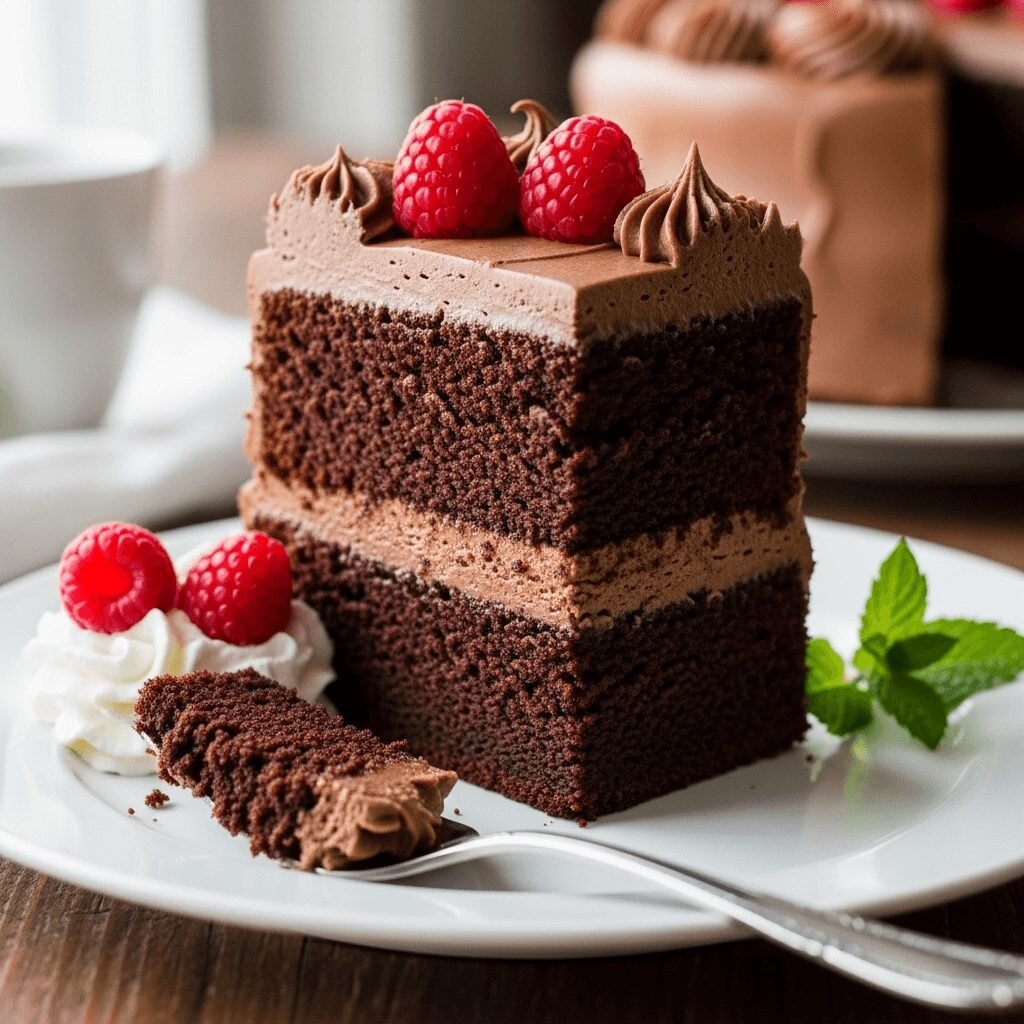
This vegan cake is proof that you don’t need eggs, butter, or milk to create an incredibly moist, tender, and delicious dessert. Whether you’re plant-based, have dairy allergies, or simply want to try something new, this vegan cake delivers on every level—rich flavor, perfect crumb, and a texture so light and fluffy that no one will guess it’s completely dairy-free and egg-free.
This cake is perfect for birthdays, celebrations, casual weeknight desserts, potlucks, or anytime you’re craving something sweet and satisfying. It’s also incredibly versatile—you can frost it with vegan buttercream, dust it with powdered sugar, or serve it plain with fresh berries. The best part? It comes together with simple pantry ingredients and takes less than an hour from start to finish.
If you’ve ever been skeptical about vegan baking, this recipe will change your mind. It’s approachable enough for beginners yet impressive enough to serve at special occasions. Get ready to fall in love with plant-based baking!
History / Background
Vegan baking has a fascinating history that dates back much further than the modern plant-based movement. During World War II, when eggs, butter, and milk were rationed, home bakers created “Depression cakes” or “wacky cakes” that used vinegar, oil, and baking soda to create lift and moisture without traditional dairy products. These recipes were born out of necessity but proved that delicious cakes could exist without animal products.
Fast forward to today, and vegan baking has exploded in popularity—not just among vegans, but among anyone looking to reduce their consumption of animal products, accommodate food allergies, or simply explore new culinary techniques. The science behind vegan baking has become incredibly sophisticated. We now understand how plant-based ingredients can perfectly replicate the function of eggs (binding and leavening), butter (fat and flavor), and milk (moisture and tenderness).
This particular vegan cake recipe draws inspiration from classic American layer cakes but uses plant-based swaps that have been perfected over decades of experimentation. The combination of apple cider vinegar and baking soda creates a chemical reaction that mimics the lift you’d get from eggs, while plant-based milk provides moisture and vegetable oil keeps the crumb tender for days. It’s a beautiful example of how traditional baking techniques can be adapted and improved upon for modern dietary preferences and needs.
Why You’ll Love This Recipe
This vegan cake is about to become your go-to dessert recipe, and here’s why: it’s foolproof, incredibly moist, and delivers bakery-quality results every single time. Even if you’re new to vegan baking, you’ll find this recipe forgiving and easy to follow. The ingredients are simple, affordable, and likely already in your pantry.
Here’s what makes this recipe special:
- Super moist and fluffy texture – Stays fresh for days thanks to the oil-based recipe
- No specialty ingredients – No flax eggs, aquafaba, or hard-to-find items required
- One-bowl method – Minimal cleanup and straightforward mixing
- Allergy-friendly – Naturally dairy-free and egg-free, easily made nut-free
- Budget-conscious – Uses affordable pantry staples instead of expensive vegan alternatives
- Versatile and customizable – Works as cupcakes, sheet cake, or layer cake
- Crowd-pleaser – Non-vegans won’t even know it’s plant-based
- Perfect for beginners – Simple steps with reliable results every time
- Make-ahead friendly – Can be baked in advance and freezes beautifully
Ingredient Notes
Let’s talk about the ingredients that make this vegan cake so incredible. Understanding why each component matters will help you achieve perfect results every time.
All-Purpose Flour – The foundation of our cake. All-purpose flour provides structure without making the cake tough. You can substitute with a 1:1 gluten-free baking blend if needed, though the texture will be slightly different.
Granulated Sugar – Adds sweetness and helps create a tender crumb. Sugar also attracts moisture, which keeps the cake from drying out. You can use organic cane sugar for a less refined option.
Cocoa Powder – If making a chocolate version, use unsweetened cocoa powder for deep chocolate flavor. Dutch-processed cocoa creates a darker, more sophisticated chocolate taste, while natural cocoa is lighter and fruitier.
Baking Soda – Our primary leavening agent. When combined with the vinegar, it creates carbon dioxide bubbles that make the cake rise and become fluffy.
Salt – Essential for enhancing all the other flavors. Never skip the salt in baking—it makes everything taste more vibrant.
Plant-Based Milk – Any non-dairy milk works beautifully. Almond, soy, oat, or cashew milk all produce excellent results. Choose unsweetened varieties to control the sweetness level.
Vegetable Oil – Keeps the cake incredibly moist and tender. Unlike butter, oil stays liquid at room temperature, which means your cake won’t dry out or become dense when cooled. Canola, sunflower, or light olive oil all work well.
Apple Cider Vinegar – The secret ingredient! When vinegar reacts with baking soda, it creates lift and a light texture. It also helps activate the gluten in the flour just enough to create structure without toughness.
Vanilla Extract – Pure vanilla extract adds depth and warmth to the flavor profile. It’s worth investing in good quality vanilla for the best results.
Equipment Needed
Having the right tools makes baking so much easier and more enjoyable. Here’s what you’ll need for this vegan cake:
- Mixing bowls (1 large bowl is sufficient for this one-bowl recipe)
- Whisk or electric mixer (hand whisking works perfectly fine)
- Measuring cups and spoons (accurate measurements are crucial in baking)
- 8-inch or 9-inch round cake pans (or a 9×13-inch baking pan for sheet cake)
- Parchment paper (for lining pans to prevent sticking)
- Rubber spatula (for scraping down sides and folding batter)
- Cooling rack (allows air circulation for even cooling)
- Toothpick or cake tester (to check for doneness)
- Sifter or fine-mesh strainer (optional, for lump-free dry ingredients)
- Offset spatula (helpful for frosting, but not essential)
Vegan Cake Recipe

A perfectly moist and fluffy vegan cake that’s dairy-free, egg-free, and absolutely delicious. This easy one-bowl recipe uses simple pantry ingredients to create a tender, flavorful cake that’s perfect for any occasion. No one will guess it’s vegan!
- Prep Time: 15 minutes
- Cook Time: 30-35 minutes
- Total Time: 50 minutes
- Yield: 12 servings 1x
- Category: Dessert
- Method: Baking
- Cuisine: American
- Diet: Gluten Free
Ingredients
- 2 cups all-purpose flour
- 1½ cups granulated sugar
- ⅓ cup unsweetened cocoa powder (for chocolate cake, omit for vanilla)
- 2 teaspoons baking soda
- ½ teaspoon salt
- 1½ cups plant-based milk (almond, soy, or oat milk)
- ⅔ cup vegetable oil (canola, sunflower, or light olive oil)
- 2 tablespoons apple cider vinegar
- 2 teaspoons pure vanilla extract
Instructions
- Preheat your oven to 350°F (175°C). Line two 8-inch round cake pans with parchment paper and lightly grease the sides with oil or cooking spray. This prevents sticking and ensures easy removal after baking.
- Combine the dry ingredients in a large mixing bowl. Whisk together the flour, sugar, cocoa powder (if using), baking soda, and salt until well combined. Make sure there are no lumps—this ensures even distribution of the leavening agents.
- Mix the wet ingredients in a separate bowl or large measuring cup. Combine the plant-based milk, vegetable oil, apple cider vinegar, and vanilla extract. Whisk until smooth and emulsified.
- Combine wet and dry ingredients by pouring the liquid mixture into the bowl with the dry ingredients. Gently whisk or stir with a rubber spatula until just combined. Don’t overmix—a few small lumps are perfectly fine. Overmixing can develop too much gluten, resulting in a tougher cake.
- Pour the batter evenly into your prepared cake pans. Tap the pans gently on the counter a few times to release any air bubbles trapped in the batter.
- Bake for 30-35 minutes, or until a toothpick inserted into the center comes out with just a few moist crumbs (not wet batter). The top should spring back when lightly touched. Start checking at 28 minutes to avoid overbaking.
- Cool the cakes in the pans for 10 minutes on a wire rack. Then carefully invert onto the rack to cool completely before frosting. This prevents condensation from forming on the cake surface.
- Frost and decorate once completely cooled. Use your favorite vegan frosting, fresh fruit, or a simple dusting of powdered sugar.
Notes
- For a vanilla cake, simply omit the cocoa powder and reduce the sugar slightly to 1¼ cups.
- Don’t substitute the apple cider vinegar with lemon juice—the acidity level affects the rise.
- The batter will be thin—this is normal and results in a moist, tender cake.
- For cupcakes, fill liners ⅔ full and bake for 18-22 minutes.
- Always measure flour by spooning it into the measuring cup and leveling off, not scooping directly from the bag.
Nutrition
- Serving Size: 1 slice (1/12 of cake)
- Calories: 285
- Sugar: 26g
- Sodium: 285mg
- Fat: 13g
- Saturated Fat: 1g
- Unsaturated Fat: 11.5g
- Trans Fat: 0g
- Carbohydrates: 40g
- Fiber: 2g
- Protein: 3g
- Cholesterol: 0mg
Tips & Variations
The beauty of this vegan cake recipe is how easily you can customize it to suit your preferences, dietary needs, or whatever you have on hand in your pantry.
Flavor Variations:
- Lemon Cake: Omit cocoa powder, add 2 tablespoons lemon zest and replace 2 tablespoons of milk with fresh lemon juice
- Spice Cake: Add 1 teaspoon cinnamon, ½ teaspoon nutmeg, and ¼ teaspoon ginger
- Almond Cake: Replace vanilla extract with almond extract and fold in ¼ cup sliced almonds
- Marble Cake: Divide batter in half, add cocoa to one portion, then swirl together in the pan
- Funfetti Cake: Fold in ½ cup vegan sprinkles (check they’re plant-based)
Dietary Modifications:
- Gluten-Free: Use a 1:1 gluten-free baking flour blend, add ½ teaspoon xanthan gum if your blend doesn’t contain it
- Sugar-Free: Substitute with coconut sugar or a granulated sugar alternative (results may vary)
- Oil-Free: Replace oil with unsweetened applesauce (texture will be less moist but still good)
Pan Size Adjustments:
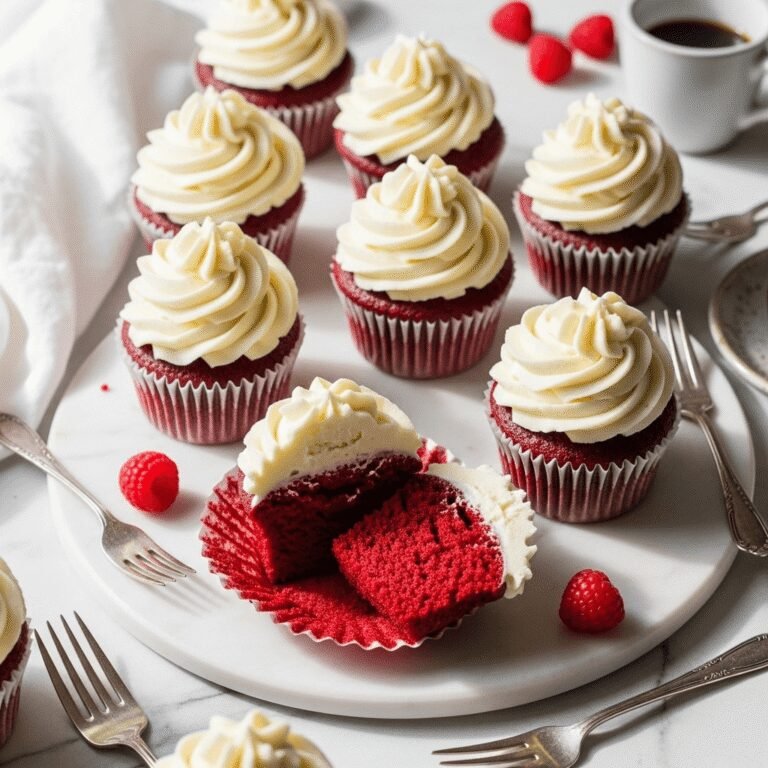
- Cupcakes: Makes 18-20 cupcakes, bake 18-22 minutes
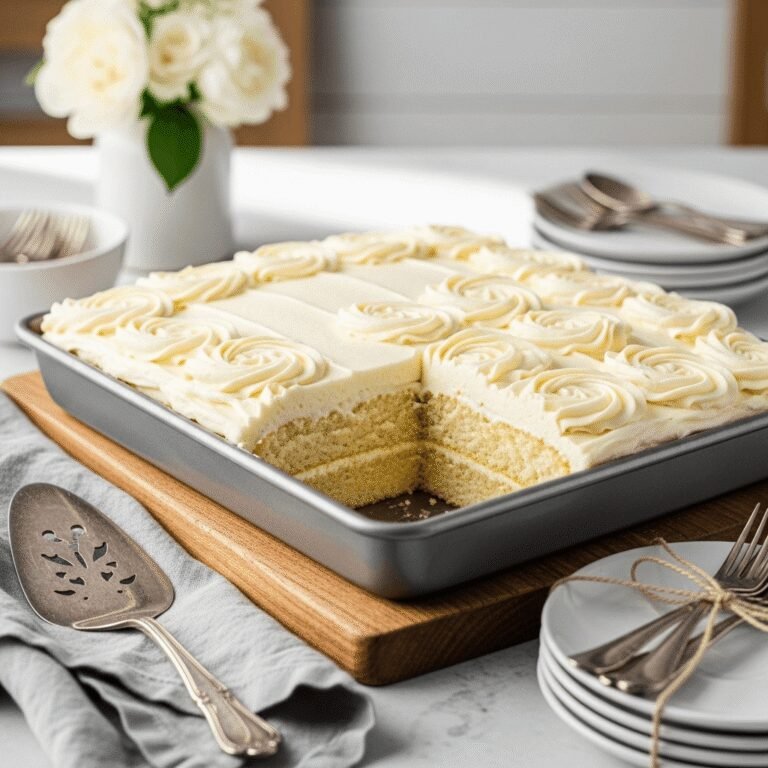
- Sheet Cake: Use 9×13-inch pan, bake 35-40 minutes
- Bundt Cake: Grease pan well, bake 45-50 minutes
- Three-Layer Cake: Divide batter among three 6-inch pans, bake 25-28 minutes
Pro Chef Tips
These professional insights will take your vegan cake from good to absolutely exceptional:
Room Temperature Ingredients: While not essential for this recipe, slightly warm plant-based milk (not hot, just not cold from the fridge) helps ingredients combine more smoothly and creates a more uniform batter.
Don’t Skip the Vinegar Reaction: Add the vinegar last and get the cake in the oven quickly after mixing. The chemical reaction between vinegar and baking soda starts immediately, and you want that leavening power working in the oven, not on your counter.
The Toothpick Test is Your Friend: When checking doneness, insert a toothpick in the center and about halfway between center and edge. You want a few moist crumbs, not wet batter. If it comes out completely clean, your cake is likely slightly overbaked.
Create a Crumb Coat: If frosting a layer cake, apply a thin layer of frosting first (the crumb coat), then refrigerate for 20 minutes. This seals in crumbs and makes the final frosting layer smooth and professional-looking.
Level Your Cakes: Use a serrated knife or cake leveler to trim any doming from the top of your cakes before stacking. This creates stable, professional-looking layers.
Simple Syrup for Extra Moisture: Brush layers with a simple syrup (equal parts sugar and water, boiled and cooled) before frosting for bakery-level moisture.
Proper Cooling is Critical: Never frost a warm cake—the frosting will melt and slide off. Cakes should be completely cool to the touch, ideally at room temperature or even slightly chilled.
Common Mistakes to Avoid
Even experienced bakers can run into issues. Here’s how to sidestep the most common vegan cake pitfalls:
Overmixing the Batter: Once you combine wet and dry ingredients, mix just until you don’t see dry flour anymore. Overmixing develops gluten, which makes cakes tough and dense. A few lumps are perfectly fine—they’ll bake out.
Opening the Oven Too Early: Resist the temptation to check your cake before the 25-minute mark. Opening the oven door releases heat and can cause the cake to sink in the middle. Trust the process and wait until you’re close to the recommended baking time.
Incorrect Oven Temperature: Invest in an oven thermometer—many home ovens run 25°F hotter or cooler than the display reads. Baking at the wrong temperature is one of the most common causes of baking failures.
Skipping Pan Preparation: Always line your pans with parchment paper and grease the sides. Even non-stick pans benefit from this extra insurance. There’s nothing worse than a cake that sticks and tears when you try to remove it.
Using Cold Ingredients: While this recipe is forgiving, extremely cold plant-based milk straight from the refrigerator can sometimes cause the oil to seize or create an uneven batter. Let your milk sit at room temperature for 15-20 minutes before using.
Overbaking: This dries out your cake and ruins the texture. Start checking a few minutes before the recommended time, especially if you know your oven runs hot. Remember, the cake continues cooking slightly as it cools in the pan.
Storage & Meal Prep
Proper storage keeps your vegan cake tasting fresh and delicious for days.
Room Temperature Storage: Cover the cake with a cake dome or plastic wrap and store at room temperature for up to 3 days. The oil in the recipe keeps it moist naturally, so you don’t need refrigeration unless you’re using a perishable frosting.
Refrigerator Storage: If using a frosting with vegan cream cheese or coconut cream, refrigerate the cake in an airtight container for up to 5 days. Bring to room temperature before serving for the best flavor and texture—cold cake is less flavorful.
Unfrosted Cake Storage: If you’ve baked the cake layers but haven’t frosted yet, wrap each layer tightly in plastic wrap and store at room temperature for 2 days or refrigerate for up to 5 days.
Reheating Tips: While this cake is delicious at room temperature, you can warm individual slices in the microwave for 10-15 seconds for a fresh-from-the-oven taste. Just make sure to remove any frosting first if it’s susceptible to melting.
Make-Ahead & Freezer Notes
This vegan cake is incredibly freezer-friendly, making it perfect for planning ahead for parties, celebrations, or just having dessert on hand.
Freezing Unfrosted Cake Layers: This is the best method for make-ahead baking. Once completely cooled, wrap each cake layer tightly in plastic wrap, then again in aluminum foil. Freeze for up to 3 months. Thaw overnight in the refrigerator, then bring to room temperature before frosting.
Freezing Frosted Cake: Yes, you can freeze a frosted cake! Place the frosted cake in the freezer uncovered for 1-2 hours until the frosting is firm, then wrap carefully in plastic wrap and foil. Freeze for up to 2 months. Thaw overnight in the refrigerator, keeping it wrapped until it reaches room temperature to prevent condensation.
Freezing Individual Slices: Cut the cake into individual portions and wrap each slice separately. This is perfect for grabbing a quick dessert anytime. Thaw at room temperature for 30-45 minutes or microwave for 15-20 seconds.
Make-Ahead Batter: Unfortunately, you cannot make this batter ahead of time because the leavening reaction begins as soon as the wet and dry ingredients combine. However, you can measure out your dry ingredients in advance and store in an airtight container for quick assembly when you’re ready to bake.
Best Reheating Method After Freezing: For the freshest taste, thaw completely at room temperature, then warm individual slices for 10-15 seconds in the microwave for that just-baked flavor and tender texture.
Serving Suggestions
This versatile vegan cake pairs beautifully with so many accompaniments. Here are some delicious serving ideas:
Classic Pairings:
- Vegan vanilla buttercream frosting for a traditional birthday cake
- Fresh berries (strawberries, raspberries, blueberries) for a lighter, fruity option
- Vegan chocolate ganache for an indulgent chocolate-on-chocolate experience
- Powdered sugar dusting for simple elegance
- Vegan whipped cream and sliced bananas for a banana split-inspired dessert
Beverage Pairings:
- Cold plant-based milk (almond, oat, or soy)
- Hot coffee or espresso (the chocolate version is especially amazing with coffee)
- Herbal tea like chamomile or mint
- Hot chocolate for an extra cozy dessert experience
Complete Dessert Experience:
- Serve with a scoop of vegan ice cream (vanilla, chocolate, or strawberry)
- Drizzle with vegan caramel or chocolate sauce
- Top with crushed nuts or coconut flakes for texture
- Add a side of fresh fruit salad for brightness
- Pair with vegan custard or pudding for a British-style pudding course
Party Presentation Ideas:
- Create a naked cake with minimal frosting and fresh flowers for a rustic look
- Make a trifle by layering cake pieces with vegan pudding and fruit
- Turn into cake pops for a fun finger-food dessert
- Serve with a dessert board including nuts, fruits, and vegan chocolates
FAQs Section
Can I taste the vinegar in the finished cake? Absolutely not! The vinegar is a leavening agent that reacts with the baking soda and completely bakes out during the cooking process. You won’t taste any sourness or vinegar flavor—just a perfectly balanced, sweet, and moist cake.
Why is my vegan cake dense instead of fluffy? The most common cause is overmixing the batter, which develops too much gluten and creates a tough, dense texture. Mix only until the dry ingredients are just incorporated. Another culprit could be old baking soda that’s lost its potency—make sure your leavening agents are fresh.
Can I use a different type of vinegar? White vinegar works as a substitute in a pinch, but apple cider vinegar is preferred for its milder flavor. Avoid balsamic or wine vinegars, as their strong flavors could come through in the cake. Don’t use lemon juice as a substitute—the acidity level is different and affects the rise.
How do I know when the cake is done baking? The cake is done when a toothpick inserted into the center comes out with a few moist crumbs (not wet batter), the top springs back when lightly touched, and the edges are just starting to pull away from the pan. Start checking at 28 minutes to avoid overbaking.
Can I make this recipe into cupcakes? Yes! This recipe makes 18-20 cupcakes. Fill cupcake liners about ⅔ full and bake at 350°F for 18-22 minutes. The baking time is shorter than for full cakes, so start checking around 18 minutes.
What’s the best plant-based milk to use? Any unsweetened plant-based milk works beautifully. Almond milk is mild and neutral, soy milk creates the richest texture, oat milk adds a subtle sweetness, and cashew milk is creamy and luxurious. Avoid coconut milk from a can (too thick), but coconut milk from a carton works well.
Why is my cake sticking to the pan? Always line the bottom of your pans with parchment paper and grease the sides well with oil or cooking spray. Even non-stick pans can cause sticking, especially with this slightly sticky batter. Let the cake cool in the pan for 10 minutes before attempting to remove—this helps it set and release more easily.
Conclusion
This vegan cake recipe proves that plant-based baking doesn’t mean compromising on flavor, texture, or satisfaction. Whether you’re vegan, dairy-free, or just looking to explore new baking techniques, this cake delivers bakery-quality results with simple, affordable ingredients you probably already have in your pantry.
The best part? This recipe is so versatile and forgiving that you’ll find yourself making it again and again. Birthday celebrations, casual weeknight desserts, potlucks, or meal prep for the week—this vegan cake fits every occasion. The moist, tender crumb stays fresh for days, and the one-bowl method means minimal cleanup.
I’d love to hear how your vegan cake turns out! Did you make it chocolate or vanilla? What frosting did you choose? Drop a comment below and let me know. And if you loved this recipe, please save it to your Pinterest boards—your friends will thank you when they discover how easy and delicious vegan baking can be. Don’t forget to tag me in your baking photos so I can see your beautiful creations!
Happy baking, and enjoy every delicious, cruelty-free bite!