The Ultimate Viennese Whirls Recipe: Buttery, Melt-in-Your-Mouth British Biscuits

There’s something absolutely magical about biting into a Viennese Whirl—those delicate, buttery sandwich cookies that literally dissolve on your tongue. If you’ve ever wandered through a British bakery or spotted these beautifully piped biscuits at afternoon tea, you know exactly what I’m talking about. Today, I’m sharing my foolproof Viennese Whirls recipe that’ll have you creating bakery-quality treats right in your own kitchen. These stunning swirled cookies are surprisingly easy to make, and they’re absolutely perfect for special occasions, holiday cookie exchanges, or whenever you want to treat yourself to something truly special.
Introduction of Recipe
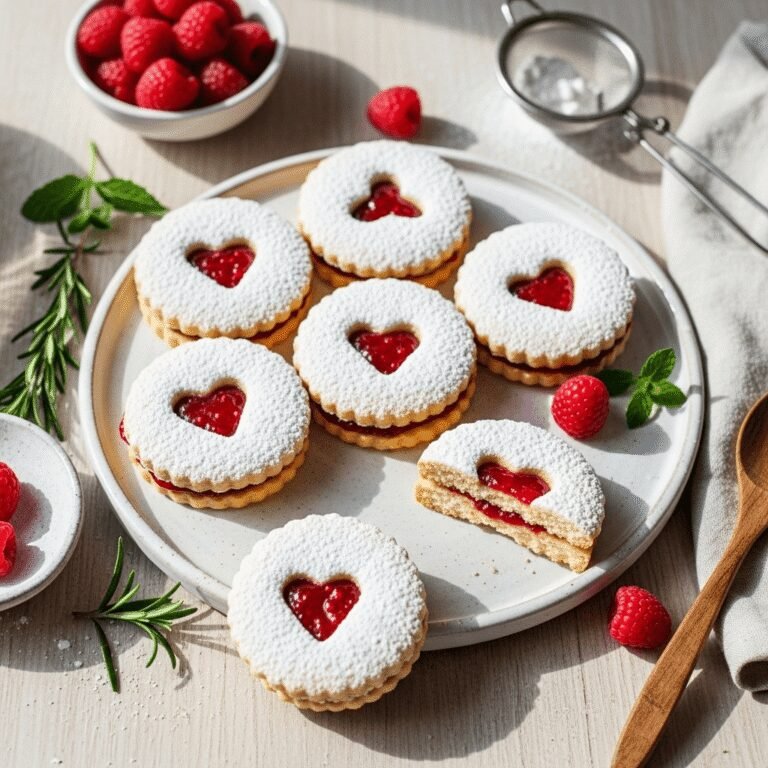
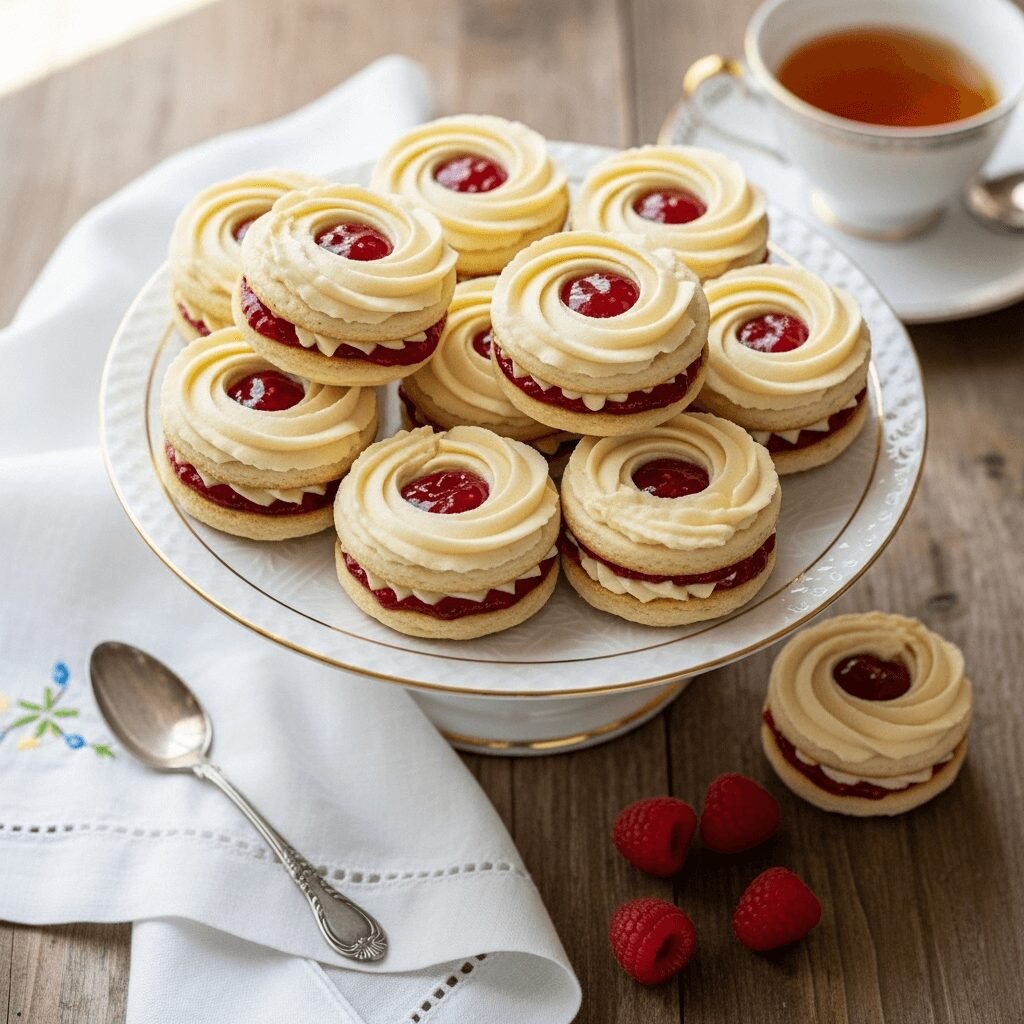
Viennese Whirls are classic British sandwich biscuits made from an incredibly light, buttery shortbread-style dough that’s piped into beautiful rosette shapes. These elegant cookies are sandwiched together with jam (typically raspberry or strawberry) and buttercream frosting, creating a perfect balance of textures and flavors. Despite their fancy appearance, they’re actually quite simple to make at home—the secret is in the piping technique and using the right ratio of butter to flour.
These delightful treats are perfect for afternoon tea parties, bridal showers, baby showers, Christmas cookie trays, Valentine’s Day gifts, or any time you want to impress guests with something that looks like it came straight from a fancy bakery. They’re also wonderful for bake sales because they look absolutely stunning and always sell out quickly. The buttery, melt-in-your-mouth texture combined with the sweet jam and creamy frosting makes them irresistible to both kids and adults alike.
History / Background
Despite their name suggesting Austrian origins, Viennese Whirls are actually a quintessentially British creation. The name “Viennese” was a marketing term used in Britain during the Victorian era to make baked goods sound more exotic and sophisticated. During the late 1800s and early 1900s, anything labeled “Viennese” was considered elegant and refined, so British bakers adopted the name for these delicate piped biscuits.
The recipe became widely popular in the UK through bakery chains, particularly Bettys Tea Rooms in Yorkshire, which has been serving these delightful treats since the 1920s. The technique of piping butter-rich dough through a star nozzle to create the signature swirl pattern was inspired by Continental European baking traditions, but the sandwich cookie format with jam and buttercream is distinctly British.
Viennese Whirls experienced a major resurgence in popularity during the Great British Bake Off era, introducing a whole new generation to these classic biscuits. Today, they remain a beloved teatime treat throughout the UK and have gained fans worldwide thanks to their beautiful appearance and incredible flavor. The commercial versions by brands like Mr Kipling have made them a nostalgic favorite, but homemade versions are infinitely better—fresher, butterier, and without any preservatives.
Why You’ll Love This Recipe
This Viennese Whirls recipe is a true showstopper that delivers bakery-quality results every single time. The cookies have that perfect melt-in-your-mouth texture that makes them absolutely addictive, and the combination of buttery biscuit, tangy jam, and sweet buttercream is simply heavenly.
Here’s why this recipe will become your new favorite:
- Impressive yet easy – They look incredibly fancy and professional, but the technique is actually straightforward once you get the hang of piping
- Melt-in-your-mouth texture – The high butter content creates the most delicate, tender crumb that literally dissolves on your tongue
- Perfect for gifting – These beautiful cookies make wonderful homemade gifts for holidays, teacher appreciation, or any special occasion
- Customizable flavors – You can easily swap the jam flavors or add extracts to the buttercream for endless variations
- Make-ahead friendly – The cookies can be baked in advance and assembled when needed, making party prep a breeze
- No rolling or cutting required – Simply pipe the dough directly onto baking sheets—no cookie cutters or rolling pins needed
- Elegant presentation – The piped rosette shape looks professional and beautiful without any special decorating skills
- Great for afternoon tea – They’re the perfect size and sweetness level for traditional British teatime
Ingredient Notes
Unsalted Butter – The star ingredient that gives these cookies their incredible flavor and melt-in-your-mouth texture. Using unsalted butter allows you to control the salt level perfectly. The butter must be at room temperature (soft but not melted) for proper creaming and piping consistency. European-style butter with higher fat content will give you even richer results.
Powdered Sugar (Confectioners’ Sugar) – Also called icing sugar in the UK, this finely ground sugar dissolves completely into the butter, creating a smooth, tender texture. Granulated sugar won’t work here because the cookies would be too crunchy rather than delicate.
Cornstarch (Cornflour) – This is the secret ingredient that creates the signature tender, crumbly texture. Cornstarch contains no gluten, so it makes the cookies incredibly delicate. You can substitute potato starch if needed, but don’t skip it entirely.
All-Purpose Flour – Provides structure to hold the cookies together. Make sure to spoon and level your flour rather than scooping directly from the bag, which can pack in too much flour and make the cookies dense.
Vanilla Extract – Pure vanilla extract adds wonderful depth of flavor. Don’t use imitation vanilla—the real thing makes a noticeable difference in these delicate cookies.
Raspberry or Strawberry Jam – Traditional Viennese Whirls use seedless raspberry jam, but strawberry works beautifully too. Use a good-quality jam with high fruit content for the best flavor. Seedless is preferable for smooth texture.
Buttercream Ingredients (Butter, Powdered Sugar, Milk) – The buttercream filling should be smooth, creamy, and not too sweet. Using room-temperature butter ensures it whips up light and fluffy.
Equipment Needed
- Large mixing bowl
- Electric hand mixer or stand mixer with paddle attachment
- Piping bag (at least 14-inch size for comfort)
- Large open star piping tip (Wilton 1M or 2D work perfectly)
- Baking sheets (2-3)
- Parchment paper or silicone baking mats
- Cooling racks
- Rubber spatula
- Measuring cups and spoons
- Sifter or fine-mesh strainer (for sifting flour and cornstarch)
- Small spoon or offset spatula (for spreading jam)
Viennese Whirls Recipe

These classic British Viennese Whirls are delicate, buttery sandwich cookies with a melt-in-your-mouth texture, filled with raspberry jam and vanilla buttercream. Perfect for afternoon tea or special occasions.
- Prep Time: 25 minutes
- Cook Time: 12 minutes
- Total Time: 37 minutes (plus cooling time)
- Yield: 16-18 sandwich cookies (32-36 individual cookies) 1x
- Category: Dessert
- Method: Baking
- Cuisine: British
- Diet: Vegetarian
Ingredients
For the Cookies:
- 1 cup (226g) unsalted butter, softened to room temperature
- ½ cup (60g) powdered sugar, sifted
- 1½ cups (180g) all-purpose flour, sifted
- ½ cup (60g) cornstarch, sifted
- 1 teaspoon pure vanilla extract
- Pinch of salt
For the Filling:
- 6 tablespoons (85g) unsalted butter, softened
- 1¼ cups (150g) powdered sugar, sifted
- 1 tablespoon whole milk
- ½ teaspoon vanilla extract
- ⅓ cup seedless raspberry or strawberry jam
Instructions
Step 1: Prepare Your Setup
Preheat your oven to 350°F (175°C). Line two or three baking sheets with parchment paper or silicone baking mats. Fit a large piping bag with a large open star tip (Wilton 1M or 2D). Set aside.
Step 2: Make the Cookie Dough
In a large mixing bowl, beat the softened butter with an electric mixer on medium speed for about 2 minutes until it’s pale and creamy. Add the sifted powdered sugar and continue beating for another 2-3 minutes until the mixture is light and fluffy. Scrape down the sides of the bowl with a rubber spatula.
Step 3: Add Vanilla
Beat in the vanilla extract and pinch of salt until fully incorporated.
Step 4: Incorporate Dry Ingredients
Sift together the all-purpose flour and cornstarch. Add them to the butter mixture in two additions, mixing on low speed just until combined after each addition. Don’t overmix—stop as soon as no flour streaks remain. The dough should be soft, smooth, and pipeable but hold its shape.
Step 5: Pipe the Cookies
Transfer the dough to your prepared piping bag. Hold the bag vertically about ½ inch above the baking sheet. Pipe 2-inch rosettes by applying steady pressure while moving in a circular motion from the outside in, creating a spiral pattern. Leave about 1½ inches between cookies as they’ll spread slightly. You should get 32-36 cookies total.
Step 6: Bake
Bake for 12-15 minutes, just until the edges are barely starting to turn golden. The cookies should still be pale in the center—they’ll look slightly underdone, but that’s perfect. They’ll firm up as they cool. Don’t overbake or they’ll lose that delicate, melt-in-your-mouth texture.
Step 7: Cool Completely
Let the cookies cool on the baking sheet for 5 minutes, then carefully transfer them to a cooling rack using a thin spatula. Allow them to cool completely before filling—this is crucial or the buttercream will melt.
Step 8: Make the Buttercream
While cookies cool, beat the softened butter in a clean bowl for 2 minutes until creamy. Gradually add the sifted powdered sugar, one-third at a time, beating well after each addition. Add the milk and vanilla extract, then beat on high speed for 3-4 minutes until the buttercream is light, fluffy, and smooth.
Step 9: Assemble the Sandwiches
Turn half of the cooled cookies upside down (flat side up). Spread or pipe about 1 teaspoon of buttercream on each cookie. Add about ½ teaspoon of jam in the center of the buttercream. Top with another cookie, pressing down very gently to sandwich them together. The filling should just peek out from the sides.
Step 10: Serve and Store
Arrange your beautiful Viennese Whirls on a serving platter. They’re ready to enjoy immediately or can be stored in an airtight container.
Notes
- Butter temperature matters: The butter must be softened to true room temperature (not melted, not cold) for the right piping consistency.
- Don’t skip sifting: Sifting the powdered sugar, flour, and cornstarch prevents lumps and creates the smoothest dough.
- Piping tip: If the dough is too soft to hold its shape, chill it in the piping bag for 10-15 minutes. If it’s too stiff to pipe, let it sit at room temperature briefly.
- Even sizing: Try to keep all cookies the same size so they pair up nicely when assembling.
- Cooling is crucial: Make sure cookies are completely cool before filling, or the buttercream will melt and the jam will soak into the cookies.
Nutrition
- Serving Size: 1 sandwich cookie
- Calories: 185
- Sugar: 11g
- Sodium: 15mg
- Fat: 12g
- Saturated Fat: 7.5g
- Unsaturated Fat: 4g
- Trans Fat: 0g
- Carbohydrates: 18g
- Fiber: 0.3g
- Protein: 1.5g
- Cholesterol: 32mg
Tips & Variations
Flavor Variations:
- Lemon Viennese Whirls: Add 1 teaspoon lemon zest to the cookie dough and use lemon curd instead of jam
- Chocolate-Dipped: Dip half of each assembled cookie in melted dark or white chocolate
- Coffee Buttercream: Add 1 teaspoon instant espresso powder to the buttercream for a sophisticated twist
- Almond Version: Replace vanilla with almond extract and use apricot jam for filling
- Orange Cream: Add orange zest to cookies and use orange marmalade for a citrusy variation
Dietary Modifications:
- For gluten-free cookies, use a 1:1 gluten-free flour blend designed for baking (though texture may be slightly different)
- Can’t do dairy? Try vegan butter alternatives, though the texture won’t be quite as delicate
Presentation Ideas:
- Dust finished cookies lightly with powdered sugar for an extra-elegant look
- Place a fresh raspberry or small strawberry on top before serving
- Arrange on a tiered cake stand for afternoon tea presentation
- Package individually in clear cellophane bags tied with ribbon for gifts
Pro Chef Tips
Perfect Piping Technique: Hold your piping bag at a 90-degree angle to the baking sheet, keeping the tip about ½ inch above the surface. Apply steady, even pressure while moving in a tight circular motion. Release pressure before lifting away to avoid peaks. Practice on parchment paper first if you’re new to piping.
Temperature Control is Everything: Room temperature butter (around 65-68°F) is crucial. If your butter is too cold, the dough will be too stiff to pipe. If it’s too warm, the cookies will spread too much during baking. The butter should leave a slight indent when pressed but not look shiny or greasy.
The Cornstarch Secret: The ratio of cornstarch to flour is what creates that signature melt-in-your-mouth texture. Don’t be tempted to reduce it or the cookies will be too sturdy and crisp rather than delicate and tender.
Watch Your Oven Temperature: These cookies can go from perfect to overbaked in just a couple of minutes. They should be barely golden at the edges and still quite pale in the center when you remove them. They’ll look slightly underdone, but they’ll firm up perfectly as they cool.
Buttercream Consistency: Beat your buttercream longer than you think necessary—at least 3-4 minutes on high speed. This incorporates air and makes it incredibly light and fluffy, which is essential for the best texture contrast with the delicate cookies.
Size Consistency: Using the same amount of pressure and making the same circular motion for each cookie ensures they’re all the same size, making sandwich assembly much easier. If you’re a perfectionist, you can lightly mark circles on your parchment paper as guides.
Common Mistakes to Avoid
Overmixing the Dough: Once you add the flour and cornstarch, mix just until combined. Overmixing develops gluten, which makes the cookies tough instead of tender and crumbly. Stop mixing as soon as you don’t see any more flour streaks.
Overbaking: This is the most common mistake! These cookies should be very pale when you remove them from the oven. They might even look slightly underdone, but they’ll continue to set as they cool. If they’re golden all over, they’ll be too crispy and lose that delicate texture.
Filling While Warm: I can’t stress this enough—if you try to fill warm cookies, the buttercream will melt and the jam will soak into the cookies, making them soggy. Always wait until they’re completely cool to room temperature.
Using Cold Butter: Whether for the cookies or the buttercream, cold butter simply won’t work. For the cookie dough, cold butter won’t cream properly or pipe smoothly. For the buttercream, cold butter will be lumpy and difficult to beat smooth.
Skipping the Sifting: It might seem like an unnecessary step, but sifting prevents lumps and creates a smoother, more uniform dough that pipes beautifully. Unsifted powdered sugar especially can create lumps that’ll clog your piping tip.
Storage & Meal Prep
Room Temperature Storage: Store assembled Viennese Whirls in an airtight container at room temperature for up to 3 days. Place parchment paper between layers to prevent them from sticking together. They’re best enjoyed within the first 2 days for optimal texture.
Refrigerator Storage: If your kitchen is very warm or humid, you can refrigerate assembled cookies in an airtight container for up to 5 days. Bring them to room temperature before serving (about 30 minutes) for the best flavor and texture.
Unfilled Cookie Storage: You can store unfilled cookies in an airtight container at room temperature for up to 1 week. This is actually the best way to prep ahead—bake the cookies in advance, store them unfilled, and assemble them the day you plan to serve them for maximum freshness.
Reheating Tips: These cookies are meant to be served at room temperature, not warm. If you’ve refrigerated them, simply let them sit at room temperature for 20-30 minutes before serving.
Avoiding Sogginess: The jam can make cookies soggy over time, so if you’re making them more than a day ahead, consider storing cookies and filling separately and assembling just before serving.
Make-Ahead & Freezer Notes
Freezing Unbaked Dough: You can pipe the cookies onto parchment-lined baking sheets, then freeze them solid (about 2 hours). Transfer frozen dough rounds to a freezer bag and store for up to 3 months. Bake directly from frozen, adding 2-3 extra minutes to the baking time.
Freezing Baked Cookies (Unfilled): This is my preferred make-ahead method! Bake the cookies completely, let them cool, then freeze them in a single layer on a baking sheet. Once frozen solid, transfer to freezer bags with parchment paper between layers. They’ll keep for up to 3 months. Thaw at room temperature for 30 minutes, then fill and serve.
Freezing Assembled Cookies: I don’t generally recommend freezing assembled cookies because the jam and buttercream can affect the texture when thawed. However, if you must, freeze them in an airtight container for up to 1 month. Thaw overnight in the refrigerator, then bring to room temperature before serving.
Make-Ahead Buttercream: You can make the buttercream up to 3 days ahead and store it in an airtight container in the refrigerator. Before using, bring it to room temperature and re-whip it for 2-3 minutes until fluffy again.
Best Reheating Method: Since these are meant to be served at room temperature, there’s no reheating needed. Simply allow frozen or refrigerated cookies to come to room temperature naturally—this usually takes 30-45 minutes.
Assembly Timeline: For the freshest cookies, bake them up to 1 week ahead (or freeze them for up to 3 months), then assemble them the day of or the day before serving. This ensures the buttercream stays creamy and the cookies maintain their delicate texture.
Serving Suggestions
Viennese Whirls are traditionally served as part of afternoon tea, but they’re versatile enough for many occasions. Here are some delicious serving ideas:
Classic Afternoon Tea: Serve alongside cucumber sandwiches, scones with clotted cream, and a selection of other finger sandwiches. Pair with English Breakfast tea, Earl Grey, or Darjeeling for an authentic British tea experience.
Coffee Break Treats: These cookies are absolutely perfect with coffee, especially cappuccino or a rich Americano. The buttery sweetness balances beautifully with coffee’s slight bitterness.
Dessert Platter: Arrange Viennese Whirls on a beautiful platter with other delicate cookies like French macarons, Italian amaretti, or simple shortbread. Add fresh berries for color and a light option.
Holiday Cookie Trays: These make stunning additions to Christmas, Valentine’s Day, or Easter cookie assortments. Their elegant appearance makes the whole spread look more impressive.
Bridal or Baby Shower: Serve on tiered cake stands with fresh flowers nearby for a beautiful presentation. They’re the perfect size for guests to nibble while socializing.
With Ice Cream: Serve a Viennese Whirl alongside a small scoop of vanilla or strawberry ice cream for an easy but elegant dessert.
Champagne or Wine Pairing: These buttery cookies pair surprisingly well with champagne, prosecco, or a sweet dessert wine like Moscato for special celebrations.
FAQs Section
Can I make Viennese Whirls without a piping bag?
While the traditional piped rosette shape is part of what makes Viennese Whirls special, you can use a cookie scoop to portion the dough and then gently flatten it with a fork to create a pattern. The texture will be the same, though they won’t have that classic swirled appearance. You can also place the dough in a plastic freezer bag, snip off the corner, and pipe that way, though it’s trickier to control.
Why did my cookies spread too much during baking?
Spreading usually happens when the butter is too warm or the dough is too soft. Make sure your butter is softened but not melted or greasy-looking. If your kitchen is very warm, chill the piped cookies in the refrigerator for 10-15 minutes before baking. Also, ensure your oven is properly preheated—baking in a too-cool oven causes spreading.
Can I use salted butter instead of unsalted?
Yes, but you’ll need to omit the pinch of salt in the recipe. Unsalted butter is preferred because it gives you better control over the final flavor, and salt levels in salted butter vary by brand. If using salted butter, be aware your cookies might taste slightly saltier.
What if I don’t have cornstarch?
Cornstarch is crucial for that signature melt-in-your-mouth texture. If you absolutely can’t find it, you can substitute potato starch or rice flour, but the texture won’t be quite as delicate. Don’t substitute with more all-purpose flour, as this will make the cookies too dense and crispy.
My piping tip keeps getting clogged. What should I do?
This usually means your dry ingredients weren’t sifted well enough and there are lumps in the dough. Always sift your powdered sugar, flour, and cornstarch before adding them to the butter. If it happens, stop piping, remove the dough from the bag, push it through a sieve to remove lumps, then reload the piping bag.
How do I know when the cookies are done baking?
The cookies are done when the edges are just barely starting to turn a very light golden color, but the centers are still quite pale—almost white. They’ll look slightly underdone, but this is correct! They firm up as they cool. If they’re golden all over, they’re overbaked.
Can I use homemade jam instead of store-bought?
Absolutely! Homemade jam works beautifully, and many people prefer it for better flavor. Just make sure it’s a thick, well-set jam rather than a runny preserve. If your homemade jam is a bit thin, you can cook it down slightly to thicken it before using.
Conclusion
There you have it—the most detailed, foolproof guide to making perfect Viennese Whirls right in your own kitchen! These beautiful buttery cookies might look fancy, but now you know they’re actually quite simple to make with the right techniques. The combination of that delicate, melt-in-your-mouth texture, sweet buttercream, and tangy jam creates something truly special that your family and friends will absolutely love.
I hope this recipe inspires you to try your hand at these classic British treats. Whether you’re hosting an afternoon tea party, preparing for a holiday cookie exchange, or just want to treat yourself to something delicious, Viennese Whirls are always a fantastic choice. Once you taste a homemade version, you’ll never want to go back to store-bought!
Have you made these Viennese Whirls? I’d love to hear how they turned out for you! Drop a comment below with your experience, any variations you tried, or questions you might have. And if you loved this recipe, please share it on Pinterest so other home bakers can discover it too—just use one of the pin images throughout this post. Happy baking, friends!