Yogurt Cake Recipe
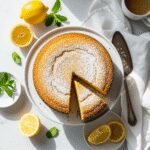
This classic French yogurt cake is incredibly moist, tender, and simple to make. With just a handful of pantry ingredients and no mixer required, it’s the perfect easy dessert or snack cake that stays fresh for days. The yogurt creates an unbelievably soft crumb while adding a subtle tang that balances the sweetness perfectly.
- Prep Time: 10 minutes
- Cook Time: 35 minutes
- Total Time: 45 minutes
- Yield: 8 servings 1x
- Category: Dessert
- Method: Baking
- Cuisine: French
- Diet: Vegetarian
Ingredients
Scale
- 1 cup (250g) plain whole milk yogurt
- 1½ cups (190g) all-purpose flour
- 1 cup (200g) granulated sugar
- 3 large eggs, room temperature
- ½ cup (120ml) vegetable oil or melted coconut oil
- 2 teaspoons baking powder
- ¼ teaspoon salt
- 1 teaspoon vanilla extract
- Zest of 1 lemon (optional but recommended)
- Powdered sugar for dusting (optional)
Instructions
- Preheat and prepare: Preheat your oven to 350°F (175°C). Grease a 9-inch round cake pan or 9×5-inch loaf pan generously with butter or non-stick spray. Line the bottom with parchment paper for easy removal, then grease the parchment as well. This ensures your beautiful cake comes out perfectly intact.
- Combine wet ingredients: In a large mixing bowl, whisk together the yogurt, sugar, and eggs until the mixture is smooth and well combined, about 1-2 minutes. You want the sugar to begin dissolving and everything to look cohesive. Add the vegetable oil and vanilla extract, whisking until fully incorporated. The mixture should look creamy and slightly thick.
- Add lemon zest (if using): If you’re adding lemon zest, stir it in now. This is when those bright citrus oils will distribute throughout the batter, infusing every bite with fresh lemon flavor.
- Mix dry ingredients: In a separate bowl, whisk together the flour, baking powder, and salt. This step is important—it ensures the baking powder is evenly distributed throughout the flour, which means even rising and consistent texture.
- Combine wet and dry: Add the flour mixture to the yogurt mixture in two additions, gently folding with a spatula or stirring with a wooden spoon just until no flour streaks remain. Don’t overmix! A few small lumps are perfectly fine. Overmixing develops gluten, which will make your cake tough instead of tender. The batter should be thick but pourable, similar to a thick pancake batter.
- Transfer to pan: Pour the batter into your prepared pan, using a spatula to spread it evenly to the edges. Gently tap the pan on the counter 2-3 times to release any air bubbles trapped in the batter.
- Bake: Place the pan in the preheated oven and bake for 35-40 minutes for a round pan, or 45-50 minutes for a loaf pan. The cake is done when the top is golden brown, the edges pull slightly away from the pan, and a toothpick inserted into the center comes out clean or with just a few moist crumbs attached. The top should spring back when lightly pressed.
- Cool: Remove the cake from the oven and let it cool in the pan for 10 minutes. This allows the structure to set so it doesn’t fall apart when removed. Run a knife around the edges if needed, then turn the cake out onto a cooling rack. Remove the parchment paper and let it cool completely before slicing.
- Serve: Once cooled, dust the top with powdered sugar if desired. Slice and serve as is, or with fresh berries, whipped cream, or a dollop of yogurt on the side.
Notes
- Yogurt temperature: For easiest mixing, let your yogurt come to room temperature for about 30 minutes before starting, or give it a quick 10-15 second zap in the microwave.
- Don’t skip the parchment: Lining the pan with parchment paper makes removing the cake foolproof and ensures clean, professional-looking results.
- Altitude adjustments: If you’re baking at high altitude (above 3,000 feet), reduce the baking powder to 1½ teaspoons and increase the oven temperature by 15-25°F.
- Testing for doneness: Oven temperatures vary, so always rely on visual cues and the toothpick test rather than just the timer.
Nutrition
- Serving Size: 1 slice (⅛ of cake)
- Calories: 315
- Sugar: 26g
- Sodium: 195mg
- Fat: 15g
- Saturated Fat: 2g
- Unsaturated Fat: 12g
- Trans Fat: 0g
- Carbohydrates: 40g
- Fiber: 1g
- Protein: 6g
- Cholesterol: 70mg
Find it online: https://focialy.com/yogurt-cake-recipe/