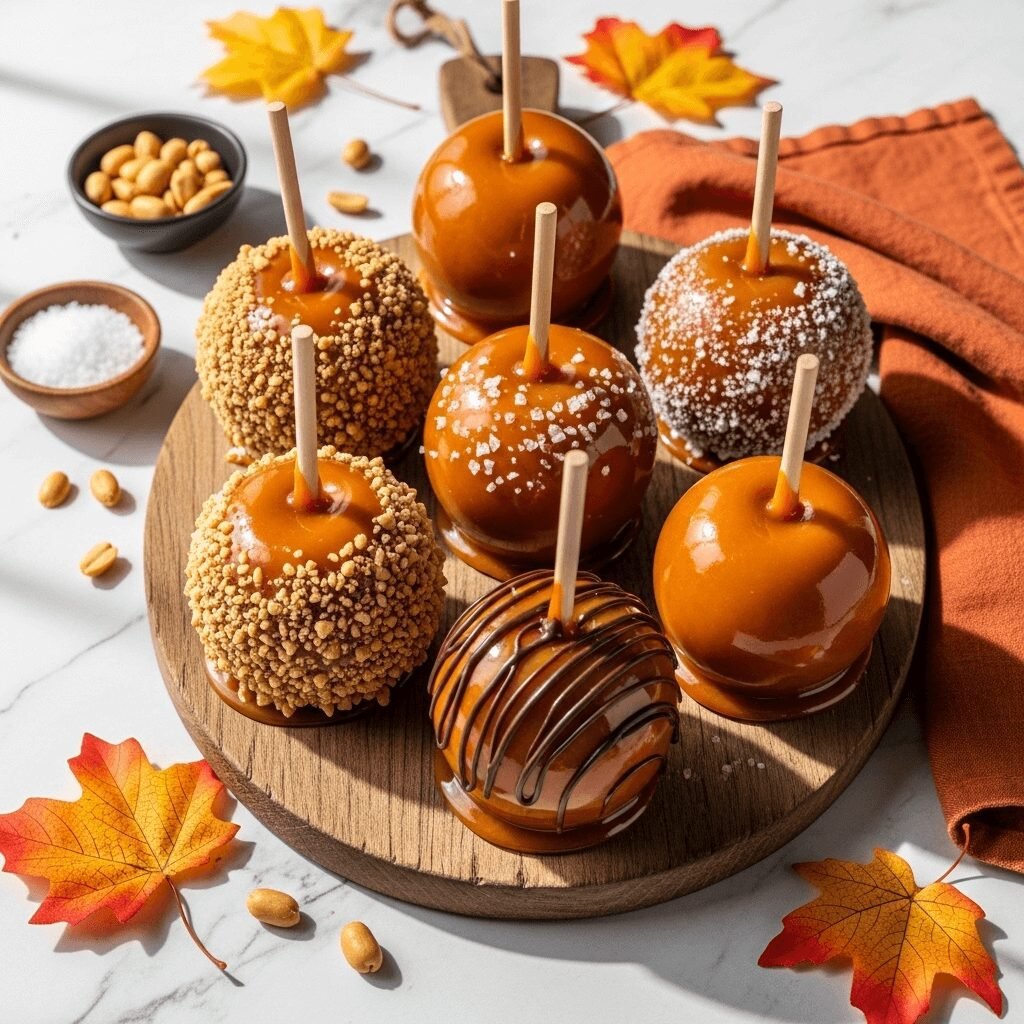
Gourmet Caramel Apples at Home – Easier Than You Think!

There’s something magical about biting into a crisp, juicy apple coated in smooth, buttery caramel. Caramel apples are the quintessential fall treat that brings back childhood memories of autumn festivals, Halloween parties, and cozy evenings at home. This classic American dessert combines the tartness of fresh apples with the rich sweetness of homemade caramel, creating a perfect balance of flavors and textures that’s simply irresistible.
Whether you’re preparing for a Halloween bash, hosting a fall gathering, or simply craving a nostalgic treat, homemade caramel apples are surprisingly easy to make and infinitely better than store-bought versions. With just a handful of ingredients and about 30 minutes of your time, you can create these beautiful, glossy treats that look professionally made. The best part? You control the quality of ingredients, the thickness of the caramel coating, and you can customize them with your favorite toppings like crushed nuts, mini chocolate chips, sea salt, or colorful sprinkles. This recipe yields perfectly coated apples with caramel that stays put and doesn’t slide off – a common problem with many caramel apple recipes.
History / Background
The caramel apple has deep roots in American culinary tradition, with its origin story dating back to the 1950s. Dan Walker, a sales representative for Kraft Foods, is widely credited with inventing the caramel apple in 1950. The story goes that Walker was experimenting with excess Halloween caramel when he melted down Kraft caramels and dipped apples into the mixture. He began promoting this creation at his neighborhood Halloween parties, and the treat quickly gained popularity.
However, some food historians suggest that candy-coated apples existed even earlier. The concept likely evolved from candy apples (apples coated in hard red candy), which were invented in 1908 by Newark, New Jersey candymaker William W. Kolb. Kolb created the red candy apple as a novelty to display in his shop window during the Christmas season, and they became an instant sensation.
By the 1960s, caramel apples had become firmly established as a beloved American fall tradition, particularly associated with Halloween and autumn harvest celebrations. The treat gained even more popularity as commercial caramel apple kits became available in grocery stores, making it easier for families to create these treats at home. Today, caramel apples are a staple at fall festivals, county fairs, and candy shops across the United States. Gourmet versions featuring elaborate toppings and decorations have elevated this simple treat into an artisanal confection, with some specialty shops charging premium prices for custom-designed caramel apples.
The appeal of caramel apples extends beyond their delicious taste – they represent the essence of fall, connecting us to harvest traditions and bringing families together in the kitchen for a fun, hands-on cooking project that everyone can enjoy.
Why You’ll Love This Recipe
This homemade caramel apple recipe delivers foolproof results every single time, producing caramel apples with a perfectly smooth, glossy coating that clings beautifully to the fruit. Unlike store-bought versions made with preservatives and artificial ingredients, these caramel apples taste incredibly fresh and allow you to control exactly what goes into them.
Here’s why this recipe will become your go-to fall favorite:
- Actually Easy – No candy thermometer required! This recipe uses simple techniques that work every time, even if you’re new to candy-making.
- Budget-Friendly – Costs a fraction of gourmet caramel apples sold at specialty shops, typically under $2 per apple when made at home.
- Kid-Friendly Fun – Children love helping with the dipping and decorating process, making this a perfect family activity.
- Impressive Presentation – These look professionally made and are sure to wow guests at parties or make thoughtful homemade gifts.
- Customizable – Endless topping possibilities mean you can create a variety to suit everyone’s preferences.
- Make-Ahead Friendly – Perfect for preparing in advance for parties, school events, or bake sales.
- Natural Ingredients – You know exactly what’s going into your caramel with real butter, cream, and quality ingredients.
- Better Texture – The caramel sets to the perfect consistency – not too hard, not too soft, and it won’t stick to your teeth.
Ingredient Notes
Apples – The foundation of this recipe! Choose firm, crisp varieties like Granny Smith (tart and tangy), Honeycrisp (sweet and juicy), or Fuji (perfectly balanced). The apples should be medium to large in size, unblemished, and at room temperature. Granny Smith apples are the traditional choice because their tartness provides an excellent contrast to the sweet caramel. Avoid soft or mealy varieties like Red Delicious, which won’t provide enough structural support. Always wash and thoroughly dry your apples, then rub them with a clean towel and a tiny bit of vinegar or lemon juice to remove the waxy coating – this crucial step ensures the caramel adheres properly and doesn’t slide off.
Granulated Sugar – Forms the base of the caramel and provides sweetness. White granulated sugar works best for achieving that classic caramel color and flavor. Don’t substitute with brown sugar, as it will affect the texture and appearance.
Heavy Cream – Creates a smooth, creamy texture in the caramel. The high fat content is essential for proper consistency. Don’t substitute with half-and-half or milk, as they contain too much water and won’t produce the same rich caramel. Bring the cream to room temperature before using to prevent the hot sugar from seizing when combined.
Unsalted Butter – Adds richness and helps create that silky, glossy finish. Using unsalted butter allows you to control the salt level precisely. European-style butter with higher fat content works beautifully if you want an even more luxurious caramel.
Light Corn Syrup – This ingredient prevents the sugar from crystallizing and helps achieve a smooth caramel texture. While some recipes omit it, corn syrup ensures foolproof results, especially for beginners. You can substitute with golden syrup or honey if preferred, though the flavor will be slightly different.
Vanilla Extract – Pure vanilla extract adds depth and enhances the caramel flavor. Always use pure extract rather than imitation for the best taste.
Salt – A pinch of salt balances the sweetness and enhances all the flavors. You can use table salt in the caramel and finish with flaky sea salt on top for a gourmet touch.
Wooden Sticks or Skewers – Essential for holding the apples. Craft sticks, lollipop sticks, or sturdy wooden skewers all work well. Avoid thin sticks that might break under the weight of a large apple.
Equipment Needed
- Heavy-Bottomed Saucepan (2-3 quart capacity) – Essential for even heat distribution and preventing hot spots that could burn the caramel
- Candy Thermometer (optional but helpful) – While not required for this recipe, it provides accuracy for perfect results every time
- Wooden Spoon or Heat-Resistant Silicone Spatula – For stirring the caramel mixture
- Baking Sheet – Lined with parchment paper or a silicone mat for setting the dipped apples
- Parchment Paper or Silicone Baking Mat – Prevents sticking and makes cleanup effortless
- Small Sharp Knife – For removing apple stems and creating insertion points for sticks
- Wooden Sticks or Skewers – For holding the apples during dipping and eating
- Measuring Cups and Spoons – For accurate ingredient measurements
- Pastry Brush (optional) – Useful for brushing down sugar crystals from pan sides
- Small Bowls – For organizing toppings if decorating the apples
- Kitchen Towel – For drying apples thoroughly before dipping
Caramel Apple Recipe

Classic homemade caramel apples with a perfectly smooth, glossy coating that stays put. These nostalgic fall treats are made with real butter, cream, and crisp apples for an irresistibly delicious combination that beats store-bought versions every time. Perfect for Halloween parties, autumn gatherings, or anytime you’re craving something sweet and festive!
- Prep Time: 15 minutes
- Cooling/Setting Time:: 30 minutes
- Cook Time: 15 minutes
- Total Time: 1 hour
- Yield: 6-8 caramel apples (depending on apple size) 1x
- Category: Dessert, Candy
- Method: No Bake
- Cuisine: American
- Diet: Vegetarian
Ingredients
- 6-8 medium apples (Granny Smith, Honeycrisp, or Fuji)
- 6-8 wooden sticks or sturdy skewers
- 2 cups (400g) granulated sugar
- ¾ cup (180ml) heavy cream, at room temperature
- ½ cup (115g) unsalted butter
- ½ cup (120ml) light corn syrup
- 1 teaspoon pure vanilla extract
- ½ teaspoon salt
- Optional toppings: chopped peanuts, pecans, mini chocolate chips, crushed pretzels, sea salt flakes, or sprinkle.
Instructions
Step 1: Prepare the Apples
Wash the apples thoroughly under cool water and dry them completely with a clean kitchen towel. This step is crucial! Rub each apple vigorously with a mixture of 1 tablespoon vinegar or lemon juice on a paper towel to remove the waxy coating that prevents caramel from sticking. Dry again. Remove the stems from each apple and insert a wooden stick firmly into the stem end, pushing about halfway through the apple. Arrange the prepared apples on a parchment-lined baking sheet and set aside.
Step 2: Make the Caramel
In a heavy-bottomed saucepan, combine the granulated sugar, heavy cream, butter, corn syrup, and salt. Place over medium heat and stir constantly with a wooden spoon until the butter melts and the mixture is well combined. Once everything is melted and combined, stop stirring and allow the mixture to come to a boil.
Step 3: Cook the Caramel
Let the caramel boil without stirring for about 12-15 minutes, or until it reaches 240°F (soft-ball stage) on a candy thermometer. If you don’t have a thermometer, test by dropping a small amount of caramel into a glass of cold water – it should form a soft, pliable ball. Watch carefully during the last few minutes as caramel can go from perfect to burnt quickly. The mixture will bubble vigorously and turn a rich amber color.
Step 4: Finish the Caramel
Remove the saucepan from heat immediately when the caramel reaches the desired temperature. Stir in the vanilla extract carefully, as the mixture will bubble up. Let the caramel cool for 2-3 minutes – this allows it to thicken slightly for better coating and prevents the apples from getting too hot too quickly.
Step 5: Dip the Apples
Working quickly but carefully, tilt the saucepan at an angle and dip each apple into the caramel, turning to coat completely. Hold the apple over the pan for a moment, allowing excess caramel to drip off. You can gently swirl the apple in a circular motion to help the caramel settle evenly. If you’re adding toppings, roll the bottom half of the caramel-coated apple in chopped nuts or other toppings immediately after dipping.
Step 6: Set the Apples
Place each dipped apple on the prepared parchment-lined baking sheet, sticking side up. If desired, sprinkle additional toppings over the top while the caramel is still wet. Allow the caramel apples to set at room temperature for about 30 minutes, or until the caramel is completely firm and no longer sticky to touch.
Step 7: Serve and Enjoy
Once set, the caramel apples are ready to enjoy! Serve immediately or wrap individually for gifting or storage. To eat, you can slice the apple into wedges if the whole apple is too much, making it easier for younger children to enjoy.
Notes
- Temperature Matters: Make sure your heavy cream is at room temperature before adding to prevent the sugar mixture from seizing.
- Caramel Too Thick? If the caramel becomes too thick while dipping, briefly warm it over low heat, stirring gently until it loosens up.
- Caramel Too Thin? If your caramel is sliding off the apples, it wasn’t cooked long enough. Return it to the heat and cook for a few more minutes.
- Stick Stability: For extra security, insert toothpicks horizontally through the bottom of the apple after inserting the main stick.
- Color Variations: The longer you cook the caramel, the darker and more caramelized it becomes. Adjust cooking time for your preferred shade.
Nutrition
- Serving Size: 1 caramel apple (without toppings)
- Calories: 385
- Sugar: 62g
- Sodium: 145mg
- Fat: 14g
- Saturated Fat: 9g
- Unsaturated Fat: 4g
- Trans Fat: 0g
- Carbohydrates: 68g
- Fiber: 3g
- Protein: 1g
- Cholesterol: 40mg
Nutritional values are approximate and will vary based on apple size and any additional toppings used.
Tips & Variations
Salted Caramel Apples: Increase the salt in the caramel to ¾ teaspoon and sprinkle flaky sea salt generously over the wet caramel coating for a sophisticated sweet-and-salty flavor profile that adults especially love.
Chocolate Drizzle: Once the caramel has set completely, melt chocolate chips and drizzle over the apples using a fork or transfer to a piping bag for more controlled decorating. White chocolate, dark chocolate, or milk chocolate all work beautifully.
Nutty Caramel Apples: Roll the freshly dipped apples in finely chopped peanuts, pecans, walnuts, or almonds. Toast the nuts beforehand for even better flavor.
Candy Bar Style: Press mini M&Ms, crushed Reese’s cups, or chopped candy bars into the wet caramel for a fun, colorful variation kids will go crazy for.
Turtle Apples: Drizzle with melted chocolate and sprinkle with chopped pecans to create a turtle candy-inspired version.
Caramel Apple Slices: If whole caramel apples feel too indulgent, slice apples into thick rounds, remove the core with a small cookie cutter, and dip halfway for a more portion-controlled treat.
S’mores Caramel Apples: Roll in crushed graham crackers and top with mini marshmallows, then torch the marshmallows lightly with a kitchen torch for a campfire-inspired creation.
Healthier Version: Use a sugar substitute designed for candy making (check package directions for temperature adjustments) and skip the toppings or use unsweetened coconut flakes.
Pro Chef Tips
The Wax Removal is Non-Negotiable: This is the number one reason homemade caramel slides off apples. Commercial apples are coated with food-grade wax for shelf stability. You must remove this completely by rubbing with vinegar or lemon juice and drying thoroughly. Some chefs even dip apples briefly in boiling water and immediately dry them.
Control Your Temperature: Caramel making is all about precision. Invest in a good candy thermometer and calibrate it by testing in boiling water (should read 212°F at sea level). Even a few degrees difference can mean the difference between perfect caramel and a sticky mess.
Room Temperature Cream is Critical: Cold cream added to hot sugar can cause the mixture to seize and crystallize. Always bring cream to room temperature, or warm it slightly in the microwave before adding to your caramel.
Don’t Stir During Boiling: Once the caramel starts boiling, resist the urge to stir. Stirring can cause crystallization and a grainy texture. Instead, you can gently swirl the pan occasionally to ensure even cooking.
The Cooling Pause: Letting the caramel cool for 2-3 minutes after cooking isn’t just about safety – it allows the caramel to thicken slightly, which means a better, more substantial coating on your apples that won’t all pool at the bottom.
Create a Dipping Station: Set up your workspace before you start cooking. Have your prepared apples, toppings in bowls, and parchment-lined sheets ready. Once caramel is done, you need to work fairly quickly before it starts to set.
Layer Your Flavors: For an extra flavor dimension, add a cinnamon stick to the caramel while it cooks, or stir in a teaspoon of apple pie spice with the vanilla for a more complex autumn flavor.
Common Mistakes to Avoid
Using Cold Apples: Apples straight from the refrigerator cause the caramel to set too quickly, resulting in a thick, uneven coating and potential cracking. Always bring apples to room temperature before dipping – this takes about 30 minutes.
Not Removing the Wax: As mentioned throughout this article, the waxy coating on store-bought apples prevents caramel from adhering properly. If your caramel is sliding off, this is almost always the culprit. Take the time to remove it properly.
Overcooking or Undercooking the Caramel: Undercooked caramel will slide right off your apples and pool at the bottom, while overcooked caramel becomes too hard and difficult to bite through. Use a thermometer for best results and watch carefully as it approaches the target temperature.
Stirring Too Much: Excessive stirring introduces air and can cause crystallization, resulting in a grainy texture. Stir only until ingredients are combined and melted, then leave it alone while boiling.
Rushing the Setting Process: Placing caramel apples in the refrigerator to speed up setting can cause condensation, which makes the caramel sticky and can cause it to weep. Let them set at room temperature for the best texture and appearance.
Storage & Meal Prep
Room Temperature Storage: Caramel apples keep best at cool room temperature (65-70°F) for up to 3 days when wrapped individually in cellophane bags or plastic wrap. Store in a cool, dry place away from direct sunlight or heat sources. A basement or pantry works well.
Refrigerator Storage: While not ideal due to condensation concerns, you can refrigerate caramel apples for up to 1 week. Wrap each apple tightly in plastic wrap and place in an airtight container. Let them sit at room temperature for 15-20 minutes before serving to restore the best texture. The caramel may become slightly firmer when cold.
Signs of Spoilage: The fresh apple inside will start to break down before the caramel goes bad. If you notice the caramel beginning to separate from the apple or liquid pooling at the bottom, the apple has begun to deteriorate and should be discarded.
Sliced Storage: If you cut caramel apples into slices for easier serving, brush the exposed apple flesh with lemon juice to prevent browning and store in an airtight container in the refrigerator for up to 24 hours.
Leftover Caramel: Any leftover caramel can be poured into a parchment-lined pan, cooled, and cut into individual caramels. Wrap in wax paper and store at room temperature for up to 2 weeks – delicious for snacking or adding to other desserts!
Make-Ahead & Freezer Notes
Advance Preparation: While caramel apples are best enjoyed within 2-3 days of making for optimal apple freshness, you can definitely prepare them a day ahead for parties. Make them the evening before your event and store properly at room temperature.
Make-Ahead Caramel: You can make the caramel sauce up to 3 days in advance. Store in an airtight container in the refrigerator and gently reheat in a saucepan over low heat, stirring frequently, until smooth and liquid again. Add a tablespoon of cream if needed to restore the proper consistency.
Freezing: Caramel apples are not recommended for freezing. The high water content in fresh apples causes ice crystals to form, which break down the apple’s cell structure. When thawed, the apple becomes mushy and releases moisture that makes the caramel sticky and causes it to separate.
Alternative for Longer Storage: If you want to enjoy caramel apples beyond a few days, consider making caramel apple slices instead. Cut apples into slices, brush with lemon juice, and freeze. When ready to serve, dip frozen apple slices in warm caramel – they’ll taste like caramel apple popsicles!
Best Reheating Method: If your caramel becomes too firm (from refrigeration or cool temperatures), you cannot reheat the whole apple. However, you can slice it and briefly warm the slices in the microwave for 10-15 seconds to soften the caramel slightly.
Serving Suggestions
Caramel apples are delicious on their own, but you can elevate the experience with thoughtful pairings and presentation ideas.
Party Presentation: Display caramel apples on a tiered stand lined with parchment paper, surrounded by autumn leaves, mini pumpkins, and cinnamon sticks for a gorgeous fall centerpiece that doubles as dessert.
Beverage Pairings: Serve alongside hot apple cider, spiced chai lattes, pumpkin spice coffee, or cold milk. For adults, try pairing with bourbon, apple brandy, or a crisp hard cider that complements the sweet caramel.
Dessert Boards: Create a caramel apple dessert board with apple slices, extra caramel sauce for dipping, whipped cream, various nuts and candies, and pretzel rods. Guests can customize their own combinations.
Ice Cream Accompaniment: Chop caramel apples into chunks and serve over vanilla ice cream for an incredible sundae. The temperature contrast between cold ice cream and caramel apple is fantastic.
Companion Treats: Set out a platter of complementary fall desserts like pumpkin cookies, snickerdoodles, pecan pie bars, or apple cider donuts for a complete autumn dessert spread.
Cheese Pairing: Surprisingly, caramel apples pair wonderfully with sharp cheddar cheese or creamy brie. The savory-sweet combination is unexpectedly delicious for adult gatherings.
Sliced Service: For more elegant or child-friendly presentation, slice caramel apples into wedges before serving. Arrange on a platter with toothpicks for easy grabbing at parties.
FAQs Section
Q: Why is my caramel sliding off the apples?
A: The most common reason is the waxy coating on store-bought apples. Make sure you thoroughly wash, dry, and rub the apples with vinegar or lemon juice to remove all wax. Also ensure your caramel reached the proper temperature (240°F) – undercooked caramel won’t adhere properly. Finally, make sure apples are completely dry and at room temperature before dipping.
Q: Can I use store-bought caramels instead of making homemade?
A: Yes! You can melt about 14 ounces (one package) of unwrapped store-bought caramels with 2 tablespoons of milk or cream in a microwave-safe bowl or double boiler. Stir until smooth and use for dipping. However, homemade caramel tastes significantly better and gives you more control over texture and sweetness.
Q: What’s the best apple variety for caramel apples?
A: Granny Smith apples are the classic choice because their tartness perfectly balances the sweet caramel. However, Honeycrisp, Fuji, and Gala apples also work beautifully if you prefer sweeter apples. The key is choosing firm, crisp apples that aren’t mealy or soft. Avoid Red Delicious, as they don’t have enough structure.
Q: How long do caramel apples last?
A: Homemade caramel apples are best enjoyed within 3 days when stored at cool room temperature. The fresh apple inside begins to break down after that, potentially causing the caramel to separate or become sticky. They can be refrigerated for up to a week, but the texture may change slightly.
Q: Can I make these without corn syrup?
A: Yes, though corn syrup helps prevent crystallization and creates a smoother texture. You can substitute with golden syrup, honey, or even agave nectar, though the flavor will be slightly different. If omitting entirely, add 2 tablespoons of water and be extra careful not to stir once the mixture starts boiling, as this increases the chance of crystallization.
Q: My caramel turned grainy. What happened?
A: This is called crystallization and happens when sugar crystals form. Common causes include stirring the mixture too much while boiling, undissolved sugar crystals on the pan sides, or temperature fluctuations. To prevent this, stir only until everything is melted, avoid stirring once boiling begins, and you can brush down the pan sides with a wet pastry brush to dissolve any stray crystals.
Q: Can I use wooden skewers instead of sticks?
A: Absolutely! Sturdy wooden skewers work perfectly. Just make sure they’re thick enough to support the apple’s weight – thin skewers might break. You can also use popsicle sticks, lollipop sticks, or even sturdy twigs from fruit trees that have been washed and dried.
Conclusion
There’s truly nothing quite like sinking your teeth into a homemade caramel apple – that satisfying crunch of the crisp apple followed by the rich, buttery sweetness of perfect caramel. This classic fall treat is more than just a dessert; it’s an experience that brings back warm memories and creates new ones with every bite. Whether you’re making these for a Halloween party, a fall festival, or simply because you’re craving something deliciously nostalgic, this foolproof recipe delivers perfect results every single time.
The beauty of homemade caramel apples lies in their simplicity and the quality of ingredients you control. No preservatives, no artificial flavors – just real butter, fresh cream, and crisp apples coming together in sweet harmony. Plus, the process is surprisingly fun and rewarding, especially when you see those gorgeous, glossy apples lined up on your counter looking like they came from a professional candy shop.
I hope this recipe becomes a beloved autumn tradition in your home, just as it has in mine. Don’t be afraid to experiment with different toppings and get creative – half the fun is customizing them to your family’s preferences! If you make these caramel apples, I’d absolutely love to hear how they turned out. Drop a comment below sharing your experience, any creative toppings you tried, or photos of your beautiful creations. And please, don’t forget to save this recipe to your Pinterest boards so you can find it easily next fall when those caramel apple cravings hit again. Happy dipping, and enjoy every sweet, crunchy bite!