Easy Italian Zabaglione Recipe – Light, Creamy & Irresistible
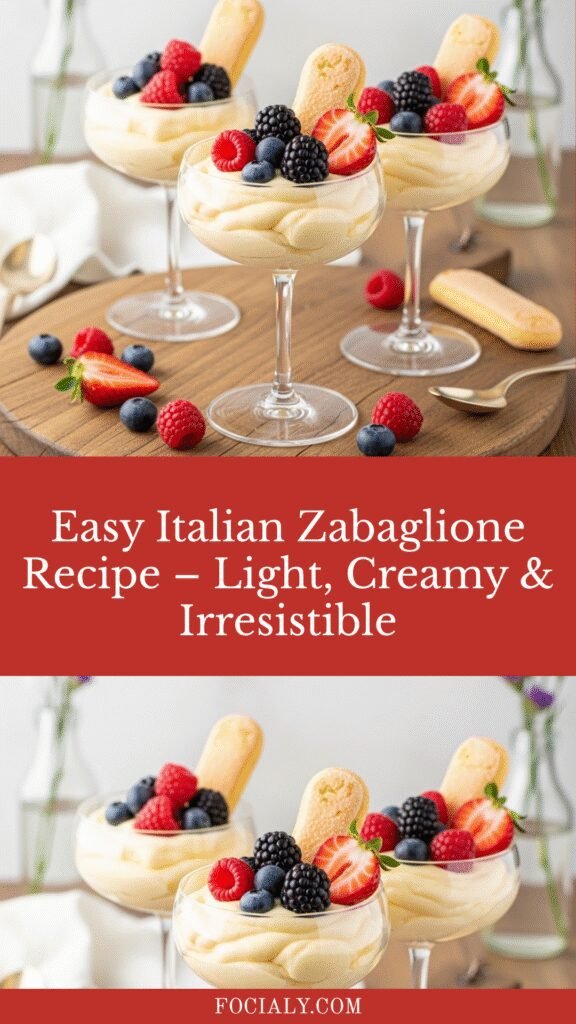
Zabaglione is one of those magical Italian desserts that feels fancy but comes together in about 15 minutes with just a handful of ingredients. This velvety, custard-like cream is made by whisking egg yolks, sugar, and sweet wine over gentle heat until it becomes impossibly light and frothy. The result? A warm, cloud-like dessert that melts on your tongue with hints of vanilla and the subtle sweetness of Marsala wine.
Perfect for romantic dinners, holiday gatherings, or any time you want to impress guests without spending hours in the kitchen, zabaglione is the ultimate Italian comfort dessert. Serve it warm in pretty glasses, spooned over fresh berries, or alongside crispy biscotti for dipping. This classic recipe transforms simple pantry staples into an elegant ending to any meal, and once you master the technique, you’ll find yourself making it again and again.
History / Background
Zabaglione (also spelled zabaione) has been warming Italian hearts since at least the 16th century, though its exact origins are delightfully shrouded in legend and regional pride. One popular story credits its creation to Captain Giovanni Baglioni, a Venetian military commander whose name supposedly evolved into “zabaglione” over time. According to this tale, the captain’s cook invented the dish during a campaign when supplies were scarce, combining whatever was available—eggs, sugar, and wine—to create something nourishing for the troops.
Another version places its birth in the Piedmont region of northwestern Italy, where locals insist it was created in Turin in the 1600s. The name might derive from “zabajone,” an Italian corruption of the Illyrian word “zabaja,” meaning a sweet drink made with milk and eggs that was popular in the Balkans.
What we do know for certain is that zabaglione became a staple of Northern Italian cuisine, particularly in Piedmont, Lombardy, and the Veneto region. Traditionally prepared with Marsala wine from Sicily, this dessert was considered both a delicacy and a restorative tonic—Italians believed it had medicinal properties and would serve it to the ill or elderly to help them regain strength.
Over the centuries, zabaglione evolved from a simple peasant dish to an aristocratic favorite, gracing the tables of noble families throughout Italy. French chefs adopted and adapted it, creating their own version called “sabayon,” which can be sweet or savory. Today, zabaglione remains a beloved classic in Italian restaurants worldwide, representing the Italian philosophy that the finest dishes often require the fewest ingredients when executed with care and technique.
Why You’ll Love This Recipe
Zabaglione embodies everything wonderful about Italian cooking—it’s elegant yet simple, sophisticated yet approachable. This isn’t just another dessert recipe; it’s a technique that will elevate your cooking repertoire and make you feel like a professional pastry chef. The process of whisking the mixture over a double boiler is almost meditative, and watching the transformation from liquid to luxurious foam is genuinely satisfying.
Here’s why this recipe will become one of your favorites:
- Minimal ingredients: Just four basic ingredients create restaurant-quality results
- Quick preparation: From start to finish in under 20 minutes
- Impressive presentation: Looks and tastes like you spent hours in the kitchen
- Versatile serving options: Serve alone, with fruit, over cake, or alongside cookies
- No baking required: Perfect for when you don’t want to heat up the oven
- Elegant yet easy: Ideal for dinner parties or special occasions
- Classic Italian tradition: Authentic recipe passed down through generations
- Naturally gluten-free: Perfect for guests with dietary restrictions
- Romantic dessert: The warm, custardy texture creates a luxurious dining experience
- Budget-friendly elegance: Creates an upscale dessert without expensive ingredients
Ingredient Notes
The beauty of zabaglione lies in its simplicity, but each ingredient plays a crucial role in creating that signature silky texture and delicate flavor.
Egg Yolks: The foundation of zabaglione, egg yolks provide richness, color, and the protein structure that creates that beautiful foam when whisked. Always use fresh, large eggs at room temperature for the best volume. The yolks should be bright yellow-orange for the most attractive color. Save those egg whites for meringues or breakfast scrambles!
Granulated Sugar: Regular white sugar dissolves quickly and sweetens without adding competing flavors. You can use superfine (caster) sugar if you want even faster dissolution. The sugar doesn’t just sweeten—it also stabilizes the foam and helps create that glossy finish. Some recipes use less sugar for a more wine-forward flavor, but the traditional ratio keeps things balanced.
Marsala Wine: This fortified wine from Sicily is the traditional choice and gives zabaglione its distinctive flavor. Use sweet Marsala (not dry) for dessert—look for bottles labeled “dolce” or “sweet.” The alcohol cooks off during preparation, leaving behind complex caramel and vanilla notes. Substitutions: If you don’t have Marsala, try sweet sherry, Madeira, port, or even a sweet white wine like Moscato. For a non-alcoholic version, use white grape juice with a splash of vanilla extract.
Vanilla Extract (optional but recommended): A small amount enhances the overall flavor without overpowering the Marsala. Use pure vanilla extract rather than imitation for the best taste.
Equipment Needed
Having the right tools makes preparing zabaglione much easier and ensures consistent results:
- Double boiler (or a heatproof bowl that fits over a saucepan)
- Medium saucepan (for the water bath)
- Balloon whisk (preferably medium-sized with flexible wires)
- Measuring cups and spoons
- Serving glasses or bowls (champagne coupes or wine glasses work beautifully)
- Kitchen thermometer (optional but helpful for beginners)
- Rubber spatula (for scraping down sides)
- Pot holder or kitchen towel (the bowl gets hot!)
Pro tip: If you don’t have a double boiler, simply place a heatproof glass or stainless steel mixing bowl over a saucepan filled with about 2 inches of water. Make sure the bottom of the bowl doesn’t touch the water—the gentle steam provides the perfect temperature for cooking the eggs without scrambling them.
PrintZabaglione Recipe

Classic Italian zabaglione is a light, airy custard made with egg yolks, sugar, and Marsala wine, whisked to perfection over a double boiler. This elegant dessert comes together in just 15 minutes and tastes absolutely divine served warm with fresh berries or crispy biscotti.
- Prep Time: 5 minutes
- Cook Time: 10 minutes
- Total Time: 15 minutes
- Yield: 4 servings 1x
- Category: Dessert
- Method: Stovetop
- Cuisine: Stovetop (Double Boiler)
- Diet: Vegetarian
Ingredients
- 6 large egg yolks (room temperature)
- ⅓ cup granulated sugar
- ½ cup sweet Marsala wine
- 1 teaspoon pure vanilla extract (optional)
- Fresh berries for serving (optional)
- Ladyfinger cookies or biscotti (optional)
Instructions
- Prepare your double boiler: Fill a medium saucepan with about 2 inches of water and bring it to a gentle simmer over medium heat. Place a heatproof bowl on top, making sure the bottom doesn’t touch the water. Reduce heat to medium-low to maintain a gentle simmer throughout the cooking process.
- Combine ingredients: In the heatproof bowl, whisk together the egg yolks and sugar vigorously for about 1 minute until the mixture becomes pale yellow and slightly thickened. This initial whisking helps dissolve the sugar and starts incorporating air.
- Add the wine: Pour in the Marsala wine and vanilla extract (if using), whisking constantly to combine everything smoothly. The mixture will become thinner at this point—that’s completely normal.
- Cook and whisk continuously: Place the bowl over the simmering water and begin whisking constantly in a figure-eight or circular motion. This is the key step that transforms the liquid into that signature fluffy foam. Keep whisking for 8-12 minutes without stopping. Your arm might get tired, but this constant motion prevents the eggs from scrambling and incorporates air to create volume.
- Watch for the right consistency: The zabaglione is ready when it has roughly tripled in volume, turned pale and frothy, and ribbons that fall from the whisk hold their shape on the surface for a few seconds before dissolving. It should coat the back of a spoon and register between 160-170°F (71-77°C) on a thermometer. The mixture will be thick, creamy, and have a mousse-like texture.
- Remove from heat: Once the zabaglione reaches the proper consistency, immediately remove the bowl from the heat to prevent overcooking. Give it a few final whisks off the heat.
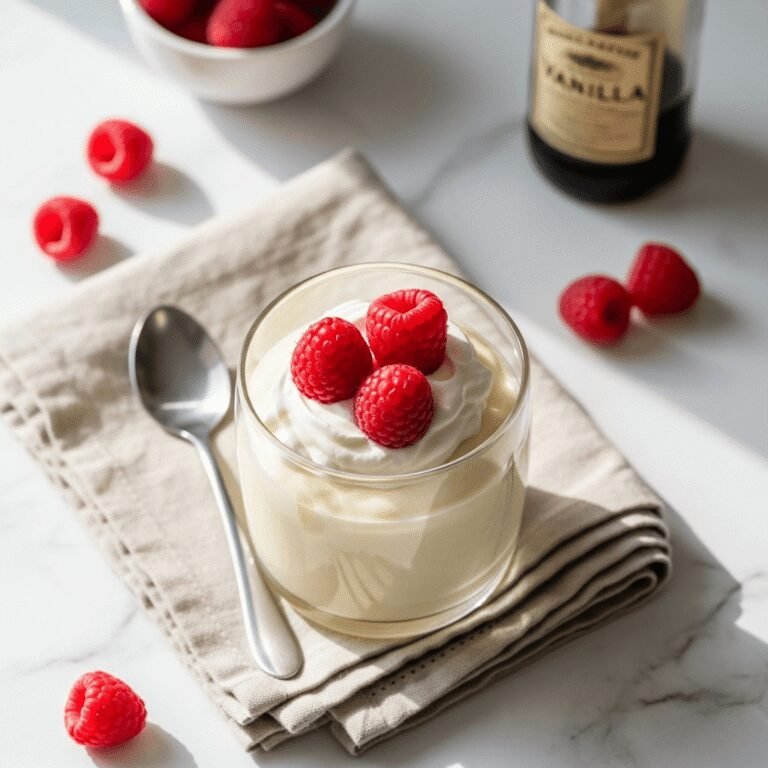
- Serve immediately: Divide the warm zabaglione among four serving glasses or bowls. Serve right away while it’s still warm and at its fluffiest, topped with fresh berries, alongside cookies, or simply on its own.
Notes
- Temperature matters: Keep the heat gentle—if the water boils vigorously, the eggs can scramble. You want steady steam, not a rolling boil.
- Don’t stop whisking: Continuous whisking is essential for incorporating air and preventing the eggs from cooking unevenly.
- Room temperature eggs: Cold eggs take longer to thicken and may not achieve the same volume.
- Serving temperature: Zabaglione is traditionally served warm, but you can also chill it for a cold dessert. Note that it will deflate slightly as it cools.
- Wine quality: Use a Marsala you’d actually drink—the quality significantly impacts the final flavor.
- Leftover storage: Best enjoyed immediately, but leftovers can be refrigerated in an airtight container for up to 24 hours. The texture will be denser after chilling.
Nutrition
- Serving Size: 1 portion (approximately ½ cup)
- Calories: 185
- Sugar: 17g
- Sodium: 15mg
- Fat: 5g
- Saturated Fat: 2g
- Unsaturated Fat: 3g
- Trans Fat: 0g
- Carbohydrates: 18g
- Fiber: 0g
- Protein: 3g
- Cholesterol: 280mg
Note: Nutrition information is approximate and calculated per serving without optional garnishes or accompaniments. Values may vary based on specific ingredients used.
Tips & Variations
Zabaglione is wonderfully adaptable. Here are some creative ways to customize this classic:
Flavor Variations:
- Chocolate Zabaglione: Whisk in 2 tablespoons of unsweetened cocoa powder with the egg yolks for a chocolate version
- Citrus Twist: Replace half the Marsala with fresh orange juice and add orange zest for a brighter flavor
- Coffee Infusion: Add 2 tablespoons of espresso for a sophisticated coffee-flavored dessert
- Spiced Version: Include a pinch of cinnamon or nutmeg for warmth
Serving Variations:
- Zabaglione Parfait: Layer chilled zabaglione with crushed amaretti cookies and fresh berries
- Fruit Gratin: Pour warm zabaglione over berries in ramekins, then broil for 1-2 minutes until lightly browned
- Cake Sauce: Use as a luxurious topping for pound cake or angel food cake
- Trifle Component: Layer with ladyfingers and fresh fruit for an Italian-style trifle
- Ice Cream Topping: Drizzle warm zabaglione over vanilla gelato
Dietary Adaptations:
- Lower Sugar: Reduce sugar to ¼ cup for a less sweet, more wine-forward version
- Non-Alcoholic: Substitute Marsala with white grape juice plus 1 teaspoon vanilla and a squeeze of lemon juice
- Dairy-Free: This recipe is naturally dairy-free unless you add whipped cream
Pro Chef Tips
These professional techniques will take your zabaglione from good to absolutely restaurant-quality:
Master the temperature: The ideal temperature range is 160-170°F. Too low and the mixture won’t thicken properly; too high and you risk scrambling the eggs. If you notice any signs of curdling, immediately remove from heat and whisk in a tablespoon of cold wine or water to bring down the temperature.
Whisk in the right pattern: Use a figure-eight pattern or large circular motions, making sure to reach all edges of the bowl and the bottom. This ensures even cooking and maximum air incorporation. Change direction occasionally to prevent developing a sore wrist.
Control your water temperature: Before placing the bowl over the water, check that it’s at a gentle simmer—you should see small bubbles, not a rapid boil. If the water gets too hot during cooking, remove the saucepan from heat entirely for 30 seconds while continuing to whisk, then return to lower heat.
The ribbon test: To check if your zabaglione is done, lift the whisk and let the mixture fall back into the bowl. It should create a ribbon that sits on the surface for 2-3 seconds before disappearing. If it dissolves immediately, keep whisking.
Add body with stabilizers: For zabaglione that holds up longer, some chefs fold in a tablespoon of whipped cream or a tiny pinch of gelatin (dissolved in warm water) after removing from heat. This helps if you’re serving it chilled or need it to last through a party.
Serve at its peak: Zabaglione is at its absolute best within 10-15 minutes of making it. If you need to hold it for a dinner party, keep the bowl in a slightly larger bowl of warm water (not hot) and give it an occasional gentle stir.
Use the right bowl: A rounded-bottom copper or stainless steel bowl is ideal because it conducts heat evenly and the curved surface makes whisking easier. Avoid using a glass bowl if possible, as it can create hot spots.
Common Mistakes to Avoid
Even experienced cooks can run into trouble with zabaglione. Here’s what to watch out for:
Overheating the mixture: This is the number one problem. If your water is boiling too vigorously or you cook too long, the eggs will scramble and you’ll end up with sweet scrambled eggs instead of smooth custard. Keep the heat gentle and steady. If you see any lumps forming, immediately remove from heat and whisk in cold Marsala, then strain if necessary.
Not whisking constantly: Taking breaks or whisking too slowly means uneven heat distribution and potential curdling. Your arm will definitely get a workout, but continuous whisking is non-negotiable for smooth results. If you’re worried about stamina, consider using a handheld electric mixer on low speed instead of a whisk, though traditional whisking gives better results.
Using cold eggs: Cold eggs from the refrigerator take much longer to thicken and won’t achieve the same volume and airiness. Always bring eggs to room temperature first—either leave them out for 30 minutes or place them (in the shell) in a bowl of warm water for 5 minutes before starting.
Stopping too early: The mixture needs adequate time to cook and thicken properly. Many beginners remove it from heat too soon, resulting in a thin, runny consistency that won’t hold its shape. Be patient and whisk until you achieve that tripled volume and ribbon stage.
Using the wrong wine: Dry Marsala instead of sweet completely changes the flavor profile and isn’t traditional. Also, avoid cooking wine, which contains salt and additives. Invest in a decent bottle of sweet Marsala—you can enjoy the rest in a glass or use it for other Italian recipes like chicken Marsala.
Storage & Meal Prep
While zabaglione is absolutely best served fresh and warm right after making it, there are times when you need to prepare ahead or store leftovers.
Immediate Serving (Ideal): For the best texture and presentation, serve zabaglione within 10-15 minutes of preparation while still warm and at maximum volume. This is when it has that magical cloud-like texture that makes it so special.
Short-term Holding: If you’re entertaining and need to time your dessert course, you can keep prepared zabaglione warm for up to 30 minutes by placing the bowl in a larger bowl filled with warm (not hot) water. Give it a gentle stir every 10 minutes. Note that it will gradually lose some volume.
Refrigerator Storage: Transfer cooled zabaglione to an airtight container and refrigerate for up to 24 hours. The texture will become denser and more pudding-like as it chills, losing some of that airy fluffiness. This is still delicious but different from the traditional preparation.
Reheating: Gently rewarm refrigerated zabaglione by placing the container in a bowl of warm water, stirring occasionally until it reaches your desired temperature. Don’t microwave, as it can separate. You can also serve it cold as a chilled custard—many people actually enjoy this variation.
Not Recommended: Zabaglione doesn’t freeze well due to its high egg content. The texture becomes grainy and separated when thawed, losing that signature smoothness. It’s best made fresh each time you want to serve it.
Make-Ahead & Freezer Notes
Zabaglione is traditionally a last-minute dessert, but you can prepare components ahead to make the final execution easier:
Advance Preparation Options:
- Separate your eggs 1-2 days ahead and store yolks in an airtight container in the refrigerator with plastic wrap pressed directly on the surface to prevent a skin from forming. Bring to room temperature before using.
- Measure dry ingredients and have them ready in small bowls so you can work quickly when it’s time to cook.
- Prepare your serving dishes and any accompaniments like sliced berries or cookies ahead of time. Having everything ready means you can serve immediately when the zabaglione is finished.
- Set up your double boiler with water in the pot so you just need to turn on the heat when ready.
Same-Day Strategy: The best approach is to prepare everything else for your meal first, then make the zabaglione right before serving. The actual cooking takes only 10-12 minutes, so you can excuse yourself from the table, prepare it quickly, and return with a stunning dessert.
Chilled Version for True Make-Ahead: If you absolutely must prepare entirely in advance, make the zabaglione, let it cool to room temperature, then refrigerate in individual serving glasses covered with plastic wrap. Serve cold with fresh berries on top. While not traditional, many people love this chilled variation, especially in summer. The texture will be more like a thick custard sauce than an airy mousse.
Freezing: Unfortunately, zabaglione cannot be successfully frozen. The delicate emulsion of eggs, wine, and sugar breaks down when frozen and thawed, resulting in a separated, grainy texture that can’t be recovered. This is one recipe best enjoyed fresh.
Serving Suggestions
Zabaglione’s versatility makes it perfect for numerous serving styles, from simple to elaborate:
Classic Pairings:
- Fresh Berries: Strawberries, raspberries, blackberries, or blueberries provide a tart contrast to the sweet custard. Macerate them with a little sugar first for extra juice.
- Italian Cookies: Savoiardi (ladyfingers), biscotti, or amaretti cookies are perfect for dipping into the warm zabaglione—very traditional in Italian homes.
- Stone Fruits: Sliced peaches, nectarines, or poached pears make elegant companions, especially in summer.
- Pound Cake or Angel Food Cake: Serve zabaglione as a sauce over a slice of plain cake for a more substantial dessert.
Beverage Pairings:
- More Marsala: Serve small glasses of the same sweet Marsala you used in the recipe
- Vin Santo: This Tuscan dessert wine is a perfect match
- Espresso: Strong Italian coffee provides a nice contrast to the sweet dessert
- Moscato d’Asti: A lightly sparkling sweet wine complements beautifully
Elegant Presentations:
- Layered Parfaits: Alternate zabaglione with crushed amaretti and fresh berries in clear glasses
- Fruit Gratin: Arrange berries in shallow dishes, pour zabaglione over top, sprinkle with sugar, and caramelize with a kitchen torch
- Zabaglione Trifle: Layer with ladyfingers soaked in coffee or liqueur, fresh fruit, and whipped cream
- Crostini Topping: Serve over toasted brioche or panettone slices
Seasonal Ideas:
- Summer: Serve chilled over mixed berry compote
- Fall: Pair with roasted figs and chopped hazelnuts
- Winter: Serve warm over poached pears with cinnamon
- Spring: Top with fresh strawberries and mint
FAQs Section
Can I make zabaglione without alcohol? Yes! Substitute the Marsala with white grape juice or apple juice combined with a teaspoon of vanilla extract and a squeeze of lemon juice for brightness. The flavor will be different but still delicious. Some cooks use pear or peach nectar for a fruitier version. Keep in mind that the alcohol in traditional zabaglione cooks off during preparation, leaving mainly the flavor behind.
Why did my zabaglione curdle or scramble? This happens when the eggs get too hot too quickly. The most common cause is water that’s boiling too vigorously rather than gently simmering. Make sure your heat is set to medium-low and the water produces steady steam without a rolling boil. Also, never stop whisking—constant motion distributes heat evenly and prevents hot spots that can scramble the eggs. If you catch curdling early, immediately remove from heat and whisk in a tablespoon of cold wine to bring down the temperature.
How do I know when zabaglione is done? Look for three signs: the mixture should triple in volume, turn pale yellow and frothy, and create ribbons that hold their shape for 2-3 seconds when you lift the whisk. It should coat the back of a spoon thickly, and if you draw a line through it with your finger, the line should hold. Temperature-wise, it should reach 160-170°F (71-77°C). If you’re new to making it, a thermometer is your best friend until you learn to recognize the visual and textural cues.
Can I serve zabaglione cold instead of warm? Absolutely! While traditionally served warm, chilled zabaglione is delicious and quite popular. The texture becomes more dense and pudding-like when cold, losing some of the airy fluffiness but gaining a lovely creamy consistency. Just cover and refrigerate for at least 2 hours before serving. It’s especially refreshing in warm weather served over chilled berries.
My zabaglione turned out runny. What went wrong? A runny consistency usually means it wasn’t cooked long enough to thicken properly. The mixture needs adequate time—typically 8-12 minutes of constant whisking—to cook the eggs sufficiently and incorporate enough air. It’s also possible your water temperature was too low, resulting in insufficient heat for thickening. Make sure you see steady steam rising from the water and be patient with the whisking process.
What can I do with leftover egg whites? Don’t waste those egg whites! Store them in an airtight container in the refrigerator for up to 4 days, or freeze them for up to 3 months (they don’t even need thawing before use). Use them for meringues, pavlova, angel food cake, macarons, or add them to breakfast scrambles and omelets for extra protein. You can also use them for cocktails like whiskey sours or in facial masks.
Is it safe to eat zabaglione with partially cooked eggs? When properly prepared, zabaglione reaches 160-170°F, which is hot enough to kill salmonella bacteria and make it safe to eat. The key is cooking it to the right temperature and whisking constantly to ensure all parts reach that temperature. If you’re concerned or cooking for pregnant women, young children, elderly people, or anyone with compromised immunity, you can use pasteurized eggs for extra safety without affecting the taste or texture.
Conclusion
There’s something truly magical about watching simple ingredients transform into this ethereal Italian dessert right before your eyes. Zabaglione isn’t just a recipe—it’s a technique, a tradition, and a testament to the Italian philosophy that incredible food doesn’t require fancy ingredients, just care and attention.
Whether you’re serving it at an elegant dinner party, preparing a romantic dessert for two, or simply treating yourself to something special on a quiet evening, zabaglione delivers that “wow” factor every single time. The warm, custardy texture, the subtle sweetness of Marsala, and the luxurious feeling of each spoonful make this one of Italy’s most beloved contributions to the dessert world.
Now that you have this classic recipe in your repertoire, you’re ready to impress family and friends with authentic Italian elegance. Don’t be intimidated by the technique—yes, your arm might get a workout from all that whisking, but the results are absolutely worth it. Plus, the more you make it, the more confident you’ll become at recognizing that perfect moment when the zabaglione reaches its ideal consistency.
Ready to try this incredible Italian dessert? Grab your whisk and give it a go tonight! I’d love to hear how it turns out for you—leave a comment below sharing your experience, and don’t forget to pin this recipe to your Pinterest boards so you can find it again easily. Happy cooking, and buon appetito! 🍷✨