The Ultimate Rum Cake Recipe: Moist, Buttery, and Soaked in Heaven
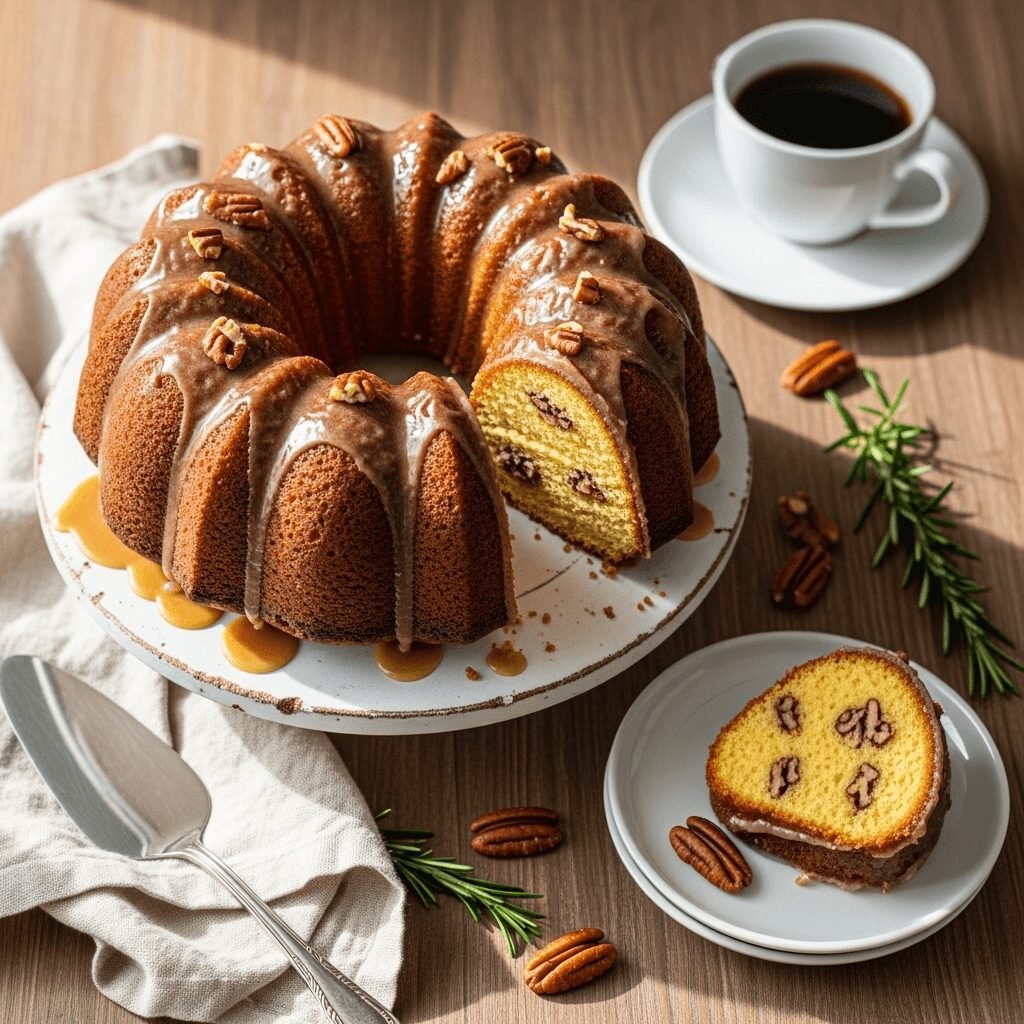
If you’ve ever dreamed of a dessert that’s impossibly moist, buttery-rich, and gloriously boozy, this rum cake is about to become your new favorite showstopper. This isn’t just any cake—it’s a celebration in dessert form, featuring a tender bundt cake that’s generously soaked in a warm, buttery rum glaze that seeps into every nook and cranny.
Perfect for holiday gatherings, special celebrations, or any time you want to impress guests with minimal effort, this rum cake delivers restaurant-quality results right from your home kitchen. The beauty of this recipe lies in its simplicity: while it tastes like you spent hours in the kitchen, it comes together with straightforward ingredients and techniques that any home baker can master. Serve it at Christmas dinner, bring it to potlucks, or make it as a thoughtful homemade gift—this cake never fails to draw compliments and recipe requests.
History / Background
Rum cake has a rich and fascinating history that spans centuries and continents, with roots deeply planted in Caribbean culture. The tradition of rum-soaked cakes traces back to the 18th century when rum production flourished in the Caribbean islands, particularly in Jamaica, Barbados, and the Virgin Islands. The abundance of sugarcane and the thriving rum distilleries made rum an accessible and popular ingredient for both drinking and cooking.
The original rum cakes were often made during the holiday season, particularly around Christmas, as a way to preserve cake for extended periods—the alcohol content acted as a natural preservative. Caribbean bakers would soak their dense fruit cakes in rum for weeks or even months, allowing the flavors to develop and intensify. This practice was heavily influenced by British colonial traditions of Christmas pudding and fruit cake, but with a distinctly tropical twist thanks to the local rum.
In the 1970s and 1980s, rum cake gained widespread popularity in the United States, particularly in tourist destinations like Florida and throughout the South. The cake became synonymous with vacation memories, as travelers would bring home commercially-produced rum cakes from Caribbean islands as souvenirs. Soon, American bakers began creating their own versions, adapting the recipe to be lighter and more approachable than the traditional dense fruit cakes, while still maintaining that signature rum-soaked indulgence.
The bundt pan version we know and love today became popular because it provides the perfect vehicle for the rum glaze—all those ridges and curves create more surface area for the buttery syrup to cling to and soak into. Today, rum cake remains a beloved dessert across the American South and beyond, representing a perfect marriage of Caribbean tradition and American home baking.
Why You’ll Love This Recipe
This rum cake recipe strikes the perfect balance between impressive presentation and easy execution, making it ideal for both novice and experienced bakers. The cake itself is tender and buttery with a hint of vanilla, while the rum glaze adds that boozy, caramelized sweetness that makes every bite unforgettable.
Here’s why this recipe will become a staple in your baking repertoire:
- Incredibly moist texture – The butter rum glaze soaks deep into the cake, ensuring it stays moist for days (if it even lasts that long!)
- Make-ahead friendly – Actually tastes better the next day, making it perfect for stress-free entertaining
- Impressive presentation – The classic bundt shape looks stunning with minimal effort
- Customizable booze level – Adjust the rum intensity to your preference or make it family-friendly
- Feeds a crowd – One bundt cake easily serves 12-16 people
- Long shelf life – Stays fresh for up to a week when stored properly
- No fancy techniques required – Simple mixing method that doesn’t require a stand mixer or professional skills
- Crowd-pleaser – Appeals to both casual dessert lovers and sophisticated palates
- Budget-friendly – Uses pantry staples with no expensive specialty ingredients
Ingredient Notes
All-Purpose Flour – The foundation of our cake structure. I recommend measuring by weight if possible, or using the spoon-and-level method to avoid dense cake. Cake flour can be substituted for an even more tender crumb, but all-purpose works beautifully.
Granulated Sugar – Provides sweetness and helps create the cake’s tender texture. Don’t reduce the sugar—it’s essential for the proper crumb structure.
Butter (Unsalted) – Use high-quality butter for the best flavor. Unsalted allows you to control the salt level. Make sure it’s at room temperature for easy creaming. European-style butter with higher fat content yields an even richer cake.
Eggs – Large eggs are standard. Room temperature eggs incorporate better into the batter and create better structure. Let them sit out for 30 minutes before baking.
Sour Cream – The secret to ultimate moisture! Sour cream adds tanginess and keeps the cake tender. Full-fat is essential—don’t use low-fat or fat-free versions. Greek yogurt can be substituted in a pinch.
Vanilla Extract – Use pure vanilla extract, not imitation. It provides a warm, sweet background that complements the rum beautifully.
Baking Powder & Baking Soda – These leaveners work together to give the cake its rise. Make sure they’re fresh (less than 6 months old) for best results.
Salt – Enhances all the flavors and balances the sweetness. Don’t skip it!
Rum – Dark rum provides the deepest flavor with notes of caramel and molasses. Spiced rum adds extra warmth, while light rum offers a lighter touch. For the most authentic flavor, use a quality Caribbean rum like Mount Gay, Appleton Estate, or Myers’s. Captain Morgan works well for a spiced version.
Chopped Pecans (Optional) – Traditional rum cakes often include pecans in the bottom of the pan. They add a lovely crunch and nutty flavor. Walnuts can be substituted if preferred.
Equipment Needed
- 10-12 cup Bundt pan – A standard bundt pan is essential for the classic shape. Non-stick or well-greased traditional pans both work.
- Electric mixer (hand mixer or stand mixer) – Makes creaming butter and sugar effortless, though you can mix by hand if needed.
- Large mixing bowls (2-3) – For separating wet and dry ingredients.
- Measuring cups and spoons – Accurate measurements are crucial in baking.
- Wire cooling rack – Allows air circulation for even cooling.
- Small saucepan – For making the butter rum glaze.
- Whisk – For combining dry ingredients.
- Rubber spatula – For scraping down bowl sides and folding ingredients.
- Toothpick or cake tester – For checking doneness.
- Pastry brush – Optional but helpful for brushing glaze over the cake.
- Skewer or wooden skewer – For poking holes in the cake to help glaze absorb.
Rum Cake Recipe

A showstopping bundt cake that’s incredibly moist, buttery, and soaked in a rich butter rum glaze. This classic rum cake is perfect for holidays, celebrations, or any time you want to serve an impressive dessert with minimal effort. The tender vanilla cake is generously doused in warm rum syrup that creates the most irresistible boozy, caramelized flavor.
- Prep Time: 50-60 minutes
- Cook Time: 45 minutes
- Total Time: 2 hours
- Yield: 12-16 servings 1x
- Category: Dessert
- Method: Baking
- Cuisine: Caribbean-American
- Diet: Vegetarian
Ingredients
For the Cake:
- 3 cups all-purpose flour
- 2 cups granulated sugar
- 1 cup unsalted butter, room temperature
- 4 large eggs, room temperature
- 1 cup sour cream, room temperature
- ½ cup whole milk, room temperature
- 2 teaspoons vanilla extract
- 2 teaspoons baking powder
- ½ teaspoon baking soda
- ½ teaspoon salt
- 1 cup chopped pecans (optional, for bottom of pan)
For the Butter Rum Glaze:
- 1 cup unsalted butter
- 1 cup granulated sugar
- ½ cup dark rum
- ¼ cup water
- 1 teaspoon vanilla extract
Instructions
Step 1: Prepare Your Pan
Preheat your oven to 325°F (165°C). Generously grease a 10-12 cup bundt pan with butter or non-stick spray, making sure to coat every ridge and crevice. If using pecans, sprinkle them evenly in the bottom of the greased pan. This attention to greasing is crucial—you want this cake to release perfectly.
Step 2: Mix Dry Ingredients
In a medium bowl, whisk together the flour, baking powder, baking soda, and salt. Set this aside. Whisking aerates the flour and ensures the leaveners are evenly distributed throughout.
Step 3: Cream Butter and Sugar
In a large mixing bowl using an electric mixer, cream the room temperature butter and sugar together on medium-high speed for 3-4 minutes until the mixture is light, fluffy, and pale yellow. This step incorporates air into the batter, which helps create a tender crumb. Don’t rush this—proper creaming is essential.
Step 4: Add Eggs
Add the eggs one at a time, beating well after each addition. Make sure each egg is fully incorporated before adding the next. The mixture should look smooth and emulsified. If it looks slightly curdled, that’s okay—it’ll come together when you add the dry ingredients.
Step 5: Combine Wet Ingredients
In a small bowl or measuring cup, whisk together the sour cream, milk, and vanilla extract until smooth.
Step 6: Alternate Adding Ingredients
With your mixer on low speed, add the flour mixture in three additions, alternating with the sour cream mixture in two additions. Begin and end with the flour mixture. The pattern should be: flour, sour cream, flour, sour cream, flour. Mix just until combined after each addition—overmixing develops gluten and creates a tough cake. Use a rubber spatula to scrape down the sides and bottom of the bowl to ensure everything is incorporated.
Step 7: Bake the Cake
Pour the batter into your prepared bundt pan, smoothing the top with a spatula. Tap the pan gently on the counter 2-3 times to release any air bubbles. Bake for 50-60 minutes, or until a toothpick inserted into the center comes out with just a few moist crumbs (not wet batter). The top should be golden brown and spring back when lightly touched.
Step 8: Make the Rum Glaze
While the cake is baking, prepare your glaze. In a medium saucepan over medium heat, combine the butter, sugar, water, and rum. Bring to a boil, stirring constantly to dissolve the sugar. Once boiling, reduce heat to low and simmer for 5 minutes, stirring occasionally. The mixture will thicken slightly and become syrupy. Remove from heat and stir in the vanilla extract.
Step 9: Initial Glaze Application
When the cake comes out of the oven, let it cool in the pan for 10 minutes. Using a wooden skewer or toothpick, poke holes all over the bottom of the cake (which will become the top when inverted). Slowly brush or pour about one-third of the warm glaze over the cake while it’s still in the pan. Let it absorb for 5 minutes.
Step 10: Invert and Finish Glazing
Carefully invert the cake onto a wire rack set over a baking sheet or large plate (to catch drips). Remove the pan slowly. While the cake is still warm, poke more holes all over the top and sides with your skewer. Slowly brush the remaining glaze all over the cake, allowing each application to soak in before adding more. Use all the glaze—this is what makes rum cake so incredibly moist! Let the cake cool completely before slicing.
Notes
- Alcohol Content: Most of the alcohol cooks off, but there’s still noticeable rum flavor. For a less boozy version, use half rum and half water, or use rum extract (1-2 tablespoons) instead of actual rum.
- Make It Family-Friendly: Replace rum with orange juice or apple juice mixed with 1-2 teaspoons of rum extract for flavor without the alcohol.
- Pan Preparation is Critical: Don’t skip the generous greasing. Bundt pans have lots of crevices where cake can stick. Some bakers dust the greased pan with flour or use a flour-based baking spray for extra insurance.
- Glazing Technique: Apply the glaze while both the cake and glaze are warm for maximum absorption. Be patient and let each layer soak in.
- Flavor Deepens: This cake actually tastes better the next day after the flavors have melded together.
- Pecans Optional: Leave them out for a nut-free version, or substitute walnuts or almonds.
Nutrition
- Serving Size: 1 slice (based on 14 servings)
- Calories: 485
- Sugar: 38g
- Sodium: 195mg
- Fat: 26g
- Saturated Fat: 15g
- Unsaturated Fat: 9g
- Trans Fat: 0g
- Carbohydrates: 52g
- Fiber: 1g
- Protein: 5g
- Cholesterol: 115mg
Nutrition information is approximate and will vary based on ingredients used and portion sizes.
Tips & Variations
Chocolate Rum Cake: Replace ½ cup of flour with unsweetened cocoa powder for a chocolate version. Add a tablespoon of espresso powder to intensify the chocolate flavor.
Coconut Rum Cake: Add 1 cup of sweetened shredded coconut to the batter and use coconut rum (like Malibu) in the glaze. Sprinkle toasted coconut on top after glazing.
Spiced Rum Cake: Add 1 teaspoon cinnamon, ½ teaspoon nutmeg, and ¼ teaspoon allspice to the dry ingredients. Use spiced rum in the glaze for double the warmth.
Citrus Twist: Add 2 tablespoons of orange or lemon zest to the batter for a bright, fresh note that cuts through the richness.
Cream Cheese Rum Cake: Mix 8 oz of softened cream cheese with the butter for an even richer, denser cake with tanginess.
Lighter Version: Use reduced-fat sour cream and replace half the butter with Greek yogurt. Note that this will slightly affect the texture and richness.
Mini Rum Cakes: Divide batter among mini bundt pans and reduce baking time to 25-30 minutes. Perfect for individual servings or gifting.
Gluten-Free: Use a 1:1 gluten-free baking flour blend. The texture will be slightly different but still delicious.
Pro Chef Tips
Room Temperature Ingredients Matter: This isn’t just baking pedantry—room temperature eggs, butter, and sour cream emulsify better, creating a smoother batter and more uniform crumb. Cold ingredients can cause the batter to curdle or mix unevenly.
Don’t Overbake: Rum cake should be moist and tender, not dry. Check for doneness at 50 minutes, and remember that a few moist crumbs on your toothpick are perfect—you don’t want it completely dry.
The “Poke and Soak” Method: Poking holes throughout the cake before glazing isn’t optional—it’s essential. This creates channels for the glaze to penetrate deep into the cake. Be generous with your poking!
Warm Glaze on Warm Cake: The science here is important: warm glaze is thin enough to soak in, and warm cake has open pores that absorb liquid better. If either cools too much, the glaze will just sit on top.
Quality Rum Makes a Difference: Since rum is a starring flavor, using a quality dark rum will elevate your cake significantly. Save the bottom-shelf stuff for mixed drinks and invest in something you’d actually enjoy sipping.
The Overnight Secret: Professional bakers know that rum cake reaches its peak flavor after sitting covered overnight. The glaze distributes evenly, flavors meld, and the texture becomes even more velvety. If you can resist cutting into it immediately, your patience will be rewarded.
Slice with Confidence: Use a sharp serrated knife and wipe it clean between slices for the cleanest cuts. The knife will pull through the tender, moist cake easily if it’s sharp and clean.
Common Mistakes to Avoid
Mistake #1: Under-Greasing the Pan
The most heartbreaking moment in baking is when your beautiful cake sticks to the pan and tears apart. Bundt pans have intricate designs that catch cake easily. Solution: Use solid shortening or butter to grease every single crevice, or use a flour-based baking spray like Baker’s Joy. Don’t rely on just a quick spray.
Mistake #2: Overmixing the Batter
Once you add the flour, mix just until you can’t see dry streaks anymore. Overmixing develops gluten, which creates a tough, dense cake instead of the tender crumb you want. Solution: Mix on low speed and finish with a few gentle folds using a spatula.
Mistake #3: Inverting Too Soon
If you flip the cake out of the pan immediately, it will break apart because it’s too fragile while hot. Wait too long, and the glaze acts like glue, cementing the cake to the pan. Solution: Let it cool for exactly 10 minutes, poke holes, add some glaze, wait 5 more minutes, then invert.
Mistake #4: Rushing the Glaze Application
Dumping all the glaze on at once leads to a puddle on your counter and a dry cake. Solution: Apply the glaze in several stages, brushing or spooning it on and waiting 5-10 minutes between applications for it to absorb.
Mistake #5: Using Imitation Vanilla or Low-Quality Rum
These key flavors define your cake. Imitation vanilla tastes artificial, and cheap rum can taste harsh. Solution: Spring for pure vanilla extract and a decent bottle of rum—your taste buds will thank you.
Storage & Meal Prep
Room Temperature Storage: Once completely cooled and glazed, wrap the rum cake tightly in plastic wrap and store at room temperature for up to 5 days. The alcohol in the glaze acts as a preservative, and the cake will actually remain moist and delicious throughout this time. In fact, the flavors continue to develop and deepen.
Refrigerator Storage: If your kitchen is particularly warm or humid, you can refrigerate the wrapped cake for up to 1 week. Bring it back to room temperature before serving for the best texture and flavor—cold cake isn’t as tender and the flavors are muted.
Leftover Slices: Wrap individual slices in plastic wrap and store in an airtight container. This makes it easy to grab a slice whenever a craving strikes. Slices will stay fresh for 5-7 days at room temperature.
Reheating: While rum cake is delicious at room temperature, you can warm individual slices in the microwave for 15-20 seconds for a fresh-from-the-oven experience. The glaze will become glossy and the cake will be irresistibly tender.
Gifting: Rum cake makes a wonderful homemade gift. Wrap cooled cake in plastic wrap, then in decorative cellophane or place in a cake box tied with ribbon. Include storage instructions on a recipe card.
Make-Ahead & Freezer Notes
Make-Ahead Success: This is one of the best make-ahead desserts you can prepare. In fact, rum cake tastes significantly better the day after baking—this isn’t just convenience, it’s actually recommended. Bake and glaze the cake up to 3 days before serving. Wrap tightly and store at room temperature. The flavors meld beautifully and the texture becomes even more uniformly moist.
Freezing the Cake: Rum cake freezes exceptionally well for up to 3 months. Here’s how: Once the cake is completely cooled and glazed, wrap it tightly in two layers of plastic wrap, then wrap in aluminum foil or place in a freezer-safe container. Label with the date.
Freezing Individual Slices: Cut the cake into slices, wrap each slice individually in plastic wrap, then place all wrapped slices in a freezer bag. This lets you thaw individual portions as needed—perfect for satisfying late-night dessert cravings without defrosting an entire cake.
Thawing Instructions: Transfer the frozen cake (still wrapped) to the refrigerator and let it thaw overnight. Once thawed, bring to room temperature before serving—this takes about 2-3 hours. Never thaw in the microwave, as this can create a rubbery texture.
Freezing Unglazed Cake: For maximum flexibility, you can freeze the baked cake before glazing. Wrap it tightly as described above. Thaw completely, then prepare fresh glaze and apply it to the room-temperature cake. This gives you that fresh-glazed appearance and aroma.
Refreshing Frozen Cake: After thawing, you can brush on a little extra warm glaze to refresh the exterior and restore that glossy appearance if desired.
Serving Suggestions
Classic Presentation: Serve slices on dessert plates with a dusting of powdered sugar and a dollop of freshly whipped cream. A mint sprig adds a pop of color and freshness that contrasts beautifully with the rich cake.
With Ice Cream: A scoop of vanilla bean ice cream or butter pecan ice cream alongside warm rum cake is pure indulgence. The cold, creamy ice cream against the warm, boozy cake is an irresistible combination.
Coffee Pairing: Rum cake is the perfect companion to a strong cup of coffee or espresso. The rich, caramelized flavors complement the coffee’s bitterness beautifully. It’s also excellent with Irish coffee for a double-boozy treat.
Dessert Board: Include rum cake as the centerpiece of a dessert board alongside fresh berries, whipped cream, chocolate truffles, and nuts. This works beautifully for holiday gatherings where guests can graze.
With Fruit Compote: A warm berry compote or caramelized banana slices add fruity brightness that cuts through the cake’s richness. The tartness of berries especially complements the sweet, boozy flavor.
Caramel Drizzle: Take it over the top by drizzling warm caramel sauce over each slice just before serving. If you really want to impress, use salted caramel for that sweet-salty contrast.
Beverage Pairings: Beyond coffee, rum cake pairs wonderfully with dessert wines (like Moscato or Port), a dark rum cocktail, hot chocolate, or even a chai latte. For non-alcoholic options, try it with spiced apple cider or vanilla cream soda.
Holiday Styling: During Christmas, serve on festive plates with sugared cranberries, rosemary sprigs, and a sprinkle of edible gold dust for an elegant presentation.
FAQs Section
Q: Can I make this cake without alcohol?
A: Absolutely! Replace the rum in the glaze with orange juice, apple juice, or pineapple juice mixed with 1-2 tablespoons of rum extract for that characteristic flavor without the alcohol. You can also use a combination of vanilla and butter extract. The cake will be slightly less moist since alcohol helps preserve moisture, but it will still be delicious.
Q: Why did my cake stick to the pan?
A: Pan sticking is usually caused by insufficient greasing or removing the cake too quickly. Make sure to generously grease every nook and cranny of your bundt pan with butter or shortening, or use a baking spray with flour. Let the cake cool in the pan for 10 minutes after the first glaze application, then gently loosen the edges before inverting. If disaster strikes and your cake does stick, don’t worry—you can piece it back together on your serving plate and cover any imperfections with extra glaze and powdered sugar.
Q: Can I use a different type of pan?
A: While the classic bundt pan is traditional and provides the best surface area for glaze absorption, you can use two 9-inch round cake pans or a 9×13-inch baking pan. Adjust baking time to 35-40 minutes for round pans or 40-45 minutes for a 9×13 pan. The glaze will need to be poked into the cake and brushed on rather than soaking from multiple sides.
Q: My cake turned out dry. What happened?
A: Dry cake usually results from overbaking or not applying enough glaze. Check your oven temperature with an oven thermometer—many ovens run hot. Start checking for doneness at 50 minutes. Also, make sure you’re using all of the glaze and applying it while both the cake and glaze are warm. Don’t be shy—this cake should be very moist and almost pudding-like in texture.
Q: What type of rum should I use?
A: Dark rum provides the richest, most traditional flavor with notes of molasses and caramel. Brands like Myers’s Dark, Mount Gay Eclipse, or Appleton Estate are excellent choices. Spiced rum (like Captain Morgan) adds warming spices and works beautifully. Light rum creates a milder flavor. Avoid flavored rums unless you want that specific flavor (coconut rum for a tropical version, for example). The quality of rum does matter since it’s a primary flavor.
Q: Can I reduce the sugar in this recipe?
A: I wouldn’t recommend it. The sugar in the cake is essential for proper structure and moisture, and the sugar in the glaze creates the syrup that soaks into the cake. Reducing sugar will result in a denser cake with less moisture. If you must reduce it, cut no more than ¼ cup from the cake and 2 tablespoons from the glaze, but expect different results.
Q: How do I know when the cake is done?
A: Insert a toothpick or cake tester into the thickest part of the cake (usually about 2 inches from the outer edge). It should come out with a few moist crumbs attached, but no wet batter. The top should be golden brown and spring back when lightly touched. The internal temperature should reach about 200-205°F on an instant-read thermometer.
Q: Can I double this recipe?
A: Yes, you can double the recipe to make two cakes. Make sure to use two separate bundt pans and bake them on the same oven rack if they fit, or rotate them halfway through baking if you need to use two racks. Don’t try to double the batter in one pan—it will overflow and won’t bake evenly.
Conclusion
There’s something magical about a beautifully glazed rum cake sitting on your counter, filling your home with the intoxicating aroma of butter, vanilla, and rum. This isn’t just a dessert—it’s a conversation starter, a holiday tradition in the making, and proof that homemade treats can be both impressive and achievable.
The beauty of this rum cake recipe is that while it looks and tastes like something from a high-end bakery, it’s actually incredibly forgiving and beginner-friendly. The generous rum glaze ensures a moist, tender crumb even if your timing isn’t perfect, and the classic bundt shape creates instant visual impact without any decorating skills required.
Whether you’re baking this for a holiday gathering, a special celebration, or simply because you deserve something delicious, I hope this recipe brings as much joy to your kitchen as it has to mine. The first time you cut into that glossy, rum-soaked cake and see those tender crumbs, you’ll understand why this dessert has been beloved for generations.
Now it’s your turn! Give this rum cake recipe a try and let me know how it turns out in the comments below. Did you try any of the variations? What’s your favorite way to serve it? Don’t forget to snap a photo of your beautiful creation and pin it to your Pinterest boards to save for later. If your friends and family ask for the recipe (and they will), send them here—I’d love to hear how this cake becomes part of your baking traditions too.
Happy baking, and here’s to creating delicious memories, one buttery, rum-soaked slice at a time! 🍰✨