The Best Lemon Cookies Recipe – Soft, Tangy & Irresistibly Delicious!

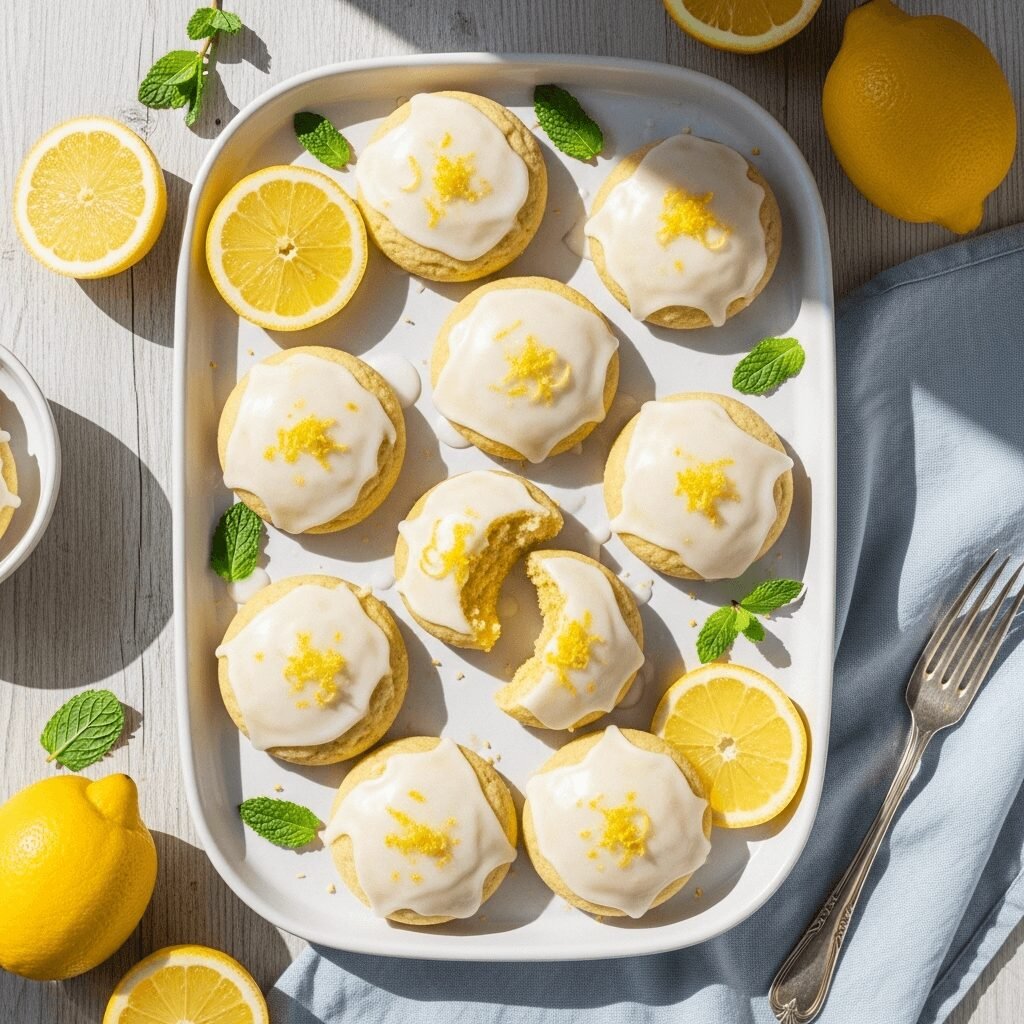
There’s something absolutely magical about biting into a soft, pillowy lemon cookie that perfectly balances sweet and tart flavors. These lemon cookies are the ultimate treat for anyone who loves bright citrus desserts that feel like sunshine in every bite. With their delicate crumb, zesty lemon flavor, and optional glaze that adds just the right amount of sweetness, these cookies are perfect for spring gatherings, summer picnics, holiday cookie exchanges, or simply when you’re craving something light and refreshing after dinner.
What makes these lemon cookies so special is their versatility. They’re fancy enough to serve at a bridal shower or baby shower, yet simple enough to whip up on a weeknight when you need a little pick-me-up. The fresh lemon juice and zest create an authentic citrus flavor that’s leagues beyond anything you’ll find in a store-bought cookie, and the soft texture makes them absolutely addictive. Whether you’re a seasoned baker or just starting your cookie-making journey, this recipe is wonderfully approachable and yields consistently delicious results every single time.
History / Background
Lemon cookies have a rich heritage that spans multiple continents and centuries. Citrus-based desserts became particularly popular in Europe during the Renaissance period when lemons were considered exotic luxury items, often grown in elaborate greenhouse orangeries owned by wealthy aristocrats. The combination of butter-rich dough with fragrant lemon created a sophisticated treat that quickly became associated with celebration and refinement.
In America, lemon cookies gained significant popularity during the early 20th century, particularly in regions where citrus fruits were abundantly grown, like California and Florida. Home bakers embraced lemon cookies as a lighter alternative to heavy chocolate desserts, especially during warmer months. The rise of women’s magazines and community cookbooks helped spread regional lemon cookie recipes across the country, with each region adding its own twist—some preferred a crispy snap, others a cake-like softness, and some added glazes or powdered sugar dustings.
The modern lemon cookie we know today evolved from various European traditions, including Italian lemon biscotti, French madeleines with citrus, and British lemon biscuits. American home bakers perfected the soft, chewy version that has become a staple at bake sales, cookie swaps, and family gatherings. Today, lemon cookies represent comfort, brightness, and the simple joy of home baking—a reminder that the best desserts don’t need to be complicated to be absolutely delicious.
Why You’ll Love This Recipe
These lemon cookies hit that perfect sweet spot between impressive and effortless. They look beautiful on a serving platter, taste like you spent hours in the kitchen, but actually come together in less time than it takes to watch your favorite cooking show. The bright, zingy lemon flavor is refreshing without being overpowering, making these cookies a crowd-pleaser for all ages.
Here’s why this recipe will become your go-to lemon cookie:
- Incredibly soft and tender texture – These aren’t your average crunchy cookies; they’re pillowy soft with a melt-in-your-mouth quality
- Bursting with real lemon flavor – Fresh lemon juice and zest create authentic citrus taste that tastes like sunshine
- Simple ingredients you already have – No specialty items needed, just pantry staples and fresh lemons
- Perfect for any occasion – Dress them up for parties or keep them casual for everyday snacking
- Freezer-friendly – Make a double batch and freeze half for future cookie emergencies
- Kid-friendly baking project – Simple enough for children to help with mixing and decorating
- Naturally lighter than chocolate desserts – The citrus flavor feels refreshing rather than heavy
- Customizable – Add glazes, frostings, or enjoy them plain—they’re delicious every way
- Budget-friendly – Costs just pennies per cookie to make at home
- Ready in under 30 minutes – From mixing bowl to cookie jar in no time
Ingredient Notes
Understanding your ingredients is the key to baking success. Here’s what you’ll need for perfect lemon cookies and why each component matters:
All-Purpose Flour – The foundation of our cookies. It provides structure without making them tough. You can substitute with gluten-free 1:1 baking flour if needed, though the texture will be slightly different.
Butter (unsalted) – Use real butter for the best flavor and texture. It creates tenderness and that classic cookie richness. Make sure it’s softened to room temperature, not melted, for proper creaming. If you only have salted butter, reduce the added salt by half.
Granulated Sugar – Sweetens the cookies and helps create their tender crumb through the creaming process with butter. The sugar crystals also contribute to the soft texture.
Eggs – Provide structure, moisture, and richness. Room temperature eggs incorporate better into the batter. Large eggs are standard for this recipe.
Fresh Lemon Juice & Zest – The star of the show! Fresh is absolutely crucial here—bottled lemon juice simply doesn’t compare. You’ll need about 2-3 medium lemons. The zest contains essential oils that pack incredible flavor, while the juice adds tanginess.
Baking Powder – Our leavening agent that helps the cookies rise slightly and creates that soft, tender texture. Make sure yours is fresh (check the expiration date) for best results.
Salt – Enhances all the other flavors and balances the sweetness. Don’t skip it!
Vanilla Extract – Adds depth and rounds out the lemon flavor beautifully. Pure vanilla extract is preferable to imitation.
Powdered Sugar (for glaze, optional) – Creates a sweet, smooth glaze that adds visual appeal and extra lemon flavor when mixed with lemon juice.
Equipment Needed
You don’t need a fancy kitchen to make amazing lemon cookies. Here’s what you’ll want to have ready:
- Mixing bowls (at least 2 – one large, one medium)
- Electric hand mixer or stand mixer (for creaming butter and sugar)
- Measuring cups and spoons (for accurate measurements)
- Zester or microplane (for lemon zest)
- Citrus juicer (or just use your hands!)
- Whisk (for dry ingredients)
- Rubber spatula (for scraping bowls and folding)
- Cookie scoops or spoons (1.5 tablespoon size works perfectly)
- Baking sheets (2 sheets make the process faster)
- Parchment paper or silicone baking mats (prevents sticking)
- Cooling rack (for properly cooling cookies)
- Small bowl (for glaze, if making)
Lemon Cookies Recipe

Soft, tender lemon cookies bursting with fresh citrus flavor and topped with a sweet lemon glaze. Perfect for spring gatherings, cookie exchanges, or anytime you need a bright, refreshing treat!
- Prep Time: 15 minutes
- Cook Time: 10 minutes
- Total Time: 25 minutes
- Yield: 24 cookies 1x
- Category: Dessert
- Method: Baking
- Cuisine: American
- Diet: Vegetarian
Ingredients
For the Cookies:
- 2 ½ cups all-purpose flour
- ½ teaspoon baking powder
- ½ teaspoon salt
- ¾ cup unsalted butter, softened to room temperature
- 1 cup granulated sugar
- 1 large egg, room temperature
- 2 tablespoons fresh lemon juice
- 2 tablespoons fresh lemon zest (about 2 medium lemons)
- 1 teaspoon vanilla extract
For the Lemon Glaze (Optional):
- 1 ½ cups powdered sugar
- 3 tablespoons fresh lemon juice
- 1 teaspoon lemon zest (for garnish)
Instructions
- Preheat and Prepare: Preheat your oven to 350°F (175°C). Line two baking sheets with parchment paper or silicone baking mats. Set aside.
- Mix Dry Ingredients: In a medium bowl, whisk together the flour, baking powder, and salt until well combined. This ensures even distribution of the leavening agent. Set this bowl aside.
- Cream Butter and Sugar: In a large mixing bowl, using an electric mixer on medium-high speed, beat the softened butter and granulated sugar together for 2-3 minutes until the mixture is light, fluffy, and pale in color. This creaming process incorporates air and creates the soft texture we’re after.
- Add Wet Ingredients: Beat in the egg until fully incorporated. Add the fresh lemon juice, lemon zest, and vanilla extract. Mix until everything is well combined. The mixture may look slightly curdled—this is completely normal with the lemon juice and will come together once you add the flour.
- Combine Wet and Dry: With your mixer on low speed, gradually add the flour mixture to the wet ingredients. Mix just until no flour streaks remain. Be careful not to overmix, as this can make cookies tough. The dough will be soft and slightly sticky.
- Shape the Cookies: Using a 1.5 tablespoon cookie scoop (or a regular spoon), scoop portions of dough and roll them gently between your palms to form balls. Place them on the prepared baking sheets, spacing them about 2 inches apart as they’ll spread slightly during baking.
- Bake: Bake for 10-12 minutes, until the edges are just set and very lightly golden. The centers will look slightly underdone—this is perfect! They’ll continue cooking on the hot pan after you remove them from the oven.
- Cool: Let the cookies cool on the baking sheet for 5 minutes (this is crucial—they’re too delicate to move immediately), then carefully transfer them to a cooling rack to cool completely.
- Make the Glaze (Optional): While cookies cool, whisk together the powdered sugar and lemon juice in a small bowl until smooth. The glaze should be thick but pourable. If it’s too thick, add lemon juice ½ teaspoon at a time. If too thin, add more powdered sugar.
- Glaze the Cookies: Once cookies are completely cool, dip the top of each cookie into the glaze, letting excess drip off. Place back on the cooling rack and sprinkle with extra lemon zest if desired. Let the glaze set for 15-20 minutes before serving or storing.
Notes
- Don’t overbake! Lemon cookies should look slightly underdone in the center when you remove them. They firm up as they cool.
- Room temperature ingredients are key for proper mixing and texture.
- Fresh lemon is essential – bottled juice won’t give you the same bright, authentic flavor.
- Glaze is optional but highly recommended for extra lemon punch and pretty presentation.
- Cookies will be soft even when fully cooled—that’s the goal! If you prefer crispier cookies, bake an additional 2-3 minutes.
Nutrition
- Serving Size: 1 cookie (without glaze)
- Calories: 118
- Sugar: 9g
- Sodium: 65mg
- Fat: 6g
- Saturated Fat: 3.5g
- Unsaturated Fat: 2.5g
- Trans Fat: 0g
- Carbohydrates: 15g
- Fiber: 0.3g
- Protein: 1.5g
- Cholesterol: 23mg
Nutrition information is approximate and calculated per cookie without glaze. Adding glaze will increase sugar and calorie content by approximately 25-30 calories per cookie.
Tips & Variations
Lemon Poppy Seed Cookies: Add 2 tablespoons of poppy seeds to the dough for a classic combination with delightful texture and visual appeal.
Meyer Lemon Version: Substitute regular lemons with Meyer lemons for a sweeter, more floral citrus flavor that’s absolutely divine.
Lemon Lavender Cookies: Add 1 teaspoon of culinary lavender to the dough for an elegant, sophisticated flavor profile perfect for tea parties.
Extra Citrus Burst: Add ½ teaspoon of lemon extract along with the fresh lemon for even more intense flavor.
Lemon Cream Cheese Frosting: Instead of glaze, top with a cream cheese frosting made with lemon zest for a richer, tangier topping.
Lemon Blueberry Cookies: Fold in ½ cup of fresh or frozen blueberries (tossed in flour) for a fruity twist.
Vegan Adaptation: Use vegan butter and replace the egg with a flax egg (1 tablespoon ground flaxseed mixed with 3 tablespoons water, let sit 5 minutes).
Slice-and-Bake Version: Form the dough into a log, wrap in plastic wrap, and refrigerate for up to 5 days or freeze for 3 months. Slice and bake as needed.
Coconut Lemon Cookies: Add ½ cup of sweetened shredded coconut to the dough for tropical flair.
Healthier Option: Replace half the butter with Greek yogurt and reduce sugar to ¾ cup for a lighter version with extra protein.
Pro Chef Tips
Zest before you juice: Always zest your lemons before cutting and juicing them. It’s nearly impossible to zest a halved lemon, and you’ll thank yourself for this simple order of operations.
Use a scale for consistency: If you have a kitchen scale, weigh your flour (about 300g for 2½ cups) for perfectly consistent results every time. Scooping flour can lead to too much flour and dry cookies.
Chill the dough for firmer cookies: If you prefer cookies that spread less and have a slightly thicker profile, refrigerate the dough for 30 minutes before scooping and baking.
The toothpick test doesn’t work here: Unlike cakes, you can’t test cookie doneness with a toothpick. Watch for set edges and slightly underdone centers—visual cues are your best friend.
Rotate your pans: For even baking, rotate your baking sheets halfway through the baking time, especially if your oven has hot spots.
Fresh baking powder matters: Baking powder loses potency over time. Test yours by adding a teaspoon to hot water—it should bubble vigorously. If not, replace it for the best rise.
Don’t skip the cooling time on the pan: Those 5 minutes on the hot baking sheet complete the cooking process and prevent cookies from breaking when transferred.
Make glaze the right consistency: The glaze should be thick enough to cling to the cookie but thin enough to drip slightly down the sides. Adjust with more liquid or powdered sugar as needed.
Common Mistakes to Avoid
Using cold butter: Cold butter won’t cream properly with the sugar, resulting in dense, flat cookies. Always soften butter to room temperature (it should leave an indent when pressed but not be melting or greasy).
Overmixing the dough: Once you add the flour, mix just until combined. Overmixing develops gluten, which makes cookies tough and chewy instead of tender and soft.
Skipping the fresh lemon: Bottled lemon juice and dried lemon peel won’t give you the bright, authentic flavor that makes these cookies special. Fresh lemons are non-negotiable for the best results.
Overbaking: This is the most common mistake! Lemon cookies should look slightly underdone when you remove them from the oven. They’ll continue cooking on the hot pan and firm up as they cool. Overbaked cookies are dry and crumbly.
Glazing warm cookies: If you glaze cookies before they’re completely cool, the glaze will melt and soak into the cookies instead of creating a nice coating on top. Patience pays off with a beautiful, professional-looking finish.
Crowding the baking sheet: Give cookies space to spread. Placing them too close together causes them to merge into one giant cookie blob, and they won’t bake evenly.
Not adjusting for altitude: If you’re baking at high altitude (above 3,000 feet), you may need to increase flour slightly and decrease baking powder to prevent cookies from spreading too much or rising too quickly then falling.
Storage & Meal Prep
Room Temperature Storage: Store completely cooled cookies (with or without glaze) in an airtight container at room temperature for up to 5 days. Place parchment paper between layers if glazed to prevent sticking. These cookies actually taste even better on day two once the flavors have melded together.
Refrigerator Storage: While not necessary, you can refrigerate lemon cookies for up to 10 days. Store in an airtight container. Let them come to room temperature before serving for the best texture and flavor, or enjoy them chilled for a firmer, almost shortbread-like consistency.
Cookie Dough Storage: Unbaked cookie dough stores beautifully in the refrigerator for up to 5 days. Cover the bowl tightly with plastic wrap, or better yet, scoop the cookies and store the pre-formed balls in an airtight container. Bake directly from the fridge, adding 1-2 minutes to the baking time.
Reheating: While these cookies are typically enjoyed at room temperature, you can warm them gently in a 300°F oven for 3-5 minutes if you prefer them warm. Avoid microwaving as it can make them rubbery.
Travel-Friendly: These cookies travel exceptionally well for potlucks, bake sales, or care packages. Once the glaze is fully set (at least 30 minutes), they won’t stick together. Package them in tins or rigid containers to prevent breakage.
Make-Ahead & Freezer Notes
Freezing Baked Cookies: Lemon cookies freeze beautifully for up to 3 months. Let them cool completely, then freeze them (unglazed) in a single layer on a baking sheet for 1 hour. Once frozen solid, transfer to freezer bags or airtight containers, separating layers with parchment paper. Thaw at room temperature for 1-2 hours, then glaze if desired.
Freezing Cookie Dough: This is my favorite make-ahead method! Scoop cookie dough into balls and freeze them on a baking sheet until solid (about 2 hours). Transfer frozen dough balls to a freezer bag and store for up to 4 months. Bake directly from frozen, adding 2-3 minutes to the baking time. No thawing needed!
Freezing Dough Logs: Form the dough into logs (about 2 inches in diameter), wrap tightly in plastic wrap, then in foil. Freeze for up to 3 months. When ready to bake, let thaw in the refrigerator for 2-3 hours until you can slice it, then cut into rounds and bake as directed.
Make-Ahead Glaze: You can make the lemon glaze up to 3 days ahead and store it covered in the refrigerator. Whisk well before using, and you may need to add a few drops of lemon juice to thin it back to the right consistency.
Party Prep Timeline: For stress-free entertaining, bake cookies up to 2 days ahead and store in an airtight container. Glaze them the morning of your event for the freshest appearance.
Best Reheating Method for Frozen: Thaw frozen cookies at room temperature for 1-2 hours. If you want them slightly warm, place them in a 300°F oven for 3-4 minutes just before serving.
Serving Suggestions
Lemon cookies are incredibly versatile and pair wonderfully with so many things! Here are some delicious serving ideas:
Beverage Pairings: Serve alongside hot tea (Earl Grey or chamomile are particularly lovely), iced lemon water, cold milk, fresh lemonade, or a hot latte. The bright citrus flavor complements both hot and cold drinks beautifully.
Dessert Platters: Arrange lemon cookies on a platter with other complementary treats like shortbread, sugar cookies, and macarons for an elegant dessert spread at showers, teas, or celebrations.
Ice Cream Sandwiches: Use two cookies (without glaze) to sandwich your favorite vanilla, lemon, or berry ice cream for an incredible summer treat.
With Fresh Fruit: Serve alongside fresh berries—strawberries, blueberries, and raspberries all pair beautifully with lemon. The fruit adds freshness and makes for a lighter dessert option.
Breakfast Treat: These cookies are delightful with your morning coffee as a not-too-sweet breakfast pastry alternative.
Afternoon Tea Service: Include them as part of a proper afternoon tea service with finger sandwiches, scones, and other petit fours.
Gift Giving: Package them in cellophane bags tied with ribbon, or arrange in decorative tins for thoughtful homemade gifts. Teachers, neighbors, and friends will love receiving these.
Dessert Buffet: Add these to a dessert buffet alongside heavier options like brownies and chocolate cake—they provide a refreshing contrast to richer desserts.
FAQs Section
Q: Can I use bottled lemon juice instead of fresh lemons?
A: While you technically can, I strongly discourage it. Fresh lemon juice and zest provide a bright, authentic citrus flavor that bottled juice simply cannot match. Bottled juice often tastes flat or artificial. Since lemons are inexpensive and readily available, always opt for fresh for the best results.
Q: Why are my cookies spreading too much during baking?
A: Excessive spreading usually happens for a few reasons: your butter was too soft or melted, your dough was too warm, or you didn’t use enough flour. Make sure butter is softened but not greasy, and try chilling your dough for 30 minutes before baking. Also, measure flour correctly by spooning it into the measuring cup and leveling off, rather than scooping directly from the bag.
Q: Can I make these cookies gluten-free?
A: Yes! Substitute the all-purpose flour with a 1:1 gluten-free baking flour blend (brands like Bob’s Red Mill or King Arthur work well). The texture will be slightly more delicate, but they’ll still be delicious. Avoid using single-grain gluten-free flours like almond flour or coconut flour, as they require recipe adjustments.
Q: How do I know when the cookies are done baking?
A: Lemon cookies should look slightly underdone in the center when you remove them from the oven. The edges will be set and very lightly golden, but the centers will still look soft and pale. They’ll continue cooking on the hot baking sheet and will firm up as they cool. If they look fully baked in the oven, they’ll be overdone once cooled.
Q: Can I add other citrus flavors?
A: Absolutely! You can replace some or all of the lemon with lime, orange, or grapefruit. For lime cookies, use lime juice and zest in the same amounts. For orange, use orange juice and zest but reduce the amount by about 25% since oranges are milder. You can also make a combination like lemon-lime or lemon-orange.
Q: My glaze is too thick/too thin. How do I fix it?
A: If your glaze is too thick and won’t drip off the spoon, add lemon juice one teaspoon at a time, whisking well after each addition. If it’s too thin and runs right off the cookies, add more powdered sugar, one tablespoon at a time, until you reach the right consistency. The ideal glaze should slowly drip from a spoon and coat the cookie with a thin layer.
Q: Can I make these cookies ahead for a party?
A: Yes! These are perfect make-ahead cookies. Bake them up to 2 days before your event and store in an airtight container. Glaze them the morning of your party for the freshest look. Alternatively, freeze baked unglazed cookies up to 3 months ahead, thaw the day before, and glaze just before serving.
Conclusion
These soft, tender lemon cookies are everything a citrus lover could dream of—bright, refreshing, and absolutely irresistible. They’re simple enough for beginner bakers yet impressive enough to serve at your most special gatherings. The combination of fresh lemon juice and zest creates that authentic citrus flavor that tastes like sunshine in cookie form, and the optional glaze adds just the right amount of sweetness to balance the tanginess.
Whether you’re baking for a spring celebration, bringing treats to a cookie exchange, or simply treating yourself to something sweet and uplifting, these lemon cookies never disappoint. The best part? They come together quickly with ingredients you likely already have in your kitchen, and they fill your home with the most incredible citrus aroma while baking.
I hope you absolutely love these lemon cookies as much as my family does! They’ve become our go-to recipe for everything from birthday parties to simple weeknight desserts. Once you taste that perfect balance of sweet, tart, and buttery goodness, I have a feeling you’ll be making them on repeat too.
Now it’s your turn! Head to the kitchen, grab some fresh lemons, and whip up a batch of these delightful cookies. Don’t forget to save this recipe to your Pinterest boards so you can find it easily whenever that lemon cookie craving hits. I’d also love to hear how they turned out for you—leave a comment below and let me know if you tried any fun variations!
Happy baking, friend! 🍋✨