The Best Strawberry Rhubarb Pie Recipe – Classic, Tangy & Perfectly Sweet

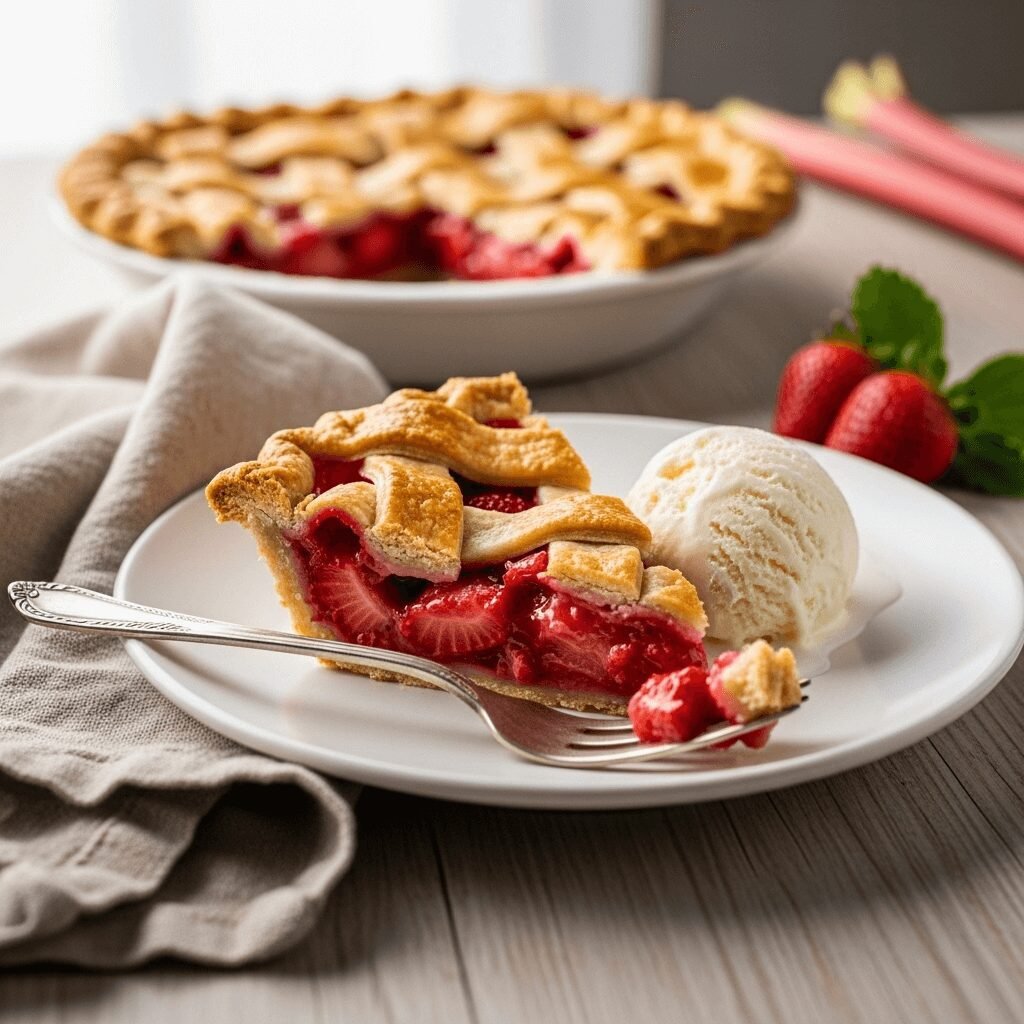
There’s something undeniably magical about a homemade strawberry rhubarb pie. The vibrant ruby-red filling, the flaky golden crust, and that perfect balance of sweet strawberries with tart rhubarb—it’s the kind of dessert that makes summer gatherings unforgettable. Whether you’re baking for a backyard barbecue, a potluck dinner, or simply treating your family to something special, this classic strawberry rhubarb pie delivers every single time.
This recipe is straightforward enough for beginner bakers but impressive enough to wow even the toughest critics. With a buttery, flaky crust and a luscious fruit filling that’s neither too runny nor overly thick, you’ll discover why this pie has been a beloved American dessert for generations. I’ll walk you through every step, share my best tips for success, and show you exactly how to create a pie that looks as beautiful as it tastes.
History / Background
Strawberry rhubarb pie is a quintessential American dessert with deep roots in home baking traditions, particularly throughout the Midwest and New England. Rhubarb, often called the “pie plant,” was brought to America by early European settlers in the 1700s. While technically a vegetable, rhubarb has been used in sweet preparations for centuries, especially in pies, tarts, and preserves.
The combination of strawberries and rhubarb emerged as a perfect partnership sometime in the 19th century. Rhubarb stalks appear in early spring, just as strawberry season begins, making them natural companions in the kitchen. The pairing is genius—strawberries bring natural sweetness and a familiar comfort, while rhubarb contributes a distinctive tartness and beautiful color that makes the filling truly spectacular.
In farming communities across the country, rhubarb plants were a common sight in backyard gardens. They’re incredibly hardy perennials that return year after year with minimal care, making them a reliable ingredient for home cooks. Grandmothers and great-grandmothers would carefully tend their rhubarb patches, sharing stalks with neighbors and passing down treasured pie recipes through generations.
The golden age of strawberry rhubarb pie was undoubtedly the mid-20th century, when homemade pies were a centerpiece of American home cooking. Church socials, county fairs, and family dinners wouldn’t be complete without someone bringing a lattice-topped strawberry rhubarb pie to share. Even today, this classic dessert represents comfort, nostalgia, and the simple pleasure of seasonal baking.
Why You’ll Love This Recipe
This isn’t just any strawberry rhubarb pie—it’s the version you’ll want to make again and again. I’ve perfected the filling ratio so you get that ideal sweet-tart balance that makes every bite interesting. The crust is buttery and flaky without being difficult or fussy, and the whole pie comes together more easily than you might think.
Here’s what makes this recipe special:
- Perfect sweet-tart balance – The filling isn’t overwhelmingly sour or cloyingly sweet
- No soggy bottom crust – My technique ensures a crispy, golden base every time
- Make-ahead friendly – You can prep components in advance for easier baking
- Impressive presentation – Whether you choose a lattice top or classic double crust, this pie looks bakery-worthy
- Uses fresh or frozen fruit – Flexibility for year-round baking
- Budget-friendly ingredients – Simple pantry staples create something extraordinary
- Crowd-pleaser guaranteed – Even people who claim they don’t like rhubarb love this pie
- Beginner-friendly with pro results – Clear instructions help you succeed, even if pie-making intimidates you
Ingredient Notes
Let me break down what goes into this gorgeous pie and why each ingredient matters. Understanding the “why” behind each component will help you make smart substitutions and adjustments.
Strawberries: Fresh strawberries provide sweetness, beautiful color, and a familiar flavor everyone loves. Look for berries that are bright red and firm—overly soft strawberries will break down too much. You can absolutely use frozen strawberries if fresh aren’t available; just thaw and drain them first to remove excess moisture.
Rhubarb: This is the star that gives the pie its signature tang. Use fresh rhubarb stalks with bright red or pink coloring for the prettiest filling. Cut away any leaves (they’re toxic!) and use only the stalks. If using frozen rhubarb, there’s no need to thaw—it actually works beautifully straight from the freezer.
Granulated sugar: Controls sweetness and helps create the syrupy consistency in the filling. The amount can be adjusted based on your fruit’s natural sweetness and your personal preference.
Cornstarch or tapioca starch: This is your thickening agent that prevents a runny filling. Cornstarch creates a glossy, clear filling, while tapioca gives a slightly more old-fashioned, cloudy appearance. Both work perfectly.
Lemon juice: Brightens the flavors and adds a subtle citrus note that enhances both the strawberries and rhubarb. It also helps activate the pectin in the fruit.
Butter: Small pieces dotted over the filling before adding the top crust add richness and help bind everything together beautifully.
Pie crust: Whether you make homemade crust or use quality store-bought, you’ll need enough for a double-crust pie. A good crust should be cold, well-hydrated, and handled minimally for maximum flakiness.
Egg wash: Brushing the top crust with beaten egg creates that gorgeous golden-brown shine that makes your pie look professionally baked.
Equipment Needed
You don’t need a fancy kitchen to make an amazing strawberry rhubarb pie. Here’s everything you’ll need:
- 9-inch pie dish (glass or ceramic works best for even browning)
- Rolling pin (for rolling out your pie dough)
- Large mixing bowl (for combining the filling ingredients)
- Small bowl (for the egg wash)
- Sharp knife (for trimming dough and slicing rhubarb)
- Cutting board
- Measuring cups and spoons
- Pastry brush (for applying egg wash)
- Baking sheet (to place under the pie and catch drips)
- Aluminum foil or pie crust shield (to prevent over-browning)
- Cooling rack
- Optional: Pastry cutter or lattice cutter (if making a decorative top)
Strawberry Rhubarb Pie Recipe

Classic strawberry rhubarb pie with a flaky butter crust and perfectly balanced sweet-tart filling. This traditional American dessert showcases the best of spring and summer fruits in a gorgeous, crowd-pleasing pie that’s easier to make than you think.
- Prep Time: 30 minutes
- Cook Time: 55 minutes
- Total Time: 1 hour 25 minutes (plus cooling time)
- Yield: 8 servings 1x
- Category: Dessert
- Method: Baking
- Cuisine: American
- Diet: Vegetarian
Ingredients
For the Pie Crust:
- 2½ cups all-purpose flour
- 1 tablespoon granulated sugar
- 1 teaspoon salt
- 1 cup (2 sticks) cold unsalted butter, cubed
- 6-8 tablespoons ice water
For the Filling:
- 3 cups fresh strawberries, hulled and sliced (about 1 pound)
- 3 cups fresh rhubarb, cut into ½-inch pieces (about 1 pound)
- 1¼ cups granulated sugar
- ⅓ cup cornstarch (or tapioca starch)
- 2 tablespoons fresh lemon juice
- 1 teaspoon vanilla extract
- ¼ teaspoon salt
- 2 tablespoons cold butter, cut into small pieces
For Assembly:
- 1 egg, beaten (for egg wash)
- 1 tablespoon coarse sugar (optional, for sprinkling)
Instructions
Step 1: Make the Pie Crust
In a large bowl, whisk together flour, sugar, and salt. Add cold cubed butter and use a pastry cutter or your fingers to work it into the flour until the mixture resembles coarse crumbs with some pea-sized butter pieces remaining. Gradually add ice water, one tablespoon at a time, mixing gently until the dough just comes together. Divide dough in half, shape into disks, wrap in plastic wrap, and refrigerate for at least 1 hour.
Step 2: Prepare the Filling
In a large mixing bowl, combine sliced strawberries and rhubarb pieces. In a separate small bowl, whisk together sugar, cornstarch, lemon juice, vanilla, and salt. Pour this mixture over the fruit and gently toss until everything is evenly coated. Let the filling sit while you roll out the crust, allowing the flavors to meld.
Step 3: Roll Out Bottom Crust
Preheat your oven to 400°F (200°C). On a lightly floured surface, roll out one disk of dough into a 12-inch circle, about ⅛-inch thick. Carefully transfer it to your 9-inch pie dish, gently pressing it into the bottom and sides. Trim excess dough, leaving about a 1-inch overhang. Place in the refrigerator while you prepare the top crust.
Step 4: Assemble the Pie
Pour the strawberry rhubarb filling into the prepared bottom crust, spreading it evenly. Dot the filling with small pieces of cold butter. Roll out the second disk of dough into a 12-inch circle for the top crust (or create a lattice pattern if you prefer). Place the top crust over the filling, or weave your lattice. Trim and crimp the edges to seal. Cut 4-5 small vents in the top crust if using a solid top.
Step 5: Apply Egg Wash and Bake
Brush the top crust with beaten egg and sprinkle with coarse sugar if desired. Place the pie on a baking sheet (to catch drips) and bake for 25 minutes at 400°F. Reduce temperature to 350°F (175°C) and continue baking for 30-35 minutes more, until the crust is deep golden brown and the filling is bubbling through the vents. If the edges brown too quickly, cover them with foil or a pie shield.
Step 6: Cool Completely
Remove the pie from the oven and place on a cooling rack. This is crucial: let the pie cool for at least 4 hours, or preferably overnight, before slicing. This allows the filling to set properly so you get clean, beautiful slices instead of a soupy mess.
Notes
- The pie filling will seem quite liquid when you assemble it—this is normal! It thickens beautifully as it bakes and cools.
- Don’t skip the cooling time. I know it’s tempting to dig in while it’s warm, but patience rewards you with perfect slices.
- If using frozen fruit, add an extra tablespoon of cornstarch to account for additional moisture.
- Leftover pie can be covered and stored at room temperature for 2 days or refrigerated for up to 5 days.
- For an extra-flaky crust, keep everything cold and handle the dough as little as possible.
Nutrition
- Serving Size: 1 slice (⅛ of pie)
- Calories: 445
- Sugar: 38g
- Sodium: 285mg
- Fat: 18g
- Saturated Fat: 11g
- Unsaturated Fat: 6g
- Trans Fat: 0g
- Carbohydrates: 68g
- Fiber: 3g
- Protein: 5g
- Cholesterol: 70mg
Note: Nutrition information is approximate and will vary based on specific ingredients used.
Tips & Variations
Berry Variations:
Swap strawberries for raspberries, blackberries, or a mixed berry blend. Each brings a slightly different flavor profile while maintaining that perfect sweet-tart balance with the rhubarb.
Reduce Sugar for Tart Lovers:
If you prefer a tangier pie, reduce the sugar in the filling to 1 cup. Start conservative—you can always serve it with sweetened whipped cream or vanilla ice cream.
Add Warm Spices:
A half teaspoon of ground cinnamon, cardamom, or ginger adds wonderful depth and complexity to the filling without overwhelming the fruit flavors.
Crumb Topping Instead:
Skip the top crust entirely and use a buttery streusel topping made with flour, brown sugar, butter, and oats for a different texture contrast.
Make It Gluten-Free:
Use your favorite gluten-free pie crust recipe or a quality store-bought version. The filling is naturally gluten-free.
Individual Hand Pies:
Turn this recipe into portable hand pies by cutting the dough into circles, filling with a spoonful of filling, sealing, and baking for 20-25 minutes at 375°F.
Pro Chef Tips
Pre-bake your bottom crust (partially): If you struggle with soggy bottom crusts, blind bake the bottom crust for 10 minutes before adding the filling. This creates a protective barrier against moisture.
Macerate your fruit strategically: Mix the filling ingredients and let them sit for 15-30 minutes before adding to the crust. Drain off excess liquid if more than 2 tablespoons accumulates—this prevents a watery pie while keeping maximum flavor.
Use a combination of thickeners: Try using 3 tablespoons cornstarch plus 2 tablespoons quick-cooking tapioca for the ideal texture that’s neither gluey nor runny.
Freeze your assembled pie before baking: For an even flakier crust and to prevent butter from melting too quickly, freeze the assembled pie for 30 minutes before it goes into the oven.
Bake low and slow (after the initial blast): The high initial temperature sets the crust, then reducing heat ensures the filling cooks through without burning the top.
Listen for the bubble: Your pie is ready when you can hear the filling bubbling and see it oozing slightly through the vents or lattice. This means the cornstarch has activated and the filling has thickened.
Common Mistakes to Avoid
Mistake #1: Not cooling the pie long enough.
Cutting into a warm pie results in runny filling that won’t hold its shape. The filling needs several hours to set properly as the starches gel during cooling. Be patient!
Mistake #2: Overworking the pie dough.
Excessive handling develops gluten, leading to tough, chewy crust instead of flaky layers. Mix just until combined and handle the dough as little as possible.
Mistake #3: Using rhubarb leaves.
Only the stalks are edible—the leaves contain oxalic acid and are toxic. Always trim them completely away and discard them.
Mistake #4: Skipping the baking sheet underneath.
Fruit pies often bubble over. Placing a baking sheet underneath catches drips and saves your oven from a burned, sticky mess that’s difficult to clean.
Mistake #5: Not making enough vents in the top crust.
Steam needs to escape during baking. Without adequate venting, pressure builds up and can cause the crust to crack or the filling to erupt messily.
Storage & Meal Prep
Room Temperature Storage:
Once completely cooled, cover your strawberry rhubarb pie loosely with aluminum foil or plastic wrap and store at room temperature for up to 2 days. The crust stays crispest at room temperature, making this the ideal short-term storage method.
Refrigerator Storage:
For longer storage, refrigerate the covered pie for up to 5 days. The crust will soften slightly in the fridge, but the pie will remain safe to eat and delicious. Let it come to room temperature or warm it gently before serving for best flavor.
Reheating Instructions:
To refresh refrigerated pie, place individual slices in a 350°F oven for 10-15 minutes until warmed through. For the whole pie, cover the edges with foil and warm at 300°F for 20-25 minutes. The microwave works in a pinch (30-45 seconds per slice) but won’t maintain the crust’s texture.
Leftover Crust Management:
If you have scraps of pie dough, roll them out, cut into shapes, sprinkle with cinnamon sugar, and bake at 375°F for 10-12 minutes for delicious pie crust cookies.
Make-Ahead & Freezer Notes
Make-Ahead Crust:
Prepare your pie dough up to 3 days in advance and keep it refrigerated, or freeze it for up to 3 months. Thaw frozen dough overnight in the refrigerator before rolling.
Pre-Made Filling:
You can mix the fruit filling up to 1 day ahead. Store it covered in the refrigerator, but note that the fruit will release juice. Drain excess liquid before adding to the crust.
Freeze Before Baking:
Assemble the entire pie (don’t add egg wash yet) and freeze it solid, then wrap tightly in plastic wrap and aluminum foil. Freeze for up to 3 months. Bake directly from frozen, adding 15-20 minutes to the baking time. Brush with egg wash just before baking.
Freeze After Baking:
Bake the pie completely and let it cool. Wrap tightly and freeze for up to 2 months. Thaw overnight in the refrigerator, then reheat as directed above to refresh the texture.
Best Reheating Method:
For frozen baked pie, thaw completely in the refrigerator overnight. Bring to room temperature, then warm at 300°F for 20-30 minutes for that fresh-baked taste and texture.
Serving Suggestions
Strawberry rhubarb pie is stunning on its own, but the right accompaniments can elevate it from delicious to absolutely unforgettable.
Classic Pairings:
Serve warm slices with a generous scoop of vanilla ice cream—the cold, creamy sweetness is the perfect contrast to the warm, tangy filling. Freshly whipped cream (lightly sweetened with a touch of vanilla) is equally divine and more traditional.
Coffee & Tea Service:
This pie is wonderful alongside your afternoon coffee or tea. The tartness pairs especially well with robust coffee or black tea with a splash of cream.
Breakfast or Brunch:
Yes, pie for breakfast! A slice of strawberry rhubarb pie with Greek yogurt and granola makes a delightful weekend brunch treat.
Complete Dessert Spread:
Serve as the centerpiece of a dessert table alongside lemon bars, sugar cookies, and fresh fruit salad for a varied selection that highlights seasonal flavors.
Beverage Pairings:
Cold milk (especially for kids), sparkling lemonade, or even a sweet dessert wine like Moscato d’Asti complement the pie’s flavor profile beautifully.
Garnish Ideas:
Top each slice with fresh strawberry slices, a sprig of mint, or a dusting of powdered sugar for an elegant presentation that’s Instagram-worthy.
FAQs Section
Q: Can I use frozen rhubarb and strawberries?
A: Absolutely! Frozen fruit works wonderfully in this recipe. For rhubarb, use it straight from the freezer without thawing. For strawberries, thaw them and drain excess liquid, then pat dry with paper towels. You may need to add an extra tablespoon of cornstarch to account for the additional moisture from frozen fruit.
Q: Why is my pie filling runny even after cooling?
A: This usually happens for three reasons: not enough thickener (cornstarch), not baking long enough for the filling to bubble and activate the starch, or cutting into the pie before it’s completely cooled. Make sure you see bubbling through the vents during baking and allow at least 4 hours of cooling time.
Q: Can I make this pie without a top crust?
A: Yes! You can make this as an open-faced pie with just a bottom crust and streusel topping, or even as a simple single-crust pie. Just note that without a top crust, more moisture evaporates during baking, so you may want to reduce the cornstarch slightly to prevent an overly thick filling.
Q: My rhubarb is mostly green—will it still work?
A: Yes, green rhubarb tastes the same as red rhubarb. The red color is prettier, but green varieties work perfectly and the strawberries will still give the filling a lovely pink hue. Avoid rhubarb that’s entirely brown or excessively woody.
Q: How do I prevent a soggy bottom crust?
A: Use a glass or ceramic pie dish (which conducts heat better), place the pie on the lowest oven rack for maximum bottom heat, consider partially blind-baking the bottom crust, and make sure you’re using enough thickener in your filling. Also, brushing the bottom crust with a thin layer of beaten egg white before adding filling creates a moisture barrier.
Q: Can I reduce the sugar in this recipe?
A: You can reduce it to 1 cup if you prefer a more tart pie, but I don’t recommend going lower. The sugar isn’t just for sweetness—it also helps create the proper consistency in the filling by drawing out moisture from the fruit and interacting with the pectin.
Q: How do I know when the pie is done baking?
A: Look for three signs: the crust should be deep golden brown (not pale), you should see filling actively bubbling through the vents or lattice, and a knife inserted near the center should go through easily with hot filling. If you’re unsure, it’s better to slightly overbake than underbake.
Conclusion
There’s something truly special about pulling a homemade strawberry rhubarb pie from the oven—the gorgeous golden crust, the ruby-red filling peeking through, and that incredible aroma filling your kitchen. This classic American dessert represents the best of seasonal baking, combining simple ingredients into something that feels both nostalgic and celebratory.
Whether you’re an experienced baker or making your first pie, I hope this recipe gives you the confidence and knowledge to create something you’re proud to share. Remember, the secret to a perfect strawberry rhubarb pie isn’t just following the recipe—it’s using quality ingredients, taking your time with the process, and most importantly, allowing that pie to cool completely before slicing (I know it’s hard!).
Now it’s your turn! I’d love to hear how your strawberry rhubarb pie turns out. Did you try the lattice top or stick with a classic double crust? Did you add any special touches or variations? Leave a comment below with your experience, and don’t forget to save this recipe to your Pinterest boards so you can find it easily when strawberry season arrives! Happy baking, friends! 🥧🍓