The Ultimate Moist Carrot Cake Recipe – With Cream Cheese Frosting!
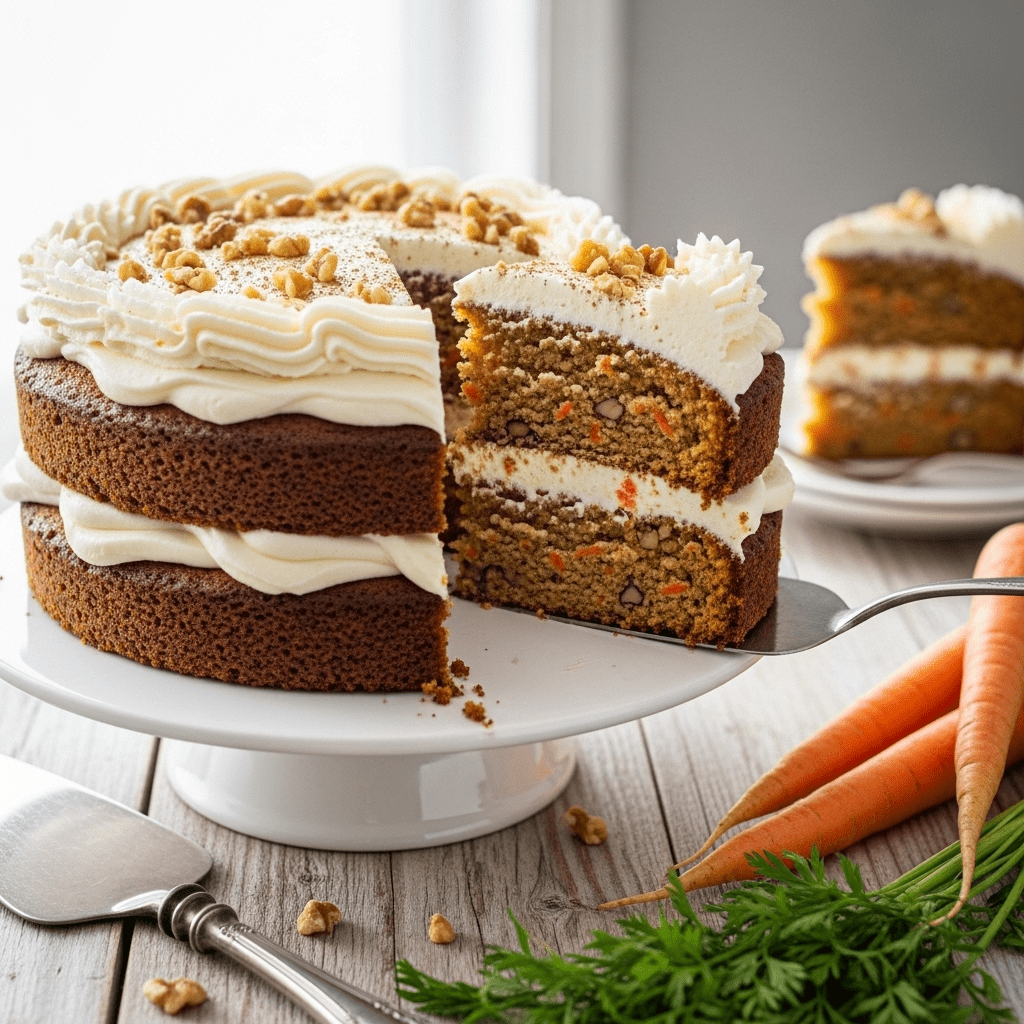
Get ready to fall head over heels for the most incredibly moist, perfectly spiced carrot cake you’ve ever tasted! This classic carrot cake recipe features tender layers packed with freshly grated carrots, warm cinnamon and nutmeg, crunchy walnuts, and sweet pineapple, all topped with the most luscious cream cheese frosting you can imagine. Every bite is pure heaven—moist, flavorful, and absolutely irresistible.
Carrot cake is that special dessert that works for absolutely any occasion. Celebrating Easter or springtime? Carrot cake is perfect. Need a show-stopping birthday cake? This is it. Want to bring something memorable to a potluck or bake sale? You’ve found your winner. There’s something magical about this cake that makes it feel both comforting and celebratory at the same time. Maybe it’s the way the sweet cream cheese frosting balances the warm spices, or how the carrots keep the cake incredibly moist for days, or simply that it’s a dessert that tastes like pure nostalgia.
What makes this carrot cake recipe truly special is the perfect balance of flavors and textures. The cake itself is wonderfully moist without being dense, spiced just right without being overwhelming, and studded with just enough mix-ins to make every bite interesting. The cream cheese frosting is tangy, sweet, and impossibly creamy—everything a great frosting should be. Whether you’re a longtime carrot cake devotee or trying it for the first time, this recipe will exceed all your expectations. Trust me, once you try this homemade version, you’ll never buy carrot cake from a store again!
History / Background
Carrot cake has a surprisingly long and fascinating history that spans centuries and continents. While it might seem like a modern American creation, carrots have been used in sweet baking since medieval times. During the Middle Ages, sweeteners were expensive and hard to come by, so clever bakers used naturally sweet vegetables like carrots and parsnips in their puddings and cakes. Carrots were particularly prized because they added both sweetness and moisture to baked goods.
The carrot cake we know and love today really took off in America during World War II, when rationing made sugar scarce and home bakers had to get creative. Carrots became a popular ingredient again as a natural way to add sweetness to desserts. However, it wasn’t until the 1960s and 1970s that carrot cake truly exploded in popularity, becoming a staple in American bakeries and home kitchens. This coincided with the health food movement—people loved that they could enjoy a delicious cake that contained vegetables and feel slightly virtuous about it!
The addition of cream cheese frosting became the standard topping in the United States, replacing earlier versions that used butter cream or no frosting at all. This pairing was absolutely genius—the tangy cream cheese perfectly complements the sweet, spiced cake. Some food historians credit American restaurants and diners in the 1970s for popularizing this combination, and it’s been the gold standard ever since.
Different regions have put their own spin on carrot cake over the years. Some Southern versions include coconut, while others add raisins or dates. Hawaiian carrot cakes often feature crushed pineapple (which is included in this recipe for extra moisture). British carrot cakes tend to be less sweet and may include orange zest. But no matter the variation, carrot cake remains a beloved dessert that bridges the gap between wholesome and indulgent—and that’s exactly why we love it so much!
Why You’ll Love This Recipe
This carrot cake recipe is about to become your new go-to celebration cake, and I’m going to tell you exactly why it’s so special. Unlike some carrot cakes that turn out dry, dense, or bland, this recipe delivers perfection every single time. The texture is incredibly moist and tender—so moist that the cake stays fresh for days. The flavor is beautifully balanced with warm spices that complement rather than overpower the sweet carrots. And that cream cheese frosting? It’s cloud-like, tangy, and utterly addictive.
Here’s why this carrot cake will become your new favorite:
- Incredibly moist texture – Thanks to the combination of oil, crushed pineapple, and freshly grated carrots, this cake stays moist for days without being heavy or dense
- Perfect spice blend – Cinnamon, nutmeg, and a hint of ginger create warm, comforting flavors that taste like a cozy hug
- Easy to make – No mixer required for the cake batter! Just whisk and stir, making this accessible even for beginner bakers
- Make-ahead friendly – The cake actually tastes better the next day, making it perfect for party planning
- Crowd-pleasing flavor – Even people who claim they don’t like carrot cake always come back for seconds of this version
- Stunning presentation – Layer cake format makes this an impressive centerpiece for any celebration
- Customizable – Easily adapt with your favorite add-ins like raisins, coconut, or different nuts
- Feeds a crowd – Makes a generous two-layer 9-inch cake that serves 12-16 people
- Uses everyday ingredients – No hard-to-find items or specialty ingredients required
- Secretly nutritious – With 3 cups of carrots and walnuts, you’re getting some actual nutrients in your dessert (we won’t tell if you don’t!)
Whether you’re an experienced baker or just starting your baking journey, this carrot cake recipe will make you look like a professional. The recipe is forgiving, the results are consistently excellent, and the compliments you’ll receive are guaranteed!
Ingredient Notes
Let’s dive into what makes this carrot cake so incredibly delicious and talk about why each ingredient matters. Understanding your ingredients helps you make smart substitutions and ensures perfect results every time.
Freshly Grated Carrots – This is the star of the show! Use fresh carrots and grate them yourself for the best texture and moisture. Pre-shredded carrots from a bag are too dry and won’t give you the same moist, tender results. You’ll need about 5-6 medium carrots to get 3 cups grated. The carrots add natural sweetness, beautiful color, and keep the cake incredibly moist.
Vegetable Oil – Unlike butter, oil creates an exceptionally moist cake that stays tender for days. Use a neutral oil like canola, vegetable, or light olive oil. Don’t substitute with coconut oil as it will solidify and change the texture.
Granulated Sugar and Brown Sugar – The combination of both sugars adds sweetness plus the molasses notes in brown sugar contribute to the cake’s moistness and deeper flavor. Don’t skip the brown sugar!
Eggs – Room temperature eggs incorporate better into the batter and help create the cake’s structure. Take them out of the fridge about 30 minutes before baking.
All-Purpose Flour – The foundation of your cake. Measure correctly by spooning flour into your measuring cup and leveling it off with a knife—don’t pack it down!
Baking Soda and Baking Powder – This combination gives the cake the perfect rise and tender crumb. Make sure yours aren’t expired—baking soda and powder lose potency over time.
Ground Cinnamon – The dominant warm spice that makes carrot cake taste like carrot cake. Use fresh cinnamon for the best flavor.
Ground Nutmeg and Ginger – These add complexity and warmth without being identifiable. They work behind the scenes to make the cake taste amazing.
Salt – Essential for balancing sweetness and enhancing all the other flavors.
Crushed Pineapple – Use canned crushed pineapple (not chunks) and don’t drain it! The juice adds incredible moisture and a subtle tropical sweetness that makes this cake extra special.
Chopped Walnuts – Add wonderful texture and nutty flavor. Pecans are an excellent substitute if you prefer. Toast them first for deeper flavor!
Shredded Coconut (optional) – Adds tropical sweetness and texture. Use sweetened or unsweetened based on your preference.
Cream Cheese – Must be full-fat and at room temperature for smooth, lump-free frosting. Don’t use low-fat or it will be runny.
Butter – Use unsalted butter at room temperature for the frosting. It adds richness and helps stabilize the frosting.
Powdered Sugar – Sweetens and thickens the frosting. Sift it if it’s lumpy for the smoothest texture.
Vanilla Extract – Use pure vanilla extract, not imitation, for the best flavor in both the cake and frosting.
Equipment Needed
Having the right tools makes baking this beautiful carrot cake easier and more enjoyable. Here’s what you’ll need:
- Two 9-inch round cake pans – For the classic layer cake presentation
- Parchment paper – Line the bottom of your pans for easy cake release
- Large mixing bowls – You’ll need at least two: one for dry ingredients, one for wet
- Wire whisk – For mixing the wet ingredients
- Wooden spoon or rubber spatula – For folding in carrots and stirring
- Box grater or food processor – For grating carrots (food processor is faster!)
- Measuring cups and spoons – For accurate measurements
- Electric mixer (stand or hand) – Essential for making smooth, fluffy cream cheese frosting
- Cooling racks – Let cakes cool completely before frosting
- Offset spatula – Makes frosting the cake much easier
- Toothpick or cake tester – For checking doneness
- Sifter or fine mesh strainer – For sifting flour and powdered sugar
- Small knife or butter knife – For loosening cakes from pans
The Ultimate Moist Carrot Cake Recipe – With Cream Cheese Frosting!
This classic moist carrot cake recipe features tender layers packed with freshly grated carrots, warm spices, walnuts, and pineapple, all topped with the most incredible tangy cream cheese frosting. Perfect for any celebration!
- Prep Time: 25 minutes
- Cook Time: 35 minutes
- Total Time: 2 hours
- Yield: 12-16 servings 1x
- Category: Dessert
- Method: Baking
- Cuisine: American
- Diet: Vegetarian
Ingredients
For the Carrot Cake:
- 2 cups all-purpose flour
- 2 teaspoons baking powder
- 1½ teaspoons baking soda
- 1 teaspoon salt
- 2 teaspoons ground cinnamon
- ½ teaspoon ground nutmeg
- ¼ teaspoon ground ginger
- 4 large eggs, room temperature
- 1½ cups granulated sugar
- ½ cup packed light brown sugar
- 1 cup vegetable oil
- 2 teaspoons pure vanilla extract
- 3 cups freshly grated carrots (about 5-6 medium carrots)
- 1 cup crushed pineapple with juice (8 oz can)
- 1 cup chopped walnuts, toasted
- ½ cup sweetened shredded coconut (optional)
For the Cream Cheese Frosting:
- 16 oz cream cheese, softened to room temperature
- ½ cup unsalted butter, softened to room temperature
- 4 cups powdered sugar, sifted
- 2 teaspoons pure vanilla extract
- Pinch of salt
Instructions
Prepare the Cake:
- Preheat and prep: Preheat your oven to 350°F (175°C). Grease two 9-inch round cake pans with butter or cooking spray, line the bottoms with parchment paper circles, and grease the parchment. Lightly dust with flour and tap out excess.
- Mix dry ingredients: In a large bowl, whisk together the flour, baking powder, baking soda, salt, cinnamon, nutmeg, and ginger until well combined with no lumps. Set aside.
- Combine wet ingredients: In another large bowl, whisk together the eggs, granulated sugar, and brown sugar until well combined and slightly lightened, about 1-2 minutes. Add the oil and vanilla extract, whisking until smooth and emulsified.
- Combine wet and dry: Pour the wet ingredients into the dry ingredients. Using a wooden spoon or rubber spatula, gently fold together until just combined. Don’t overmix—a few small lumps are fine. Overmixing will result in a tough cake.
- Add the mix-ins: Gently fold in the grated carrots, crushed pineapple with its juice, toasted walnuts, and coconut (if using). Fold until everything is evenly distributed throughout the batter. The batter will be thick and chunky—this is perfect!
- Divide and bake: Divide the batter evenly between the prepared pans, smoothing the tops with a spatula. Tap the pans gently on the counter a few times to release any air bubbles. Bake for 30-35 minutes, or until a toothpick inserted into the center comes out clean or with just a few moist crumbs. The cakes should spring back when gently pressed.
- Cool completely: Let the cakes cool in the pans on wire racks for 15 minutes. Then carefully run a knife around the edges and invert the cakes onto the racks. Remove the parchment paper and let them cool completely before frosting—at least 1 hour. This is crucial! Frosting warm cake will result in a melty mess.
Make the Cream Cheese Frosting:
- Beat cream cheese and butter: In a large bowl using an electric mixer, beat the softened cream cheese and butter together on medium-high speed until completely smooth and creamy, about 2-3 minutes. Scrape down the sides of the bowl as needed.
- Add sugar and vanilla: With the mixer on low speed, gradually add the sifted powdered sugar, about 1 cup at a time, mixing well after each addition. Add the vanilla extract and a pinch of salt. Once all the sugar is incorporated, increase speed to medium-high and beat for 2-3 minutes until the frosting is light, fluffy, and perfectly smooth.
Assemble the Cake:
- Level the cakes (optional): If your cakes have domed tops, use a serrated knife to carefully level them for easier stacking.
- Frost the first layer: Place one cake layer on a serving plate or cake stand. Spread about 1½ cups of frosting evenly over the top, going all the way to the edges.
- Add second layer: Carefully place the second cake layer on top, flat side up. Gently press down to secure.
- Frost the outside: Use the remaining frosting to cover the top and sides of the cake. Start with a thin crumb coat (a very thin layer to seal in crumbs), then chill for 15 minutes. Apply the final layer of frosting, swirling it decoratively with an offset spatula or the back of a spoon.
- Decorate and chill: Garnish with additional chopped walnuts, a sprinkle of cinnamon, or carrot decorations if desired. Refrigerate the cake for at least 30 minutes before slicing for clean, beautiful cuts.
Notes
- Room temperature ingredients: Make sure your eggs, cream cheese, and butter are truly at room temperature for the best texture. Cold ingredients won’t incorporate properly.
- Don’t overmix: Once you add the wet ingredients to dry, mix only until just combined. Overmixing develops gluten and creates a tough, dense cake.
- Fresh carrots are essential: Pre-shredded carrots are too dry. Grate your own carrots for maximum moisture.
- Toast your nuts: Toasting walnuts at 350°F for 8-10 minutes brings out their flavor and adds extra crunch.
- Cake keeps beautifully: Store covered in the refrigerator for up to 5 days. The flavor actually improves after a day!
- Make it ahead: Bake the cake layers a day in advance, wrap tightly, and frost the next day for easier party prep.
Nutrition
- Serving Size: 1 slice (1/14 of cake)
- Calories: 625
- Sugar: 58g
- Sodium: 420mg
- Fat: 32g
- Saturated Fat: 11g
- Unsaturated Fat: 19g
- Trans Fat: 0g
- Carbohydrates: 78g
- Fiber: 2g
- Protein: 7g
- Cholesterol: 95mg
Note: Nutrition information is calculated per serving and is approximate. Values may vary based on specific ingredients and portion sizes.
Tips & Variations
Make It Your Own:
Lighter Version:
Reduce the oil to ¾ cup and replace the remaining ¼ cup with unsweetened applesauce. Use half the amount of nuts and skip the coconut. Make the frosting with reduced-fat cream cheese (though the texture won’t be quite as luxurious).
Spice It Up:
Add ½ teaspoon of cardamom or allspice for more complex spicing. A pinch of black pepper adds unexpected warmth. Try adding 1 teaspoon of orange zest for bright citrus notes.
Different Mix-Ins:
Swap walnuts for pecans, almonds, or macadamia nuts. Add ½ cup of raisins, dried cranberries, or chopped dates for extra sweetness and chewiness. Stir in ½ cup of dark chocolate chips for a decadent twist.
Sheet Cake Version:
Pour all the batter into a greased 9×13-inch pan and bake for 40-45 minutes. This is perfect for casual gatherings and easier transport to potlucks.
Cupcake Conversion:
Make 24 carrot cake cupcakes instead! Line muffin tins with paper liners, fill 2/3 full, and bake at 350°F for 20-24 minutes. Perfect for parties and portion control.
Bundt Cake Style:
Bake in a greased and floured 10-inch bundt pan for 50-60 minutes. Use a simple glaze or cream cheese glaze instead of traditional frosting.
Vegan Carrot Cake:
Replace eggs with flax eggs (4 tablespoons ground flaxseed mixed with 12 tablespoons water, let sit 5 minutes). Use vegan butter and cream cheese for the frosting.
Gluten-Free:
Substitute the all-purpose flour with a 1:1 gluten-free baking flour blend. Make sure all other ingredients are certified gluten-free.
Pro Chef Tips
Grate your carrots properly: Use the medium holes on your box grater or the grating disk of your food processor. You want shreds that are small enough to incorporate into the batter but large enough to provide texture. If they’re too fine, they’ll disappear; too coarse and they won’t soften properly during baking.
Don’t drain that pineapple! The juice from the crushed pineapple is liquid gold for moisture. Many recipes tell you to drain it, but keeping it in makes your cake incredibly moist without being heavy. Just make sure you’re using crushed pineapple, not chunks or tidbits.
Toast those nuts: This five-minute step transforms your walnuts from good to amazing. Spread them on a baking sheet and toast at 350°F for 8-10 minutes, stirring halfway through, until fragrant and slightly darker. Let them cool before adding to your batter. The deeper, richer flavor is absolutely worth it.
Room temperature ingredients are non-negotiable for frosting: Cold cream cheese will be lumpy no matter how long you beat it. Set your cream cheese and butter out at least 2 hours before making frosting, or cut them into chunks to speed up the softening process. They should be soft enough to leave an indent when pressed but not greasy or melted.
Let the cake cool completely: I know it’s tempting to rush, but frosting a warm cake is a recipe for disaster. The frosting will melt, slide off, and mix with crumbs. Plan ahead and give your cakes a full hour to cool, or bake them the day before. Patience pays off with beautiful, professional-looking results.
The crumb coat technique: Apply a very thin layer of frosting over the entire cake first, sealing in all the crumbs. Chill this for 15-20 minutes until firm. Then apply your final, beautiful layer of frosting over the crumb coat. This technique ensures your final frosting layer is pristine and crumb-free—just like a professional bakery!
Measure flour correctly: The most common cause of dry, dense cake is too much flour. Spoon flour into your measuring cup and level it off with a straight edge. Never scoop directly from the bag or pack it down—this can add up to 25% more flour than the recipe intends.
Common Mistakes to Avoid
Using pre-shredded carrots from a bag: This is the #1 mistake home bakers make with carrot cake! Pre-shredded carrots are dried out to extend shelf life and won’t add the moisture your cake needs. They also often contain cellulose powder (an anti-caking agent) that can affect texture. Always grate fresh carrots yourself—it only takes a few extra minutes and makes a huge difference.
Overmixing the batter: Once you add the wet ingredients to the dry ingredients, mix only until you can no longer see dry flour. Overmixing develops gluten strands, which creates a tough, dense, chewy cake instead of the tender, moist crumb you want. It’s okay if there are a few small lumps! They’ll bake out.
Not measuring ingredients accurately: Baking is a science, and accurate measurements matter. Too much flour makes a dry cake; too much sugar can cause the cake to collapse; too much leavening creates a coarse texture. Use proper measuring cups (dry for dry, liquid for liquid) and level them off for best results.
Skipping the parchment paper in pan bottoms: Even if you grease and flour your pans beautifully, cakes can still stick—especially moist ones like carrot cake with all those mix-ins. Parchment paper is insurance for perfect cake release. Cut circles to fit the bottom of your pans, grease the pan, press in the parchment, then grease and flour the parchment.
Not letting cakes cool completely before frosting: This cannot be stressed enough! Even slightly warm cake will cause cream cheese frosting to melt and slide off. Your frosting will mix with crumbs, look terrible, and possibly even cause your layers to slide apart. Give cakes at least one full hour to cool, or make them the day before for easiest frosting.
Using cold cream cheese for frosting: Cold cream cheese will never beat to a smooth, fluffy texture no matter how long you mix it. You’ll end up with a lumpy mess. Always use cream cheese and butter that have been sitting at room temperature for at least 2 hours until they’re truly soft.
Storage & Meal Prep
Refrigerator Storage:
Carrot cake with cream cheese frosting must be stored in the refrigerator due to the perishable frosting. Place the cake in an airtight cake carrier or cover loosely with plastic wrap (be careful not to let the wrap touch the frosting). The cake will keep beautifully for up to 5 days in the fridge. In fact, many people think carrot cake tastes even better on day two or three as the flavors meld together!
Bringing to Room Temperature:
For the best flavor and texture, remove the cake from the refrigerator about 30-60 minutes before serving. Letting it come to room temperature allows the frosting to soften and the cake to become more tender and flavorful. However, don’t leave it out for more than 2 hours, especially in warm weather.
Unfrosted Cake Storage:
If you’ve baked the cake layers but haven’t frosted them yet, wrap each cooled layer tightly in plastic wrap, then again in aluminum foil. Store at room temperature for up to 2 days or refrigerate for up to 5 days. This is perfect for make-ahead party planning!
Storing Individual Slices:
Wrap individual slices in plastic wrap and store in an airtight container in the refrigerator. This is great for portion control and makes it easy to grab a slice whenever a craving hits. Slices keep for 4-5 days.
Preventing Drying Out:
The biggest enemy of leftover cake is air exposure, which causes it to dry out. Always store carrot cake covered or in an airtight container. If you’ve cut into the cake, press a piece of plastic wrap directly against the cut edges before covering the whole cake. This prevents those edges from drying out and getting crusty.
Frosting Storage:
If you’ve made extra frosting, store it in an airtight container in the refrigerator for up to 1 week. Let it come to room temperature and give it a quick whip with your mixer before using to restore its fluffy texture.
Make-Ahead & Freezer Notes
Perfect Make-Ahead Timeline:
Carrot cake is one of the best make-ahead desserts because it actually improves with time! Here’s your stress-free party planning timeline:
- 2-3 months ahead: Bake and freeze unfrosted cake layers
- 2 days ahead: Bake cake layers, wrap, and store at room temperature or refrigerate
- 1 day ahead: Make frosting and store in refrigerator; or frost the entire cake
- Day of: Let cake come to room temperature, add any final decorations
Freezing Unfrosted Cake Layers:
This is my favorite make-ahead trick! Let the baked cake layers cool completely. Wrap each layer tightly in plastic wrap, making sure there are no exposed areas, then wrap again in aluminum foil. Label with the date and type of cake. Freeze for up to 3 months. To thaw, remove from freezer and let sit at room temperature for 2-3 hours (still wrapped), then frost as directed. The cakes will taste freshly baked!
Freezing Frosted Cake:
Yes, you can freeze a fully frosted carrot cake! Freeze the frosted cake uncovered for about 1 hour until the frosting is firm. Then wrap carefully in plastic wrap and aluminum foil. Freeze for up to 2 months. Thaw overnight in the refrigerator, still wrapped. Remove wrapping and let come to room temperature before serving. The texture of the frosting may be slightly different but will still be delicious.
Freezing Individual Slices:
Cut the cake into slices and wrap each slice individually in plastic wrap, then place in a freezer-safe container or bag. This is perfect for portion control or satisfying individual cravings. Slices can be frozen for up to 3 months. Thaw in the refrigerator overnight or at room temperature for 1-2 hours.
Cream Cheese Frosting Freezing:
Make your frosting ahead and freeze it in an airtight container for up to 1 month. Thaw overnight in the refrigerator. Let it come to room temperature, then beat it with your mixer for 1-2 minutes to restore its fluffy texture before frosting your cake.
Best Thawing Method:
Always thaw frozen cake in its wrapping to prevent condensation from making it soggy. Thaw in the refrigerator overnight for best texture, or at room temperature for 2-3 hours if you’re in a hurry.
Serving Suggestions
Carrot cake is delicious on its own, but here are some wonderful ways to serve it and what to pair with it for an unforgettable dessert experience:
Classic Presentation:
Serve generous slices on white or cream-colored dessert plates to let the beautiful layers shine. Garnish each slice with a sprinkle of chopped walnuts, a light dusting of cinnamon, or small carrot decorations made from fondant or marzipan.
Beverage Pairings:
- Hot coffee or espresso (the bitterness balances the sweet frosting perfectly)
- Chai tea or spiced tea
- Cold milk or vanilla milk
- Champagne or sparkling wine for celebrations
- Dessert wines like late harvest Riesling or Moscato
Serve It After:
- Easter dinner or spring celebrations
- Birthday parties and special occasions
- Sunday brunch or afternoon tea
- Holiday gatherings (especially Thanksgiving and Christmas)
- Casual weekend family dinners
Dress It Up:
- Drizzle individual slices with salted caramel sauce
- Add a dollop of vanilla ice cream alongside
- Garnish with candied nuts or candied carrot curls
- Dust with edible gold flakes for elegant occasions
- Pipe decorative rosettes of extra frosting on top
- Add fresh edible flowers for spring gatherings
Complementary Desserts for a Dessert Table:
- Lemon bars for tangy contrast
- Chocolate brownies
- Fruit tarts
- Vanilla or spice cupcakes
- Pecan pie
For Parties:
- Set up a self-serve dessert station with cake slices, ice cream, and toppings
- Pre-slice the cake and arrange on a tiered stand for easy serving
- Provide small dessert plates and pretty forks
- Add decorative cake toppers or flowers for photo-worthy presentation
Temperature Tip:
While carrot cake can be served cold from the fridge (and many people love it that way), it’s most flavorful at cool room temperature. The texture is more tender, the spices are more aromatic, and the frosting is perfectly creamy rather than firm.
FAQs Section
Can I make carrot cake without pineapple?
Absolutely! While the pineapple adds wonderful moisture and subtle sweetness, you can omit it if you prefer. Replace it with an equal amount of grated apple or simply add an extra ½ cup of grated carrots. You may want to add 2 tablespoons of milk to maintain the moisture level. The cake will still be delicious, just slightly less moist.
Why is my carrot cake dense instead of light and fluffy?
The most common causes are overmixing the batter (which develops too much gluten), using too much flour (measure by spooning and leveling, not scooping), or not using enough leavening. Make sure your baking powder and baking soda are fresh and not expired. Also, don’t pack the carrots into your measuring cups—use a light hand when measuring.
Can I make this as cupcakes instead of a layer cake?
Yes! This recipe makes approximately 24 cupcakes. Line muffin tins with paper liners, fill each cup about 2/3 full, and bake at 350°F for 20-24 minutes until a toothpick comes out clean. Let them cool completely before frosting. Cupcakes are perfect for parties and easier portion control!
How do I prevent my cream cheese frosting from being too runny?
The key is using full-fat brick-style cream cheese (not spreadable or whipped) that’s at cool room temperature—not warm or greasy. Add the powdered sugar gradually and make sure you’re using enough of it. If your frosting is too soft, refrigerate it for 15-20 minutes to firm up. You can also add more powdered sugar, ¼ cup at a time, until you reach the desired consistency.
Can I make this cake dairy-free or vegan?
For dairy-free, use vegan butter and dairy-free cream cheese alternatives in the frosting. The cake itself is already dairy-free! For fully vegan, replace the 4 eggs with flax eggs (4 tablespoons ground flaxseed mixed with 12 tablespoons water, let sit 5 minutes before using). The texture will be slightly different but still delicious.
Why does my carrot cake have a sunken center?
This usually happens when there’s too much leavening, not enough flour, underbaking, or opening the oven door too early in the baking process. Make sure you’re measuring accurately, don’t open the oven for at least the first 25 minutes, and bake until a toothpick comes out clean. Also ensure your oven temperature is accurate—an oven thermometer helps!
How far in advance can I frost the cake?
You can frost carrot cake up to 2 days in advance! Store the frosted cake covered in the refrigerator. The flavor actually improves as it sits. Just make sure to let it come to room temperature about 30-60 minutes before serving for the best taste and texture.
Can I add raisins to this carrot cake?
Definitely! Raisins are a traditional add-in for carrot cake. Fold in ½ to 1 cup of raisins along with the carrots and nuts. You can use regular raisins, golden raisins, or even dried cranberries for a tart twist. Just be aware that raisins add extra moisture, so watch your baking time carefully.
Conclusion
There you have it—the ultimate moist carrot cake recipe that’s destined to become your new favorite celebration cake! This recipe brings together everything we love about classic carrot cake: the incredibly moist, tender crumb packed with fresh carrots and warm spices, the satisfying crunch of toasted walnuts, and that cloud-like cream cheese frosting that makes every bite absolutely heavenly. Whether you’re baking for Easter, a birthday, a special brunch, or just because you’re craving something sweet and comforting, this carrot cake delivers every single time.
What I love most about this recipe is how it combines impressive results with surprisingly easy techniques. You don’t need fancy equipment or professional skills—just simple mixing bowls, a whisk, and a little patience while the cake cools. The make-ahead-friendly nature of this cake makes it perfect for stress-free party planning, and the fact that it tastes even better the next day means you can bake it in advance and actually enjoy your event instead of being stuck in the kitchen!
I hope this recipe brings as much joy to your table as it has to mine. There’s something truly special about serving a homemade carrot cake—the way people’s faces light up when they take that first bite, the compliments that pour in, and the inevitable requests for the recipe. This is the kind of dessert that creates memories and becomes part of your family’s traditions.
Now it’s your turn to bake! I’d absolutely love to hear how your carrot cake turns out. Did you add raisins or keep it classic? Did you go for the sheet cake version or the stunning layer cake? What occasion are you baking it for? Drop a comment below and share your experience—I read every single one and love connecting with fellow bakers!
If you loved this recipe, please share it with your friends and save it to your Pinterest boards so you can find it easily whenever a carrot cake craving strikes (and trust me, they will strike often after you try this!). Your shares and saves help other home bakers discover these recipes, and I appreciate your support more than you know.
Happy baking, and enjoy every delicious, cream cheese frosting-covered bite! 🥕🍰