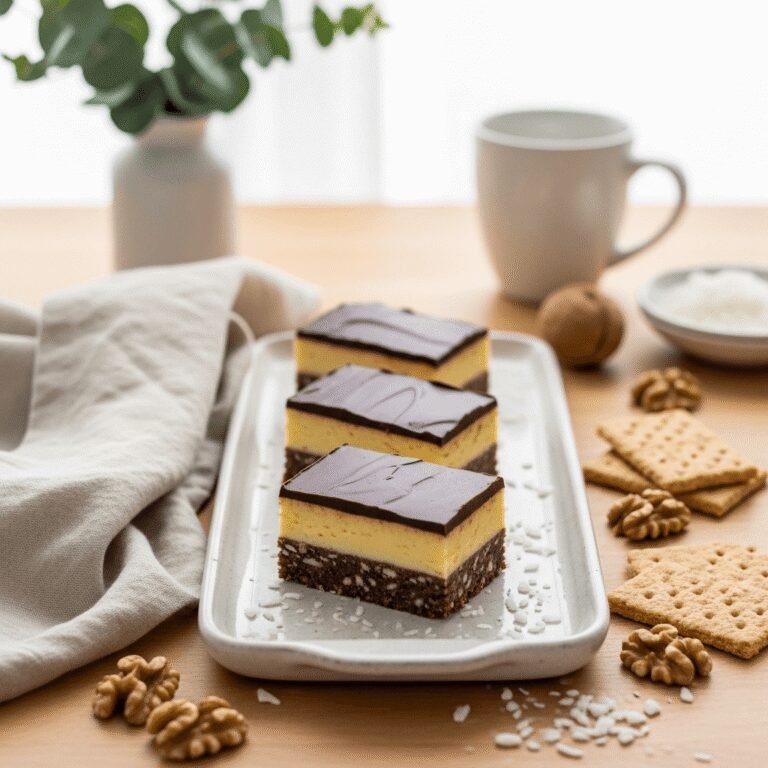
The Ultimate Gingerbread Recipe: Soft, Spicy, and Perfectly Festive

There’s something magical about the aroma of gingerbread baking in your kitchen—that intoxicating blend of warm spices, molasses, and butter that instantly transforms your home into a cozy holiday haven. This classic gingerbread recipe delivers everything you love about this timeless treat: a perfectly moist, tender crumb with just the right amount of spice, a deep molasses flavor that’s not too sweet, and that signature snap of ginger that makes every bite irresistible.
Whether you’re baking gingerbread cookies for decorating, creating a stunning gingerbread house, or simply enjoying a slice of warm gingerbread cake with your afternoon tea, this recipe is your go-to guide. It’s perfect for Christmas celebrations, holiday cookie exchanges, winter gatherings, or any time you’re craving that nostalgic, spiced sweetness that defines the season. The best part? This recipe is incredibly versatile—you can adapt it for cookies, loaf cakes, or even gingerbread people that your kids will love decorating with royal icing and candy.
History / Background
Gingerbread has a fascinating history that spans centuries and continents, making it one of the world’s most beloved baked goods. The story begins in ancient Greece and Rome, where ginger was combined with honey and breadcrumbs to create the earliest versions of what we now know as gingerbread. However, the spice-laden treat we recognize today truly evolved during the Middle Ages in Europe.
By the 11th century, Crusaders returning from the Middle East brought back exotic spices, including ginger, which became prized ingredients in European kitchens. Medieval bakers discovered that ginger helped preserve baked goods, making it practical as well as delicious. In Germany and France, gingerbread became associated with monastery baking, where monks perfected elaborate recipes using honey, spices, and sometimes even wine.
The tradition of gingerbread houses originated in Germany in the early 1800s, inspired by the Brothers Grimm fairy tale “Hansel and Gretel.” German immigrants brought this beloved tradition to America, where it became deeply woven into Christmas celebrations. In England, gingerbread evolved into different regional variations—from Yorkshire parkin (made with oatmeal) to soft, cake-like versions served at fairs and markets.
Colonial Americans embraced gingerbread wholeheartedly, often serving it at important events. George Washington’s mother, Mary Ball Washington, was famous for her gingerbread recipe, which she served to guests including the Marquis de Lafayette. By the Victorian era, decorative gingerbread cookies and elaborate gingerbread houses had become centerpieces of holiday celebrations, a tradition that continues to this day.
Why You’ll Love This Recipe
This gingerbread recipe strikes the perfect balance between tradition and practicality, delivering authentic flavor without requiring specialty ingredients or complicated techniques. It’s been tested and perfected to ensure foolproof results every single time, whether you’re an experienced baker or just starting your baking journey.
Here’s what makes this recipe absolutely irresistible:
- Perfectly balanced spices – The blend of ginger, cinnamon, cloves, and nutmeg creates warmth without overwhelming your palate
- Deep, rich molasses flavor – Not too sweet, not too bitter—just beautifully complex
- Incredibly moist texture – Stays fresh for days and actually improves with time
- Versatile and adaptable – Use the same base recipe for cookies, cake, or gingerbread people
- Budget-friendly ingredients – Made with pantry staples you likely already have on hand
- Make-ahead friendly – The dough can be refrigerated or frozen, making holiday baking stress-free
- Kid-approved – Children love decorating gingerbread cookies, making this perfect for family baking activities
- Freezer-friendly – Both the dough and baked gingerbread freeze beautifully for up to 3 months
- Quick prep time – The dough comes together in under 15 minutes
- Fills your home with incredible aroma – The scent alone is worth making this recipe
Ingredient Notes
Understanding your ingredients is the secret to baking success, especially with a spice-forward recipe like gingerbread. Here’s what you need to know about each component and how to customize based on what you have available.
All-Purpose Flour: This forms the structure of your gingerbread. For a slightly heartier texture, you can substitute up to half the all-purpose flour with whole wheat flour. Make sure to measure correctly—spoon the flour into your measuring cup and level it off rather than scooping directly from the bag, which can compact the flour and result in dry, dense gingerbread.
Ground Ginger: The star of the show! Fresh ground ginger provides the most vibrant flavor, but standard ground ginger from your spice cabinet works perfectly. If your ginger is more than a year old, consider replacing it—spices lose potency over time. For extra zing, you can add a teaspoon of freshly grated ginger to the wet ingredients.
Molasses: Use unsulphured molasses for the best flavor. Blackstrap molasses is too bitter and will overpower the other flavors, while light molasses may not provide enough depth. If you’re in a pinch, you can substitute with dark corn syrup or honey, though the flavor will be milder and less complex.
Brown Sugar: Adds moisture, tenderness, and a subtle caramel note. Dark brown sugar creates a deeper flavor, while light brown sugar produces a milder result. Both work beautifully—use what you prefer or have available.
Butter: Use unsalted butter so you can control the salt level. The butter should be softened to room temperature for easy mixing. In a pinch, you can substitute with coconut oil for a dairy-free version, though the flavor will be slightly different.
Eggs: Acts as a binder and adds richness. Room temperature eggs incorporate more easily into the batter. For an egg-free version, use flax eggs (1 tablespoon ground flaxseed mixed with 3 tablespoons water per egg, let sit 5 minutes).
Baking Soda: This is your leavening agent, creating tender, light gingerbread. Make sure it’s fresh—old baking soda won’t provide adequate rise.
Warm Spices: Cinnamon, ground cloves, and nutmeg complement the ginger beautifully. Feel free to adjust the ratios to your taste. Some people love extra cinnamon, while others prefer a more pronounced clove flavor.
Salt: Enhances all the flavors and balances the sweetness. Don’t skip it!
Milk or Buttermilk: Buttermilk creates an incredibly tender crumb with a subtle tang that complements the molasses beautifully. If using regular milk, you can add a teaspoon of lemon juice or vinegar to mimic buttermilk’s acidity.
Equipment Needed
Having the right tools makes baking gingerbread effortless and enjoyable. Here’s everything you’ll need:
- Mixing bowls (at least 2 medium to large bowls)
- Electric mixer (stand mixer or hand mixer) or sturdy wooden spoon for mixing by hand
- Measuring cups and spoons (both dry and liquid measures)
- Whisk for combining dry ingredients
- Rubber spatula for scraping down bowls and folding ingredients
- 9×13-inch baking pan (for sheet cake) or 9-inch square pan (for thicker cake)
- Cookie sheets (if making cookies) lined with parchment paper or silicone mats
- Rolling pin (for cookies)
- Cookie cutters (gingerbread people, stars, houses, etc.)
- Cooling rack for cooling baked goods
- Parchment paper or non-stick cooking spray for preparing pans
- Sifter or fine-mesh sieve (optional but helpful for lump-free flour)
- Toothpick or cake tester for checking doneness
Gingerbread Recipe

This classic gingerbread recipe delivers perfectly spiced, moist, and tender results every time. Whether you’re making a sheet cake, cookies, or gingerbread people, this foolproof recipe fills your home with the irresistible aroma of warm spices and creates the perfect holiday treat that everyone will love.
- Prep Time: 15 minutes
- Cook Time: 35 minutes
- Total Time: 50 minutes
- Yield: 12 servings (9x13-inch pan) or 24-30 cookies 1x
- Category: Dessert
- Method: Baking
- Cuisine: American, British
- Diet: Vegetarian
Ingredients
Dry Ingredients:
- 3 cups all-purpose flour
- 1 tablespoon ground ginger
- 1 tablespoon ground cinnamon
- 1 teaspoon ground cloves
- ½ teaspoon ground nutmeg
- 1 teaspoon baking soda
- ½ teaspoon salt
Wet Ingredients:
- ¾ cup (1½ sticks) unsalted butter, softened
- ¾ cup packed dark brown sugar
- ¾ cup unsulphured molasses
- 2 large eggs, room temperature
- ½ cup buttermilk or whole milk
Optional Add-ins:
- 1 teaspoon vanilla extract
- 1 teaspoon fresh grated ginger (for extra zing)
Instructions
Step 1: Preheat and Prepare
Preheat your oven to 350°F (175°C). Grease a 9×13-inch baking pan with butter or non-stick spray, then line with parchment paper, leaving overhang on the sides for easy removal. Alternatively, prepare cookie sheets with parchment paper if making cookies.
Step 2: Combine Dry Ingredients
In a medium bowl, whisk together the flour, ground ginger, cinnamon, cloves, nutmeg, baking soda, and salt. Whisk thoroughly to ensure the spices are evenly distributed throughout the flour. Set aside.
Step 3: Cream Butter and Sugar
In a large mixing bowl, use an electric mixer to beat the softened butter and brown sugar together on medium speed for 2-3 minutes until light and fluffy. This incorporates air and creates a tender texture. Scrape down the sides of the bowl as needed.
Step 4: Add Molasses and Eggs
Pour in the molasses and beat until fully combined. The mixture may look slightly separated—this is normal. Add the eggs one at a time, beating well after each addition until the mixture is smooth and creamy. Add vanilla extract if using.
Step 5: Alternate Dry and Wet
With the mixer on low speed, add one-third of the flour mixture to the butter mixture. Mix just until combined. Add half the buttermilk and mix gently. Continue alternating, ending with the flour mixture. Mix only until no flour streaks remain—overmixing creates tough gingerbread.
Step 6: Transfer to Pan (For Cake)
Pour the batter into your prepared baking pan and spread evenly with a spatula. Tap the pan gently on the counter to release any air bubbles.
Step 6 Alternative: Shape Cookies
For cookies, divide the dough in half, wrap each portion in plastic wrap, and refrigerate for at least 2 hours or overnight. Roll out on a lightly floured surface to ¼-inch thickness. Cut with cookie cutters and place on prepared baking sheets, spacing 2 inches apart.
Step 7: Bake
For cake: Bake for 30-35 minutes, or until a toothpick inserted in the center comes out with just a few moist crumbs. For cookies: Bake for 8-10 minutes for soft cookies, or 10-12 minutes for crispier edges. The cookies will look slightly underdone but will firm up as they cool.
Step 8: Cool and Serve
Allow the cake to cool in the pan for 15 minutes, then use the parchment paper overhang to lift it onto a cooling rack. Cool completely before cutting into squares. For cookies, let them cool on the baking sheet for 5 minutes before transferring to a cooling rack. Once completely cool, decorate as desired with royal icing, frosting, or a simple dusting of powdered sugar.
Notes
- Molasses matters: Always use unsulphured molasses. Blackstrap is too bitter for this recipe.
- Dough consistency: If making cookies and the dough seems too soft to roll, refrigerate for an additional 30 minutes.
- Don’t overbake: Gingerbread continues cooking slightly as it cools. Remove from the oven when the center is just set for the moistest results.
- Flavor development: Gingerbread actually tastes better the next day as the spices have more time to meld together.
- Altitude adjustments: If baking above 3,000 feet, reduce baking soda to ¾ teaspoon and increase oven temperature by 25°F.
Nutrition
- Serving Size: 1 slice (cake) or 2 cookies
- Calories: 285
- Sugar: 24g
- Sodium: 190mg
- Fat: 11g
- Saturated Fat: 7g
- Unsaturated Fat: 3.5g
- Trans Fat: 0g
- Carbohydrates: 43g
- Fiber: 1g
- Protein: 4g
- Cholesterol: 55mg
Nutrition information is approximate and will vary based on exact ingredients used and portion sizes.
Tips & Variations
Make It Extra Spicy: Double the ground ginger for a more pronounced ginger kick, or add a tablespoon of freshly grated ginger to the wet ingredients for intense, fresh ginger flavor.
Chocolate Gingerbread: Fold in 1 cup of chocolate chips or chunks to the batter before baking. The combination of chocolate and warm spices is absolutely divine.
Citrus Twist: Add the zest of one orange or lemon to the batter for a bright, citrusy note that beautifully complements the molasses and spices.
Healthier Version: Replace half the all-purpose flour with whole wheat flour, use coconut sugar instead of brown sugar, and substitute Greek yogurt for half the butter.
Gluten-Free: Use a 1:1 gluten-free flour blend in place of all-purpose flour. The texture will be slightly different but still delicious.
Vegan Adaptation: Replace butter with coconut oil or vegan butter, use flax eggs instead of regular eggs, and substitute plant-based milk for the buttermilk.
Cream Cheese Frosting: Top cooled gingerbread cake with classic cream cheese frosting for an indulgent dessert that’s perfect for potlucks.
Lemon Glaze: Whisk together 1 cup powdered sugar with 2-3 tablespoons lemon juice and drizzle over cooled gingerbread for a tangy-sweet finish.
Gingerbread Trifle: Cut gingerbread cake into cubes and layer with whipped cream and caramelized apples or pears for an impressive holiday dessert.
Pro Chef Tips
Bloom your spices: For even more intense flavor, toast your ground spices in a dry skillet over medium heat for 30-60 seconds until fragrant. This wakes up the essential oils and creates deeper, more complex flavor notes.
Temperature is everything: Bring all refrigerated ingredients (eggs, butter, buttermilk) to room temperature before mixing. This creates a smoother batter that bakes more evenly and produces superior texture.
Measure molasses accurately: Spray your measuring cup with non-stick spray before measuring molasses—it will slide right out without leaving sticky residue behind, ensuring you get the full amount in your recipe.
Don’t skip the parchment: Even in a greased pan, parchment paper ensures your gingerbread releases perfectly and makes cleanup a breeze. The overhang acts as handles for easy removal.
The toothpick test: When testing for doneness, the toothpick should come out with a few moist crumbs, not completely clean. Completely clean means overbaked and dry.
Cool completely before cutting: This is especially important for cake. Cutting warm gingerbread causes it to crumble and fall apart. Patience pays off with clean, beautiful slices.
Create a moisture trap: Store gingerbread with a slice of bread in the container. The bread will dry out while keeping your gingerbread perfectly moist—replace the bread slice every few days.
Common Mistakes to Avoid
Using old spices: Ground spices lose potency over time. If your spices have been in your cabinet for more than a year, replace them. Gingerbread relies heavily on spice flavor, so fresh spices make all the difference between good and spectacular.
Overmixing the batter: Once you add the flour, mix just until combined. Overmixing develops too much gluten, resulting in tough, dense gingerbread instead of tender, moist perfection. Use a gentle hand and stop mixing as soon as you no longer see flour streaks.
Overbaking: This is the #1 mistake home bakers make with gingerbread. Because molasses makes the batter dark, it’s hard to judge doneness by color alone. Rely on the toothpick test and remember that gingerbread continues cooking slightly after you remove it from the oven.
Skipping the cooling time for cookie dough: If you try to roll out warm cookie dough, it will stick to everything and become frustrating to work with. The chilling time isn’t optional—it’s essential for workable dough and cookies that hold their shape.
Not sifting or whisking dry ingredients: Spices and baking soda can clump, creating uneven distribution and pockets of intense spice or chemical taste. Always whisk your dry ingredients thoroughly, or better yet, sift them together.
Storage & Meal Prep
Room Temperature Storage: Store gingerbread cake or cookies in an airtight container at room temperature for up to 5 days. Place parchment or wax paper between layers of cookies to prevent sticking. Interestingly, gingerbread actually improves with age—the flavors meld and deepen, and the texture becomes more tender.
Refrigerator Storage: While not necessary, you can refrigerate gingerbread in an airtight container for up to 10 days. Bring to room temperature or warm briefly in the microwave (10-15 seconds) before serving for the best texture and flavor.
Reheating: For cake, cover with foil and warm in a 300°F oven for 10-15 minutes, or microwave individual slices for 15-20 seconds. Cookies can be enjoyed at room temperature or warmed for 5-10 seconds in the microwave for that fresh-from-the-oven experience.
Keeping it Moist: If your gingerbread starts to dry out, place a slice of apple or bread in the storage container. The gingerbread will absorb moisture from the fruit or bread, restoring its tender texture.
Make-Ahead & Freezer Notes
Make-Ahead Cookie Dough: This is a huge time-saver during the busy holiday season! Prepare the dough as directed, wrap tightly in plastic wrap, then place in a freezer bag. Refrigerate for up to 5 days or freeze for up to 3 months. Thaw frozen dough overnight in the refrigerator before rolling and cutting.
Make-Ahead Baked Cake: Bake the gingerbread cake completely, cool, then wrap tightly in plastic wrap followed by aluminum foil. It will stay fresh at room temperature for 2 days or in the refrigerator for up to a week before serving.
Freezing Baked Gingerbread: This is perfect for getting ahead on holiday baking! Wrap cooled, unfrosted gingerbread cake or cookies in plastic wrap, then aluminum foil, or place in freezer-safe containers. Freeze for up to 3 months. Thaw overnight in the refrigerator or at room temperature for several hours.
Freezing Decorated Cookies: You can freeze decorated gingerbread cookies, but wait until the icing is completely dry and hardened (at least 24 hours). Layer between parchment paper in an airtight container and freeze for up to 2 months. Thaw at room temperature—never microwave decorated cookies as the icing will melt.
Best Reheating Method After Freezing: For cake, thaw at room temperature while still wrapped (this prevents condensation from making it soggy), then warm gently if desired. Cookies can be enjoyed straight from thawing with no additional heating needed.
Serving Suggestions
Gingerbread is wonderfully versatile and pairs beautifully with both simple accompaniments and elaborate presentations. Here are some delicious ways to serve your homemade gingerbread:
Classic Pairings:
- Fresh whipped cream (lightly sweetened with a touch of vanilla)
- Vanilla ice cream for warm gingerbread cake à la mode
- Hot apple cider or mulled wine
- Strong black coffee or chai tea
- Warm milk for dunking cookies
Elegant Dessert Presentations:
- Lemon curd and dollops of mascarpone cheese
- Caramel sauce drizzled over warm cake with sea salt flakes
- Cream cheese frosting with candied ginger pieces
- Poached pears and vanilla custard sauce
- Fresh berries and lightly sweetened mascarpone
Holiday Entertaining:
- Hot chocolate bar with gingerbread cookies as stirrers
- Cookie decorating station with royal icing and candies for kids
- Gingerbread trifle layered with spiced whipped cream and caramelized apples
- Gingerbread house building as a fun family activity
- Afternoon tea service with finger-sized gingerbread squares
Breakfast or Brunch:
- Toasted gingerbread slices with butter and honey
- Gingerbread crumbled over yogurt with fresh fruit
- Warmed with a schmear of cream cheese
- Alongside a cheese plate with sharp cheddar and apple slices
FAQs Section
Can I make this recipe without molasses?
While molasses is essential for authentic gingerbread flavor, you can substitute with dark corn syrup or a combination of honey and a tablespoon of apple cider vinegar if absolutely necessary. However, the deep, complex flavor won’t be quite the same. If you’re avoiding molasses due to dietary restrictions, dark maple syrup is your best alternative.
Why is my gingerbread dry and crumbly?
This typically happens from overbaking or using too much flour. Always measure flour correctly by spooning it into the measuring cup and leveling off, never scooping directly from the bag. Also, check your oven temperature with an oven thermometer—many ovens run hot, causing baked goods to dry out. Finally, don’t skip the buttermilk or milk—it adds crucial moisture.
How do I make my gingerbread cookies hold their shape?
The key is properly chilled dough. Refrigerate for at least 2 hours, or even overnight. When rolling, work with one portion at a time while keeping the rest refrigerated. If the dough becomes too soft while cutting, place the entire baking sheet of cut cookies in the refrigerator for 15 minutes before baking. Also, avoid re-rolling scraps more than once, as this warms the dough and toughens the cookies.
Can I reduce the sugar in this recipe?
You can reduce the brown sugar by up to ¼ cup without dramatically affecting the texture, but I don’t recommend reducing it more than that. Sugar doesn’t just add sweetness—it also contributes to moisture, tenderness, and browning. If you’re looking for less sweet gingerbread, the better approach is to reduce the molasses slightly rather than the brown sugar.
My gingerbread turned out too dark on the bottom. What happened?
Dark-bottomed gingerbread usually means your oven’s bottom element is too hot or your baking pan is too thin. Try baking on the middle rack instead of lower, use a light-colored pan (dark pans absorb more heat), or place a second baking sheet underneath your pan for insulation. You can also try reducing the oven temperature by 25°F and baking slightly longer.
How far in advance can I bake gingerbread for Christmas?
Great news for planners! Unfrosted gingerbread actually benefits from a few days of aging—the flavors develop and deepen beautifully. You can bake cookies or cake up to 1 week in advance and store at room temperature, or up to 3 months in advance and freeze. For cookies you plan to decorate, bake and freeze them undecorated, then decorate 1-2 days before serving for the freshest look.
Why does my gingerbread cake sink in the middle?
A sunken center usually indicates one of several issues: opening the oven door too early in the baking process, underbaking (the structure hasn’t fully set), too much leavening (measure baking soda carefully with a level measuring spoon), or an oven temperature that’s too low. Make sure your oven is properly preheated and avoid peeking until the minimum baking time has elapsed.
Conclusion
There’s a reason gingerbread has been cherished for centuries across cultures and continents—it’s simply one of the most comforting, delicious, and versatile baked goods you can make. Whether you’re carrying on family traditions, creating new memories with your children, or simply treating yourself to the warm, spicy goodness of homemade gingerbread, this recipe delivers every single time.
The beauty of this gingerbread recipe lies in its simplicity and reliability. You don’t need special equipment, hard-to-find ingredients, or advanced baking skills—just a little time, quality spices, and the desire to fill your home with that irresistible aroma that means the holidays have truly arrived. From soft, cake-like squares perfect with your morning coffee to crispy-edged cookies waiting for royal icing and creativity, this one recipe does it all.
I hope this gingerbread becomes a beloved staple in your kitchen, a recipe you turn to year after year, maybe even passing it down to the next generation. Baking is about more than just creating something delicious—it’s about the joy of making something with your own hands, the pleasure of sharing with people you love, and the memories that form around the kitchen table.
Now it’s your turn! I’d love to hear how your gingerbread turned out. Did you make cookies or cake? What variations did you try? Share your creations, tips, and questions in the comments below—I read every single one and love connecting with fellow baking enthusiasts. And if you loved this recipe, please save it to your Pinterest boards and share it with your friends and family. Happy baking, and may your holidays be filled with warmth, spice, and plenty of gingerbread! 🎄✨