Easy Homemade Kolache Recipe (Czech Pastry with Sweet & Savory Fillings)

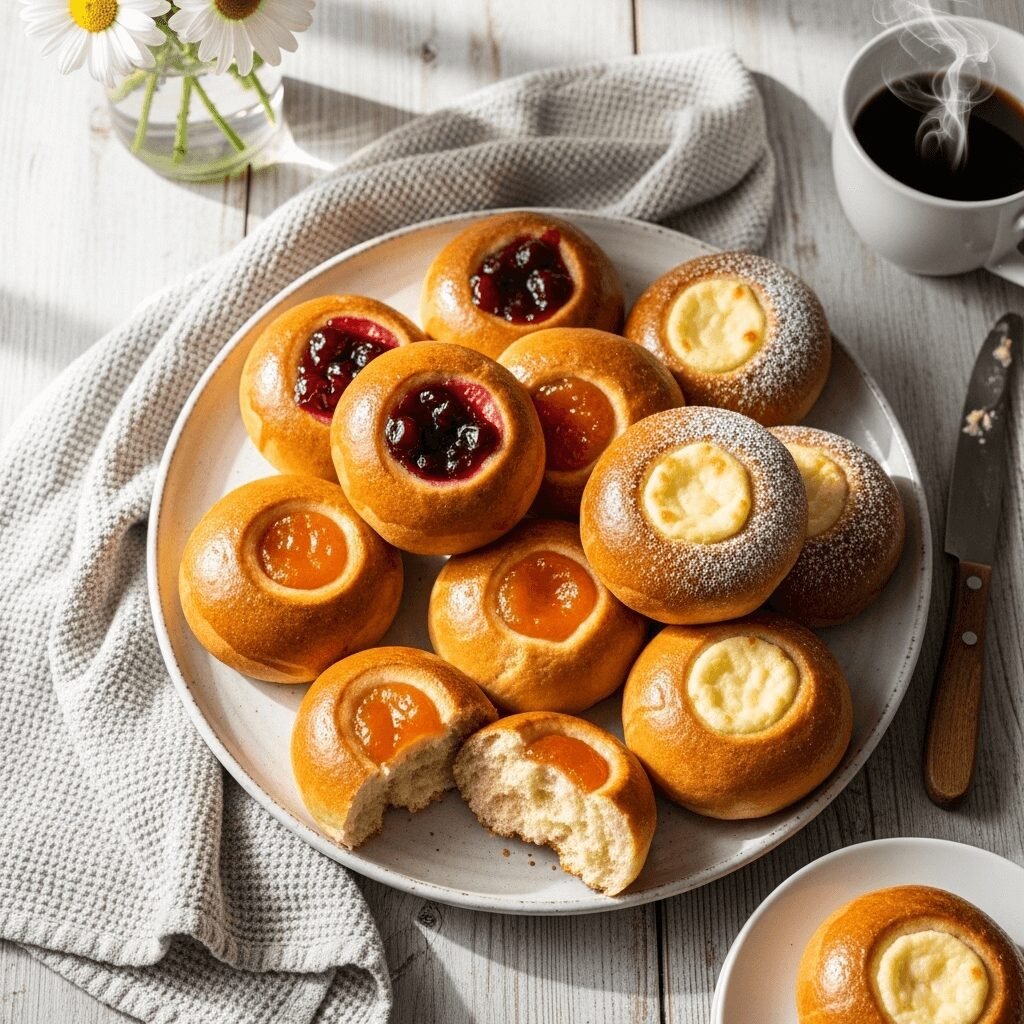
If you’ve never tried a kolache, you’re in for an absolute treat! These pillowy-soft Czech pastries are the perfect marriage of fluffy, yeasted dough and delicious fillings—whether you prefer sweet fruit preserves, creamy cheese, or savory sausage. Popular throughout Texas and the Midwest, kolaches (pronounced koh-LAH-chee) have become a beloved American breakfast and snack staple, though their roots run deep in Czech tradition.
This homemade kolache recipe creates bakery-quality pastries right in your own kitchen. The dough is incredibly soft and slightly sweet, making it the perfect vessel for whatever filling your heart desires. Whether you’re making them for a weekend brunch, a church potluck, or simply because you’re craving something delicious, these kolaches will disappear faster than you can say “one more, please!” They’re wonderful served warm with coffee or tea, and they make your kitchen smell absolutely heavenly while baking.
History / Background
The kolache has a rich history that spans continents and centuries. Originating in Central Europe, particularly in what is now the Czech Republic, kolaches were traditionally made for special occasions and celebrations. The word “kolache” comes from the Czech word “kolo,” meaning wheel or circle, referring to the pastry’s round shape. In Czech culture, these pastries were often prepared for weddings, harvest festivals, and religious holidays, with each family passing down their treasured recipes through generations.
When Czech immigrants began arriving in Texas in the mid-1800s, they brought their beloved kolache recipes with them. These settlers established communities primarily in Central Texas, and their culinary traditions became woven into the fabric of Texan food culture. Towns like West, Texas, became famous for their kolaches, and the pastry gradually spread throughout the state and beyond.
Interestingly, what Americans often call a “kolache” with sausage wrapped in dough is technically a “klobasnek” in Czech tradition—but in Texas, everything with that soft, yeasted dough gets the kolache name! Traditional Czech kolaches feature a depression in the center filled with fruit, poppy seeds, or sweetened cheese, while the Americanized versions have expanded to include everything from cream cheese to jalapeño-sausage combinations. Today, kolaches are so beloved in Texas that the town of Caldwell even hosts an annual Kolache Festival, and you’ll find kolache shops dotting highways throughout the state, serving fresh pastries to hungry travelers.
Why You’ll Love This Recipe
This homemade kolache recipe strikes the perfect balance between authentic tradition and modern convenience. The dough comes together easily, even for novice bakers, and the result is incomparably better than store-bought versions. There’s something deeply satisfying about pulling a tray of golden, fragrant kolaches from your oven, knowing you created them from scratch.
Here’s why this recipe will become a family favorite:
- Incredibly versatile – Make them sweet with fruit preserves or jam, or go savory with sausage and cheese
- Soft, pillowy texture – The enriched dough creates pastries that stay tender for days
- Make-ahead friendly – Prepare the dough the night before or freeze baked kolaches for quick breakfasts
- Budget-friendly – Basic pantry staples create dozens of pastries for a fraction of bakery prices
- Crowd-pleaser – Appeals to all ages and preferences, making them perfect for gatherings
- Authentic taste – This recipe honors traditional Czech methods while being accessible to American home cooks
- Fun to make – Getting the whole family involved in shaping and filling kolaches creates wonderful memories
- Freezer-friendly – Bake once, enjoy for weeks by keeping a stash in your freezer
Ingredient Notes
Understanding your ingredients helps you achieve the best possible kolaches. Here’s what you need to know:
All-Purpose Flour – Forms the structure of your dough. Bread flour can be substituted for a slightly chewier texture, but all-purpose creates the traditional tender crumb. Make sure to measure accurately—too much flour makes dense kolaches.
Active Dry Yeast – The leavening agent that creates those air pockets and soft texture. Make sure your yeast is fresh (check the expiration date!) and proof it in warm milk to ensure it’s active. Instant yeast can be used as a 1:1 substitute without proofing.
Whole Milk – Adds richness and helps create a tender crumb. The fat content is important, so avoid skim milk if possible. For dairy-free kolaches, use full-fat oat milk or soy milk.
Granulated Sugar – Feeds the yeast and adds subtle sweetness to the dough. Don’t reduce the sugar—it’s essential for proper fermentation and browning.
Eggs – Provide structure, richness, and that beautiful golden color. Room temperature eggs incorporate more easily into the dough.
Butter – Melted butter creates a tender, flaky texture and adds wonderful flavor. European-style butter with higher fat content makes especially rich kolaches. Margarine can work in a pinch, but butter is strongly preferred.
Salt – Enhances all the flavors and controls yeast activity. Don’t skip it!
Fillings – Traditional options include fruit preserves (apricot, prune, cherry, or blueberry), farmer’s cheese sweetened with sugar and vanilla, or poppy seed filling. For savory kolaches, use cooked breakfast sausage, cheddar cheese, jalapeños, or cream cheese.
Equipment Needed
- Large mixing bowl
- Stand mixer with dough hook (or mix by hand)
- Measuring cups and spoons
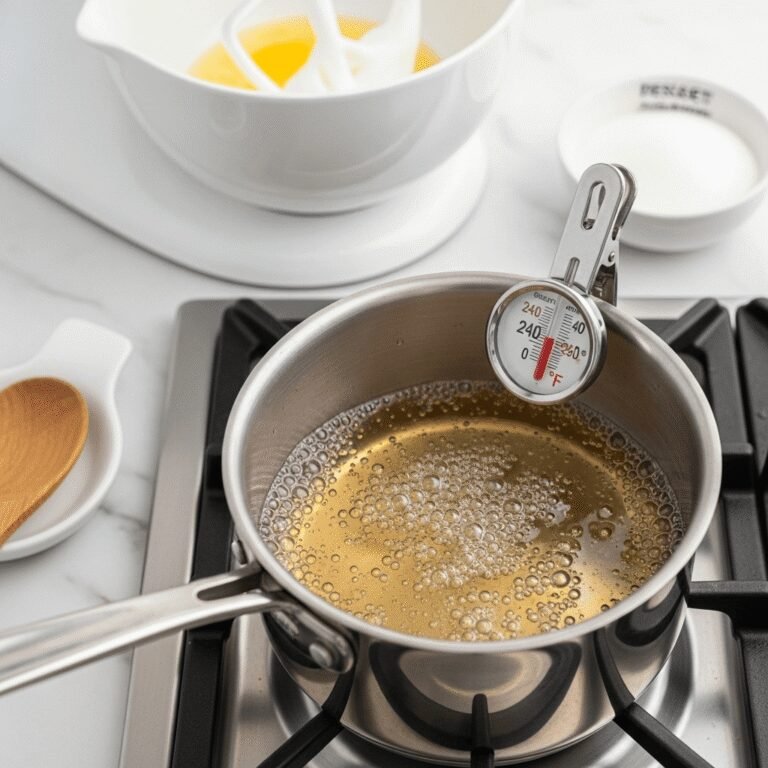
- Kitchen thermometer (for testing milk temperature)
- Clean kitchen towel or plastic wrap
- Rolling pin (optional, for shaping)
- Baking sheets (2-3)
- Parchment paper or silicone baking mats
- Small bowl (for egg wash)
- Pastry brush
- Wire cooling rack
- Spoon or small cookie scoop (for filling)
Kolache Recipe

These authentic homemade kolaches feature soft, pillowy Czech pastry dough filled with your choice of sweet fruit preserves or savory sausage and cheese. Better than any bakery version, these tender pastries are perfect for breakfast, brunch, or anytime you need a delicious treat!
- Prep Time: 2 hours 30 minutes (includes rising time)
- Cook Time: 15 minutes
- Total Time: 2 hours 45 minutes
- Yield: 24 kolaches 1x
- Category: Breakfast, Dessert, Snack
- Method: Baking
- Cuisine: Czech, Czech-American, Texan
- Diet: Vegetarian
Ingredients
For the Dough:
- 1 cup whole milk, warmed to 110°F
- 2¼ teaspoons active dry yeast (1 standard packet)
- ½ cup granulated sugar, divided
- 4 cups all-purpose flour, plus more for dusting
- 1 teaspoon salt
- 3 large eggs, room temperature
- ½ cup unsalted butter, melted and slightly cooled
- 1 teaspoon vanilla extract
For Assembly:
- 1 egg beaten with 1 tablespoon water (egg wash)
- 1½ cups filling of choice (fruit preserves, sweetened farmer’s cheese, cooked sausage, etc.)
For Topping (Optional):
- 2 tablespoons melted butter
- Powdered sugar for dusting (for sweet kolaches)
Instructions
- Proof the yeast: In a large mixing bowl or stand mixer bowl, combine warm milk, yeast, and 1 tablespoon of the sugar. Stir gently and let sit for 5-10 minutes until foamy and bubbly. If the mixture doesn’t foam, your yeast is dead—start over with fresh yeast.
- Mix the dough: Add the remaining sugar, 2 cups of flour, salt, eggs, melted butter, and vanilla extract to the yeast mixture. Using a stand mixer with dough hook attachment (or a wooden spoon), mix on low speed until combined.
- Add remaining flour: Gradually add the remaining 2 cups of flour, ½ cup at a time, mixing until a soft dough forms. The dough should be slightly sticky but pull away from the sides of the bowl. You may not need all the flour, or you might need a tablespoon or two more—dough consistency varies with humidity.
- Knead the dough: Knead with the dough hook for 6-8 minutes on medium-low speed, or turn out onto a floured surface and knead by hand for 8-10 minutes, until the dough is smooth, elastic, and springs back when poked. Add small amounts of flour only if the dough is excessively sticky.
- First rise: Place dough in a greased bowl, turning once to coat all sides. Cover with a clean kitchen towel or plastic wrap and let rise in a warm, draft-free place for 1-1.5 hours, until doubled in size. A turned-off oven with the light on works perfectly.
- Divide the dough: Punch down the risen dough to release air bubbles. Turn out onto a lightly floured surface and divide into 24 equal pieces (about 2 ounces each). Roll each piece into a smooth ball by cupping your hand over it and moving in circular motions.
- Shape the kolaches: Place dough balls on parchment-lined baking sheets, spacing them about 2 inches apart. Cover with a kitchen towel and let rest for 10 minutes. Then, using your thumb, two fingers, or the bottom of a small glass dusted with flour, press a deep indentation into the center of each ball, leaving a ½-inch rim around the edges.
- Second rise: Cover the shaped kolaches and let rise for 30-45 minutes until puffy and nearly doubled.
- Preheat oven: While kolaches are rising, preheat your oven to 375°F.
- Fill the kolaches: Gently re-press the indentations if needed (they may have puffed up). Spoon about 1-1½ tablespoons of your chosen filling into each indentation. Don’t overfill or the filling will spill during baking.
- Apply egg wash: Gently brush the exposed dough around the filling with egg wash, being careful not to deflate the dough.
- Bake: Bake for 12-15 minutes, until the kolaches are golden brown. Watch carefully—they go from golden to too dark quickly! The bottoms should be lightly golden as well.
- Finish and cool: Remove from the oven and immediately brush the warm kolaches with melted butter for extra flavor and shine. Transfer to a wire rack and let cool for at least 10 minutes. Dust sweet kolaches with powdered sugar before serving if desired.
- Dough consistency: The dough should be soft and slightly tacky, not stiff. Resist adding too much flour.
- Rising environment: Yeast needs warmth to activate. Ideal rising temperature is 75-80°F.
- Filling options: Apricot, prune, cherry, blueberry, raspberry preserves, sweetened farmer’s cheese, poppy seed filling, or for savory: cooked and crumbled breakfast sausage with cheddar.
- Make-ahead: Prepare dough through step 7, cover tightly, and refrigerate overnight. Let come to room temperature (about 1 hour) before continuing.
- Storage: Store in an airtight container at room temperature for up to 3 days, refrigerate for up to 1 week, or freeze for up to 3 months.
Notes
- Dough consistency: The dough should be soft and slightly tacky, not stiff. Resist adding too much flour.
- Rising environment: Yeast needs warmth to activate. Ideal rising temperature is 75-80°F.
- Filling options: Apricot, prune, cherry, blueberry, raspberry preserves, sweetened farmer’s cheese, poppy seed filling, or for savory: cooked and crumbled breakfast sausage with cheddar.
- Make-ahead: Prepare dough through step 7, cover tightly, and refrigerate overnight. Let come to room temperature (about 1 hour) before continuing.
- Storage: Store in an airtight container at room temperature for up to 3 days, refrigerate for up to 1 week, or freeze for up to 3 months.
Nutrition
- Serving Size: 1 kolache
- Calories: 165
- Sugar: 9g
- Sodium: 125mg
- Fat: 5g
- Saturated Fat: 3g
- Unsaturated Fat: 2g
- Trans Fat: 0g
- Carbohydrates: 26g
- Fiber: 1g
- Protein: 4g
- Cholesterol: 40mg
Tips & Variations
Flavor Variations:
- Cream cheese kolaches: Mix 8 oz softened cream cheese with ¼ cup sugar and 1 teaspoon vanilla for a rich, tangy filling
- Nutella kolaches: Simply spoon Nutella into the centers for chocolate-hazelnut bliss
- Savory breakfast kolaches: Fill with scrambled eggs, crumbled bacon, and shredded cheddar
- Jalapeño popper kolaches: Combine cream cheese, diced jalapeños, cooked sausage, and cheddar
- Apple pie kolaches: Use apple pie filling and sprinkle with cinnamon sugar before baking
- Lemon kolaches: Fill with lemon curd and dust with powdered sugar
Texture Modifications:
- For extra-soft kolaches, replace ¼ cup flour with ¼ cup instant mashed potato flakes
- Add 2 tablespoons sour cream to the dough for enhanced tanginess and tenderness
- Brush with honey butter instead of plain butter for added sweetness
Dietary Adaptations:
- Dairy-free: Use plant-based milk and vegan butter; results will be slightly less rich
- Reduced sugar: You can reduce sugar to ⅓ cup, though this affects browning and texture slightly
Pro Chef Tips
Temperature is everything: Use a kitchen thermometer to ensure your milk is 110°F—too hot kills the yeast, too cool won’t activate it properly. When in doubt, err on the cooler side.
Don’t rush the rises: Patient rising develops better flavor and texture. If your kitchen is cold, create a proofing box by turning your oven to the lowest setting for 1 minute, turning it off, then placing the covered dough inside.
The poke test: Before baking, gently press your finger into the edge of a risen kolache. If the indentation springs back slowly and partially, they’re ready. If it springs back immediately, give them more time.
Create depth: Press those indentations deeply (almost to the bottom) and re-press before filling. Shallow indentations cause fillings to overflow during baking.
Work quickly with warm dough: If your dough becomes too warm while shaping, refrigerate for 10-15 minutes. Slightly cool dough is easier to handle and shape neatly.
Use quality preserves: Thick, quality preserves stay put better than thin, watery jams. Apricot and prune are traditional Czech favorites that hold their shape beautifully.
Egg wash technique: Use a soft pastry brush and gentle dabbing motions rather than sweeping strokes to avoid deflating the delicate risen dough.
Even baking: Rotate your baking sheets halfway through baking time for uniform golden color, especially if your oven has hot spots.
Common Mistakes to Avoid
Using expired or improperly stored yeast: Always check expiration dates and store yeast in the refrigerator or freezer. Dead yeast means flat, dense kolaches. Always proof your yeast first—if it doesn’t foam, start over.
Adding too much flour: The dough should be soft and slightly sticky. Many bakers add too much flour, resulting in dry, tough kolaches. Trust the stickiness—it creates that pillowy texture.
Overfilling the centers: More filling seems better, but it causes overflow, burning, and messy kolaches. Stick to 1-1½ tablespoons maximum, and keep filling away from the edges.
Skipping the second rise: That 30-45 minute rise after shaping is crucial for light, airy kolaches. Baking immediately after shaping creates dense, heavy pastries.
Baking at the wrong temperature: Too hot causes the outside to brown before the inside cooks through; too cool creates pale, under-risen kolaches. 375°F is the sweet spot for even baking.
Not brushing with butter after baking: This final step adds flavor, creates shine, and keeps the kolaches soft by sealing in moisture. Don’t skip it!
Storage & Meal Prep
Room Temperature Storage: Store completely cooled kolaches in an airtight container or zip-top bag at room temperature for up to 3 days. Place parchment paper between layers to prevent sticking. They’ll stay soft and delicious, though they’re definitely best within the first 2 days.
Refrigerator Storage: For longer storage, refrigerate kolaches in an airtight container for up to 1 week. Note that refrigeration does make them slightly firmer. To refresh, warm in the microwave for 10-15 seconds or in a 300°F oven for 5-7 minutes.
Reheating Instructions: For the best texture, reheat kolaches in a 300°F oven for 5-7 minutes until warmed through. Cover with foil if they’re browning too quickly. Microwave works for quick reheating—10-15 seconds per kolache—but the oven method restores that fresh-baked texture better.
Preventing Sogginess: If your fillings tend to make the dough soggy during storage, place a folded paper towel in the bottom of your storage container to absorb excess moisture.
Make-Ahead & Freezer Notes
Overnight Dough Method: After shaping kolaches in step 7, cover the baking sheets tightly with plastic wrap and refrigerate overnight (up to 24 hours). The next morning, remove from refrigerator, let sit at room temperature for 45-60 minutes, then continue with filling and baking. This slow, cold fermentation actually develops more complex flavor!
Freezing Baked Kolaches: Let kolaches cool completely, then freeze in a single layer on a baking sheet. Once frozen solid (about 2 hours), transfer to freezer bags or airtight containers, separating layers with parchment paper. Freeze for up to 3 months. Thaw at room temperature for 1-2 hours or overnight in the refrigerator, then refresh in a 300°F oven for 5-7 minutes.
Freezing Unbaked Kolaches: Shape and fill kolaches as directed, then freeze on baking sheets until solid. Transfer to freezer bags. When ready to bake, place frozen kolaches on baking sheets, cover, and let thaw and rise at room temperature for 2-3 hours until puffy. Brush with egg wash and bake as directed, adding 2-3 minutes to baking time.
Best Reheating from Frozen: For fastest results, microwave frozen kolaches for 25-30 seconds. For best texture, thaw completely, then warm in a 300°F oven for 7-10 minutes.
Serving Suggestions
Kolaches are incredibly versatile and can be served in countless ways depending on the time of day and filling:
For Breakfast or Brunch: Serve warm kolaches alongside scrambled eggs, crispy bacon, and fresh fruit. Offer both sweet and savory varieties so guests can choose their preference. A carafe of hot coffee and fresh-squeezed orange juice complete the spread.
Afternoon Snack: Pair fruit-filled kolaches with a pot of hot tea or coffee. They’re perfect with a cup of Czech-style coffee (strong and slightly sweetened) or chai tea.
Party Platter: Create a kolache board with multiple varieties—fruit, cheese, and sausage. Arrange them on a large platter and let guests sample different flavors. This works beautifully for baby showers, potlucks, or holiday gatherings.
Complete Czech-Inspired Meal: Serve savory kolaches alongside goulash, cucumber salad, or roasted root vegetables for an authentic Czech dinner experience.
With Spreads: Offer softened butter, cream cheese, additional preserves, or honey on the side for guests to customize their kolaches.
Beverage Pairings: Sweet kolaches pair wonderfully with coffee, tea, milk, or even a Czech pilsner for adults. Savory kolaches complement breakfast cocktails like mimosas or Bloody Marys.
FAQs Section
Can I make kolaches without a stand mixer? Absolutely! Mix the dough with a wooden spoon until it comes together, then knead by hand on a floured surface for 10-12 minutes until smooth and elastic. It requires more elbow grease, but the results are just as delicious. Your arms will get a workout, though!
Why didn’t my kolaches rise properly? The most common culprits are expired yeast, milk that was too hot (killing the yeast) or too cold (not activating it), or insufficient rising time. Make sure your rising environment is warm and draft-free—cold kitchens slow yeast activity dramatically. Also check that you didn’t add too much flour, which creates heavy dough that doesn’t rise well.
Can I use instant yeast instead of active dry yeast? Yes! Use the same amount and mix it directly into the flour without proofing. You might notice the first rise happens slightly faster. The flavor and texture will be virtually identical.
What’s the best filling for beginners? Thick fruit preserves like apricot or cherry are the most foolproof options. They’re traditional, widely loved, and hold their shape beautifully during baking without spilling or making the dough soggy. Avoid thin, runny jams which tend to overflow.
How do I prevent the filling from leaking out during baking? Press deep indentations, don’t overfill (1-1½ tablespoons maximum), and make sure to leave a rim of dough around the edges. Also, avoid overly runny fillings. If using sausage, make sure it’s fully cooked and well-drained of grease before adding.
Can I make the dough ahead of time? Yes! After the first rise, punch down the dough, wrap tightly in plastic wrap, and refrigerate for up to 24 hours. Let it come to room temperature (45-60 minutes) before shaping. You can also shape the kolaches and refrigerate overnight, then let them come to room temperature and do the second rise before baking.
Why are my kolaches dense instead of fluffy? Common causes include using too much flour, not kneading enough to develop gluten structure, insufficient rising time, or not handling the dough gently after it rises. Remember that the dough should be soft and slightly sticky—that’s what creates the tender, airy texture.
Can I double this recipe? Definitely! Just make sure you have enough bowl space for the rising dough to double, and you may need to work in batches when baking unless you have multiple ovens. The recipe doubles perfectly without any adjustments.
Conclusion
There’s something magical about pulling a tray of golden, fragrant kolaches from your oven—the yeasted dough smell, the bubbling fruit filling, the golden-brown perfection. These Czech pastries represent centuries of tradition wrapped up in pillowy, delicious packages that bring people together around the breakfast table or coffee pot.
Whether you grew up eating kolaches from a Texas bakery or you’re discovering them for the first time, this recipe gives you authentic, bakery-quality results that’ll have everyone asking for seconds (and the recipe!). The soft, tender dough paired with your favorite sweet or savory filling creates a treat that’s perfect for any occasion—weekend brunch, holiday gatherings, or simply because you deserve something wonderful.
Now it’s your turn to experience the joy of homemade kolaches! Don’t be intimidated by the yeast or the rising time—this recipe guides you through every step, and the hands-on time is actually quite minimal. Your kitchen will smell amazing, your family will be impressed, and you’ll have a new baking skill to be proud of.
I’d love to hear how your kolaches turn out! Drop a comment below letting me know which filling you chose, and don’t forget to rate this recipe. If you make these beauties, snap a photo and share it on Pinterest or Instagram—seeing your creations absolutely makes my day! And please, save this recipe to your Pinterest boards so you can find it again when the kolache craving strikes (and trust me, it will). Happy baking, friends! 🥐☕