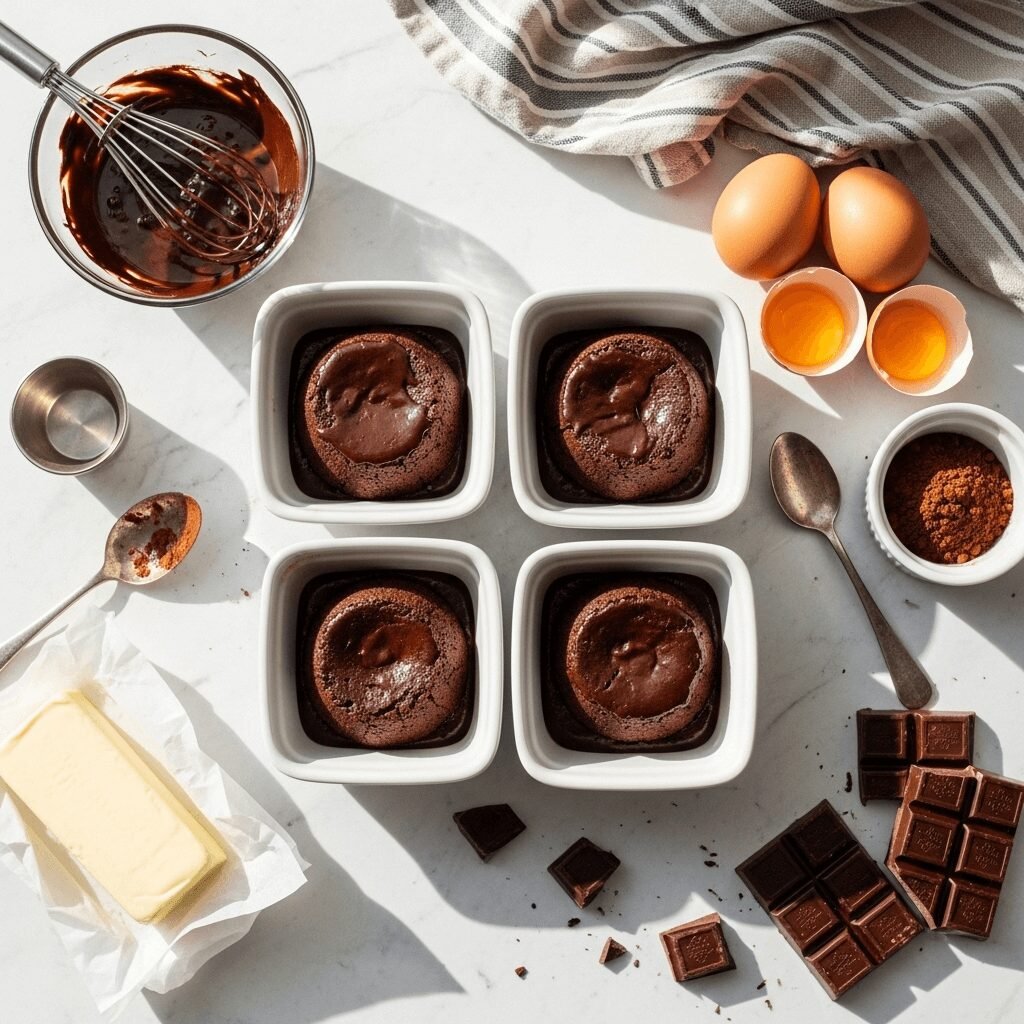
Molten Chocolate Lava Cake Recipe: The Ultimate Decadent Dessert in 30 Minutes
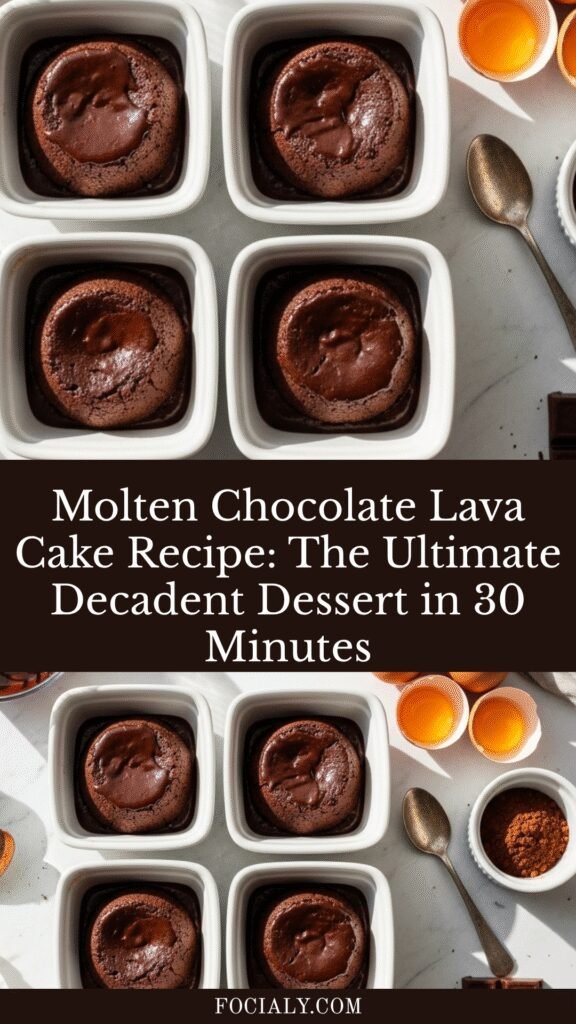
There’s something absolutely magical about cutting into a warm chocolate cake and watching rich, velvety chocolate sauce flow out like liquid gold. That’s the beauty of a chocolate lava cake – also known as molten chocolate cake or chocolate fondant. This restaurant-quality dessert combines a perfectly baked outer shell with a gloriously gooey, molten chocolate center that creates an unforgettable experience with every spoonful.
What makes lava cakes so irresistible is that perfect contrast: the tender, cake-like exterior gives way to a warm, flowing chocolate center that’s absolutely divine. Despite looking incredibly impressive and tasting like something from a five-star restaurant, these individual chocolate lava cakes are surprisingly easy to make at home. They’re perfect for date nights, special celebrations, dinner parties, or honestly, any Tuesday when you’re craving something indulgent. The best part? From start to finish, you can have these beauties on the table in about 30 minutes.
Whether you’re celebrating Valentine’s Day, hosting a dinner party, or just want to impress someone special (or treat yourself – you deserve it!), this molten chocolate lava cake recipe is your ticket to dessert perfection. Serve them warm with a scoop of vanilla ice cream or a dollop of fresh whipped cream, and watch your guests’ faces light up as they discover that oozy chocolate center.
History / Background
The chocolate lava cake has a fascinating origin story that food historians love to debate. The most widely accepted tale credits French chef Michel Bras, who created his version called “coulant au chocolat” (flowing chocolate) in 1981 in his restaurant in Laguiole, France. Bras spent two years perfecting the technique, inspired by his desire to recreate the experience of enjoying a frozen chocolate dessert that had been brought inside to thaw – capturing that moment when the outside was firm but the inside remained gloriously melted.
However, across the Atlantic, New York City chef Jean-Georges Vongerichten claims his own accidental discovery of the molten chocolate cake in 1987. According to legend, he pulled a batch of small chocolate cakes from the oven too early, and instead of a disaster, he discovered pure magic – a perfectly baked exterior with a flowing chocolate center. Vongerichten’s version became an instant sensation at his restaurant and helped popularize the dessert across America throughout the 1990s.
Regardless of its true origin, the chocolate lava cake became a defining dessert of upscale dining in the 1990s and early 2000s. It appeared on restaurant menus everywhere, from Chili’s to the finest dining establishments, becoming synonymous with elegant, indulgent desserts. The appeal was universal: it looked impressive, tasted incredible, and offered that theatrical moment when the chocolate center flowed out onto the plate.
Today, the lava cake has evolved from a restaurant exclusive to a beloved homemade treat. Home cooks discovered that with the right technique and timing, they could recreate this restaurant masterpiece in their own kitchens. The dessert has inspired countless variations – from salted caramel centers to raspberry-filled versions – but the classic chocolate lava cake remains the ultimate crowd-pleaser.
Why You’ll Love This Recipe
This chocolate lava cake recipe is an absolute game-changer for home bakers, and here’s why: it delivers restaurant-quality results without requiring professional pastry skills or hours of your time. The recipe strikes that perfect balance between impressive presentation and achievable execution, making it ideal for both novice bakers and experienced home cooks.
Here’s what makes this recipe truly special:
- Quick and easy preparation – From measuring ingredients to pulling these beauties out of the oven takes just 30 minutes total
- Foolproof technique – Clear instructions ensure you get that perfect molten center every single time
- Impressive presentation – Looks like it came from a fancy restaurant, but you made it in your own kitchen
- Minimal ingredients – Uses simple pantry staples: chocolate, butter, eggs, sugar, and a touch of flour
- Individual servings – Perfect portion control and each guest gets their own stunning dessert
- Make-ahead friendly – Batter can be prepared in advance and baked when needed
- Customizable – Easy to add your own twist with different extracts, liqueurs, or fillings
- Consistently delicious – Works perfectly every time once you understand the timing
- Special occasion worthy – Ideal for Valentine’s Day, anniversaries, birthdays, or impressing dinner guests
- Affordable luxury – Creates an upscale dessert experience without breaking the bank
The best part? That moment when you serve these warm cakes and watch your guests cut into them, revealing that gorgeous flowing chocolate center. It’s pure dessert magic that never gets old, and it’s so much easier to achieve than most people think.
Ingredient Notes
Let’s break down what makes these lava cakes so incredible, ingredient by ingredient:
High-Quality Dark or Semi-Sweet Chocolate – This is the star of the show, so don’t skimp here. Use chocolate with 60-70% cocoa content for the best flavor and texture. Brands like Ghirardelli, Guittard, or Valrhona work beautifully. Avoid chocolate chips as they contain stabilizers that prevent proper melting. You can substitute with bittersweet chocolate if you prefer a less sweet, more sophisticated flavor.
Unsalted Butter – Butter adds richness and helps create that smooth, flowing center. Always use unsalted so you can control the salt level. The butter also helps the cakes release from the ramekins easily. If you only have salted butter, reduce or omit the additional salt in the recipe.
Granulated Sugar – Provides sweetness and helps create the cake’s structure. You can reduce the sugar slightly if using sweeter chocolate, but don’t cut it too much or the texture will be affected.
Large Eggs and Egg Yolks – The combination of whole eggs and additional yolks creates richness and that perfect custardy center. The extra yolks are crucial for achieving the molten texture. Make sure eggs are at room temperature for better mixing.
All-Purpose Flour – Just a small amount provides structure without making the cakes heavy. Some recipes use as little as 2 tablespoons, while others use up to ¼ cup. The amount affects how liquid the center is – less flour means more flow. For a gluten-free version, use a gluten-free flour blend or finely ground almond flour.
Vanilla Extract – Enhances the chocolate flavor and adds depth. Pure vanilla is best, but imitation works in a pinch.
Salt – A pinch of salt intensifies the chocolate flavor and balances the sweetness. Don’t skip it!
Butter and Cocoa Powder for Ramekins – Properly greasing your ramekins is essential. The cocoa powder creates a non-stick surface and adds extra chocolate flavor to the edges.
Equipment Needed
Having the right tools makes this recipe even easier. Here’s what you’ll need:
- 6-ounce Ramekins (4 total) – These individual baking dishes are essential for creating the classic lava cake shape. You can also use 4-ounce ramekins for smaller portions; just reduce baking time by 1-2 minutes.
- Medium Saucepan or Double Boiler – For melting the chocolate and butter together gently without scorching
- Mixing Bowls – At least one medium bowl for combining ingredients
- Whisk – For beating eggs and mixing the batter until smooth
- Rubber Spatula – For scraping down sides and folding ingredients together
- Measuring Cups and Spoons – Baking is all about precision, especially with this recipe
- Baking Sheet or Tray – To place the ramekins on for easy oven transfer
- Oven Mitts – These will be hot coming out of the oven!
- Small Fine-Mesh Sieve (optional) – For dusting cocoa powder in ramekins and powdered sugar on finished cakes
- Offset Spatula or Butter Knife – For running around edges before unmolding
- Timer – Timing is everything with lava cakes; even one minute can make a difference
Lava Cake Recipe
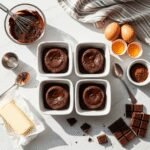
Indulgent chocolate lava cakes with a perfectly gooey molten center and tender cake exterior. This restaurant-quality dessert comes together in just 30 minutes using simple ingredients and creates an unforgettable chocolate experience that’s perfect for special occasions or whenever you’re craving something truly decadent.
- Prep Time: 15 minutes
- Cook Time: 12 minutes
- Total Time: 27 minutes
- Yield: 4 servings 1x
- Category: Dessert
- Method: Baking
- Cuisine: American
- Diet: Vegetarian
Ingredients
- 6 oz (170g) high-quality dark or semi-sweet chocolate (60-70% cocoa), chopped
- ½ cup (113g) unsalted butter, plus extra for greasing
- 2 tablespoons unsweetened cocoa powder, for dusting ramekins
- 2 large eggs, at room temperature
- 2 large egg yolks, at room temperature
- ¼ cup (50g) granulated sugar
- Pinch of salt
- 2 tablespoons (16g) all-purpose flour
- ½ teaspoon pure vanilla extract
Optional for Serving:
- Vanilla ice cream
- Fresh whipped cream
- Fresh berries (raspberries or strawberries)
- Powdered sugar for dusting
- Fresh mint leaves for garnish
Instructions
- Preheat and Prepare: Preheat your oven to 425°F (220°C). Generously butter the inside of four 6-ounce ramekins, making sure to coat the bottom and sides completely. Dust the buttered ramekins with cocoa powder, tapping out any excess. Place the prepared ramekins on a baking sheet and set aside.
- Melt Chocolate and Butter: In a medium saucepan over low heat or using a double boiler, combine the chopped chocolate and butter. Stir frequently until completely melted and smooth, about 3-4 minutes. Remove from heat and let cool slightly, about 2 minutes.
- Whisk Eggs and Sugar: In a medium mixing bowl, combine the whole eggs, egg yolks, sugar, and salt. Whisk vigorously for about 2-3 minutes until the mixture becomes pale, thick, and slightly frothy. The mixture should fall in ribbons when you lift the whisk.
- Combine Mixtures: Pour the slightly cooled chocolate mixture into the egg mixture, whisking constantly as you pour. Add the vanilla extract and whisk until completely combined and smooth.
- Add Flour: Sift the flour over the chocolate mixture and gently fold it in using a rubber spatula. Mix just until no flour streaks remain – don’t overmix. The batter should be smooth, glossy, and pourable.
- Fill Ramekins: Divide the batter evenly among the four prepared ramekins, filling each about ¾ full. Gently tap each ramekin on the counter once or twice to release any air bubbles.
- Bake: Place the baking sheet with ramekins in the preheated oven and bake for 12-13 minutes. The edges should be set and firm, and the centers should look slightly soft and jiggly when gently shaken. The tops will have a thin crust. For a more liquid center, bake for 12 minutes; for a slightly firmer center, go for 13 minutes.
- Rest and Unmold: Remove from oven and let the cakes rest in the ramekins for 1 minute. This allows the edges to set slightly, making unmolding easier. Run a thin knife or offset spatula around the edge of each cake to loosen it.
- Serve: Place a dessert plate upside down on top of each ramekin, then quickly and carefully invert both together. Hold for a few seconds, then lift the ramekin off. The cake should slide out onto the plate. If it sticks, run the knife around the edge once more.
- Garnish and Enjoy: Immediately dust with powdered sugar, add a scoop of vanilla ice cream, fresh berries, or whipped cream if desired. Serve right away while the center is still warm and molten.
Notes
- Timing is Everything: The difference between a molten center and a fully-baked cake is just 1-2 minutes, so watch carefully and use a timer.
- Room Temperature Eggs: This helps them incorporate more smoothly into the chocolate mixture.
- Don’t Overbake: The centers should still jiggle slightly when you remove them from the oven. They’ll continue cooking from residual heat.
- Make-Ahead Option: You can prepare the batter and fill the ramekins up to 24 hours in advance. Cover with plastic wrap and refrigerate. Add 2-3 minutes to the baking time if baking from cold.
- Quality Matters: Use the best chocolate you can afford – it makes a noticeable difference in flavor.
- Testing Your Oven: Every oven is different. If this is your first time making lava cakes, consider making one test cake first to check timing.
- Alternative Baking: If you don’t have ramekins, you can use a muffin tin, but reduce baking time to 8-9 minutes.
Nutrition
- Serving Size: 1 lava cake (without toppings)
- Calories: 445
- Sugar: 28g
- Sodium: 95mg
- Fat: 32g
- Saturated Fat: 19g
- Unsaturated Fat: 11g
- Trans Fat: 0g
- Carbohydrates: 35g
- Fiber: 3g
- Protein: 7g
- Cholesterol: 215mg
Tips & Variations
One of the beautiful things about this chocolate lava cake recipe is how customizable it is. Here are some delicious ways to make it your own:
Flavor Variations:
- Espresso Chocolate Lava Cakes – Add 1 tablespoon of instant espresso powder to the melted chocolate for a sophisticated mocha flavor that enhances the chocolate
- Orange Chocolate Lava Cakes – Add 1 teaspoon orange zest and substitute orange extract for vanilla for a classic chocolate-orange combination
- Peppermint Lava Cakes – Use ½ teaspoon peppermint extract instead of vanilla and add crushed peppermint candies on top – perfect for holidays
- Salted Caramel Center – Place a spoonful of dulce de leche or caramel sauce in the center of each ramekin before adding batter
- Peanut Butter Surprise – Add a small spoonful of peanut butter in the center for a chocolate-peanut butter lava cake
- Raspberry Filling – Place 2-3 fresh raspberries in the center of each ramekin before baking
- Mexican Chocolate – Add ¼ teaspoon cinnamon and a pinch of cayenne pepper for warmth
Dietary Adaptations:
- Gluten-Free – Replace all-purpose flour with gluten-free flour blend or almond flour (though almond flour changes texture slightly)
- Reduced Sugar – You can reduce sugar to 3 tablespoons if using very sweet chocolate, though texture may be slightly affected
- Dairy-Free – Use dairy-free chocolate and substitute butter with coconut oil or vegan butter
Presentation Ideas:
- Serve in the ramekin for a rustic look instead of unmolding
- Create a raspberry or strawberry coulis to drizzle around the plate
- Top with gold leaf for an ultra-luxe presentation
- Garnish with candied orange peel
- Add a quenelle (oval scoop) of vanilla bean ice cream for restaurant-style plating
Pro Chef Tips
Want to take your lava cakes from great to absolutely phenomenal? Here are insider secrets from professional pastry chefs:
Temperature Control is Critical – The secret to that perfect molten center lies in precise timing and temperature. Professional kitchens use 425°F because it’s hot enough to set the exterior quickly while leaving the center liquid. If your oven runs hot or cold, invest in an oven thermometer to ensure accuracy.
The Ribbons Test – When whisking your eggs and sugar, whisk until the mixture “ribbons” – meaning when you lift the whisk, the mixture falls back in thick ribbons that hold their shape for a few seconds. This incorporates air and creates a lighter texture.
Butter Those Ramekins Generously – Don’t be shy with the butter. Use your fingers or a pastry brush to ensure every surface is coated, especially where the bottom meets the sides. The cocoa powder dusting acts as a secondary release agent and adds flavor.
Cool the Chocolate Mixture – Letting the melted chocolate cool for 2-3 minutes before adding to the eggs prevents the eggs from scrambling. The mixture should feel warm but not hot when you touch the outside of the bowl.
The Wobble Test – When checking for doneness, gently shake the ramekin. The edges should be completely set and firm, but the center should wobble like jello. If the whole thing is firm, you’ve overbaked. If it’s too loose, give it another minute.
Work Quickly When Unmolding – Have your serving plates ready and work swiftly. The longer the cakes sit after baking, the more the centers firm up. That magical molten flow is best within the first 2-3 minutes after removing from the oven.
Create a Chocolate “Shell” – Some chefs freeze a small piece of ganache (chocolate mixed with heavy cream) and place it in the center of the batter before baking. This creates an extra-molten center that’s even more dramatic.
Invest in Quality Ramekins – Ceramic ramekins conduct heat evenly and maintain temperature well. If using metal molds, reduce baking time by 1-2 minutes as they conduct heat faster.
Common Mistakes to Avoid
Even though this recipe is relatively straightforward, there are a few pitfalls that can turn your lava cakes from perfect to problematic:
Overbaking – This is the number one mistake. Even 1-2 extra minutes can mean the difference between a flowing center and a regular chocolate cake. Trust the timing and remember that the centers should still jiggle when you remove them from the oven. They continue cooking from residual heat.
Using Chocolate Chips Instead of Bar Chocolate – Chocolate chips contain stabilizers that help them hold their shape during baking, which means they don’t melt as smoothly. Always use chopped chocolate bars for the silkiest texture and best melting properties.
Forgetting to Prepare Ramekins Properly – Skimping on the butter or forgetting the cocoa powder dusting leads to cakes that stick stubbornly to the sides. You’ll end up with broken cakes that lose all their dramatic presentation. Take the extra minute to butter and dust thoroughly.
Adding Cold Eggs to Hot Chocolate – If your melted chocolate is too hot when you add the eggs, you’ll get scrambled eggs in your batter. Always let the chocolate mixture cool for a few minutes first, and make sure your eggs are at room temperature.
Overmixing the Batter – Once you add the flour, mix just until combined. Overmixing develops gluten, which makes the cakes tough instead of tender. Use a gentle folding motion with a rubber spatula and stop as soon as you don’t see any more flour streaks.
Not Using a Timer – With a baking window this precise, you can’t rely on visual cues alone, especially when you’re still learning. Always set a timer and check at the earliest time mentioned. Every oven is different, so you may need to adjust after your first attempt.
Serving Too Late – The molten center starts to set as the cakes cool. For that dramatic flow, serve within 3-5 minutes of removing from the oven. If you’re entertaining, time your baking so the cakes come out of the oven right when you’re ready to serve dessert.
Storage & Meal Prep
While lava cakes are absolutely best served fresh and warm from the oven, there are ways to plan ahead and handle leftovers:
Short-Term Storage (Baked Cakes):
If you have leftover baked lava cakes (though this is rare!), you can store them in the refrigerator. Allow them to cool completely, then cover each ramekin tightly with plastic wrap or transfer to an airtight container. They’ll keep for 2-3 days. The centers will firm up completely, so these become more like regular chocolate cakes. To reheat, microwave for 20-30 seconds – you won’t get the molten center back, but they’re still delicious warm chocolate cakes.
Unbaked Batter Storage:
The batter itself doesn’t store well once mixed, as the eggs begin to break down and the chocolate can separate. However, you can prepare the batter, fill the ramekins, and refrigerate for up to 24 hours before baking. This is actually the best make-ahead method (see next section for details).
Reheating Tips:
For refrigerated baked cakes, microwave individual cakes for 20-30 seconds on 50% power. The texture won’t be exactly the same, but they’ll be warm and enjoyable. You can also reheat in a 350°F oven for 5-7 minutes, though the centers will be fully set rather than molten.
Not Recommended:
I don’t recommend storing the melted chocolate mixture or the whisked egg mixture separately to combine later. The chemistry works best when everything is freshly prepared and immediately baked.
Make-Ahead & Freezer Notes
Great news for party planners: lava cakes are one of the few desserts that actually work beautifully as a make-ahead dish!
Refrigerator Make-Ahead (Best Method):
This is the method many restaurants use. Prepare the batter completely, divide it among the prepared ramekins, then cover each ramekin tightly with plastic wrap. Refrigerate for up to 24 hours. When ready to bake, remove from refrigerator, uncover, and bake straight from cold. Add 2-3 minutes to the baking time (so 14-15 minutes total instead of 12-13). The cakes need the extra time because they’re starting from a cold temperature. This method is perfect for dinner parties – you can have dessert ready to pop in the oven while you’re eating dinner.
Freezer Method:
You can also freeze the unbaked, filled ramekins for up to 1 month for ultimate planning flexibility. Prepare the ramekins and fill with batter as directed. Place ramekins on a baking sheet and freeze uncovered until solid (about 2-3 hours). Once frozen solid, wrap each ramekin tightly with plastic wrap, then aluminum foil. When ready to bake, remove from freezer, unwrap, and bake directly from frozen. Add 4-5 minutes to the baking time (so 16-17 minutes total). Check at 15 minutes and continue baking if needed. The exterior should be fully set and the center should still jiggle.
Reheating Frozen Baked Cakes:
I don’t recommend freezing already-baked lava cakes, as the texture suffers and you lose that signature molten center. If you do freeze baked cakes, thaw in the refrigerator overnight and reheat in the microwave for 30-40 seconds. They’ll taste like good chocolate cakes but won’t have the lava effect.
Best Practice:
For the most reliable results and that perfect molten center, I recommend the refrigerator make-ahead method (preparing and filling ramekins up to 24 hours ahead) rather than freezing. The texture is more consistent, and the timing is easier to control.
Serving Suggestions
Half the fun of lava cakes is deciding how to serve them and what to pair them with. Here are some delicious accompaniments:
Classic Pairings:
- Vanilla Ice Cream – The cold, creamy vanilla is the perfect contrast to the warm, rich chocolate. As the ice cream melts into the flowing chocolate center, it creates its own amazing sauce.
- Fresh Whipped Cream – Lighter than ice cream, sweetened whipped cream with a touch of vanilla adds elegance without overwhelming the chocolate.
- Crème Anglaise – This vanilla custard sauce is the French way to serve chocolate desserts and adds luxurious creaminess.
Fresh Fruit:
- Raspberries or Strawberries – The tart brightness of berries cuts through the richness beautifully. Fresh berries also add gorgeous color to the plate.
- Raspberry Coulis – A quick sauce made from blended and strained raspberries with a touch of sugar creates restaurant-quality plating.
- Orange Segments – Supreme-cut orange segments add citrus brightness that complements dark chocolate perfectly.
Garnishes and Finishing Touches:
- Powdered Sugar – A light dusting adds visual appeal and a touch of sweetness.
- Chocolate Shavings – Because you can never have too much chocolate! Use a vegetable peeler on a chocolate bar for pretty curls.
- Fresh Mint – A small mint sprig adds color and a subtle freshness.
- Flaky Sea Salt – A tiny pinch on top just before serving enhances the chocolate flavor and adds sophistication.
- Caramel Sauce – Drizzle around the plate for a salted caramel-chocolate combination.
Beverage Pairings:
- Coffee – A strong espresso or cappuccino is perfect with the rich chocolate.
- Dessert Wine – Port, late-harvest Zinfandel, or a sweet Riesling all pair beautifully.
- Hot Chocolate or Hot Cocoa – For true chocolate lovers, doubling down is never wrong!
- Irish Cream Liqueur – For an adults-only treat, a splash of Baileys on top is divine.
Plating Ideas: For an elegant presentation, place the unmolded cake slightly off-center on a white plate. Add a quenelle (oval-shaped scoop) of ice cream, a few fresh berries, and a mint leaf. Dust everything lightly with powdered sugar and add a drizzle of raspberry sauce. For a rustic look, serve the cake directly in the ramekin on a small plate with a side of ice cream.
FAQs Section
Q: Can I make chocolate lava cakes without ramekins?
A: Yes! You can use a standard muffin tin as an alternative. Generously butter and cocoa-dust each cup, then fill about ¾ full. Reduce the baking time to 8-9 minutes at 425°F since the cups are smaller. You can also use small oven-safe coffee mugs or custard cups – just make sure whatever you use is truly oven-safe and adjust timing based on the size.
Q: Why didn’t my lava cake have a molten center?
A: This usually comes down to baking time. Lava cakes continue cooking from residual heat even after you remove them from the oven, so if you bake until the center looks completely set, you’ve gone too far. The center should still jiggle slightly when you remove them. Other factors include oven temperature (use an oven thermometer to verify your oven is accurate) and the size of your ramekins. Next time, try reducing the baking time by 1 minute.
Q: Can I use milk chocolate instead of dark chocolate?
A: You can, but the result will be much sweeter and less complex in flavor. Milk chocolate also melts differently and may affect the texture of your lava cakes. If you do use milk chocolate, reduce the sugar in the recipe to 2-3 tablespoons to prevent the cakes from being overly sweet. For the best results, stick with dark or semi-sweet chocolate in the 60-70% cocoa range.
Q: My lava cake stuck to the ramekin. What went wrong?
A: This is almost always a greasing issue. Make sure you’re using enough butter (be generous!) and coating every bit of the ramekin’s interior, including where the sides meet the bottom. The cocoa powder dusting creates a second barrier and helps with release. Some bakers also find that using softened butter applied with their fingers works better than melted butter with a brush. Finally, make sure you’re running a knife around the edges immediately after the 1-minute rest – waiting too long can make sticking more likely.
Q: Can I make a large lava cake instead of individual ones?
A: While you can attempt this in a larger baking dish, it’s much trickier to get that perfect molten center. The individual ramekins work so well because the heat can penetrate evenly from all sides. A larger cake will have overcooked edges by the time the center is set to the right consistency. If you want to try, use a 6-8 inch round cake pan, increase baking time to 18-22 minutes, and expect less predictable results.
Q: Do I need to use whole eggs AND egg yolks?
A: Yes, this combination is important for the right texture. The whole eggs provide structure, while the extra yolks add richness and create that custardy, molten center. If you only use whole eggs, the center will be less creamy and more cake-like. If you only use yolks, the structure will be too delicate. The recipe is specifically balanced for the combination listed.
Q: How do I know when my lava cakes are done?
A: Look for these signs: the edges should be completely set and pulling slightly away from the sides of the ramekin, the top should have a thin, slightly crackled crust, and most importantly, when you gently shake the ramekin, the edges stay firm but the center jiggles like jello. If the whole cake is firm, it’s overbaked. If it’s too loose all over, it needs another minute. Use the timing in the recipe as your guide, but also trust these visual and physical cues.
Q: Can I double this recipe for more servings?
A: Absolutely! This recipe doubles and even triples beautifully. Just make sure your oven can accommodate all the ramekins with good air circulation around each one. You may need to bake in batches if you’re making a large quantity. The batter can sit at room temperature for 15-20 minutes while you bake in batches without any issues, or you can refrigerate filled ramekins and bake in shifts, adding those 2-3 extra minutes for cold ramekins.
Conclusion
There you have it – everything you need to create show-stopping, restaurant-quality chocolate lava cakes right in your own kitchen! These molten chocolate cakes prove that some of the most impressive desserts are actually the simplest to make. With just a handful of ingredients, about 30 minutes, and a little attention to timing, you can create pure chocolate magic that’ll have everyone asking for your secret.
The beauty of this recipe is its versatility. Whether you’re planning a romantic dinner for two, hosting a dinner party, celebrating a special occasion, or simply treating yourself to something extraordinary on a random weeknight, these lava cakes deliver every single time. That moment when you cut into the cake and watch the warm chocolate center flow onto the plate never gets old – it’s dessert theater at its finest.
I encourage you to try this recipe and make it your own. Play with different flavor variations, experiment with fillings, and find your perfect baking time for your specific oven. Once you master the basic technique, you’ll have a dessert in your repertoire that’s guaranteed to impress.
Now it’s your turn! I’d love to hear how your chocolate lava cakes turn out. Did you try any fun variations? What did you serve them with? Drop a comment below and let me know about your experience. And if you loved this recipe, please share it with your fellow chocolate lovers and save it to your Pinterest boards so you can find it again when that chocolate craving hits!
Happy baking, and may your centers always be perfectly molten! 🍫