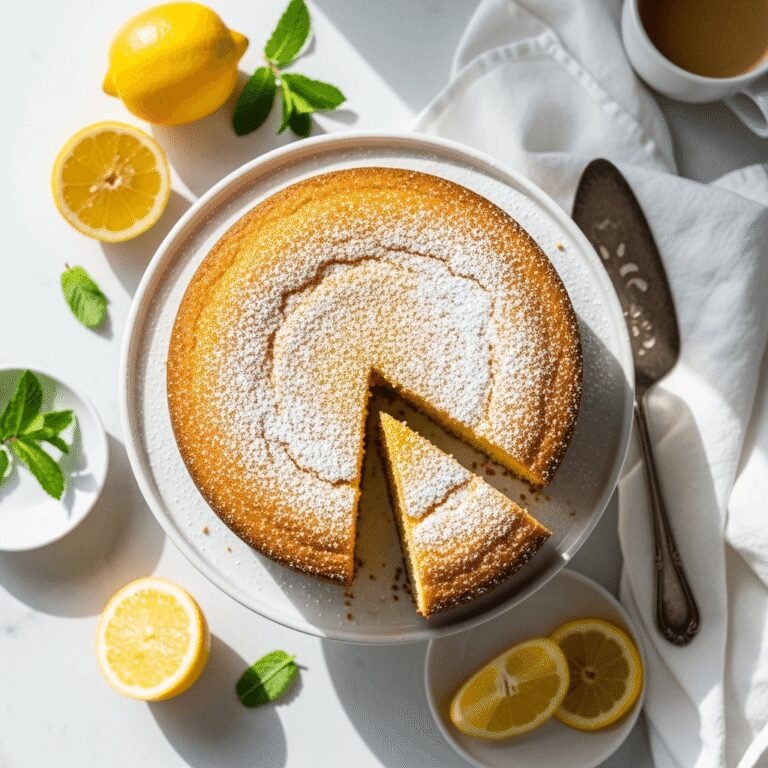
The Best Lemon Cake Recipe – Light, Moist & Bursting with Citrus Flavor

There’s something magical about a perfectly baked lemon cake. It’s that ideal balance of sweet and tangy, with a tender, moist crumb that melts in your mouth and leaves you reaching for just one more slice. This homemade lemon cake recipe is a classic American dessert that brings sunshine to any occasion, whether you’re celebrating a birthday, hosting a spring brunch, or simply treating yourself to something special on a lazy Sunday afternoon.
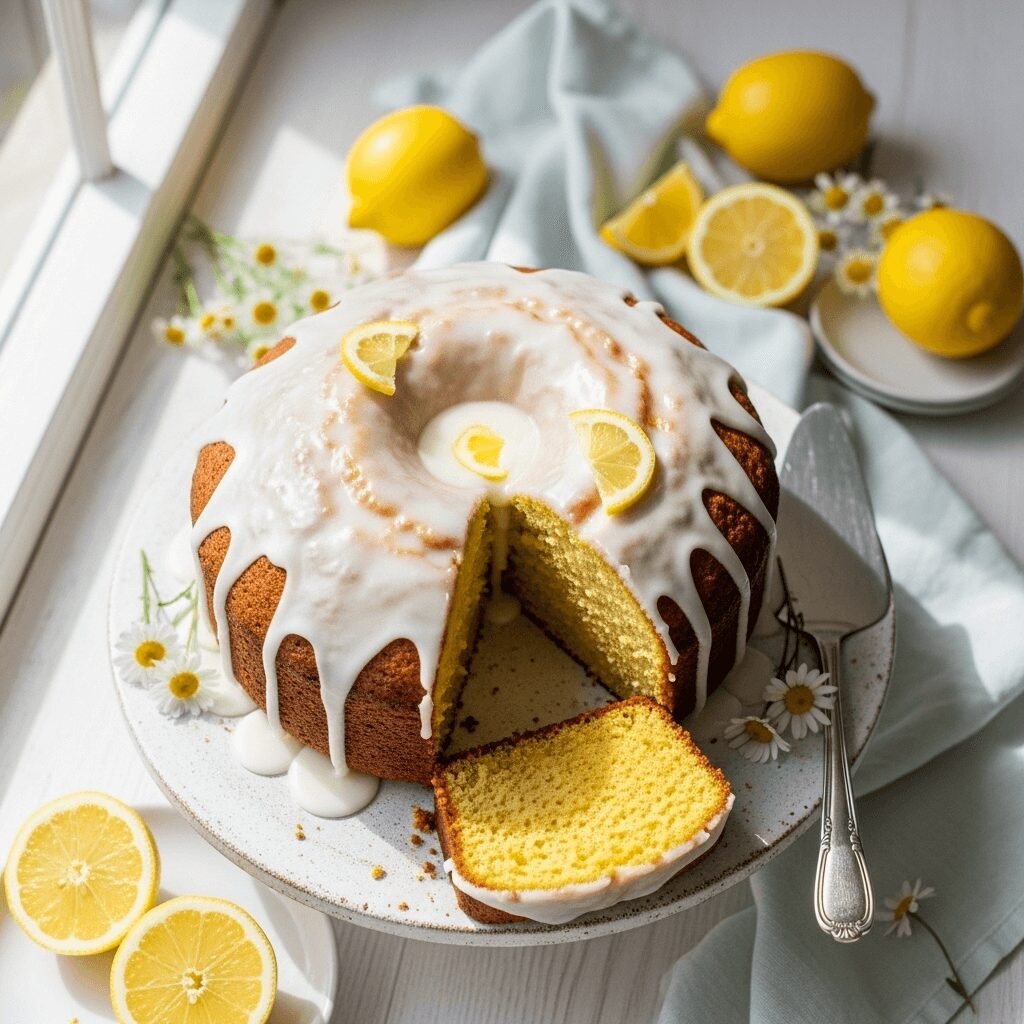
What makes this lemon cake truly special is its vibrant, fresh lemon flavor that comes through in every bite. Unlike store-bought versions that rely on artificial flavoring, this recipe uses real lemon zest and fresh lemon juice to create an authentic citrus experience. The cake itself is wonderfully light and fluffy, with a fine, tender texture that practically dissolves on your tongue. And with a simple lemon glaze drizzled over the top, it’s as beautiful as it is delicious—perfect for sharing on Pinterest or serving at your next gathering.
This recipe is surprisingly easy to make, even if you’re not an experienced baker. With basic pantry ingredients and straightforward steps, you’ll have a bakery-quality lemon cake ready in about an hour. It’s the kind of recipe that makes you look like a professional pastry chef, but requires minimal effort and zero fancy techniques.
History / Background
Lemon cake has been a beloved dessert in American home baking since the early 20th century, though its origins trace back even further to European baking traditions. Lemons were once considered exotic and luxurious, making lemon-flavored desserts a special treat reserved for celebrations and important occasions.
The classic American lemon cake as we know it today gained popularity in the 1950s and 1960s, during the post-war era when convenience baking became trendy. However, home bakers quickly realized that cakes made from scratch with fresh lemons tasted infinitely better than boxed mixes. The tradition of baking lemon cakes for spring and summer gatherings became deeply rooted in American culinary culture, particularly in the South where citrus desserts were prized for their refreshing qualities.
Lemon cake holds a special place in celebration baking. It’s a traditional choice for Easter brunch, Mother’s Day tea parties, bridal showers, and spring weddings. The bright yellow color and cheerful flavor make it symbolically perfect for new beginnings and joyful occasions. In many families, lemon cake recipes are passed down through generations, with each baker adding their own special touch—whether it’s an extra bit of zest, a particular glaze technique, or a secret ingredient that makes their version unique.
The beauty of lemon cake is its versatility. It can be dressed up with elaborate frosting and fresh flowers for an elegant celebration, or served simply with a dusting of powdered sugar for a casual afternoon snack. This adaptability has helped lemon cake maintain its popularity across decades and generations of home bakers.
Why You’ll Love This Recipe
This isn’t just another lemon cake recipe—it’s the one you’ll turn to again and again because it delivers consistent, impressive results every single time. The flavor is bright and authentic, the texture is absolutely perfect, and the process is straightforward enough for beginners while still satisfying for experienced bakers who appreciate a well-developed recipe.
Here’s why this lemon cake will become your new favorite:
- Incredible Fresh Lemon Flavor – Uses both lemon zest and juice for maximum citrus impact without any artificial taste
- Perfectly Moist Texture – Stays tender and delicious for days thanks to the right balance of fats and moisture
- Easy to Make – Simple mixing method that doesn’t require special equipment or advanced baking skills
- Foolproof Results – Tested proportions that work every time, even at different altitudes
- Crowd-Pleaser – Appeals to both kids and adults, and accommodates various dietary preferences with easy modifications
- Make-Ahead Friendly – Tastes even better the next day, making it perfect for party planning
- Versatile Serving Options – Delicious on its own, or dress it up with frosting, berries, or whipped cream
- Budget-Friendly – Made with affordable, everyday ingredients you probably already have
- Pinterest-Perfect Presentation – That gorgeous golden color and glossy glaze look stunning in photos
Ingredient Notes
Let’s talk about what goes into this beautiful lemon cake and why each ingredient matters. Understanding your ingredients helps you make smart substitutions and achieve the best possible results.
All-Purpose Flour – The foundation of your cake structure. I don’t recommend substituting with cake flour here, as all-purpose gives us the perfect tender yet stable crumb. If you need a gluten-free version, use a 1:1 gluten-free baking flour blend.
Granulated Sugar – Provides sweetness and helps create that tender, fine-crumbed texture. The sugar also helps the cake stay moist by holding onto moisture molecules.
Butter – Use unsalted butter at room temperature so you can control the salt level. Butter adds rich flavor and contributes to the tender texture. Don’t substitute with oil in this recipe, as butter is essential for the proper structure.
Eggs – Add structure, richness, and help bind everything together. Room temperature eggs incorporate more easily and create better volume. Large eggs are standard for this recipe.
Fresh Lemons – The star of the show! You’ll need both zest and juice. Always use fresh lemons, never bottled lemon juice, as the flavor difference is dramatic. Meyer lemons work beautifully if you can find them, offering a sweeter, more floral flavor.
Baking Powder & Baking Soda – These leavening agents work together to help the cake rise and create that light, fluffy texture. Make sure yours are fresh (less than 6 months old) for best results.
Salt – Enhances all the other flavors and balances the sweetness. Don’t skip it!
Whole Milk or Buttermilk – Adds moisture and tenderness. Buttermilk gives a slightly tangier flavor and even more tender crumb, but regular whole milk works perfectly too.
Vanilla Extract – Complements the lemon flavor beautifully. Use pure vanilla extract, not imitation.
Powdered Sugar (for glaze) – Creates that beautiful, glossy finish. The cornstarch in powdered sugar helps the glaze set properly.
Equipment Needed
Having the right tools makes baking so much easier and more enjoyable. Here’s everything you’ll need to make this lemon cake:
- 9×13-inch Baking Pan or Two 9-inch Round Cake Pans – Choose based on whether you want a sheet cake or layer cake
- Large Mixing Bowls – At least two, one for dry ingredients and one for wet
- Electric Mixer (hand mixer or stand mixer) – Makes creaming the butter and sugar effortless
- Measuring Cups and Spoons – Accurate measurements are crucial in baking
- Microplane or Fine Grater – For zesting lemons without getting the bitter white pith
- Citrus Juicer – Makes extracting lemon juice much easier
- Rubber Spatula – For scraping down bowl sides and folding ingredients gently
- Whisk – For combining dry ingredients
- Wire Cooling Rack – Essential for cooling the cake properly
- Small Bowl – For mixing the glaze
- Parchment Paper – Optional but helpful for easy cake removal
- Toothpick or Cake Tester – To check for doneness
The Best Lemon Cake Recipe – Light, Moist & Bursting with Citrus Flavor

This homemade lemon cake is incredibly moist, tender, and bursting with fresh lemon flavor. Topped with a simple lemon glaze, it’s the perfect dessert for any spring or summer celebration, or anytime you need a bright, cheerful treat!
- Prep Time: 15 minutes
- Cook Time: 30-35 minutes
- Total Time: 50 minutes
- Yield: 12 servings 1x
- Category: Dessert
- Method: Baking
- Cuisine: American
- Diet: Vegetarian
Ingredients
For the Cake:
- 2½ cups all-purpose flour
- 2½ teaspoons baking powder
- ½ teaspoon baking soda
- ½ teaspoon salt
- 1 cup (2 sticks) unsalted butter, softened to room temperature
- 2 cups granulated sugar
- 4 large eggs, room temperature
- Zest of 3 large lemons (about 3 tablespoons)
- ⅓ cup fresh lemon juice (about 2 lemons)
- 1 cup whole milk or buttermilk, room temperature
- 2 teaspoons pure vanilla extract
For the Lemon Glaze:
- 2 cups powdered sugar
- 3-4 tablespoons fresh lemon juice
- 1 tablespoon lemon zest
- Pinch of salt
Instructions
- Preheat and Prep: Preheat your oven to 350°F (175°C). Grease and flour a 9×13-inch baking pan, or line it with parchment paper for easy removal. If using round pans, grease, flour, and line the bottoms with parchment circles.
- Combine Dry Ingredients: In a medium bowl, whisk together the flour, baking powder, baking soda, and salt. Set aside.
- Cream Butter and Sugar: In a large mixing bowl, using an electric mixer on medium-high speed, beat the softened butter and sugar together for 3-4 minutes until light, fluffy, and pale in color. This step incorporates air and creates a tender texture, so don’t rush it.
- Add Eggs and Lemon Zest: Add the eggs one at a time, beating well after each addition. Scrape down the sides of the bowl as needed. Add the lemon zest and mix until combined. The batter should look smooth and creamy.
- Prepare Wet Mixture: In a small bowl or measuring cup, combine the milk, lemon juice, and vanilla extract. The mixture may look slightly curdled—this is normal and actually helps create a tender crumb.
- Alternate Dry and Wet Ingredients: With the mixer on low speed, add the flour mixture in three additions, alternating with the milk mixture in two additions. Begin and end with the flour mixture. Mix just until combined after each addition—overmixing can make the cake tough. The batter should be smooth and thick.
- Bake: Pour the batter into your prepared pan(s), spreading it evenly with a spatula. Tap the pan gently on the counter a few times to release any air bubbles. Bake for 30-35 minutes (for a 9×13 pan) or 25-30 minutes (for round pans), until a toothpick inserted in the center comes out with just a few moist crumbs.
- Cool: Let the cake cool in the pan on a wire rack for 15 minutes. If making a layer cake, carefully turn the cakes out onto the wire rack to cool completely. For a sheet cake, you can glaze it right in the pan.
- Make the Glaze: While the cake cools, whisk together the powdered sugar, lemon juice, lemon zest, and salt in a small bowl. Start with 3 tablespoons of lemon juice and add more if you want a thinner glaze. The consistency should be thick but pourable.
- Glaze the Cake: Once the cake has cooled for at least 20 minutes (it should be warm but not hot), pour the glaze over the top, spreading it gently with a spatula or letting it drip down the sides naturally. The glaze will set as it cools.
- Serve: Allow the glaze to set for about 15 minutes before slicing and serving. Enjoy your beautiful, tangy-sweet lemon cake!
Notes
- Room Temperature Ingredients: This is crucial! Room temperature eggs, butter, and milk mix together more easily and create a better texture. Set ingredients out 30-60 minutes before baking.
- Don’t Overbake: The cake is done when a toothpick comes out with a few moist crumbs, not completely clean. Overbaking leads to dry cake.
- Zesting Tips: Zest the lemons before juicing them. Only zest the yellow part—avoid the white pith, which is bitter.
- Flavor Boost: For even more lemon flavor, poke holes in the warm cake with a skewer and brush with 2 tablespoons of lemon juice mixed with 2 tablespoons of sugar before adding the glaze.
- Glaze Variations: For a cream cheese frosting instead, beat 8 oz softened cream cheese with 4 tablespoons softened butter, 3 cups powdered sugar, 2 tablespoons lemon juice, and 1 tablespoon lemon zest.
Nutrition
- Serving Size: 1 slice (1/12 of cake)
- Calories: 385
- Sugar: 42g
- Sodium: 245mg
- Fat: 17g
- Saturated Fat: 10g
- Unsaturated Fat: 6g
- Trans Fat: 0g
- Carbohydrates: 56g
- Fiber: 1g
- Protein: 5g
- Cholesterol: 105mg
Tips & Variations
One of the best things about this lemon cake recipe is how easily it adapts to different preferences and occasions. Here are some delicious ways to customize it:
Lemon Blueberry Cake: Fold 1½ cups of fresh or frozen blueberries (tossed in 1 tablespoon of flour) into the batter just before baking. The berries add beautiful color and complementary flavor.
Lemon Poppy Seed Cake: Add 2 tablespoons of poppy seeds to the batter for that classic bakery combination. The seeds add a lovely subtle crunch and visual interest.
Lemon Lavender Cake: Steep 1 tablespoon of dried culinary lavender in the warm milk for 10 minutes, then strain before using. This creates an elegant, sophisticated flavor perfect for tea parties.
Reduced Sugar Version: You can reduce the sugar to 1¾ cups without significantly affecting texture, though the cake will be less sweet and slightly denser.
Coconut Lemon Cake: Replace ½ cup of the milk with coconut milk and fold in ½ cup of shredded coconut for a tropical twist.
Meyer Lemon Variation: Substitute Meyer lemons for regular lemons for a sweeter, more complex citrus flavor with floral notes.
Bundt Cake Version: This batter works beautifully in a bundt pan. Bake at 325°F for 50-60 minutes and let cool completely before removing from the pan.
Individual Cupcakes: Divide the batter among 24 cupcake liners and bake for 18-22 minutes. Perfect for parties and portion control!
Pro Chef Tips
These professional insights will take your lemon cake from good to absolutely extraordinary:
Temperature Control is Everything: All your ingredients should be at the same temperature—ideally around 65-70°F. This ensures even mixing and optimal texture. Cold ingredients can cause the batter to separate or create lumps.
Zest Before You Juice: Always zest your lemons first before cutting and juicing them. It’s nearly impossible to zest a halved lemon! Also, roll lemons firmly on the counter before juicing to break down the membranes and extract more juice.
Measure Flour Correctly: Spoon flour into your measuring cup and level it off with a knife. Don’t scoop directly from the bag or pack it down, as this can add 25% more flour than intended, resulting in a dry, dense cake.
The Creaming Method Matters: When beating butter and sugar, go the full 3-4 minutes. The mixture should look almost white and noticeably increased in volume. This incorporates air that helps the cake rise and creates that tender, light texture.
Don’t Overmix Once Flour is Added: Mix just until you can’t see streaks of flour anymore. Overmixing develops gluten, which makes cakes tough and chewy instead of tender and soft.
Test for Doneness Early: Start checking your cake 5 minutes before the recipe time. Oven temperatures vary, and overbaking is the number one cause of dry cake. The toothpick should come out with a few moist crumbs, not completely clean.
The Secret to Moist Cake: Brush the warm cake layers with a simple syrup (equal parts sugar and lemon juice, heated until sugar dissolves) before glazing. This adds moisture and intensifies flavor without making the cake soggy.
Let It Rest: Cakes actually taste better the next day! The flavors meld together and the texture becomes even more tender. If you have time, make it a day ahead.
Common Mistakes to Avoid
Even experienced bakers can run into trouble. Here are the most common pitfalls and how to avoid them:
Using Cold Ingredients: Cold butter won’t cream properly, and cold eggs can cause the batter to curdle. Always bring ingredients to room temperature first. If you’re short on time, place eggs in warm water for 5 minutes, and microwave butter in short 5-second bursts until just softened (not melted!).
Skipping the Lemon Zest: The zest contains essential oils that pack the most intense lemon flavor. Juice alone won’t give you that vibrant citrus taste. Always include the zest for maximum impact.
Overbaking: The difference between perfectly moist and disappointingly dry cake is just a few minutes. Your cake is done when a toothpick inserted in the center comes out with a few moist crumbs—not completely clean. Remember, it continues cooking slightly as it cools.
Opening the Oven Door Too Early: Resist the temptation to peek! Opening the oven door in the first 20 minutes can cause the cake to sink in the middle. The sudden temperature change interrupts the rising process.
Not Leveling the Batter: Before baking, smooth the top of the batter with a spatula and give the pan a few sharp taps on the counter. This releases air bubbles and ensures an even rise with no weird peaks or valleys.
Glazing Too Soon: If you glaze the cake while it’s still hot, the glaze will be absorbed and disappear instead of creating that beautiful coating. Let the cake cool for at least 20 minutes first—warm but not hot is perfect.
Cutting Before the Glaze Sets: Give that glaze at least 15 minutes to set up before cutting. If you slice too soon, it will run off and you’ll lose that pretty finish.
Storage & Meal Prep
Proper storage keeps your lemon cake tasting fresh and delicious for days. Here’s how to do it right:
Room Temperature Storage: Store the glazed cake covered at room temperature for up to 3 days. Use a cake keeper, or cover loosely with plastic wrap or aluminum foil. The cake actually becomes more moist and flavorful after sitting for a day as the moisture distributes evenly throughout.
Refrigerator Storage: If your kitchen is particularly warm, or if you’ve used a cream cheese frosting instead of glaze, refrigerate the cake. Cover it well to prevent it from absorbing refrigerator odors. Refrigerated cake will last up to 5 days. Let it come to room temperature for about 30 minutes before serving for the best flavor and texture.
Reheating: While this cake is delicious at room temperature, you can warm individual slices in the microwave for 10-15 seconds if you prefer it warm. Be careful not to overheat, as this can make it rubbery.
Protecting the Glaze: If stacking or traveling with the cake, place toothpicks in the top and tent plastic wrap over them so it doesn’t stick to the glaze. You can also wait to glaze until just before serving.
Transporting Tips: This cake travels beautifully. Keep it in the baking pan with a foil cover for easy transport to potlucks, picnics, and parties.
Make-Ahead & Freezer Notes
This lemon cake is perfect for advance preparation, making it ideal for party planning and holiday baking.
Baking Ahead: You can bake the cake layers up to 2 days in advance. Let them cool completely, wrap tightly in plastic wrap, and store at room temperature. Glaze just before serving for the freshest appearance.
Freezing Unfrosted Cake: The cake layers freeze beautifully for up to 3 months. Wrap cooled, unglazed cake tightly in plastic wrap, then in aluminum foil. Label with the date. To thaw, unwrap and let sit at room temperature for 2-3 hours, or refrigerate overnight.
Freezing Glazed Cake: You can freeze the glazed cake, though the glaze may lose some of its shine. Freeze unwrapped until solid (about 2 hours), then wrap well in plastic wrap and foil. This prevents the wrap from sticking to the glaze.
Freezing Individual Slices: This is perfect for portion control or future quick desserts! Cut the cake into slices, wrap each slice individually in plastic wrap, then place all slices in a freezer bag. Grab a slice whenever you need one—they thaw in about 30 minutes at room temperature.
Best Thawing Method: Always thaw frozen cake in the refrigerator overnight while still wrapped to prevent condensation from making it soggy. Let it come to room temperature before serving.
Glaze After Freezing: For best results, freeze the cake unglazed and make fresh glaze when you’re ready to serve. This ensures that gorgeous, glossy finish looks perfect.
Serving Suggestions
This versatile lemon cake pairs beautifully with so many accompaniments. Here are some delicious serving ideas:
Fresh Berries: Serve slices with fresh strawberries, raspberries, or blueberries on the side. The berries complement the lemon flavor perfectly and add a gorgeous pop of color.
Whipped Cream: A dollop of homemade whipped cream (sweetened with a touch of vanilla) makes this cake feel extra indulgent. For a tangy twist, try lemon whipped cream by adding a teaspoon of lemon zest to the cream.
Ice Cream Pairing: Vanilla ice cream is classic, but try it with lemon sorbet, strawberry ice cream, or even lavender ice cream for an elegant presentation.
Afternoon Tea Service: Cut into smaller squares and serve alongside hot tea—Earl Grey, chamomile, or a light green tea all pair beautifully with lemon cake.
Brunch Spread: This cake is perfect for brunch buffets. Serve alongside fresh fruit salad, yogurt parfaits, and coffee for a complete spread.
Coffee Bar Dessert: Pair with espresso, cappuccino, or a cold brew coffee for a café-style dessert experience.
Wine Pairing: For an adult gathering, serve with a glass of Moscato, Prosecco, or a sweet Riesling. The wine’s sweetness complements the cake’s citrus notes.
Elegant Plating: For special occasions, serve on individual dessert plates with a raspberry coulis drizzle, a sprig of fresh mint, and a dusting of powdered sugar.
FAQs Section
Can I use bottled lemon juice instead of fresh?
I strongly recommend using fresh lemon juice. Bottled juice has a processed, slightly bitter taste that won’t give you that bright, fresh flavor. Fresh lemons make a dramatic difference in this recipe. However, if you’re absolutely in a pinch, use bottled juice but increase the lemon zest to compensate for the lost flavor.
Why is my lemon cake dry?
The most common causes are overbaking or measuring too much flour. Make sure to measure flour correctly by spooning it into the cup and leveling it off. Also, check your cake 5 minutes before the suggested baking time—it’s done when a toothpick comes out with a few moist crumbs, not completely clean. Using room temperature ingredients also helps create a more moist texture.
Can I make this as cupcakes or in different-sized pans?
Absolutely! This recipe makes 24 cupcakes (bake 18-22 minutes) or 3 eight-inch round layers (bake 25-28 minutes). For a bundt pan, bake at 325°F for 50-60 minutes. Always check for doneness with a toothpick, as baking times vary with different pan sizes.
How do I prevent the glaze from being too thin or too thick?
The key is the ratio of powdered sugar to lemon juice. Start with less lemon juice (3 tablespoons) and add more gradually until you reach your desired consistency. For a thicker glaze that stays on top, use less juice. For a glaze that drips down the sides beautifully, add more juice. The glaze will thicken slightly as it sits.
Can I make this cake gluten-free?
Yes! Substitute the all-purpose flour with a 1:1 gluten-free baking flour blend (like Bob’s Red Mill or King Arthur). Make sure it contains xanthan gum. The texture will be slightly different but still delicious. Don’t use single-grain flour like almond flour, as it won’t provide the right structure.
My batter looks curdled—is it ruined?
Don’t panic! This happens when you add lemon juice to dairy, and it’s actually normal. The cake will still turn out perfectly. The slight curdling is actually beneficial—it helps create a tender crumb. Just continue mixing and the batter will come together beautifully.
Can I reduce the sugar in this recipe?
You can reduce the sugar to 1¾ cups without major issues, though the cake will be less sweet and slightly denser. I don’t recommend going lower than that, as sugar doesn’t just provide sweetness—it also contributes to moisture, tenderness, and browning. If you’re concerned about sweetness, you can skip the glaze or just dust with powdered sugar instead.
Conclusion
There you have it—everything you need to create the most incredible homemade lemon cake! This recipe has been tested and perfected to deliver consistent, bakery-quality results every single time. The combination of fresh lemon zest, juice, and that glossy glaze creates a dessert that’s both impressive and comforting—perfect for celebrations or just because you deserve something special.
I love how this cake brings joy to everyone who tastes it. There’s something about that bright, sunny flavor that just makes people smile. Whether you’re baking it for Mother’s Day brunch, a spring birthday party, or simply because it’s Tuesday and you want something delicious, this lemon cake never disappoints.
The best part? Once you’ve made it once, you’ll have the recipe memorized. It’s that straightforward and forgiving. Don’t be intimidated by baking—this recipe is designed to help you succeed, with detailed instructions and troubleshooting tips to guide you every step of the way.
Now it’s your turn! I’d love to hear how your lemon cake turns out. Did you try any of the variations? Did you serve it with fresh berries or vanilla ice cream? Leave a comment below and let me know! And if you loved this recipe, please share it with your friends and save it to your Pinterest boards so you can make it again and again.
Happy baking, and enjoy every tangy-sweet, melt-in-your-mouth bite of your beautiful lemon cake! 🍋✨