The Ultimate Lemon Meringue Pie Recipe: A Classic American Dessert

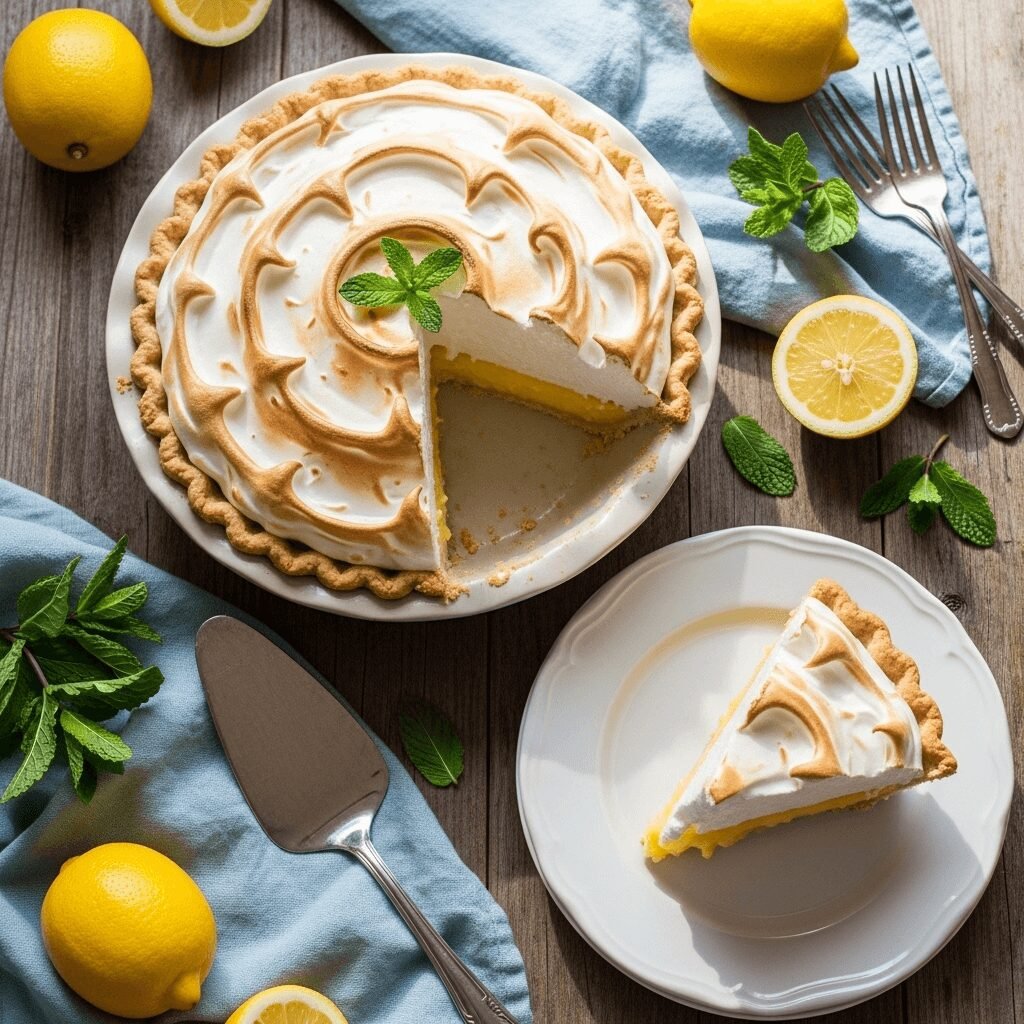
There’s something absolutely magical about a perfectly executed lemon meringue pie. The moment you slice through that cloud-like, golden-tipped meringue to reveal the bright, tangy lemon curd beneath, nestled in a buttery, flaky crust—that’s when you know you’ve created something truly special. This iconic American dessert has been gracing dinner tables, holiday gatherings, and special celebrations for generations, and for good reason.
Lemon meringue pie strikes the perfect balance between sweet and tart, creamy and light, indulgent yet refreshing. It’s the kind of dessert that makes people swoon at first bite, with its contrasting textures and bold citrus flavor that cuts through richness beautifully. Whether you’re serving it at a summer barbecue, a holiday feast, or simply treating yourself on a Sunday afternoon, this stunning pie never fails to impress.
While it might seem intimidating at first glance, making lemon meringue pie from scratch is absolutely achievable for home bakers of all skill levels. This comprehensive guide will walk you through every single step, from creating that perfect flaky crust to achieving sky-high, stable meringue peaks that won’t weep or deflate. Get ready to master one of America’s most beloved classic desserts!
History & Background of Lemon Meringue Pie
Lemon meringue pie has a fascinating culinary history that spans continents and centuries. The concept of meringue itself dates back to the early 1600s in Europe, with both France and Switzerland claiming its invention. Meanwhile, lemon custard pies were popular in medieval England, where citrus fruits were prized exotic imports.
The marriage of these two elements—lemon custard filling and fluffy meringue topping—is credited to American innovation in the 19th century. The earliest known recipe resembling modern lemon meringue pie appeared in the 1806 cookbook by Elizabeth Goodfellow, a Philadelphia pastry chef who ran a renowned cooking school. However, it was Alexander Frehse, a Swiss baker working in Charleston, South Carolina, who is often credited with popularizing the dessert in the 1850s.
By the late 1800s, lemon meringue pie had become a staple of American home baking, particularly in regions where lemons were more readily available. The invention of cornstarch in the mid-19th century revolutionized the filling, making it easier to achieve that perfect, sliceable consistency without curdling eggs. The dessert gained even more popularity during the early 20th century as it became a fixture in diners, cafeterias, and home kitchens across America.
Today, lemon meringue pie is considered quintessentially American comfort food, right up there with apple pie and chocolate cake. It represents the perfect blend of European technique and American ingenuity, creating a dessert that’s both elegant enough for fine dining and comforting enough for everyday enjoyment.
Why You’ll Love This Lemon Meringue Pie Recipe
This isn’t just any lemon meringue pie recipe—it’s the one you’ll turn to again and again, the one that’ll earn you rave reviews from family and friends. I’ve spent years perfecting every component to ensure you get foolproof results every single time.
The beauty of this recipe lies in its clarity and reliability. You’ll discover all the professional secrets that make the difference between a good pie and an absolutely spectacular one. From preventing that dreaded “weeping” meringue to achieving the perfect lemon flavor balance, every detail has been carefully considered.
Here’s why you’ll absolutely love making this lemon meringue pie:
- Perfectly balanced flavor – The filling is bright and tangy without being puckering, with just enough sweetness to complement the tartness beautifully
- Foolproof meringue – My tried-and-true method creates stable, glossy meringue that won’t weep, shrink, or deflate, even hours after baking
- Flaky, buttery crust – The homemade pastry is tender and delicious, providing the perfect foundation (with a store-bought option if you’re short on time)
- Impressive presentation – Those towering meringue peaks look incredibly professional and will wow everyone at your table
- Make-ahead friendly – Components can be prepared in stages, making it perfect for entertaining without last-minute stress
- Classic comfort – This nostalgic dessert brings back warm memories while creating new ones
- Surprisingly achievable – Despite its elegant appearance, this recipe breaks down every step so clearly that even beginners can succeed
Ingredient Notes
Understanding your ingredients is the first step to baking success. Let’s break down what makes this lemon meringue pie so extraordinarily delicious.
For the Crust:
- All-purpose flour – Provides structure for a tender, flaky pastry. You can substitute with a gluten-free flour blend if needed.
- Cold butter – Essential for flakiness. Keep it truly cold and cut into small cubes for best results. Shortening can be used for an even flakier texture.
- Ice water – Brings the dough together without warming the butter. Keep a bowl of ice water nearby and add just a tablespoon at a time.
- Salt and sugar – Salt enhances flavor; sugar adds a subtle sweetness that complements the tart filling.
For the Lemon Filling:
- Fresh lemon juice and zest – The star of the show! Use fresh lemons for the brightest, most vibrant flavor. You’ll need about 4-5 medium lemons. Bottled juice simply can’t compare.
- Granulated sugar – Balances the tartness of the lemons. Don’t reduce the amount or your filling will be unpleasantly sour.
- Cornstarch – Creates that perfect, sliceable consistency without making the filling gummy. Tapioca starch can substitute in a pinch.
- Egg yolks – Add richness, color, and help thicken the filling. Save those whites for the meringue!
- Butter – Stirred in at the end for silky texture and luxurious mouthfeel.
- Salt – Just a pinch enhances all the flavors.
For the Meringue:
- Egg whites – Must be completely free of any yolk traces for proper whipping. Room temperature whites whip up higher.
- Cream of tartar – Stabilizes the egg whites and helps create that glossy, stable meringue. White vinegar or lemon juice can substitute.
- Granulated sugar – Sweetens and stabilizes the meringue. Superfine sugar dissolves even more easily.
- Vanilla extract – Adds depth and rounds out the flavor.
Equipment Needed
Having the right tools makes this recipe so much easier. Here’s what you’ll need:
- 9-inch pie dish – Glass or ceramic works beautifully and allows you to check the bottom crust for doneness
- Rolling pin – For rolling out your pie crust evenly
- Pastry cutter or fork – To cut butter into flour for the crust
- Medium saucepan – For cooking the lemon filling
- Whisk – Essential for smooth filling and meringue
- Fine-mesh strainer – Ensures silky-smooth lemon filling without any cooked egg bits
- Stand mixer or hand mixer – Makes whipping meringue effortless and ensures proper volume
- Rubber spatula – For folding and spreading
- Offset spatula or back of spoon – For creating those gorgeous meringue peaks
- Zester or microplane – For finely grating lemon zest
- Measuring cups and spoons – Accuracy matters in baking!
- Parchment paper or pie weights – For blind-baking the crust
Lemon Meringue Pie Recipe

This classic lemon meringue pie features a buttery, flaky crust filled with bright, tangy lemon curd and topped with sky-high, golden meringue peaks. It’s the ultimate American dessert that’s surprisingly easy to master at home with this foolproof recipe.
- Prep Time: 45 minutes
- Cook Time: 45 minutes
- Total Time: 1 hour 30 minutes (plus cooling time)
- Yield: 8-10 servings 1x
- Category: Dessert
- Method: Baking
- Cuisine: American
- Diet: Vegetarian
Ingredients
For the Pie Crust:
- 1¼ cups all-purpose flour
- ½ teaspoon salt
- 1 tablespoon granulated sugar
- ½ cup (1 stick) cold unsalted butter, cut into small cubes
- 3-4 tablespoons ice water
For the Lemon Filling:
- 1½ cups granulated sugar
- ⅓ cup cornstarch
- ¼ teaspoon salt
- 1½ cups water
- 6 large egg yolks (reserve whites for meringue)
- ⅔ cup fresh lemon juice (about 4-5 lemons)
- 2 tablespoons lemon zest
- 3 tablespoons unsalted butter
For the Meringue:
- 6 large egg whites (at room temperature)
- ½ teaspoon cream of tartar
- ¾ cup granulated sugar
- 1 teaspoon vanilla extract
Instructions
Make the Pie Crust:
- Prepare the dough: In a large bowl, whisk together flour, salt, and sugar. Add cold butter cubes and use a pastry cutter or fork to cut the butter into the flour until the mixture resembles coarse crumbs with pea-sized butter pieces remaining.
- Add water: Drizzle in ice water one tablespoon at a time, tossing with a fork after each addition. Add just enough water until the dough begins to come together when pressed. It should not be wet or sticky.
- Chill: Shape dough into a disk, wrap tightly in plastic wrap, and refrigerate for at least 30 minutes (or up to 2 days).
- Roll out: On a lightly floured surface, roll the dough into a 12-inch circle about ⅛-inch thick. Carefully transfer to a 9-inch pie dish, pressing gently into the bottom and sides. Trim excess dough, leaving a 1-inch overhang, then fold under and crimp the edges decoratively.
- Blind bake: Preheat oven to 375°F. Prick the bottom of the crust with a fork, line with parchment paper, and fill with pie weights or dried beans. Bake for 15 minutes, then remove weights and parchment. Bake for another 10-12 minutes until golden. Let cool while preparing filling.
Make the Lemon Filling:
- Combine dry ingredients: In a medium saucepan, whisk together sugar, cornstarch, and salt until no lumps remain.
- Add liquids: Gradually whisk in water until smooth. Place over medium heat and cook, whisking constantly, until mixture comes to a boil and thickens significantly, about 8-10 minutes.
- Temper egg yolks: In a separate bowl, whisk egg yolks. Slowly pour about 1 cup of the hot sugar mixture into the yolks while whisking constantly (this prevents scrambling). Pour the yolk mixture back into the saucepan.
- Finish filling: Return to medium heat and cook, whisking constantly, for 2 more minutes until very thick. Remove from heat and whisk in lemon juice, lemon zest, and butter until smooth and glossy.
- Strain and pour: Pour filling through a fine-mesh strainer into the baked pie crust. Smooth the top with a spatula. Press plastic wrap directly onto the surface to prevent a skin from forming while you make the meringue.
Make the Meringue:
- Preheat oven: Increase oven temperature to 350°F.
- Whip egg whites: In a completely clean bowl of a stand mixer (or using a hand mixer), beat egg whites and cream of tartar on medium speed until soft peaks form, about 2-3 minutes.
- Add sugar gradually: With mixer running, gradually add sugar one tablespoon at a time, beating well after each addition. Once all sugar is incorporated, increase speed to high and beat until stiff, glossy peaks form and sugar is completely dissolved (about 5-7 minutes total). Test by rubbing meringue between your fingers—it should feel completely smooth. Beat in vanilla extract.
- Top the pie: Remove plastic wrap from lemon filling. Immediately spoon meringue over the hot filling, starting at the edges and working toward the center. Make sure meringue touches the crust all around (this prevents shrinking). Use the back of a spoon or offset spatula to create decorative peaks and swirls.
- Bake: Bake for 12-15 minutes until meringue is golden brown on the peaks. Watch carefully to prevent burning.
- Cool properly: Remove from oven and let cool on a wire rack at room temperature for 1 hour, then refrigerate for at least 3-4 hours before slicing. This cooling process is crucial for clean slices!
Notes
- Room temperature eggs separate more easily, but cold egg whites whip better. Separate eggs while cold, then let whites come to room temperature for 15-20 minutes before whipping.
- Prevent weeping meringue by making sure your filling is hot when you add the meringue, and that the meringue touches the crust edge all around. The cornstarch in the filling also helps prevent weeping.
- For clean slices, use a sharp knife dipped in hot water and wiped clean between each cut.
- Blind baking is essential to prevent a soggy bottom crust. Don’t skip this step!
- Use fresh lemon juice only for the best flavor. The bottled stuff just doesn’t compare.
Nutrition
- Serving Size: 1 slice
- Calories: 385
- Sugar: 42g
- Sodium: 195mg
- Fat: 14g
- Saturated Fat: 8g
- Unsaturated Fat: 5g
- Trans Fat: 0g
Nutrition information is estimated and will vary based on exact ingredients used.
Tips & Variations
Make this recipe your own with these creative twists and helpful tips:
Flavor Variations:
- Lime Meringue Pie – Substitute limes for lemons for a tropical twist. Key limes work beautifully!
- Meyer Lemon Version – Use Meyer lemons for a sweeter, more floral flavor profile
- Lemon-Lavender – Add 1 teaspoon dried culinary lavender to the filling as it cooks, then strain it out
- Orange Meringue – Use fresh orange juice and zest, but reduce sugar slightly as oranges are sweeter
- Coconut Crust – Add ½ cup toasted coconut to the crust for extra texture and tropical flavor
Dietary Modifications:
- Gluten-Free – Use your favorite gluten-free flour blend for the crust, or use gluten-free graham cracker crust
- Dairy-Free – Substitute butter with coconut oil or vegan butter in both crust and filling
- Reduced Sugar – You can reduce filling sugar by up to ¼ cup, but don’t reduce meringue sugar as it affects stability
Technique Tips:
- Extra-stable meringue – Add 1 tablespoon cornstarch to the sugar before adding to egg whites for Swiss-style stability
- Deeper flavor – Brown the butter before adding to the filling for nutty, caramelized notes
- Picture-perfect peaks – Use a kitchen torch to brown the meringue for more control and dramatic presentation
- Individual servings – Make this in mason jars or individual ramekins for cute, portion-controlled desserts
Pro Chef Tips
Take your lemon meringue pie from good to absolutely spectacular with these professional secrets:
Perfect Meringue Every Time: The key to stable, non-weeping meringue is patience. Beat the egg whites until truly stiff and glossy—most home bakers don’t beat long enough. When you lift the beaters, the peaks should stand straight up without drooping at all. Also, make sure there’s absolutely no trace of yolk in your whites, as even a tiny bit of fat will prevent proper whipping.
Temperature is Critical: Always spread meringue over hot filling. This begins cooking the meringue from underneath, creating a seal that prevents weeping. The contrast between hot filling and meringue also helps the meringue set properly during baking.
Prevent a Soggy Bottom: Brush the blind-baked crust with a thin layer of beaten egg white and bake for 2 more minutes before adding filling. This creates a waterproof barrier that keeps your crust crispy even days later.
Achieve Restaurant-Quality Gloss: Add the butter to your lemon filling off the heat at the very end. If the mixture is too hot, the butter can separate and make your filling greasy. The residual heat is perfect for melting it into silky smoothness.
Zest Before Juicing: Always zest your lemons before juicing them—it’s nearly impossible to zest a juiced lemon half! Use a microplane to get fine zest without any bitter white pith.
The Cornstarch Trick: Make sure your cornstarch mixture comes to a full, rolling boil and is whisked constantly. Cornstarch needs to reach 203°F to fully activate and thicken. Under-cooked cornstarch filling will be runny and have a starchy taste.
Seal the Edges: The most common cause of shrinking meringue is not sealing it to the crust. Spread the meringue all the way to the edge and slightly beyond, making sure it’s anchored to the crust. As it bakes, the sealed edge keeps it from pulling away.
Common Mistakes to Avoid
Learn from these frequent pitfalls so your pie turns out perfect on the first try:
1. Weeping Meringue: This happens when liquid seeps out between the filling and meringue, or when beads form on top. Prevent it by spreading meringue over hot filling, ensuring the meringue touches the crust all around, and not over-baking. Also, avoid making meringue pie on humid days if possible, as moisture in the air can cause weeping.
2. Runny Filling: If your filling doesn’t set properly, you likely didn’t cook the cornstarch mixture long enough or hot enough. It must come to a full boil and cook for at least 2 minutes while boiling to fully activate. Another culprit is adding too much lemon juice—measure carefully!
3. Tough, Chewy Crust: Over-working the dough develops gluten, making it tough. Mix just until the dough comes together, and handle it as little as possible. Also, make sure your butter stays cold throughout the process. If it gets too warm, stick the dough back in the fridge for 10 minutes.
4. Scrambled Egg Filling: Always temper your egg yolks by gradually adding hot liquid while whisking constantly. If you dump yolks directly into hot liquid, they’ll cook instantly and create lumps. Straining the filling through a fine-mesh sieve catches any bits that did cook, ensuring silky smoothness.
5. Deflated or Grainy Meringue: Use room temperature egg whites and beat them long enough—most people under-beat. Add sugar gradually, giving it time to dissolve completely. If you add all the sugar at once or rush the process, it won’t dissolve properly, creating a grainy texture and unstable meringue. Also, make sure your bowl and beaters are completely clean and dry—any fat or moisture will prevent proper whipping.
Storage & Meal Prep
Storing: Lemon meringue pie should be stored in the refrigerator, loosely covered with plastic wrap or under a pie dome (don’t let the covering touch the meringue). It will keep for 2-3 days, though the meringue is at its absolute best within the first 24 hours. The crust may soften slightly over time, but the flavor remains delicious.
Shelf Life: Because this pie contains eggs and dairy, it must be refrigerated and should not be left at room temperature for more than 2 hours. The USDA recommends consuming egg-based pies within 3-4 days for food safety.
Reheating: Honestly, lemon meringue pie is best served chilled and doesn’t reheat well. The meringue will collapse and weep if reheated. However, if you want to crisp up the meringue slightly, you can use a kitchen torch very briefly on the surface just before serving—but don’t put it back in the oven.
Transporting: If you need to transport your pie, refrigerate it thoroughly first (at least 4 hours), then cover loosely with plastic wrap or a pie carrier. Keep it level during transport and refrigerate immediately upon arrival at your destination.
Make-Ahead & Freezer Notes
Advance Preparation: You can absolutely prepare components ahead of time to make day-of assembly easier! Here’s the best approach:
- Crust: Make and blind-bake the crust up to 2 days ahead. Store covered at room temperature.
- Filling: Prepare the lemon filling up to 1 day ahead. Store in an airtight container in the refrigerator, pressing plastic wrap directly on the surface. Reheat gently in a double boiler or microwave (stirring frequently) until hot before adding to the pie crust, then top with freshly made meringue.
- Complete Pie: Unfortunately, meringue doesn’t hold up well for more than 24 hours, so it’s best to assemble and bake the pie the day you plan to serve it.
Freezing Instructions: Lemon meringue pie with meringue topping does not freeze well—the meringue will weep, deflate, and become rubbery when thawed. However, you have options:
- Freeze Without Meringue: Bake and cool the crust, prepare and cool the filling completely, then assemble (crust + filling only). Cover tightly with plastic wrap and foil, then freeze for up to 2 months. Thaw overnight in the refrigerator, then make fresh meringue and top the pie. Bake as directed.
- Freeze Crust Separately: The blind-baked crust freezes beautifully for up to 3 months when wrapped well. No need to thaw—just fill and proceed with the recipe.
- Filling Storage: You can freeze just the lemon filling in an airtight container for up to 3 months. Thaw in the refrigerator overnight and reheat before using.
Best Approach: For optimal results, bake the crust ahead, freeze or refrigerate the filling, then assemble and top with fresh meringue on the day you plan to serve.
Serving Suggestions
Lemon meringue pie is stunning on its own, but here are some delicious ways to serve and complement this classic dessert:
Perfect Pairings:
- Fresh Berries – Serve slices alongside fresh raspberries, blueberries, or strawberries for added color and a fruity complement
- Whipped Cream – While it already has meringue, a small dollop of lightly sweetened whipped cream adds luxurious creaminess
- Vanilla Ice Cream – A scoop of premium vanilla creates a delightful hot-and-cold contrast
- Coffee or Tea – Strong black coffee or Earl Grey tea cuts through the sweetness beautifully
- Champagne or Prosecco – For special occasions, the bubbles and acidity pair wonderfully with the tangy lemon
Serving Tips:
- Let the pie chill thoroughly (at least 3-4 hours) for the cleanest slices
- Use a sharp knife dipped in hot water, wiped clean between cuts
- Serve on chilled dessert plates for an elegant presentation
- Garnish plates with fresh mint leaves and thin lemon slices
- Consider individual servings in jars for parties—easier to serve and portion-controlled
Occasion Ideas:
- Summer barbecues and picnics (just keep it refrigerated until serving!)
- Easter and spring celebrations
- Mother’s Day or bridal showers
- Thanksgiving or Christmas dessert table
- Birthday celebrations for citrus lovers
- Potlucks and dinner parties (it always steals the show!)
Frequently Asked Questions
Q: Why does my meringue weep or form beads of liquid?
A: Weeping occurs when the meringue isn’t properly sealed to the hot filling or when it’s under-baked. Make sure your filling is hot when you add the meringue, spread it all the way to the crust edges to seal completely, and bake until golden. Adding a tablespoon of cornstarch to the meringue sugar also helps prevent weeping. Avoid making this pie on very humid days, as moisture in the air can contribute to weeping.
Q: Can I use bottled lemon juice instead of fresh?
A: While you technically can, I strongly advise against it. Fresh lemon juice provides bright, vibrant flavor that bottled juice simply cannot match. Bottled lemon juice often has a bitter, chemical taste that will negatively impact your pie. Fresh lemons also provide essential oils in the zest that add incredible depth of flavor. For the best possible pie, always use fresh lemons.
Q: How do I know when the meringue is done beating?
A: The meringue is ready when it forms stiff, glossy peaks that stand straight up when you lift the beaters. Rub a bit between your fingers—it should feel completely smooth with no graininess from undissolved sugar. The meringue should be thick, billowy, and hold its shape perfectly. This usually takes 5-7 minutes of beating after all the sugar has been added.
Q: Why did my lemon filling turn out runny?
A: Runny filling usually means the cornstarch wasn’t cooked long enough. The mixture must come to a full, rolling boil and cook for at least 2 minutes while boiling, with constant whisking. Cornstarch needs to reach about 203°F to fully activate its thickening power. Also, measure your liquid carefully—too much water or lemon juice will prevent proper thickening.
Q: Can I make this pie the day before?
A: Yes, but the meringue will be at its absolute best within the first 24 hours. For best results, make it the morning of the day you plan to serve it. If you must make it the day before, store it loosely covered in the refrigerator. The meringue may soften slightly and could develop minor weeping, but it will still taste delicious.
Q: My pie crust got soggy. How can I prevent this?
A: Blind baking is essential—this means pre-baking the crust before adding the filling. After blind baking, brush the hot crust with beaten egg white and bake for 2 more minutes to create a moisture barrier. Also, make sure your filling isn’t too hot when you pour it in (let it cool for about 5 minutes after cooking), and always use a metal or ceramic pie dish rather than disposable aluminum, which doesn’t conduct heat as well.
Q: What’s the best way to cut clean slices?
A: First, make sure the pie has chilled for at least 3-4 hours so the filling is fully set. Use a sharp chef’s knife dipped in hot water, then wipe it completely clean and dry with a towel between each slice. Make smooth, confident cuts in one motion rather than sawing back and forth. The hot knife melts through the meringue and filling cleanly, creating beautiful slices.
Conclusion
Congratulations—you now have everything you need to create an absolutely spectacular lemon meringue pie that’ll have everyone asking for your secret! This classic American dessert may seem fancy and intimidating, but as you’ve learned, it’s completely achievable with the right techniques and a little patience.
The beauty of mastering lemon meringue pie is that it opens up a whole world of custard pies and meringue-topped desserts. Once you’ve nailed the techniques in this recipe—the flaky crust, the silky lemon filling, and that gorgeous, stable meringue—you’ll have skills you can apply to countless other baking projects.
Remember, every great baker has had a weeping meringue or a soggy crust at some point. Don’t be discouraged if your first attempt isn’t perfect. Each time you make this pie, you’ll get more comfortable with the process, and soon you’ll be whipping up lemon meringue pies with confidence and ease.
There’s something truly special about serving a homemade pie to people you love. That first “wow” when they see those golden meringue peaks, followed by the satisfied sighs after that first tangy-sweet bite—that’s what home baking is all about.
Ready to become a lemon meringue pie master? Give this recipe a try this weekend and experience the magic for yourself! I’d absolutely love to hear how it turns out for you. Drop a comment below with your results, any questions, or your own tips and tricks. And if you loved this recipe, please share it on Pinterest so other home bakers can discover it too!
Happy baking, and here’s to creating delicious memories in your kitchen! 🍋🥧✨