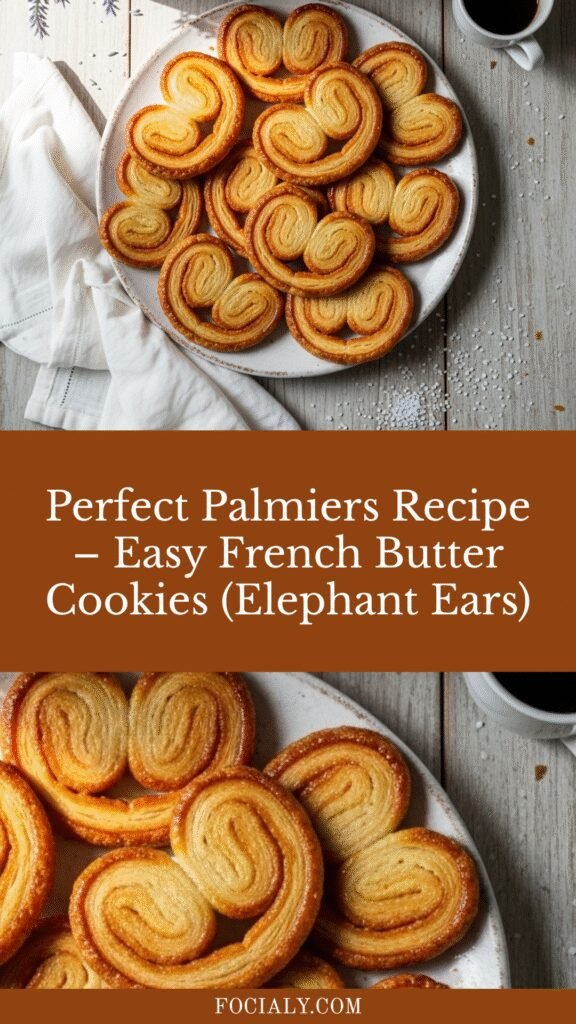
Perfect Palmiers Recipe – Easy French Butter Cookies (Elephant Ears)
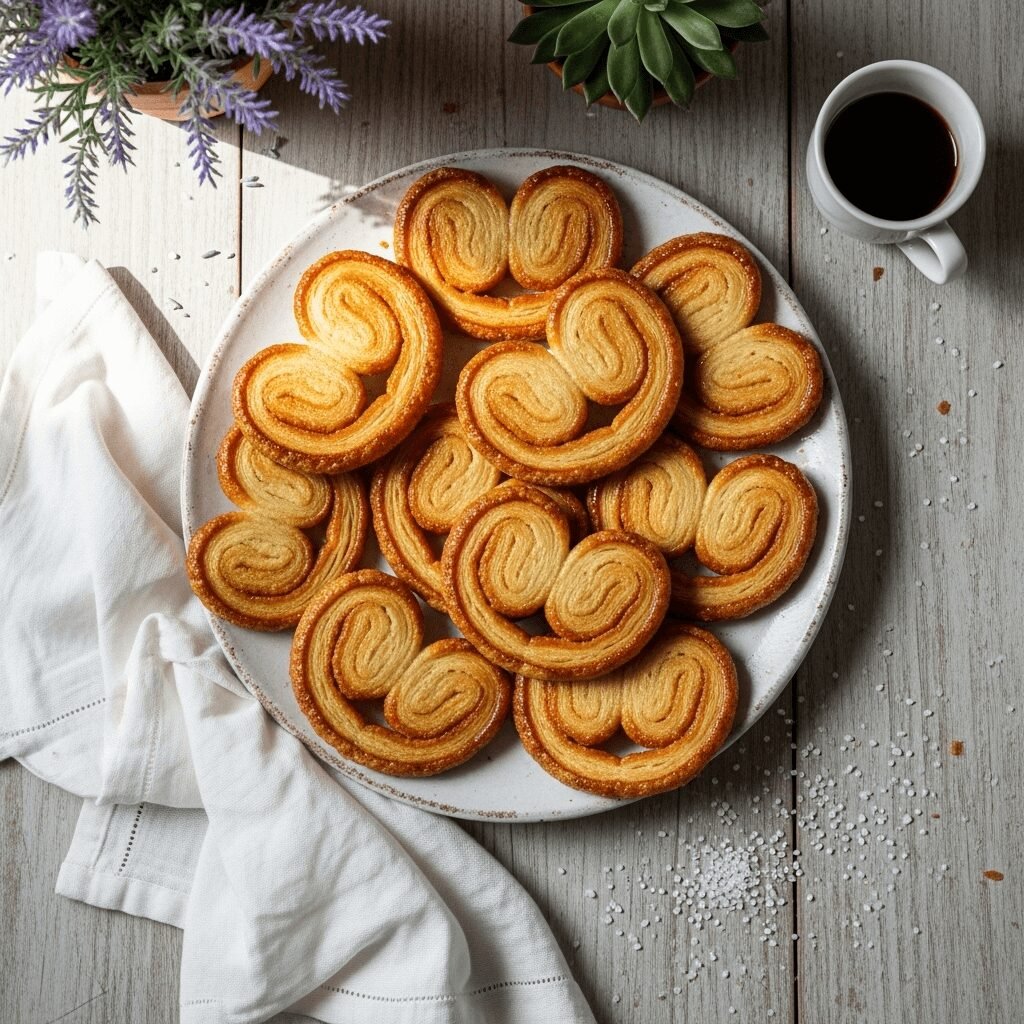
If you’ve ever wandered past a French bakery and been mesmerized by those gorgeous, golden, caramelized pastries in the window, chances are you were admiring palmiers. These delightful French cookies—also affectionately known as “elephant ears” because of their distinctive heart-like shape—are one of those magical recipes that look incredibly impressive but are surprisingly simple to make at home.
Palmiers are crispy, flaky, buttery cookies made from puff pastry that’s been generously coated with sugar and then rolled, sliced, and baked until they transform into caramelized, crunchy spirals of pure deliciousness. They’re perfect for afternoon tea, holiday cookie platters, brunch gatherings, or simply when you want to treat yourself to something special with your morning coffee. The best part? You only need two main ingredients to create these bakery-worthy treats in your own kitchen.
Whether you’re hosting a fancy brunch, need an elegant dessert that won’t keep you in the kitchen for hours, or want to impress your friends with your baking prowess, palmiers are your answer. They strike that perfect balance between sophisticated and accessible—fancy enough for special occasions but easy enough for a random Tuesday when you’re craving something sweet.
History / Background
Palmiers have a rich history rooted in French pâtisserie tradition. The name “palmier” comes from the French word for palm tree, as the cookies’ distinctive shape resembles palm leaves or hearts, depending on how you look at them. In English-speaking countries, they’re often called “elephant ears” due to their similar appearance to the large, floppy ears of elephants.
These pastries originated in France, likely in the early 20th century, though the exact origin story is debated among culinary historians. What we do know is that French bakers have been creating variations of these sugar-crusted puff pastry treats for generations, and the recipe eventually spread throughout Europe and beyond.
The genius of palmiers lies in their simplicity and the French principle of transforming basic ingredients into something extraordinary. French pastry chefs have long understood that butter, flour, and sugar—when handled with the right technique—can create layers of flaky, caramelized perfection. Palmiers represent this philosophy beautifully.
In France, you’ll find palmiers in virtually every bakery and café, often enjoyed with an espresso or as part of an afternoon goûter (snack time). Different regions have developed their own variations over the years, with some adding cinnamon, chocolate, or even savory ingredients like cheese and herbs. The classic sugar-only version remains the most beloved, however, allowing the buttery puff pastry and caramelized sugar to shine through without distraction.
Today, palmiers have become a beloved treat worldwide, appearing in bakeries from New York to Tokyo. Their elegant appearance makes them popular for weddings, showers, and special events, while their ease of preparation has made them a favorite among home bakers who want impressive results without advanced pastry skills.
Why You’ll Love This Recipe
Learning to make palmiers at home is absolutely game-changing. Once you discover how incredibly simple these gorgeous cookies are to create, you’ll wonder why you ever bought them from a bakery. This recipe delivers bakery-quality results with minimal effort and maximum wow factor.
Here’s why you’ll fall in love with homemade palmiers:
- Ridiculously Easy – With just two main ingredients and simple rolling techniques, even beginner bakers can master these impressive cookies
- Minimal Active Time – Most of the “work” is just chilling time; you’ll spend maybe 15 minutes actually working with the dough
- Bakery-Quality Results – Crispy, flaky, caramelized perfection that looks and tastes like they came from an expensive French pâtisserie
- Endlessly Versatile – While classic sugar palmiers are divine, you can easily customize them with cinnamon, chocolate, nuts, or even savory flavors
- Perfect Make-Ahead Treat – Roll and slice them in advance, freeze them unbaked, and pop them in the oven whenever you need fresh-baked cookies
- Budget-Friendly – Puff pastry and sugar cost just a few dollars, yet yield dozens of elegant cookies
- Impressive Presentation – The beautiful spiral shape makes them look far more complicated than they actually are
- Crowd-Pleaser – The combination of buttery, flaky pastry and crunchy caramelized sugar appeals to virtually everyone
- Perfect for Gift-Giving – Package these in clear cellophane bags with ribbon for gorgeous homemade gifts
- No Special Equipment Required – Just a rolling pin, knife, and baking sheet—that’s it!
Ingredient Notes
The beauty of palmiers lies in their simplicity. You truly only need two ingredients to create magic, though having a few extras on hand opens up wonderful customization options.
Puff Pastry – This is your foundation, and I highly recommend using store-bought frozen puff pastry (like Pepperidge Farm) for convenience. High-quality puff pastry contains hundreds of delicate, buttery layers created through a process called lamination. When baked, these layers separate and puff up, creating that signature flaky texture. Always choose all-butter puff pastry if available—it delivers superior flavor and texture compared to versions made with shortening or oil. Thaw your puff pastry in the refrigerator overnight or at room temperature for about 40 minutes. Don’t rush this step by microwaving it, as you’ll compromise the layers.
Granulated Sugar – Regular white sugar is traditional and works beautifully. The sugar does double duty here: it sweetens the cookies while also caramelizing during baking to create that irresistible crunchy, golden exterior. You’ll use quite a bit of sugar—don’t be alarmed! Much of it will fall off during rolling and won’t actually end up in the final cookies. For the most even caramelization, use superfine or caster sugar if you have it, though regular granulated sugar works perfectly well. Some bakers like to add a pinch of fleur de sel or coarse sea salt to the sugar for a sophisticated sweet-salty contrast.
Optional Add-Ins:
- Cinnamon – A classic variation that adds warmth and spice
- Vanilla Extract or Vanilla Sugar – Enhances the overall flavor
- Lemon or Orange Zest – Mixed into the sugar for citrusy brightness
- Chopped Nuts – Finely ground almonds, pecans, or pistachios add texture
- Chocolate – Mini chocolate chips or cocoa powder mixed with sugar create chocolate palmiers
- Cardamom or Nutmeg – For more complex spice flavors
Equipment Needed
One of the best things about making palmiers is that you don’t need any specialized equipment. Here’s everything you’ll need:
- Rolling Pin – A standard rolling pin works perfectly for flattening and shaping the puff pastry
- Large Baking Sheet – You’ll need at least one, preferably two for baking multiple batches
- Parchment Paper or Silicone Baking Mat – Essential for preventing sticking and ensuring even browning
- Sharp Knife or Pizza Cutter – For cleanly slicing the rolled pastry logs
- Ruler or Measuring Tape – Optional but helpful for measuring uniform slices
- Wire Cooling Rack – Allows air circulation so cookies crisp up properly as they cool
- Pastry Brush – Useful if you want to brush on egg wash, though this is optional
- Plastic Wrap – For wrapping the rolled logs before chilling
- Offset Spatula – Helpful for transferring delicate palmiers to the baking sheet
That’s truly all you need! No stand mixer, no special molds, no fancy gadgets required.
PrintPalmier Recipe
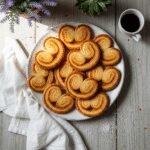
These classic French palmiers (elephant ears) are crispy, flaky, caramelized cookies made from puff pastry and sugar. With just two ingredients and simple techniques, you’ll create bakery-quality treats that are perfect for entertaining, gifting, or enjoying with your afternoon coffee.
- Prep Time: 15 minutes
- Chill Time: 30 minutes
- Cook Time: 15 minutes
- Total Time: 1 hour
- Yield: 24-30 palmiers 1x
- Category: Dessert, Cookies
- Method: Baking
- Cuisine: French
- Diet: Vegetarian
Ingredients
- 1 sheet frozen puff pastry (about 8-9 ounces), thawed according to package directions
- ¾ to 1 cup granulated sugar, divided, plus extra for rolling surface
- Optional: 1 teaspoon ground cinnamon mixed with the sugar
- Optional: pinch of sea salt
Instructions
- Prepare Your Workspace – Clear a clean, dry work surface and sprinkle it generously with about ¼ cup of sugar. This sugar will adhere to the pastry and caramelize during baking, so don’t skip this step.
- Roll the Puff Pastry – Unfold the thawed puff pastry sheet onto your sugared surface. Sprinkle the top of the pastry with another 2-3 tablespoons of sugar. Using your rolling pin, gently roll the pastry into a rectangle approximately 10×12 inches, working from the center outward. The sugar will press into both sides of the dough as you roll. If the pastry becomes too soft or sticky, transfer it to a parchment-lined baking sheet and refrigerate for 10-15 minutes before continuing.
- Create the Folds – Position the pastry so one long side faces you. Sprinkle the top surface with another 2 tablespoons of sugar. Mentally divide the pastry into quarters lengthwise. Tightly roll one long edge toward the center, stopping at the halfway point. Repeat with the opposite long edge, rolling it toward the center until both rolls meet in the middle. You should now have what looks like a scroll or double spiral. Press the two rolls together gently so they hold their shape.
- Chill the Dough – Wrap the rolled pastry log tightly in plastic wrap and refrigerate for at least 30 minutes or up to 2 days. This chilling step is crucial—it firms up the butter in the pastry, making it much easier to slice cleanly and helping the palmiers hold their shape during baking.
- Preheat and Prep – When ready to bake, preheat your oven to 400°F (200°C). Line two baking sheets with parchment paper or silicone baking mats. Spread about 2 tablespoons of sugar on a cutting board or clean work surface.
- Slice the Palmiers – Unwrap the chilled log and place it on your sugared surface. Using a sharp knife, cut the log into ¼-inch to ⅜-inch thick slices. Thinner slices will be crispier; thicker slices will have a bit more chew in the center. Aim for uniform thickness so they bake evenly. You should get about 24-30 palmiers depending on thickness.
- Coat with Sugar – Take each slice and press both flat sides into the sugar on your work surface, coating them generously. This extra sugar creates that irresistible caramelized crust.
- Arrange on Baking Sheets – Place the sugar-coated palmiers on your prepared baking sheets, spacing them about 2-3 inches apart. They will spread considerably during baking, so don’t crowd them. You’ll likely need to bake in two batches unless you have very large baking sheets.
- Bake – Bake for 8 minutes on the middle rack. The bottoms should be golden and caramelized. Remove from the oven and carefully flip each palmier using a spatula (they’ll be very hot and the sugar will be molten, so work carefully). Return to the oven and bake for another 5-7 minutes until the second side is also golden brown and caramelized.
- Cool – Transfer the baking sheet to a wire rack and let the palmiers cool for 2-3 minutes on the sheet—they’ll be too delicate to move immediately. Then carefully transfer them to the wire rack to cool completely. They’ll continue to crisp up as they cool. The caramelized sugar will harden into a gorgeous, crunchy shell.
Notes
- Puff Pastry Temperature: Working with puff pastry at the right temperature is key. It should be cold enough to handle without becoming greasy or sticky, but pliable enough to roll without cracking. If it becomes too warm, refrigerate it briefly.
- Sugar Amount: The amount of sugar may seem excessive, but much of it doesn’t stick to the pastry. The excess creates a non-stick surface and ensures proper caramelization. Don’t reduce the sugar or your palmiers won’t caramelize properly.
- Uniform Slicing: For the most even baking, try to slice all palmiers to the same thickness. A ruler can help if you want to be precise.
- Watch Carefully: Palmiers can go from perfectly golden to burnt quickly due to the sugar content. Stay near the oven during the final minutes of baking.
- Flipping Technique: Use a thin metal spatula to flip the palmiers at the halfway point. Some caramelized sugar may stick to the parchment—this is normal. Gently loosen any stuck bits with your spatula.
Nutrition
- Serving Size: 1 palmier
- Calories: 95
- Sugar: 7g
- Sodium: 45mg
- Fat: 5g
- Saturated Fat: 2g
- Unsaturated Fat: 3g
- Trans Fat: 0g
- Carbohydrates: 11g
- Fiber: 0g
- Protein: 1g
- Cholesterol: 5mg
Note: Nutrition information is approximate and will vary based on specific ingredients used and palmier size.
Tips & Variations
Flavor Variations:
- Cinnamon Sugar Palmiers – Mix 2 teaspoons ground cinnamon with the sugar for classic cinnamon “elephant ears”
- Chocolate Palmiers – Sprinkle mini chocolate chips over the pastry before rolling, or dust with cocoa powder mixed into the sugar
- Citrus Palmiers – Add finely grated lemon, orange, or lime zest to the sugar for bright, aromatic cookies
- Nutty Palmiers – Sprinkle finely chopped pecans, almonds, or hazelnuts over the sugared pastry before rolling
- Cardamom Palmiers – Replace cinnamon with ground cardamom for a Scandinavian twist
- Everything Bagel Palmiers – Skip the sugar entirely and use everything bagel seasoning for savory palmiers perfect for serving with soup or salad
- Cheese Palmiers – Sprinkle grated Parmesan or Gruyère cheese (with a little black pepper) instead of sugar for elegant savory appetizers
- Jam-Filled Palmiers – Spread a thin layer of jam or Nutella over the pastry before rolling for filled cookies
Customization Tips:
- For extra-crispy palmiers, slice them thinner (about ¼ inch)
- For palmiers with a slightly chewy center, slice them thicker (up to ½ inch)
- Brush the rolled log with beaten egg white and roll in coarse sugar before slicing for extra sparkle and crunch
- Add a pinch of flaky sea salt to the sugar for sophisticated sweet-salty palmiers
- Use turbinado or demerara sugar instead of granulated for extra crunch and caramel flavor
Pro Chef Tips
Temperature Control is Everything – Professional bakers know that puff pastry is all about temperature. Keep your pastry cold but pliable. If at any point it becomes too soft or greasy-feeling, immediately transfer it to the refrigerator for 10-15 minutes. Warm pastry will result in less defined layers and greasy cookies.
Don’t Skip the Chilling – That 30-minute chill time after rolling isn’t optional. Chilled pastry slices cleanly without squashing the delicate layers you’ve created. It also ensures the palmiers hold their beautiful shape during baking rather than unrolling or spreading into amorphous blobs.
Roll Tightly – When creating your spirals, roll the pastry as tightly as possible without tearing it. Loose rolls create palmiers with gaps and uneven layers. Think of rolling a tight sleeping bag—firm but not aggressive.
Use Quality Puff Pastry – All-butter puff pastry (like Dufour brand) will give you noticeably better flavor and flakier texture than pastry made with vegetable shortening. It’s worth seeking out at specialty stores or splurging online if you want truly exceptional results.
Watch the Sugar Caramelize – The sugar should turn a deep golden amber color, not pale yellow. That deep caramelization creates complex flavor and the signature crunch. However, there’s a fine line between caramelized and burnt, so don’t walk away from the oven during those final minutes.
Flip with Confidence – When flipping the palmiers at the halfway point, work quickly and decisively. The hot caramelized sugar can burn your fingers, so use a good spatula and don’t hesitate. Some sugar will stick to the parchment—that’s completely normal and nothing to worry about.
Even Spacing Matters – Palmiers spread significantly as the puff pastry releases steam and puffs up. Space them a full 3 inches apart to prevent them from baking into each other. Overcrowding leads to unevenly baked, misshapen cookies.
Common Mistakes to Avoid
Using Warm Puff Pastry – If your pastry is too warm, the butter will melt out during baking rather than creating steam pockets between the layers. This results in greasy, flat palmiers instead of crispy, flaky ones. Solution: Keep your pastry and work environment cool. If needed, chill the pastry between steps.
Cutting with a Dull Knife – A dull knife compresses and smashes the delicate layers of puff pastry rather than slicing cleanly through them. This prevents the layers from separating and puffing properly during baking. Solution: Use a very sharp knife or a pizza cutter for the cleanest cuts. Wipe the blade clean between slices if sugar builds up.
Not Using Enough Sugar – Skimping on sugar means your palmiers won’t caramelize properly and may actually stick to the pan. The sugar creates both flavor and a non-stick barrier. Solution: Use the full amount called for in the recipe, even if it seems like too much. Most of it won’t end up in the cookies anyway.
Opening the Oven Door Repeatedly – Every time you open the oven, the temperature drops significantly. This can prevent proper puffing and caramelization. Solution: Resist the urge to check on them constantly. Wait until the timer indicates they should be ready, then check quickly and flip if needed.
Not Cooling on a Wire Rack – If you leave palmiers on the baking sheet to cool, the bottoms will steam and become soggy instead of staying crispy. Solution: Transfer to a wire rack after just 2-3 minutes so air can circulate around them as they cool and crisp up completely.
Storage & Meal Prep
Room Temperature Storage – Store completely cooled palmiers in an airtight container at room temperature for up to 5 days. Place parchment paper between layers to prevent them from sticking together. They’ll stay crispy for 2-3 days; after that, they may soften slightly but will still taste delicious.
Maintaining Crispness – For the crispiest palmiers, store them in a container with a loosely fitted lid rather than an airtight seal. A little air circulation helps prevent condensation. If they do soften, you can refresh them by placing them in a 300°F oven for 3-4 minutes, then cooling on a wire rack.
Refrigerator Storage – While not necessary for short-term storage, you can refrigerate palmiers in an airtight container for up to 2 weeks. Let them come to room temperature before serving, or warm them briefly in a low oven to restore crispness.
Reheating – To restore freshly-baked texture, place palmiers on a baking sheet and warm in a 300°F oven for 4-5 minutes. Don’t microwave them, as this will make them soggy and chewy instead of crispy and flaky.
Make-Ahead & Freezer Notes
Palmiers are absolutely perfect for make-ahead preparation, which makes them ideal for entertaining or holiday baking.
Make-Ahead Unbaked – After rolling and shaping your palmier log, wrap it tightly in plastic wrap and refrigerate for up to 3 days before slicing and baking. This is perfect when you want fresh-baked cookies but want to prep ahead. Simply slice and bake when ready.
Freezing Unbaked Palmiers – This is my favorite make-ahead method! Roll and shape the log, wrap it in plastic wrap and then aluminum foil, and freeze for up to 3 months. When ready to bake, let the log thaw in the refrigerator for 2-3 hours (or overnight) until you can slice it easily, then proceed with coating in sugar and baking as directed. You can also slice the palmiers before freezing—arrange them on a parchment-lined baking sheet, freeze until solid (about 2 hours), then transfer to a freezer bag. Bake directly from frozen, adding 2-3 minutes to the baking time.
Freezing Baked Palmiers – While fresh is always best, you can freeze fully baked and cooled palmiers for up to 2 months. Place them in a single layer in an airtight container with parchment paper between layers. Thaw at room temperature for 30 minutes, then refresh in a 300°F oven for 4-5 minutes to restore crispness.
Best Reheating Method – Whether from refrigerator or freezer, the best way to serve palmiers is slightly warm from the oven. The gentle heat refreshes the pastry layers and re-melts the caramelized sugar slightly, giving you that just-baked experience. Just don’t overheat them, or the sugar will burn.
Serving Suggestions
Palmiers are incredibly versatile and can be served in numerous delightful ways.
Classic Pairings:
- With Coffee or Tea – The traditional way to enjoy palmiers in France—dunking optional but delicious
- Afternoon Tea Service – Include them on a tiered stand alongside scones, tea sandwiches, and petit fours
- Brunch Spread – Set out a basket of palmiers with fresh fruit, pastries, and breakfast dishes
- Dessert Platter – Arrange palmiers with fresh berries, chocolate truffles, and macarons for an elegant ending to dinner
- Ice Cream Accompaniment – Serve alongside vanilla ice cream or gelato for textural contrast
- Champagne or Prosecco – The delicate sweetness pairs beautifully with sparkling wine for celebrations
Creative Serving Ideas:
- Dust with powdered sugar just before serving for extra elegance
- Serve with a small dish of Nutella or chocolate sauce for dipping
- Arrange on a platter with fresh strawberries and whipped cream
- Include in holiday cookie boxes or tins alongside other treats
- Package individually in cellophane bags tied with ribbon for party favors or gifts
- Serve as an elegant accompaniment to cheese plates—the sweet pastries contrast beautifully with sharp or tangy cheeses
Beverage Pairings: The buttery, caramelized flavor of palmiers pairs wonderfully with coffee, espresso, cappuccino, hot chocolate, Earl Grey tea, chai tea, dessert wines like Sauternes, or sparkling wine.
FAQs Section
Can I use homemade puff pastry instead of store-bought?
Absolutely! If you have the time and skill to make puff pastry from scratch, it will give you incredible results. However, high-quality store-bought all-butter puff pastry (like Dufour or Pepperidge Farm) produces palmiers that are nearly indistinguishable from those made with homemade pastry, so don’t feel obligated to make your own unless you want the experience.
Why did my palmiers unroll or lose their shape during baking?
This usually happens when the pastry wasn’t rolled tightly enough initially, or when it wasn’t chilled adequately before slicing. Make sure you roll the pastry spirals as tightly as possible (without tearing), and always chill the log for at least 30 minutes before slicing. Also, ensure your oven is fully preheated so the pastry sets quickly when it hits the heat.
Can I make palmiers without granulated sugar?
Sugar is essential for palmiers because it provides both sweetness and the caramelized coating that makes them special. However, you can experiment with other types of sugar. Brown sugar, coconut sugar, or turbinado sugar will all work, though they’ll produce slightly different flavors and textures. Avoid sugar substitutes like stevia or erythritol, as they won’t caramelize properly.
How do I prevent the palmiers from sticking to the pan?
Always use parchment paper or a silicone baking mat—never a greased pan, as the sugar will burn and stick. The generous coating of sugar on the palmiers themselves also helps create a barrier between the pastry and the baking surface. If you still experience sticking, you may be baking them too long, causing the sugar to burn rather than caramelize.
Can I make savory palmiers instead of sweet?
Definitely! Savory palmiers are wonderful as appetizers. Skip the sugar entirely and instead sprinkle the pastry with grated Parmesan or Gruyère cheese, black pepper, dried herbs like thyme or rosemary, everything bagel seasoning, or even crumbled cooked bacon. Follow the same rolling, chilling, and baking process. They’re perfect for serving with soup or salads.
My palmiers are chewy instead of crispy—what went wrong?
Chewy palmiers usually result from underbaking or from storing them in a completely airtight container while they’re still warm, which traps steam. Make sure you bake them until deeply golden on both sides, and always cool them completely on a wire rack before storing. If they’ve softened in storage, refresh them in a 300°F oven for a few minutes to restore crispness.
Can I add fillings to palmiers like jam or Nutella?
Yes! Spread a very thin layer (about 1-2 tablespoons) of jam, Nutella, or even softened cream cheese over the sugared pastry before rolling. Be careful not to use too much filling, as it will ooze out during baking and make the palmiers sticky. Fillings will also reduce the crispiness slightly, giving you a slightly softer, chewier cookie.
Conclusion
There’s something truly magical about pulling a tray of golden, caramelized palmiers from your oven and watching friends and family marvel at what you’ve created. These gorgeous French cookies prove that the most impressive treats are often the simplest—just butter, flour, sugar, and a little technique coming together to create something extraordinary.
Whether you’re baking them for a special occasion or simply treating yourself to a little homemade luxury, palmiers never fail to delight. They’re elegant without being fussy, delicious without being overly complicated, and they fill your kitchen with the most incredible aroma while they bake.
I hope this recipe inspires you to try making palmiers at home. Once you discover how easy they are, they’ll become a regular part of your baking repertoire. Perfect for holiday cookie platters, last-minute entertaining, thoughtful homemade gifts, or those moments when you just want something sweet and special with your afternoon coffee.
Ready to create your own batch of these buttery, caramelized beauties? Head to your kitchen and give this recipe a try! I’d love to hear how they turn out for you. Leave a comment below with your results, any creative variations you tried, or questions you have. And if you loved this recipe, please share it on Pinterest so other home bakers can discover the joy of homemade palmiers too. Happy baking, friends! 🥐✨