Creamy Homemade Rice Pudding Recipe – Classic Comfort Dessert

There’s something magical about a bowl of creamy, warm rice pudding that instantly transports you back to childhood. This timeless comfort dessert combines tender rice grains swimming in a luscious, vanilla-scented custard that’s sweetened just right. Whether you’re looking for a cozy weeknight dessert, a nostalgic treat to share with your family, or an impressive make-ahead option for entertaining, this classic rice pudding delivers every single time.
Rice pudding is one of those desserts that feels like a warm hug in a bowl. It’s perfect for chilly evenings when you want something sweet and comforting, Sunday family dinners, holiday gatherings, or even as a special breakfast treat. The beauty of this recipe lies in its simplicity – you probably have all the ingredients in your pantry right now. Plus, it’s incredibly forgiving for beginner cooks while still being sophisticated enough to serve to guests.
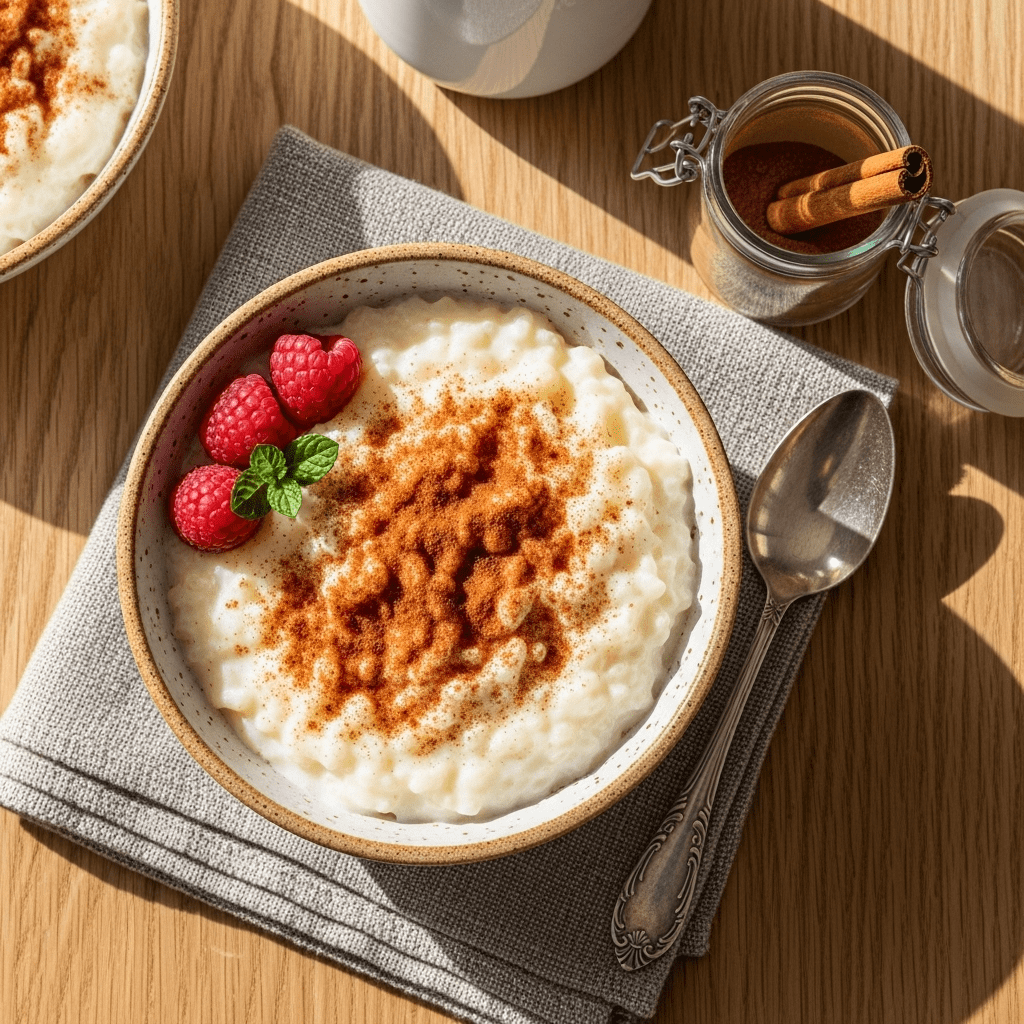
This particular version strikes the perfect balance between creamy and thick, with each spoonful offering a delightful combination of soft rice, rich milk, and aromatic vanilla. You can serve it warm straight from the pot or chilled from the refrigerator – both ways are absolutely delicious. Top it with a sprinkle of cinnamon, fresh berries, or a dollop of whipped cream, and you’ve got yourself a dessert that rivals anything you’d find at a fancy restaurant.
History / Background
Rice pudding has an incredibly rich history that spans continents and cultures, making it one of the world’s oldest and most beloved desserts. The origins of rice pudding can be traced back thousands of years to ancient civilizations that cultivated rice. Historical evidence suggests that rice-based sweet dishes were enjoyed in China as early as the Han Dynasty, while in India, a similar dessert called kheer has been prepared for religious ceremonies for over 2,000 years.
The version of rice pudding we know and love in America has its roots in medieval Europe, particularly England. During the Tudor period, rice was an expensive imported luxury item, and rice pudding was considered a dish for the wealthy. It appeared in cookbooks as early as the 1300s, often flavored with expensive spices like saffron and sweetened with honey or sugar. As trade routes expanded and rice became more accessible, rice pudding evolved from an aristocratic delicacy to a beloved comfort food enjoyed by families across all social classes.
European immigrants brought their rice pudding traditions to America, where the dessert became a staple in home kitchens throughout the 18th and 19th centuries. American homemakers adapted the recipe to use readily available ingredients like cow’s milk, white sugar, and vanilla extract, creating the creamy, comforting version we cherish today. During the Great Depression, rice pudding experienced a surge in popularity because it was an economical way to create a satisfying dessert using basic pantry staples.
Throughout the Southern United States, rice pudding holds a special place in culinary tradition, particularly in regions where rice cultivation was prominent, like South Carolina and Louisiana. Many families have treasured recipes passed down through generations, each with their own special touches – some add raisins, others prefer a hint of nutmeg, and some swear by using condensed milk for extra richness.
What makes rice pudding truly special is its universal appeal. Nearly every culture has its own version: Spanish arroz con leche, Scandinavian risgrynsgröt, Middle Eastern rice pudding with rose water, and Italian budino di riso. This global presence speaks to the dessert’s fundamental comfort and deliciousness. It’s a dish that connects us across borders and generations, proving that simple ingredients combined with care and tradition can create something truly timeless.
Why You’ll Love This Recipe
This homemade rice pudding recipe is about to become your new favorite dessert for so many reasons. First and foremost, it delivers that perfect creamy texture and rich flavor that commercial versions simply can’t match. When you make it from scratch, you control the sweetness level, the texture, and can adjust the flavors to your exact preferences. Plus, there’s something deeply satisfying about stirring a pot of pudding and watching it transform into something magical right before your eyes.
Here’s why this recipe stands out:
- Budget-friendly brilliance – Uses simple, inexpensive ingredients you probably already have in your kitchen. No need for specialty items or exotic ingredients.
- Incredibly easy for beginners – This recipe is foolproof and forgiving. Even if you’ve never made pudding before, you’ll achieve perfect results with basic stirring and patience.
- Flexible serving options – Enjoy it warm, at room temperature, or chilled. Each temperature offers a slightly different experience, all equally delicious.
- Naturally gluten-free – Perfect for guests or family members with gluten sensitivities. No modifications needed.
- Make-ahead friendly – Actually tastes better the next day as the flavors meld together. Perfect for meal prep or entertaining.
- Customizable to your taste – Easy to adapt with different flavors, toppings, and mix-ins. Make it your own signature dessert.
- Crowd-pleaser for all ages – Kids love the creamy sweetness, while adults appreciate the nostalgic comfort and sophisticated vanilla flavor.
- Healthier than many desserts – Provides calcium, protein, and energy from wholesome ingredients without artificial additives or preservatives.
Ingredient Notes
Understanding your ingredients helps you make the best rice pudding possible. Let’s break down what goes into this creamy, dreamy dessert.
Arborio Rice or Medium-Grain White Rice – This is the star of the show. Arborio rice is traditionally used for risotto and releases starch as it cooks, creating that signature creamy texture. Medium-grain white rice works beautifully too and is more budget-friendly. Avoid long-grain rice as it won’t provide the same creaminess. If you only have long-grain rice, it will still work but may require slightly more stirring. You can also use short-grain rice for an even creamier result.
Whole Milk – The foundation of the pudding’s creamy texture. Whole milk (full-fat) is essential for achieving that rich, luxurious consistency. You can substitute with 2% milk if needed, but the result will be slightly less creamy. For an ultra-decadent version, replace one cup of milk with heavy cream. Avoid skim milk as it produces a thin, watery pudding that lacks richness.
Granulated Sugar – Provides the sweetness that balances the creamy dairy. You can adjust the amount to your preference – start with less and add more at the end if desired. Substitute with brown sugar for a deeper, caramel-like flavor, or use coconut sugar for a more natural option. Honey or maple syrup can also work, but add them at the end of cooking to preserve their delicate flavors.
Vanilla Extract – Pure vanilla extract adds warmth and depth to the pudding. This is not the place to skimp – use real vanilla extract, not imitation. For an even more luxurious flavor, use vanilla bean paste or scrape the seeds from one vanilla bean directly into the pudding. The little black specks look beautiful and taste incredible.
Salt – Just a pinch enhances all the other flavors and prevents the pudding from tasting flat. Don’t skip this ingredient even though it seems minor.
Eggs – Adding beaten eggs creates a custard-like richness and helps thicken the pudding beautifully. The eggs must be tempered (gradually warmed) before adding to prevent scrambling. You can omit eggs for a simpler version, though the texture will be less velvety. Use large eggs at room temperature for best results.
Butter – A tablespoon of butter stirred in at the end adds a silky finish and beautiful sheen to the pudding. It also enriches the flavor significantly. Use unsalted butter so you can control the salt level.
Cinnamon (for topping) – The classic finishing touch. Ground cinnamon sprinkled on top is traditional, but you can also use nutmeg, cardamom, or a combination of warm spices.
Equipment Needed
Gathering your equipment before you start makes the cooking process smooth and enjoyable. Here’s what you’ll need for perfect rice pudding:
- Heavy-bottomed medium or large saucepan (3-4 quart capacity) – Essential for even heat distribution and preventing scorching. A heavy bottom is crucial because rice pudding requires gentle, steady heat.
- Wooden spoon or silicone spatula – For frequent stirring. Wooden spoons are traditional and won’t scratch your cookware or conduct heat.
- Measuring cups and spoons – Accurate measurements ensure consistent results every time.
- Whisk – For beating eggs and ensuring they’re smoothly incorporated without lumps.
- Small bowl – For tempering the eggs before adding them to the pudding.
- Fine-mesh strainer (optional but recommended) – For rinsing the rice before cooking, which removes excess starch and prevents gumminess.
- Ladle – Helpful for adding hot milk mixture to eggs during tempering.
- Serving bowls or ramekins – Individual portions look beautiful and make serving easy.
- Plastic wrap or lid – For storing leftovers and preventing a skin from forming on top.
Rice Pudding Recipe

This classic homemade rice pudding is incredibly creamy, perfectly sweet, and flavored with vanilla and cinnamon. It’s a timeless comfort dessert that’s easy to make with simple ingredients you already have in your pantry. Serve it warm or chilled for a delicious treat the whole family will love.
- Prep Time: 5 minutes
- Cook Time: 45 minutes
- Total Time: 50 minutes
- Yield: 6 servings 1x
- Category: Dessert
- Method: Stovetop
- Cuisine: American
- Diet: Gluten Free
Ingredients
- 1 cup Arborio rice or medium-grain white rice
- 4 cups whole milk, divided
- ½ cup granulated sugar
- ¼ teaspoon salt
- 2 large eggs
- 1 tablespoon unsalted butter
- 2 teaspoons pure vanilla extract
- Ground cinnamon, for serving
- Optional toppings: raisins, whipped cream, fresh berries, toasted almonds
Instructions
- Rinse the rice: Place rice in a fine-mesh strainer and rinse under cold water until the water runs clear. This removes excess starch and prevents the pudding from becoming gummy. Drain well and set aside.
- Combine rice and milk: In a heavy-bottomed medium saucepan, combine the rinsed rice, 3½ cups of milk, sugar, and salt. Stir well to combine all ingredients evenly.
- Cook the rice mixture: Place the saucepan over medium heat and bring to a gentle simmer, stirring occasionally to prevent sticking. Once simmering, reduce heat to medium-low and continue cooking, stirring frequently (every 3-4 minutes), for 35-40 minutes. The rice should be tender and the mixture should be thick and creamy. Make sure to stir from the bottom of the pan to prevent scorching.
- Temper the eggs: While the rice is cooking, crack the eggs into a small bowl and beat them with a whisk until smooth. When the rice is nearly done, slowly add the remaining ½ cup of milk to the beaten eggs while whisking constantly. This gradually warms the eggs and prevents them from scrambling.
- Add the egg mixture: Remove the rice pudding from heat. Slowly pour the tempered egg mixture into the rice pudding while stirring constantly with your wooden spoon. The residual heat will cook the eggs and create a rich, custard-like consistency.
- Finish the pudding: Stir in the butter and vanilla extract until the butter is completely melted and incorporated. The pudding will continue to thicken as it cools.
- Serve or chill: Serve the rice pudding warm immediately with a sprinkle of cinnamon on top, or transfer to individual serving bowls, cover with plastic wrap (press it directly onto the surface to prevent a skin from forming), and refrigerate for at least 2 hours for chilled pudding.
- Garnish and enjoy: Before serving, sprinkle with ground cinnamon and add your favorite toppings. Enjoy this comforting, creamy dessert!
Notes
- The pudding will thicken significantly as it cools. If it becomes too thick after refrigeration, stir in a splash of milk to reach your desired consistency.
- For a richer pudding, replace 1 cup of milk with heavy cream.
- Add ½ cup of raisins during the last 10 minutes of cooking if desired.
- Pudding can be stored covered in the refrigerator for up to 4 days.
- For best flavor, use pure vanilla extract rather than imitation vanilla.
Nutrition
- Serving Size: 1 cup (approximately ⅙ of recipe)
- Calories: 285
- Sugar: 22g
- Sodium: 165mg
- Fat: 8g
- Saturated Fat: 4.5g
- Unsaturated Fat: 3g
- Trans Fat: 0g
- Carbohydrates: 45g
- Fiber: 0.5g
- Protein: 9g
- Cholesterol: 85mg
Nutrition information is approximate and calculated without optional toppings.
Tips & Variations
Rice pudding is wonderfully versatile and can be customized in countless ways. Here are some ideas to make this recipe your own:
Chocolate Rice Pudding – Stir in ⅓ cup of cocoa powder with the sugar, and add ½ cup of chocolate chips after removing from heat. This creates a rich, chocolatey version that kids absolutely love.
Coconut Rice Pudding – Replace 2 cups of milk with full-fat coconut milk for a tropical twist. Top with toasted coconut flakes and diced mango for an island-inspired dessert.
Citrus Rice Pudding – Add the zest of one orange or lemon to the milk while cooking for a bright, refreshing flavor. This pairs beautifully with fresh berries.
Chai-Spiced Rice Pudding – Add ½ teaspoon each of ground cardamom, ginger, and a pinch of black pepper along with the cinnamon for a warming, spiced version.
Almond Rice Pudding – Replace vanilla extract with almond extract and fold in ½ cup of toasted sliced almonds before serving.
Maple Rice Pudding – Replace sugar with ⅓ cup pure maple syrup added at the end of cooking for a more natural sweetness with deep caramel notes.
Raisin or Dried Fruit Rice Pudding – Add ½ cup of raisins, dried cranberries, or chopped dried apricots during the last 10 minutes of cooking to plump them up.
Vegan Version – Use coconut milk or almond milk instead of dairy milk, replace eggs with 2 tablespoons of cornstarch mixed with ¼ cup of plant milk, and use vegan butter.
Pro Chef Tips
These professional techniques will take your rice pudding from good to absolutely extraordinary:
Use the right rice – Arborio, medium-grain, or short-grain rice creates the creamiest texture because these varieties release more starch. The starch is what makes the pudding luxuriously creamy without adding flour or cornstarch.
Don’t rush the cooking – Low and slow is the key to creamy rice pudding. Cooking over too-high heat can cause the milk to scorch on the bottom and the rice to cook unevenly. Patience rewards you with silky-smooth results.
Stir frequently but not constantly – Stir every 3-4 minutes to prevent sticking and scorching. Over-stirring can break down the rice grains too much and make the pudding gummy.
Master the tempering technique – Always temper your eggs by gradually warming them with hot liquid before adding to the pudding. This prevents the eggs from scrambling and creates that velvety custard texture. Pour the hot liquid in a thin stream while whisking constantly.
Adjust consistency to preference – Remember that rice pudding thickens as it cools. If you prefer a thinner consistency, cook it slightly less or add a splash more milk. For a thicker, more spoonable pudding, cook it a bit longer until it coats the back of your spoon.
Layer flavors – For deeper vanilla flavor, add a vanilla bean while cooking (remove before serving), then finish with vanilla extract. This creates a more complex, aromatic vanilla profile.
Prevent skin formation – If you’re chilling the pudding, press plastic wrap directly onto the surface before refrigerating. This prevents the unappealing skin that forms when pudding is exposed to air.
Refresh leftovers properly – When reheating or serving chilled pudding that’s become too thick, stir in milk one tablespoon at a time until you reach the desired consistency. Heat gently if warming, stirring constantly.
Common Mistakes to Avoid
Even simple recipes can go wrong if you’re not careful. Here are the most common pitfalls and how to avoid them:
Mistake: Using long-grain rice – Long-grain rice doesn’t release enough starch to create a creamy pudding. It results in a soupy consistency with individual grains that don’t bind together. Always use medium-grain, short-grain, or Arborio rice for the best texture.
Mistake: Not stirring frequently enough – Rice pudding needs regular attention. If you don’t stir every few minutes, the rice and milk can scorch on the bottom of the pan, creating an unpleasant burnt taste throughout the entire batch. Set a timer to remind yourself to stir.
Mistake: Cooking over too-high heat – High heat causes the milk to boil too vigorously, which can make it foam over and create a mess. It also increases the risk of scorching. Keep the heat at medium-low for a gentle, steady simmer.
Mistake: Adding eggs without tempering – Pouring cold beaten eggs directly into hot pudding will cause them to scramble instantly, creating unappetizing egg curds throughout your dessert. Always temper eggs by gradually warming them first.
Mistake: Using low-fat or skim milk – While it might seem like a healthier option, low-fat milk produces thin, watery rice pudding that lacks richness and satisfaction. The fat in whole milk is essential for creating that creamy, luxurious texture. If you want to lighten it slightly, use 2% milk at minimum.
Mistake: Overcooking or undercooking the rice – Undercooked rice will be crunchy and unpleasant, while overcooked rice becomes mushy and breaks down too much. Test the rice after 35 minutes – it should be tender but still hold its shape. Each grain should be soft when you bite into it.
Mistake: Not adjusting consistency after chilling – Rice pudding absorbs liquid as it sits, especially when refrigerated. What seems perfect when warm can become thick and gummy when cold. Always stir in a bit of milk before serving chilled pudding if it’s too thick.
Storage & Meal Prep
Properly storing your rice pudding ensures it stays fresh and delicious for days. Here’s everything you need to know about keeping your dessert at its best:
Refrigerator Storage – Transfer cooled rice pudding to an airtight container or cover individual bowls tightly with plastic wrap. The pudding will keep in the refrigerator for up to 4-5 days. For best results, press plastic wrap directly onto the surface of the pudding before sealing the container to prevent a skin from forming.
Texture Changes – Rice pudding continues to thicken as it sits because the rice absorbs more liquid over time. This is completely normal and easy to fix. When ready to serve, simply stir in milk one tablespoon at a time until you reach your desired consistency. You can add up to ¼ cup of milk to refresh a batch that’s been refrigerated for several days.
Reheating Instructions – To serve chilled pudding warm, transfer the desired portion to a microwave-safe bowl and heat in 30-second intervals, stirring between each interval, until warmed through. Alternatively, reheat gently in a saucepan over low heat, stirring constantly and adding a splash of milk to loosen the consistency. Never reheat on high heat as this can cause the pudding to separate or scorch.
Avoiding Skin Formation – The dreaded pudding skin forms when the surface is exposed to air. To prevent this, always cover the pudding while it’s still slightly warm with plastic wrap pressed directly against the surface, then cover the bowl or container with a lid as well. If a skin does form, simply peel it off before serving – the pudding underneath is perfectly fine.
Meal Prep Tips – Rice pudding is an excellent make-ahead dessert. In fact, many people prefer it the next day after the flavors have had time to meld together. Make it on Sunday evening for easy desserts throughout the week. Portion it into individual containers for grab-and-go snacks or quick desserts. Add toppings fresh when serving rather than storing them with the pudding.
Make-Ahead & Freezer Notes
Rice pudding is one of those wonderful desserts that you can prepare in advance, making it perfect for entertaining or busy weeknight desserts.
Make-Ahead Preparation – This recipe is ideal for making ahead. In fact, rice pudding often tastes even better the next day as the flavors develop and meld together. You can make it up to 3 days before serving. Store it covered in the refrigerator and refresh the consistency with a splash of milk before serving if needed. The vanilla and cinnamon flavors become more pronounced after a day of resting, creating an even more delicious result.
Day-Before Preparation – If you’re serving rice pudding for a dinner party or holiday meal, make it the evening before. Let it cool to room temperature, then cover and refrigerate overnight. About 30 minutes before serving, remove it from the refrigerator and decide whether you want to serve it chilled or reheat it. Prepare your toppings fresh for the best presentation.
Freezer Friendly? – Rice pudding can technically be frozen, but the texture changes significantly. The rice can become slightly grainy and the custard may separate upon thawing. If you do choose to freeze it, use an airtight, freezer-safe container and freeze for up to 2 months. Thaw overnight in the refrigerator.
Best Thawing and Reheating Method – If you’ve frozen rice pudding, thaw it completely in the refrigerator overnight. Once thawed, you’ll likely notice it’s quite thick and possibly slightly separated. Transfer to a saucepan and reheat gently over low heat, whisking constantly and adding ¼ to ½ cup of fresh milk to restore the creamy consistency. The texture won’t be quite as smooth as fresh, but it’s still delicious. Some people prefer to blend thawed rice pudding briefly with an immersion blender to restore smoothness.
Best Practices – For optimal texture and flavor, making rice pudding fresh or refrigerating for a few days is preferable to freezing. However, if you have leftovers you can’t finish within 4-5 days, freezing is better than wasting this delicious dessert.
Serving Suggestions
Rice pudding is delightful on its own, but the right accompaniments and toppings can transform it from simple to spectacular. Here are some wonderful ways to serve this classic dessert:
Classic Toppings – A generous sprinkle of ground cinnamon is traditional and never fails to please. You can also use freshly grated nutmeg, a combination of cinnamon and nutmeg, or a pinch of cardamom for something special. A small pat of butter melting on top of warm pudding is old-fashioned and wonderful.
Fresh Fruit Options – Top with fresh berries like strawberries, blueberries, raspberries, or blackberries. Sliced bananas and a drizzle of honey create a comforting, breakfast-like treat. Diced mango, peaches, or poached pears add elegance for entertaining. Fresh fruit adds brightness and balances the rich creaminess beautifully.
Dried Fruits and Nuts – Raisins are the classic addition, but try dried cranberries, chopped dried apricots, or dried cherries for variety. Toasted sliced almonds, chopped pecans, or walnuts add delightful crunch and nutty flavor. A sprinkle of toasted coconut flakes creates a tropical vibe.
Sauces and Swirls – Drizzle with caramel sauce, chocolate sauce, or berry coulis for an impressive presentation. A spoonful of fruit preserves (raspberry, strawberry, or apricot) stirred through creates beautiful swirls and pockets of intense fruit flavor. Pure maple syrup adds natural sweetness and gorgeous color.
Whipped Cream and Beyond – A dollop of freshly whipped cream (plain or vanilla-flavored) adds luxurious richness. For something different, try a spoonful of mascarpone cheese or crème fraîche. A scoop of vanilla ice cream on warm rice pudding creates a hot-and-cold contrast that’s absolutely divine.
Beverage Pairings – Serve rice pudding alongside hot coffee, chai tea, or English breakfast tea for a cozy dessert experience. A glass of dessert wine like late-harvest Riesling or port complements the creamy sweetness beautifully for adult gatherings. Hot chocolate makes it extra comforting on cold evenings.
Presentation Ideas – Serve in clear glass bowls or vintage teacups to show off the creamy texture. For parties, present in individual ramekins or small mason jars. Layer rice pudding with fruit compote and whipped cream in parfait glasses for an elegant presentation. Garnish with a cinnamon stick or fresh mint leaf for a professional touch.
FAQs Section
Can I use brown rice instead of white rice?
While you can use brown rice, the result will be quite different. Brown rice takes much longer to cook (60-75 minutes instead of 35-40 minutes) and doesn’t release as much starch, so the pudding won’t be as creamy. You’ll also need to add more liquid – about 1-2 extra cups of milk. The pudding will have a nuttier flavor and chewier texture. If you prefer brown rice for health reasons, it can work, but adjust your expectations and cooking time accordingly.
Why is my rice pudding too thin or too thick?
Rice pudding’s consistency depends on cooking time and the rice’s starch release. If it’s too thin, continue cooking for 5-10 more minutes, stirring frequently, until it reaches your desired thickness. Remember it will thicken as it cools. If it’s too thick after cooking or after refrigeration, simply stir in milk a tablespoon at a time until you reach the perfect consistency. The beauty of rice pudding is that you can easily adjust the texture.
Can I make this dairy-free or vegan?
Absolutely! Replace the milk with full-fat coconut milk, oat milk, or cashew milk for a creamy result. Avoid thin plant milks like almond or rice milk as they won’t provide enough richness. Omit the eggs and use 2 tablespoons of cornstarch mixed with ¼ cup of plant milk as a thickener instead. Use vegan butter or coconut oil in place of regular butter. The flavor will be slightly different but still delicious.
How do I prevent the pudding from sticking and burning on the bottom?
Use a heavy-bottomed saucepan which distributes heat evenly and prevents hot spots. Keep the heat at medium-low for a gentle simmer, never high heat. Stir every 3-4 minutes, making sure to scrape the bottom and corners of the pan where rice tends to settle. Don’t walk away from rice pudding for long periods – it needs your attention to prevent scorching.
Can I add raisins or other mix-ins?
Yes! Raisins are a classic addition – add ½ cup during the last 10 minutes of cooking so they plump up nicely. Other great mix-ins include dried cranberries, chopped dried apricots, chocolate chips (add after removing from heat), or chopped nuts. Add mix-ins toward the end of cooking so they don’t interfere with the rice cooking evenly.
My rice pudding has a skin on top – is it ruined?
Not at all! The skin that forms on pudding is just dried surface layer and doesn’t affect the pudding underneath. Simply peel it off and discard it. To prevent skin formation in the future, press plastic wrap directly onto the surface of the pudding before storing. The skin is harmless but unappealing, so prevention is your best strategy.
How do I know when the rice pudding is done?
The rice should be completely tender when you bite into a grain – no chalky center or crunch. The mixture should be thick and creamy, coating the back of your spoon in a thick layer that doesn’t immediately run off. Remember that it will continue to thicken as it cools, so err slightly on the side of looser consistency while cooking. Taste a spoonful – the rice should be soft and the whole mixture should taste cohesive and creamy, not milky and separate.
Conclusion
There you have it – a comprehensive guide to making the most wonderfully creamy, comforting rice pudding right in your own kitchen. This timeless dessert proves that the simplest recipes are often the most satisfying. With just a handful of basic ingredients and a little patience, you can create a dessert that’s been bringing joy to families for centuries.
Whether you serve it warm on a chilly evening, chilled on a summer afternoon, dressed up with fancy toppings for entertaining, or keep it simple with just a sprinkle of cinnamon, this rice pudding is sure to become a beloved staple in your recipe collection. It’s the kind of dessert that creates memories – the sweet treat your kids will remember from childhood, the comforting bowl you’ll reach for when you need a little extra warmth, and the impressive yet easy dessert that makes you look like a kitchen star.
I’d love to hear how your rice pudding turns out! Did you try any of the flavor variations? Do you prefer it warm or chilled? Leave a comment below sharing your experience, and don’t forget to rate the recipe. If you love this recipe as much as I do, please share it with your friends and save it to your Pinterest boards so you can find it easily whenever a rice pudding craving strikes. Happy cooking, and enjoy every creamy, dreamy spoonful!