Authentic Tiramisu Recipe: The Classic Italian Dessert Made Easy at Home

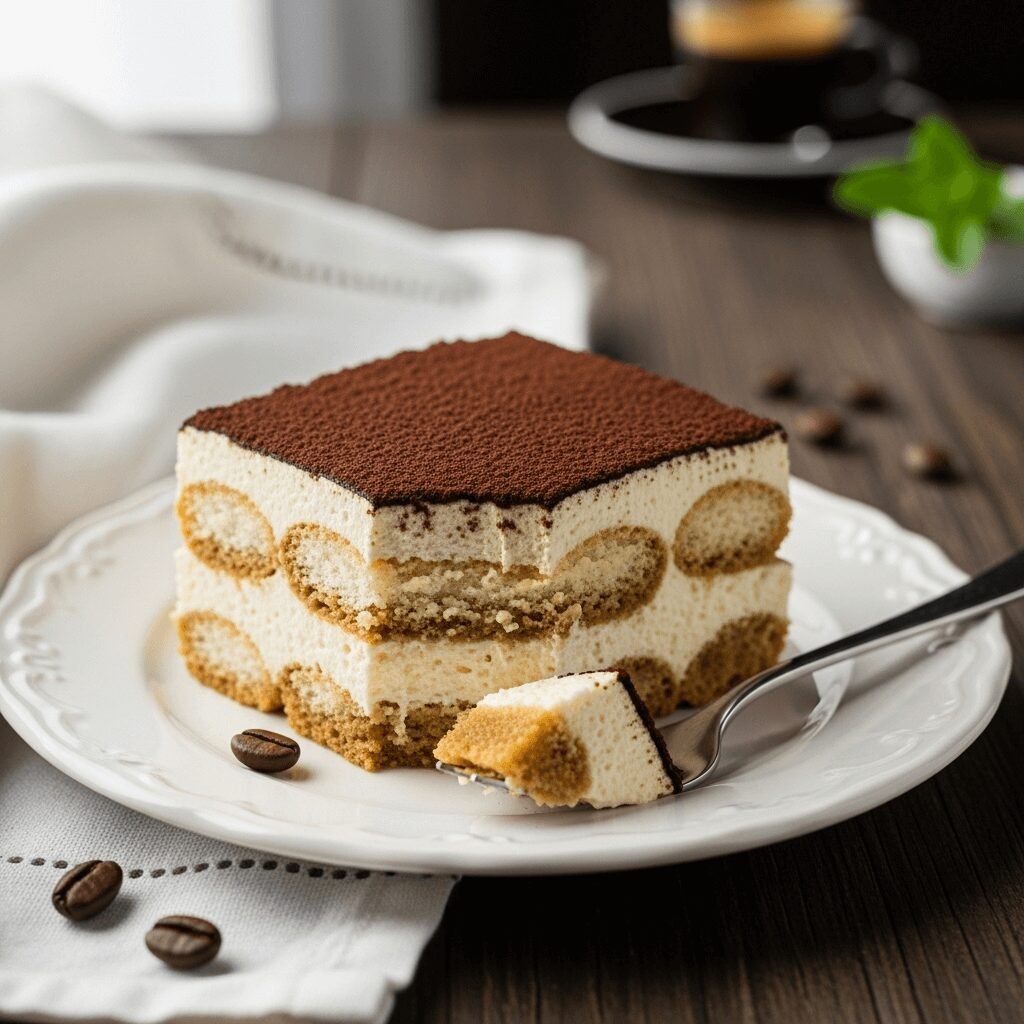
Close your eyes and imagine the most decadent Italian dessert you’ve ever tasted—layers of espresso-soaked ladyfinger cookies, clouds of sweet mascarpone cream, and a generous dusting of cocoa powder that ties it all together. That’s tiramisu, Italy’s most beloved dessert export and a showstopper that’s surprisingly simple to make at home.
The name “tiramisu” literally translates to “pick me up” or “lift me up” in Italian, and one bite will tell you exactly why. The combination of rich mascarpone cheese, strong espresso, a hint of liqueur, and delicate ladyfingers creates a flavor and texture experience that’s simultaneously light and indulgent, sophisticated and comforting.
This authentic tiramisu recipe brings the flavors of an Italian café right to your kitchen. Despite its elegant appearance and complex flavor profile, tiramisu requires no baking, no complicated techniques, and comes together in about 30 minutes of active work. It’s the perfect make-ahead dessert for dinner parties, holiday celebrations, romantic dinners, Italian-themed gatherings, or any time you want to impress guests (or treat yourself) with something truly special. The best part? It actually tastes better after sitting overnight in the refrigerator, making it ideal for stress-free entertaining.
History / Background
Tiramisu’s history is as layered and complex as the dessert itself, with several Italian regions claiming to be its birthplace. While the exact origin remains deliciously disputed, most food historians agree that tiramisu as we know it today was created relatively recently—sometime in the 1960s or early 1970s—making it a surprisingly modern classic.
The most widely accepted origin story credits the creation of tiramisu to the Veneto region of northeastern Italy, specifically to a restaurant called Le Beccherie in Treviso. According to this account, chef Roberto Linguanotto and restaurant owner Ado Campeol developed the dessert in 1969, inspired by traditional Venetian desserts and the desire to create something new and exciting. The restaurant’s matriarch, Alba Campeol, suggested the name “tiramisu” for its energizing properties—the combination of coffee, sugar, and eggs was thought to provide a delightful boost.
However, other regions have their own claims to tiramisu fame. Some insist it originated in Siena in the 1600s, created to honor the visit of Cosimo III de’ Medici, the Grand Duke of Tuscany. This earlier version, called “zuppa del duca” (the duke’s soup), supposedly featured similar ingredients but in a simpler preparation. Others trace tiramisu’s roots to the bordellos of Treviso, where it was allegedly served to patrons as an aphrodisiac and energy booster—a risqué origin story that adds to the dessert’s mystique.
Regardless of its exact beginnings, tiramisu exploded in popularity throughout Italy during the 1980s and quickly spread across the globe. By the 1990s, it had become a staple on Italian restaurant menus worldwide and a symbol of Italian culinary sophistication. The dessert’s appeal lies in its perfect balance—the bitterness of espresso and cocoa offset by sweet mascarpone, the soft texture of soaked ladyfingers providing contrast to the creamy filling, and the subtle warmth of liqueur tying everything together.
Traditional tiramisu recipes use raw eggs, which was common in Italian home cooking and considered safe with fresh, high-quality eggs. However, modern food safety concerns have led to variations using pasteurized eggs, cooked egg custards, or egg-free versions. The classic recipe remains beloved for its simplicity and the way it showcases quality Italian ingredients—proof that sometimes the best dishes need nothing more than excellent ingredients and proper technique.
Why You’ll Love This Recipe
This isn’t just another tiramisu recipe—it’s an authentic Italian preparation that’s been adapted for the American home kitchen with safety and ease in mind, without compromising on flavor or texture. I’ve perfected this recipe to give you that restaurant-quality result every single time.
Here’s why this tiramisu will become your signature impressive dessert:
- No Baking Required: Completely assembly-based with no oven needed—perfect for hot weather or when your oven is occupied
- Authentic Italian Flavor: Tastes exactly like what you’d find in a Roman café, with that perfect balance of coffee, cream, and cocoa
- Safer Preparation: Uses a gentle heating method for the eggs that maintains that silky texture while addressing food safety concerns
- Make-Ahead Perfection: Actually improves overnight as the flavors meld, making it ideal for entertaining without day-of stress
- Impressive Yet Easy: Looks like a complicated fancy dessert but comes together with straightforward techniques anyone can master
- Crowd-Pleasing: That magical combination of coffee and cream appeals to virtually everyone, making it perfect for gatherings
- Customizable: Easy to adapt with different liqueurs, make kid-friendly, or adjust coffee intensity to your preference
- Restaurant-Quality at Home: Create that $12-per-slice Italian dessert for a fraction of the cost using simple ingredients
- Perfect Texture Every Time: Detailed instructions ensure you get that ideal balance of creamy, soft, and structured layers
- Great for Special Occasions: Elegant enough for holidays, anniversaries, and dinner parties but simple enough for weekend treating
Ingredient Notes
Tiramisu’s beauty lies in the quality of its simple ingredients. Here’s what you need to know about each component:
FOR THE MASCARPONE CREAM:
Mascarpone Cheese (16 oz, two 8-oz containers): This is the heart and soul of tiramisu—a rich, creamy Italian cheese with a texture similar to cream cheese but much lighter and sweeter. Mascarpone is essential for authentic flavor; don’t substitute with cream cheese (it’s too tangy) or whipped cream (too light). Find it in the specialty cheese section of most supermarkets. Must be at room temperature for smooth mixing.
Large Eggs (6, separated): Provide structure and that silky, custard-like texture. The yolks create richness while the whites add lightness when whipped. We’ll gently heat the yolks with sugar for food safety while maintaining that classic texture. Use the freshest eggs possible, and bring them to room temperature for easier separation and better volume when whipping.
Granulated Sugar (¾ cup, divided): Sweetens both the yolk mixture and the whipped egg whites. The sugar also helps stabilize the egg whites when whipped, creating that characteristic fluffy texture.
Heavy Cream (1 cup, cold): Adds extra richness and helps stabilize the mascarpone mixture, making it easier to spread and creating a more luxurious mouthfeel. Must be cold for proper whipping. Don’t substitute with half-and-half or milk.
Pure Vanilla Extract (1 teaspoon): Enhances all the other flavors and adds depth. Pure vanilla is worth it here for the best flavor.
FOR THE COFFEE MIXTURE:
Strong Espresso or Coffee (1½ cups, cooled): The “pick me up” element that gives tiramisu its name and distinctive flavor. Espresso is traditional and provides the most authentic taste, but strong brewed coffee works perfectly. It must be completely cooled before using, or it will make your ladyfingers soggy and mushy. Instant espresso powder dissolved in hot water works great too.
Coffee Liqueur or Dark Rum (¼ cup): Adds depth, warmth, and that adult sophistication. Kahlúa is the most common choice, but Marsala wine is traditional in Italy. Dark rum provides warmth without coffee flavor. For alcohol-free tiramisu, simply omit or replace with additional coffee or a splash of vanilla extract.
Granulated Sugar (2 tablespoons): Just a touch to slightly sweeten the coffee mixture and balance the bitterness.
FOR ASSEMBLY:
Ladyfinger Cookies/Savoiardi (about 40-48 cookies, two 7-oz packages): These crisp, sponge-like Italian cookies are designed to absorb liquid while maintaining some structure. Savoiardi are essential—don’t substitute with soft ladyfingers or other cookies. Find them in the international aisle or bakery section. Italian imports work best.
Unsweetened Cocoa Powder (for dusting, about ¼ cup): The finishing touch that adds bittersweet chocolate flavor and that classic tiramisu appearance. Use good quality unsweetened cocoa—Dutch-process creates a darker color and mellower flavor, while natural cocoa is more acidic and lighter.
Dark Chocolate (for shaving, optional): Adds an extra touch of elegance and chocolate flavor. Use a vegetable peeler on a chocolate bar for easy curls.
Equipment Needed
No special equipment required for this Italian classic—just basic kitchen tools:
- 9×13 inch Baking Dish or Pan: The traditional size for layered tiramisu. A glass or ceramic dish is ideal for pretty presentation.
- Double Boiler or Heat-Safe Bowl + Saucepan: For gently heating the egg yolk mixture. If you don’t have a double boiler, a metal or glass bowl set over a pot of simmering water works perfectly.
- Electric Mixer (Hand or Stand): Essential for whipping egg whites to stiff peaks and beating the mascarpone mixture. While technically possible by hand, an electric mixer saves significant time and effort.
- Large Mixing Bowls (3-4): For egg yolks, egg whites, mascarpone mixture, and coffee mixture.
- Whisk: For stirring the egg yolk mixture while heating and combining ingredients.
- Rubber Spatula: For folding ingredients together gently and scraping bowls clean.
- Shallow Dish or Pie Plate: For dipping the ladyfingers in coffee mixture. Should be wide enough to fit a cookie comfortably.
- Fine-Mesh Sieve or Sifter: For dusting the cocoa powder evenly over the top.
- Measuring Cups and Spoons: Accuracy matters in desserts!
- Instant-Read Thermometer (Optional but Helpful): To ensure your egg mixture reaches the safe temperature of 160°F.
- Plastic Wrap or Aluminum Foil: To cover the tiramisu while it chills.
Tiramisu Recipe

Authentic Italian tiramisu with layers of espresso-soaked ladyfingers and silky mascarpone cream. This classic recipe uses a safe heating method for the eggs while maintaining that traditional rich, creamy texture. The perfect make-ahead dessert that actually tastes better overnight—ideal for impressing guests at dinner parties, holidays, or any special occasion.
- Prep Time: 30 minutes
- Cook Time: 10 minutes (heating egg mixture)
- Total Time: 10 minutes (heating egg mixture)
- Yield: 12 servings 1x
- Category: Dessert
- Method: No Bake (with brief heating step)
- Cuisine: Italian
- Diet: Vegetarian
Ingredients
ScaleFOR THE MASCARPONE CREAM:
- 6 large eggs, separated, at room temperature
- ¾ cup granulated sugar, divided (½ cup for yolks, ¼ cup for whites)
- 16 oz (two 8-oz containers) mascarpone cheese, at room temperature
- 1 cup heavy whipping cream, cold
- 1 teaspoon pure vanilla extract
- Pinch of salt
FOR THE COFFEE MIXTURE:
- 1½ cups strong espresso or coffee, completely cooled
- ¼ cup coffee liqueur (Kahlúa), dark rum, or Marsala wine
- 2 tablespoons granulated sugar
FOR ASSEMBLY:
- 40-48 Italian ladyfinger cookies (Savoiardi), about two 7-oz packages
- ¼ cup unsweetened cocoa powder, for dusting
- Dark chocolate shavings, for garnish (optional)
Instructions
PREPARE THE EGG YOLK MIXTURE:
- Set Up Double Boiler: Fill a medium saucepan with 1-2 inches of water and bring to a gentle simmer over medium heat. Place a heat-safe glass or metal bowl on top, making sure the bottom doesn’t touch the water.
- Combine Yolks and Sugar: Separate your eggs, placing yolks in the heat-safe bowl and whites in a separate large clean bowl (save for later). Add ½ cup sugar to the yolks and whisk vigorously for about 1 minute until the mixture is pale yellow and slightly thickened.
- Heat the Mixture: Place the bowl over the simmering water (creating your double boiler). Whisk constantly for 5-8 minutes until the mixture thickens, becomes fluffy, and reaches 160°F on an instant-read thermometer. It should coat the back of a spoon and form ribbons when you lift the whisk. This step pasteurizes the eggs for food safety.
- Cool Down: Remove the bowl from heat and continue whisking for another minute to cool slightly. Let it cool to room temperature, whisking occasionally, about 10-15 minutes. You can speed this up by setting the bowl over an ice bath and whisking constantly.
MAKE THE MASCARPONE CREAM:
- Beat Mascarpone: In a large bowl, beat the room-temperature mascarpone cheese with an electric mixer on medium speed for 1-2 minutes until smooth and creamy with no lumps.
- Combine with Egg Yolks: Once the egg yolk mixture has cooled to room temperature, add it to the mascarpone along with the vanilla extract. Beat on medium speed for 2-3 minutes until completely smooth, light, and fluffy. Set aside.
- Whip the Cream: In another bowl, whip the cold heavy cream with clean beaters on medium-high speed until stiff peaks form, about 3-4 minutes. The cream should hold its shape firmly.
- Whip the Egg Whites: In the bowl with your reserved egg whites, add a pinch of salt and beat on medium speed until foamy. Gradually add the remaining ¼ cup sugar while beating, then increase speed to high and whip until stiff, glossy peaks form, about 3-5 minutes. Don’t overbeat or they’ll become grainy.
- Fold Everything Together: Gently fold the whipped cream into the mascarpone mixture using a rubber spatula, using wide sweeping motions from the bottom up. Then gently fold in the whipped egg whites in two additions. Fold just until no white streaks remain—overmixing will deflate the airiness. The mixture should be light, fluffy, and cloud-like.
PREPARE COFFEE MIXTURE:
- Mix Coffee Dipping Liquid: In a shallow dish or pie plate, combine the cooled espresso or coffee, coffee liqueur (or chosen alcohol), and 2 tablespoons sugar. Stir until the sugar dissolves completely. Taste and adjust sweetness if needed.
ASSEMBLE THE TIRAMISU:
- First Layer of Ladyfingers: Working with one cookie at a time, quickly dip a ladyfinger into the coffee mixture for about 1-2 seconds per side. You want them moistened but not soggy—they should still hold their shape. Immediately place the dipped ladyfinger in your 9×13 inch dish. Repeat until you have a complete layer covering the bottom (you’ll use about 20-24 cookies depending on how you arrange them). It’s okay if you need to break some cookies to fill gaps.
- First Layer of Cream: Spread half of the mascarpone cream mixture over the ladyfinger layer, using a spatula to spread it evenly all the way to the edges. Smooth the top.
- Second Layer of Ladyfingers: Repeat the dipping process with remaining ladyfingers, creating a second complete layer over the cream. You may need to trim or break cookies to fit perfectly.
- Final Cream Layer: Spread the remaining mascarpone cream over the second layer of ladyfingers, smoothing it into an even layer. Make sure you cover all the cookies completely.
- Dust with Cocoa: Using a fine-mesh sieve, generously dust the entire top surface with unsweetened cocoa powder. Create an even layer—don’t be shy with it! If desired, add chocolate shavings for extra elegance.
CHILL:
- Refrigerate: Cover the dish tightly with plastic wrap (you can press it gently on the surface or tent it just above to avoid disturbing the cocoa). Refrigerate for at least 4 hours, but preferably overnight (8-12 hours) for the best flavor and texture. The wait is worth it as the flavors meld and the cookies soften perfectly.
SERVE:
- Slice and Serve: When ready to serve, cut into 12 squares using a sharp knife (dip the knife in hot water and wipe clean between cuts for the cleanest slices). Dust each piece with an additional sprinkle of cocoa powder if desired. Serve chilled and enjoy the compliments!
Notes
Room Temperature Ingredients are Crucial: Mascarpone must be at room temperature or it will be lumpy and difficult to mix. Cold mascarpone will also deflate your whipped cream and whites. Let it sit out for 1-2 hours before starting.
The Dipping Technique: This is critical! Dip ladyfingers quickly—about 1-2 seconds per side. If you soak them too long, they’ll fall apart and your tiramisu will be mushy. They should be moistened but still hold their shape.
Safety First: Heating the egg yolks to 160°F pasteurizes them, making this recipe safe for everyone including pregnant women and those with compromised immune systems. Don’t skip this step or cut the heating time short.
Alcohol is Optional: The liqueur adds depth and is traditional, but you can omit it entirely for a family-friendly version or replace it with more coffee, a splash of vanilla extract, or even amaretto extract for flavor.
Make It the Day Before: Tiramisu actually tastes better after sitting overnight as the flavors meld and the layers set perfectly. It’s the ultimate make-ahead dessert for entertaining.
Leftover Egg Whites: If you have extra egg whites after assembly, save them for making meringues, angel food cake, or adding to your morning eggs for extra protein!
Nutrition
- Serving Size: 1 piece (1/12 of recipe)
- Calories: 380
- Sugar: 380
- Sodium: 85g
- Fat: 24g
- Saturated Fat: 13g
- Unsaturated Fat: 9g
- Trans Fat: 0g
- Carbohydrates: 32g
- Fiber: 1g
- Protein: 8g
- Cholesterol: 185mg

Tips & Variations
Flavor Variations:
- Chocolate Tiramisu: Add ¼ cup unsweetened cocoa powder to the mascarpone mixture and layer with chocolate shavings between layers
- Amaretto Tiramisu: Replace the coffee liqueur with amaretto for an almond-flavored Italian twist
- Limoncello Tiramisu: Use limoncello instead of coffee liqueur and reduce coffee strength for a lighter, citrus-forward version
- Strawberry Tiramisu: Layer with sliced fresh strawberries and replace half the coffee with strawberry syrup
- Pumpkin Spice Tiramisu: Add ½ cup pumpkin puree and 1 teaspoon pumpkin pie spice to the mascarpone mixture for fall
- Mint Chocolate Tiramisu: Add ½ teaspoon peppermint extract to the mascarpone and layer with crushed peppermint candies
Coffee Adjustments:
- Stronger Coffee Flavor: Use straight espresso without diluting, or add 1-2 tablespoons instant espresso powder to boost intensity
- Milder Coffee: Use half coffee, half milk or use decaf for those sensitive to caffeine
- No Coffee Version: Replace entirely with hot chocolate or chocolate milk (cooled) for kids
Dietary Adaptations:
- Alcohol-Free: Simply omit the liqueur and use all coffee, or add an extra teaspoon of vanilla extract for depth
- Lower Sugar: Reduce sugar in the yolk mixture to ⅓ cup and in the whites to 2 tablespoons—it will still be delicious
- Lighter Version: Use light mascarpone (if available) and reduce heavy cream to ½ cup, though texture will be less rich
Presentation Variations:
- Individual Servings: Layer in wine glasses, mason jars, or small glass bowls for elegant single portions
- Round Tiramisu: Use a springform pan instead of rectangular dish for a cake-like presentation
- Tiramisu Trifle: Layer in a clear trifle bowl to show off the beautiful layers
- Mini Tiramisu Cups: Use shot glasses or small dessert cups for bite-sized party servings
Pro Chef Tips
The Temperature Balance: Having your mascarpone and egg yolk mixture at room temperature while keeping your cream cold is essential. This temperature difference ensures proper whipping and folding without deflating your carefully created airiness.
Whip to the Right Consistency: Your egg whites should form stiff, glossy peaks that stand straight up when you lift the beaters. Under-whipped whites won’t provide enough structure; over-whipped whites will be grainy and difficult to fold in smoothly.
The Gentle Fold Technique: When folding in the whipped cream and egg whites, use wide, sweeping motions from the bottom of the bowl up and over. Rotate the bowl as you fold. Stop as soon as no white streaks remain—overmixing deflates all those air bubbles you worked so hard to create.
Quality Coffee Matters: Since coffee is a primary flavor, use good quality beans and brew it strong. The coffee should taste great on its own—if you wouldn’t drink it, don’t use it in tiramisu. Cool it completely before using or you’ll end up with soggy cookies.
The Two-Second Rule: When dipping ladyfingers, count “one-Mississippi, two-Mississippi” and pull it out. The cookies should be moistened but still firm enough to handle without falling apart. Err on the side of less soaking rather than more.
Even Cream Distribution: Use an offset spatula to spread the mascarpone cream, and make sure you go all the way to the edges of the pan. This prevents dry spots and ensures every bite has that perfect ratio of cream to cookie.
The Cocoa Dust Technique: For that professional look, place cocoa powder in a fine-mesh sieve and tap it gently over the surface, moving it around to create an even layer. This prevents clumps and gives you that restaurant-quality finish.
Patience Pays Off: While technically edible after 4 hours, tiramisu reaches its peak after 8-24 hours in the refrigerator. The cookies fully soften, the flavors marry beautifully, and the texture becomes perfectly creamy. Make it the day before for best results.
Common Mistakes to Avoid
Using Cold Mascarpone: This is the #1 mistake! Cold mascarpone will be lumpy, difficult to mix, and will deflate your whipped cream when you try to fold it in. Always bring mascarpone to room temperature—let it sit out for 1-2 hours before starting. There are no shortcuts here.
Over-Soaking the Ladyfingers: Soggy ladyfingers equal mushy tiramisu. These cookies are designed to absorb liquid, so a quick 1-2 second dip per side is all you need. They’ll continue softening as the tiramisu sits in the refrigerator. When in doubt, under-soak rather than over-soak.
Not Heating the Eggs Properly: Skipping the heating step or not reaching 160°F leaves raw eggs in your dessert, which poses food safety risks. Use an instant-read thermometer to ensure you’ve reached the safe temperature. The mixture should coat the back of a spoon and form ribbons.
Deflating the Whipped Components: Once you’ve whipped your cream and egg whites to perfect peaks, handle them gently. Aggressive stirring or using a whisk instead of folding with a spatula will knock out all the air, resulting in a dense, flat cream layer instead of light and fluffy.
Using the Wrong Cookies: Soft ladyfingers or other cookies won’t work—you need authentic crisp Italian Savoiardi. They have the right texture and absorbency. Regular sponge cake or soft ladyfingers will turn into complete mush.
Skipping the Chill Time: Tiramisu needs time for the flavors to meld and the cookies to properly soften. Cutting into it too early results in soupy cream that doesn’t hold its shape and cookies that are still too firm or falling apart. Give it at least 4 hours, preferably overnight.
Not Separating Eggs Carefully: Even a tiny bit of egg yolk in your egg whites will prevent them from whipping properly. Use clean bowls and careful technique when separating. If you get yolk in the whites, start fresh—it’s worth it.
Storage & Meal Prep
Refrigerator Storage: Tiramisu keeps beautifully in the refrigerator for up to 3-4 days when properly stored. Cover the dish tightly with plastic wrap or transfer to an airtight container. The flavor actually continues to develop over the first 2 days, making leftovers (if you have any!) even more delicious.
Best Storage Container: If you made tiramisu in a 9×13 dish, simply cover it tightly with plastic wrap. For individual servings in jars or glasses, cover each one with plastic wrap or lids. The key is preventing it from absorbing refrigerator odors and keeping the top from drying out.
Maintaining Freshness: The cocoa powder topping can sometimes get slightly damp in the fridge. For the freshest presentation, you can scrape off the top layer of cocoa and re-dust just before serving. Store extra cocoa powder in an airtight container at room temperature.
Serving from Cold: Tiramisu is meant to be served chilled, straight from the refrigerator. Unlike many desserts, you don’t want it to come to room temperature—the cream softens too much and the cookies can become overly soggy.
Individual Portion Advantages: If you made individual servings in jars, they store perfectly and make for easy grab-and-go desserts throughout the week. They also travel well to potlucks or parties—just keep them cold in a cooler with ice packs.
After Serving: If you’ve cut pieces and they’ve sat out during dinner, return the remaining tiramisu to the refrigerator within 2 hours. The mascarpone and eggs need to stay cold for food safety.
Make-Ahead & Freezer Notes
Make-Ahead Timing (Refrigerator): Tiramisu is the ultimate make-ahead dessert! In fact, I always recommend making it at least one day before serving—ideally 24 hours ahead. This gives the flavors time to meld beautifully and the layers to set perfectly. You can make it up to 2 days in advance with excellent results.
The 3-Day Make-Ahead Sweet Spot: While tiramisu keeps for 3-4 days, it’s at its absolute best between 24-72 hours after assembly. The first day allows flavors to develop, but by day 3-4, the cookies can become slightly too soft for some people’s taste (though still delicious).
Freezing Whole Tiramisu: Yes, tiramisu freezes surprisingly well! After assembly and the initial 4-hour chill (or overnight), cover the dish tightly with plastic wrap, then wrap again with aluminum foil to prevent freezer burn. Freeze for up to 1 month. The texture may be very slightly different after freezing (a bit more dense), but it’s still delicious.
Freezing Individual Portions: This is my preferred method! Make individual servings in freezer-safe jars or containers, chill completely, then cover tightly and freeze. You can pull out just what you need and always have impressive dessert on hand. Freeze for up to 1 month.
Thawing Instructions: Always thaw tiramisu in the refrigerator, never at room temperature. Transfer from freezer to fridge and let thaw overnight (8-12 hours) for whole tiramisu, or 4-6 hours for individual portions. Once thawed, it will keep in the refrigerator for another 2 days.
Cocoa Powder Timing: If freezing, I recommend adding the final cocoa powder dusting after thawing rather than before freezing. The cocoa can sometimes absorb moisture during freezing and thawing, becoming slightly gummy. Dust fresh cocoa on just before serving for the best presentation.
Components Make-Ahead: You can also prepare components ahead and assemble later. Make the mascarpone cream mixture and store covered in the refrigerator for up to 1 day. Make the coffee mixture and store in the fridge for up to 3 days. Then dip and assemble when you’re ready.
Assembly Day Strategy: If making for a party, assemble the tiramisu in the morning or the night before. Cover and refrigerate. Add the final cocoa dusting 2-4 hours before serving so it looks fresh and doesn’t get overly moist.
Serving Suggestions
Tiramisu is a complete dessert on its own, but these accompaniments and pairings take the experience to another level:
Beverage Pairings:
- Espresso or Coffee: The classic pairing—serve strong espresso alongside to complement and intensify the coffee flavors
- Dessert Wine: Vin Santo (Italian holy wine) is traditional and heavenly with tiramisu; also try Moscato d’Asti or Port
- Italian Liqueurs: Small glasses of Amaretto, Limoncello, or Frangelico continue the Italian theme
- Hot Tea: Earl Grey or chamomile tea provides a lighter option that still complements the rich dessert
- Irish Coffee: For a special occasion, this boozy coffee drink is a natural match
- Sparkling Wine: Prosecco or Champagne cuts through the richness beautifully for celebrations
Garnish Ideas:
- Fresh raspberries or strawberries on the side for fruity brightness
- Extra chocolate shavings or curls on top for added elegance
- Amaretti cookies served alongside for extra crunch and almond flavor
- Fresh mint leaves for a pop of color and subtle aroma
- Candied orange peel for a traditional Italian finishing touch
- Chopped toasted hazelnuts for texture contrast
Complete Italian Dinner: Tiramisu makes the perfect ending to an Italian feast:
- Start with bruschetta or antipasto platter
- Serve pasta course (carbonara, cacio e pepe, or marinara)
- Follow with Italian main (chicken Marsala, osso buco, or eggplant parmesan)
- Finish with your spectacular tiramisu
Breakfast or Brunch Option: Yes, really! In Italy, tiramisu is sometimes enjoyed with morning coffee:
- Serve smaller portions alongside cappuccino or latte
- Pair with fresh fruit salad for balance
- Offer with Italian pastries like biscotti for dunking in coffee
Party Presentation:
- Cut into small squares for a dessert buffet
- Serve individual portions in clear glasses to show off the layers
- Create a tiramisu bar with different topping options (berries, chocolate sauce, whipped cream)
- Offer with small spoons for easy eating while mingling
Seasonal Serving:
- Summer: Serve with fresh berries and iced coffee
- Fall: Pair with warm apple cider or spiced tea
- Winter: Accompany with hot chocolate or peppermint schnapps
- Spring: Garnish with edible flowers and serve with Prosecco
FAQs Section
Q: Can I make tiramisu without raw eggs?
A: Absolutely! This recipe already addresses that concern by heating the egg yolk mixture to 160°F, which pasteurizes the eggs and makes them safe while maintaining the traditional texture. However, if you want to avoid eggs entirely, you can make an eggless version by whipping 2 cups of heavy cream to stiff peaks and folding it into the mascarpone with ½ cup powdered sugar and 1 teaspoon vanilla. The texture will be lighter and more mousse-like, but still delicious.
Q: What if I can’t find mascarpone cheese?
A: Mascarpone is really essential for authentic tiramisu flavor, but if you absolutely can’t find it, you can make a substitute by blending 8 oz room-temperature cream cheese with ½ cup heavy cream and 2 tablespoons sour cream until very smooth. It won’t taste exactly the same—cream cheese is tangier—but it will work in a pinch. Check specialty grocery stores, Whole Foods, or Italian markets for real mascarpone.
Q: Can I make tiramisu without alcohol?
A: Yes! Simply omit the coffee liqueur and use 1¾ cups total coffee instead, or add an extra teaspoon of vanilla extract to the coffee mixture for added depth. Many families make alcohol-free tiramisu for children and those who don’t drink alcohol. The dessert will still be absolutely delicious—you’ll just miss that subtle warmth and complexity the liqueur provides.
Q: Why is my tiramisu runny or not setting properly?
A: Several factors can cause this: not whipping the cream or egg whites to stiff enough peaks (they should stand straight up), deflating the mixture by overmixing when folding, using cold mascarpone that didn’t incorporate smoothly, over-soaking the ladyfingers so they release too much liquid, or not chilling long enough (needs minimum 4 hours, preferably overnight). Also ensure you’re using authentic ItalianSavoiardi ladyfingers, not soft American-style ladyfingers, which don’t have the right structure.
Q: How do I get clean, neat slices?
A: The secret is a sharp knife, hot water, and patience. Dip your knife in a tall glass of very hot water, wipe it completely dry with a towel, then make one clean, decisive cut straight down without sawing. Wipe the knife clean after each cut and re-dip in hot water before the next slice. This prevents the cream from sticking and dragging. Also, make sure your tiramisu has been chilled for at least 4 hours (overnight is better) so the layers are fully set.
Q: Can I use a different type of cookie instead of ladyfingers?
A: While ladyfingers (Savoiardi) are traditional and really do work best due to their unique texture and absorbency, in a pinch you can use sponge cake cut into strips, pound cake slices, or even vanilla wafers. However, the texture won’t be quite the same—regular cookies may get too soggy or too hard, and cake can fall apart. If you must substitute, reduce the dipping time even more (just 1 second per side) to prevent mushiness.
Q: My mascarpone cream mixture has lumps. What went wrong?
A: The culprit is almost always cold mascarpone. Mascarpone must be at room temperature (sitting out for 1-2 hours) before you start, or it will form lumps that won’t smooth out no matter how much you beat it. If you catch it early and the lumps are small, you can try pressing the mixture through a fine-mesh sieve, though this is tedious. If the lumps are large, unfortunately, you may need to start fresh with room-temperature mascarpone. Prevention is key—always plan ahead and let it warm up properly.
Q: How long will tiramisu last in the refrigerator?
A: Properly stored and covered tightly, tiramisu will keep for 3-4 days in the refrigerator. The flavor is actually best between days 1-3 after making it. After that, while still safe to eat, the ladyfingers can become overly soft and the texture may not be quite as appealing. However, I’ve rarely seen tiramisu last that long—it usually disappears much faster!
Conclusion
There’s something almost magical about creating an authentic Italian dessert in your own kitchen—especially one as beloved and iconic as tiramisu. The layers of espresso-soaked cookies, clouds of mascarpone cream, and that generous dusting of cocoa create not just a dessert, but an experience that transports you straight to a cozy café in Rome or Venice.
The beauty of this tiramisu recipe is that despite its impressive appearance and sophisticated flavor, it’s surprisingly accessible for home cooks of all skill levels. No baking, no complicated techniques—just quality ingredients, a bit of patience, and proper technique. And that make-ahead friendly nature? It’s the gift that keeps on giving, making you look effortlessly elegant while actually having everything done in advance.
I hope this recipe becomes your go-to special occasion dessert, the one you turn to when you want to truly impress without spending all day in the kitchen. Whether you’re celebrating an anniversary, hosting a dinner party, bringing dessert to a potluck, or simply indulging in a little Italian luxury on a random Wednesday, tiramisu delivers every single time.
Now it’s your turn to experience the joy of homemade authentic tiramisu! Give this recipe a try and let me know how it turns out in the comments below. Did you use Kahlúa or Marsala? Did you make it boozy or family-friendly? How long did you wait before someone asked for seconds? I absolutely love hearing about your Italian dessert adventures, and your feedback helps other home cooks feel confident trying it too.
Don’t forget to PIN this recipe to your favorite Italian recipes or desserts board so you can find it whenever a tiramisu craving strikes! Snap a photo of your beautiful creation and share it on Instagram—tag me so I can admire your work and celebrate with you. And if you have friends who love Italian food (and who doesn’t?), share this recipe with them. Everyone deserves to know how easy it is to make restaurant-quality tiramisu at home.
Happy dessert making, and may your ladyfingers always be perfectly soaked and your mascarpone always be cloud-like! ☕🍰