Homemade Nougat Recipe: Soft, Chewy & Absolutely Irresistible!
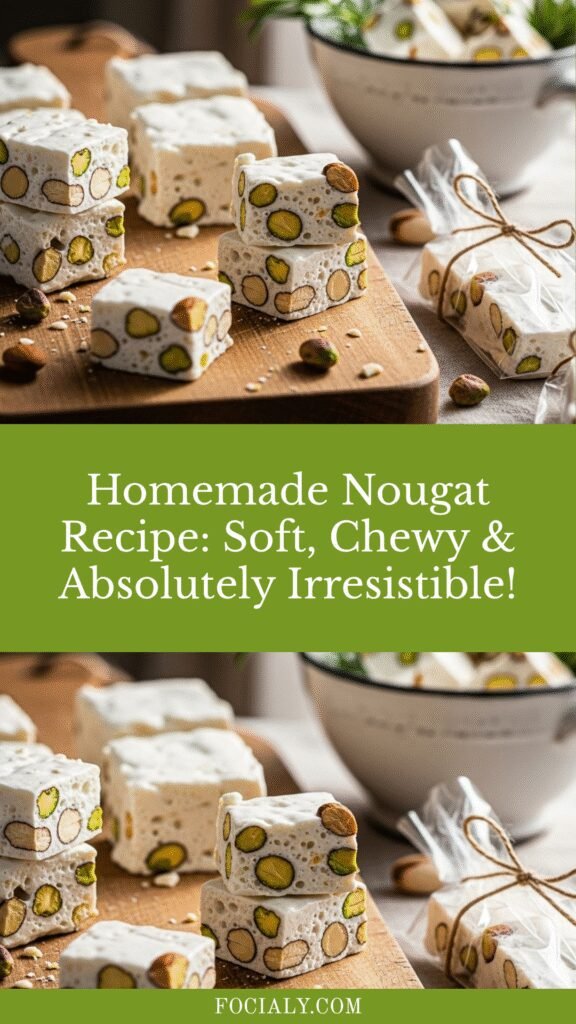
There’s something almost magical about homemade nougat—that cloud-like, chewy confection studded with crunchy nuts and bursting with vanilla sweetness. If you’ve only ever experienced the commercial version tucked inside candy bars, you’re in for a delightful revelation. Making nougat from scratch is surprisingly achievable, and the results are absolutely worth the effort.
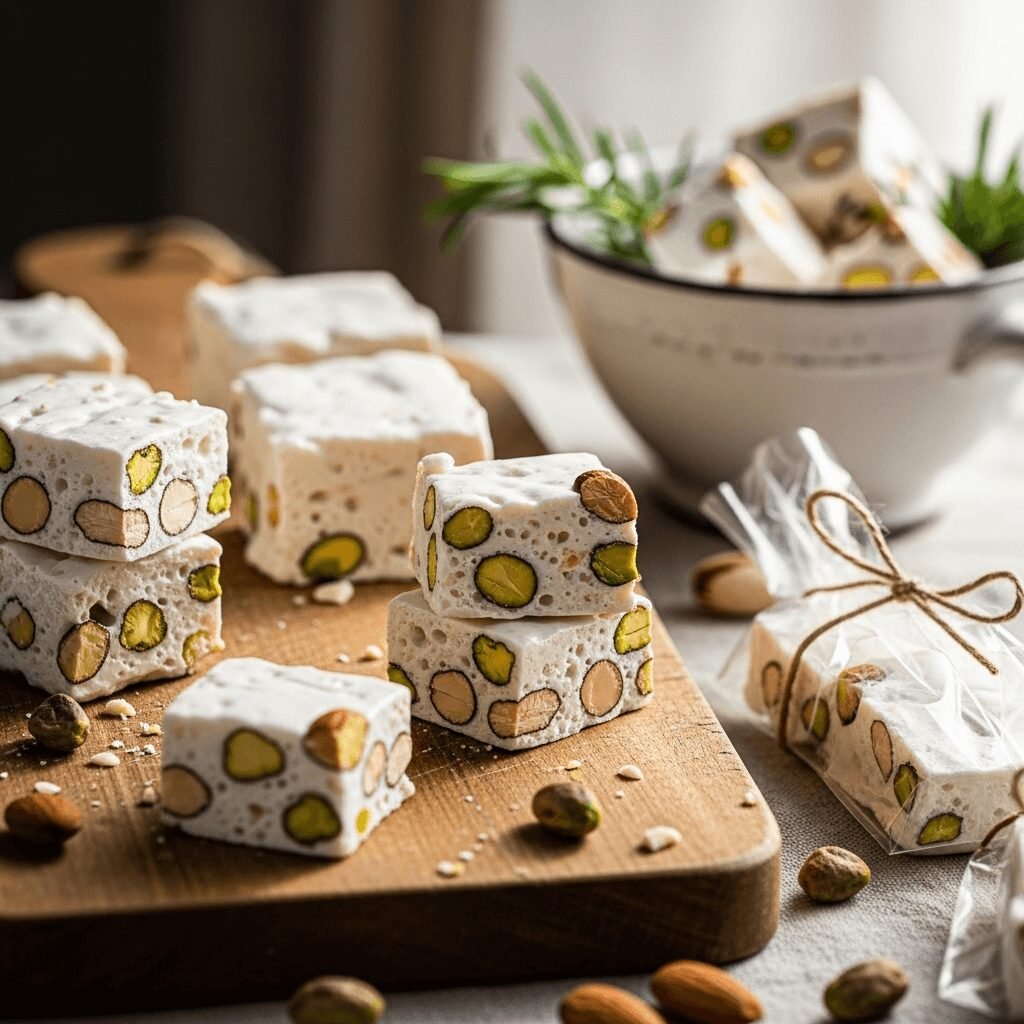
This homemade nougat recipe creates beautifully soft, pillowy candy with a satisfying chew and wonderful texture contrast from toasted almonds and pistachios. It’s perfect for holiday gift-giving, special occasions like weddings and baby showers, or simply when you want to impress family and friends with your confectionery skills. The classic white nougat we’re making today is reminiscent of traditional European torrone or French nougat de Montélimar—elegant, sophisticated, and surprisingly simple once you understand the technique.
Whether you’re packaging these as edible gifts, serving them at a dessert table, or just treating yourself to something special, this recipe will become your go-to for creating bakery-quality candy right in your own kitchen.
History / Background
Nougat has a rich and fascinating history that spans centuries and continents. The word “nougat” comes from the Latin word “nux,” meaning nut, which perfectly describes this nut-studded confection. While the exact origins are debated, most food historians trace nougat back to the Middle East and Mediterranean regions, where honey-sweetened treats with nuts were enjoyed as early as the 15th century.
The French town of Montélimar claims to be the birthplace of modern white nougat, or “nougat de Montélimar,” which gained fame in the 1700s when local confectioners perfected the recipe using regional almonds and lavender honey. This soft, chewy version became so beloved that it earned protected geographical status in France.
In Italy, nougat evolved into “torrone,” a traditional Christmas candy especially popular in regions like Cremona and Sicily. Italian versions often feature hazelnuts alongside almonds and are typically firmer than their French counterparts. Spanish “turrón” follows a similar tradition, with variations ranging from soft and chewy to hard and brittle.
Nougat eventually made its way into popular candy bars in the early 20th century, introducing millions of people to this delightful confection. However, commercial versions often use shortcuts that can’t compare to the authentic texture and flavor of homemade nougat made with real honey, fresh egg whites, and premium nuts.
Today, nougat remains a beloved treat across cultures, from Middle Eastern markets to European Christmas fairs to American candy shops. Making it at home connects you to this beautiful culinary tradition and allows you to experience nougat the way it was meant to be enjoyed—fresh, flavorful, and made with love.
Why You’ll Love This Recipe
This homemade nougat recipe brings old-world confectionery magic into your kitchen without requiring professional equipment or training. While it does demand attention and precision, the process is straightforward and the results are spectacularly impressive.
Here’s why this recipe deserves a spot in your baking repertoire:
- Impressive yet achievable – Creates professional-quality candy that looks like it came from an expensive boutique
- Customizable flavors – Easily adapt with different nuts, dried fruits, or flavor extracts to suit your preferences
- Perfect for gifting – Makes beautiful homemade presents that show genuine care and effort
- No special equipment required – Just a candy thermometer and a stand mixer are all you need
- Naturally gluten-free – Safe for gluten-sensitive friends and family when made with pure ingredients
- Long shelf life – Stays fresh for weeks when properly stored, making it ideal for advance preparation
- Economical luxury – Costs a fraction of artisan candy shop prices while tasting even better
- Fun challenge – Perfect for bakers ready to expand their skills into candy-making
- Crowd-pleaser – Appeals to all ages with its sweet, chewy texture and delightful crunch
Ingredient Notes
Understanding your ingredients is key to nougat success. Each component plays a specific role in creating that perfect chewy, stable texture.
Egg Whites – The foundation of nougat’s fluffy texture. Room temperature egg whites whip up with more volume, creating that signature cloud-like consistency. Make sure there’s absolutely no yolk contamination, as even a tiny bit of fat will prevent proper whipping.
Granulated Sugar – Provides sweetness and structure. The sugar syrup must reach the proper temperature to create the right texture—too low and your nougat will be sticky; too high and it’ll be hard.
Honey – Contributes flavor complexity and helps prevent crystallization. Use a light-colored, mild honey like clover or wildflower for classic flavor. Stronger honeys like buckwheat will overpower the delicate taste.
Light Corn Syrup – Prevents sugar crystallization and adds chewiness. This is crucial for achieving the right texture. You can substitute glucose syrup, but avoid skipping it entirely.
Vanilla Extract – Adds warmth and depth. Use pure vanilla extract for the best flavor—imitation vanilla will taste artificial.
Salt – Balances sweetness and enhances all other flavors. Just a pinch makes a remarkable difference.
Toasted Almonds and Pistachios – Provide textural contrast and nutty flavor. Toasting intensifies their taste and ensures they stay crunchy in the nougat. You can substitute with hazelnuts, macadamias, or pecans.
Edible Wafer Paper (Optional) – Traditional European nougat is wrapped in this rice-based paper, which is completely edible and prevents sticking. You can use parchment paper and powdered sugar instead if wafer paper isn’t available.
Equipment Needed
Having the right tools makes nougat-making much more manageable. Here’s what you’ll need:
- Stand mixer with whisk attachment – Essential for achieving stiff egg white peaks while incorporating hot syrup
- Candy thermometer or digital instant-read thermometer – Accuracy is crucial for proper texture
- Medium heavy-bottomed saucepan – For cooking the sugar syrup without hot spots
- 8×8-inch baking pan – Standard size for perfect nougat thickness
- Parchment paper or edible wafer paper – Prevents sticking
- Rubber spatula – For folding in nuts and spreading nougat
- Sharp knife or pizza cutter – For cutting finished nougat into pieces
- Measuring cups and spoons – Precision matters in candy-making
- Pastry brush – For washing down sugar crystals from pan sides
Nougat Recipe

This classic homemade nougat recipe creates soft, chewy, cloud-like candy studded with toasted almonds and pistachios. Perfect for gift-giving or special occasions, this French-inspired confection rivals any artisan candy shop creation.
- Prep Time: 20 minutes
- Cook Time: 25 minutes
- Total Time: 4 hours 45 minutes (includes setting time)
- Yield: 64 pieces (1-inch squares) 1x
- Category: Dessert, Candy, Confection
- Method: Stovetop, Candy-Making
- Cuisine: French, European
- Diet: Gluten Free
Ingredients
- 2 large egg whites (room temperature)
- 2½ cups granulated sugar, divided
- ¾ cup light corn syrup
- ½ cup honey
- ¼ cup water
- ¼ teaspoon salt
- 2 teaspoons pure vanilla extract
- 1½ cups toasted almonds, roughly chopped
- ¾ cup toasted pistachios, roughly chopped
- Edible wafer paper or parchment paper (for lining pan)
- Powdered sugar (for dusting if using parchment)
Instructions
- Prepare your pan: Line an 8×8-inch baking pan with edible wafer paper, pressing it smoothly into the corners. If using parchment paper instead, line the pan and dust generously with powdered sugar. Set aside.
- Toast your nuts: If not already toasted, spread almonds and pistachios on a baking sheet and toast at 350°F for 8-10 minutes until fragrant and lightly golden. Let cool, then roughly chop. Keep warm by placing near (but not on) the stove while you work.
- Begin whipping egg whites: Place egg whites in the bowl of your stand mixer fitted with the whisk attachment. Start beating on medium speed until foamy, then gradually add ½ cup of the sugar. Increase speed to high and beat until stiff, glossy peaks form. This will take about 5-7 minutes. Reduce speed to low and keep the mixer running.
- Make the sugar syrup: In a medium heavy-bottomed saucepan, combine the remaining 2 cups sugar, corn syrup, honey, water, and salt. Stir over medium heat until sugar dissolves completely. Stop stirring and attach your candy thermometer to the pan.
- Cook syrup to temperature: Bring the mixture to a boil without stirring. Occasionally brush down the sides of the pan with a wet pastry brush to prevent crystallization. Cook until the syrup reaches 250°F (hard ball stage), which typically takes 12-15 minutes. Watch carefully as it approaches temperature—it can climb quickly at the end.
- Combine syrup and egg whites: Once the syrup reaches 250°F, immediately remove from heat. With your mixer running on medium-low speed, very carefully pour the hot syrup in a thin, steady stream down the side of the bowl into the beaten egg whites. Avoid pouring directly onto the whisk, as this will splatter hot syrup.
- Beat until thick: Once all syrup is incorporated, increase mixer speed to medium-high and beat for 10-12 minutes. The mixture will transform from thin and glossy to thick, opaque, and marshmallow-like. It should be very stiff and hold its shape well. Add vanilla extract in the last minute of mixing.
- Fold in nuts: Remove the bowl from the mixer. Working quickly (the mixture sets fast), use a sturdy rubber spatula to fold in the toasted almonds and pistachios. The nougat will be very thick and sticky—this is normal.
- Transfer to pan: Immediately scrape the nougat mixture into your prepared pan. Use the spatula (lightly oiled if needed) to press it evenly into the corners and smooth the top. If using wafer paper, place another sheet on top and press gently. If using parchment, dust the top heavily with powdered sugar.
- Let set: Allow the nougat to set at room temperature for at least 4 hours, or preferably overnight. Don’t refrigerate, as this can make it sticky.
- Cut and serve: Once fully set, remove nougat from the pan. If using wafer paper, you can cut right through it with a sharp knife or pizza cutter. If using parchment, peel it away and dust the nougat with powdered sugar before cutting. Cut into 1-inch squares or desired shapes. Wipe your knife clean between cuts for the neatest edges.
- Store properly: Wrap individual pieces in wax paper or candy wrappers, or layer between parchment paper in an airtight container.
Notes
- Temperature accuracy is crucial: Invest in a reliable candy thermometer. Even 5 degrees can affect texture dramatically.
- Humidity matters: Avoid making nougat on very humid days, as excess moisture in the air can prevent proper setting and create sticky candy.
- Work quickly: Once you add the nuts, the mixture begins setting rapidly. Have everything ready before you start.
- For firmer nougat: Cook the syrup to 260°F instead of 250°F.
- For softer nougat: Stop at 245°F for a more marshmallow-like texture.
- Nut variations: Try hazelnuts, macadamias, pecans, or cashews. Dried cranberries, cherries, or candied citrus peel also work beautifully.
Nutrition
- Serving Size: 1 piece (approximately 20g)
- Calories: 95
- Sugar: 14g
- Sodium: 15mg
- Fat: 3g
- Saturated Fat: 0.3g
- Unsaturated Fat: 2.5g
- Trans Fat: 0g
- Carbohydrates: 16g
- Fiber: 0.5g
- Protein: 1.5g
- Cholesterol: 0mg
Nutritional information is approximate and based on 64 servings. Values may vary based on specific ingredients and portion sizes.
Tips & Variations
Flavor Variations:
- Chocolate Nougat: Fold in ½ cup mini chocolate chips after adding the nuts
- Citrus Twist: Add 1 teaspoon orange or lemon zest along with the vanilla
- Lavender Honey: Use lavender-infused honey for an elegant floral note
- Spiced Version: Add ½ teaspoon cinnamon and ¼ teaspoon cardamom for warmth
- Cherry Almond: Replace pistachios with dried cherries and use almond extract
Nut Combinations:
- Classic Italian: All hazelnuts
- Luxury Mix: Macadamias and pistachios
- Budget-Friendly: All peanuts (for homemade “PayDay” style candy)
- Holiday Special: Pecans and dried cranberries
Dietary Modifications:
- Vegan: Use aquafaba (chickpea liquid) instead of egg whites—use ½ cup and whip the same way
- Honey-Free: Replace honey with additional corn syrup (though flavor will be less complex)
- Nut-Free: Substitute with toasted seeds (sunflower, pumpkin) or crispy rice cereal
Pro Chef Tips
Temperature is everything: Professional candy makers know that even small temperature variations create dramatically different results. For chewy nougat, 250°F is perfect. But if you prefer firmer, more torrone-like texture, take it to 260°F. For ultra-soft, marshmallow-style nougat, stop at 245°F. Invest in a quality thermometer and calibrate it regularly by testing in boiling water (should read 212°F at sea level).
The streaming technique matters: When adding hot syrup to egg whites, pour slowly and steadily in a thin stream between the whisk and the bowl’s edge. This prevents the syrup from hitting the whisk and splattering while ensuring even incorporation. The mixing continues cooking the mixture through residual heat, developing the perfect texture.
Humidity control: Professional confectioners avoid candy-making on rainy or humid days because excess moisture in the air prevents proper setting and creates sticky, soft results. If you must make nougat on a humid day, cook your syrup 3-5 degrees higher to compensate.
The warm nut trick: Keeping your toasted nuts warm before folding them in prevents the nougat from setting too quickly when you add them. Place your chopped, toasted nuts in a bowl near (not on) the warm stove while you work.
Cutting clean squares: For bakery-perfect pieces, chill your knife in ice water between cuts, wipe it dry, then make your cut in one smooth motion. This prevents the nougat from sticking and dragging.
Common Mistakes to Avoid
Adding syrup too quickly: Dumping hot syrup into egg whites all at once will scramble the eggs instead of creating fluffy nougat. Always pour in a slow, steady stream while mixing continuously.
Underbeating the final mixture: If you don’t beat the nougat long enough after adding the syrup, it won’t develop the proper structure and will remain sticky and soft. Beat for the full 10-12 minutes until it’s thick, opaque, and holds stiff peaks.
Using cold egg whites: Room temperature egg whites whip up with much more volume than cold ones. Take your eggs out of the refrigerator 30-60 minutes before starting, or place them (still in shells) in warm water for 5 minutes.
Not preparing your pan first: Nougat sets quickly once you add the nuts. If your pan isn’t ready, you’ll be scrambling to line it while your mixture hardens in the bowl. Always prepare your pan completely before you start cooking.
Cutting too soon: Patience is crucial. If you try to cut your nougat before it’s fully set, you’ll end up with misshapen pieces that stick to your knife. Wait the full 4 hours minimum, or preferably overnight.
Storing in the refrigerator: Cold temperatures make nougat sticky and can cause it to weep. Always store at room temperature in an airtight container.
Storage & Meal Prep
Properly stored homemade nougat stays fresh and delicious for several weeks, making it perfect for advance preparation for holidays and special events.
Room Temperature Storage: Keep nougat pieces in an airtight container at room temperature, layering them between sheets of parchment or wax paper to prevent sticking. Stored this way, nougat remains fresh for 3-4 weeks. Never refrigerate, as cold temperatures create condensation and stickiness.
Individual Wrapping: For the longest shelf life and easiest gifting, wrap each piece individually in wax paper, parchment, or candy wrappers. This prevents pieces from sticking together and protects them from humidity. Individually wrapped nougat can last up to 6 weeks.
Container Tips: Use containers with tight-fitting lids, and consider adding a small food-safe silica gel packet if you live in a humid climate (keep the packet separated from the candy in a corner). Avoid plastic containers that don’t seal well, as air exposure will dry out your nougat.
Signs of Freshness: Fresh nougat should be pleasantly chewy with a slight give. If it becomes rock-hard, it’s been exposed to too much air. If it becomes sticky and soft, there’s been moisture exposure.
Make-Ahead & Freezer Notes
Nougat is an excellent make-ahead candy, perfect for preparing weeks before holidays, weddings, or gift-giving occasions.
Make-Ahead Timeline: You can make nougat up to 6 weeks in advance if properly stored. In fact, many confectioners believe the flavor improves slightly after a few days as the vanilla and honey notes meld together. Just ensure airtight storage away from humidity and strong odors.
Freezing Instructions: While not typically necessary given nougat’s long room-temperature shelf life, you can freeze it for up to 3 months. Wrap pieces individually in wax paper, then place in a freezer-safe airtight container or heavy-duty freezer bag. Remove as much air as possible to prevent freezer burn.
Thawing Method: Transfer frozen nougat to room temperature and let it thaw completely in its wrapping (this prevents condensation from forming on the surface). Allow 2-3 hours for full thawing. Never microwave or rush the thawing process, as this will create unwanted moisture.
Gift-Giving Preparation: If making nougat for gifts, prepare it 1-2 weeks in advance. This gives you time to cut, wrap, and package everything beautifully without last-minute stress. Store finished gift packages in a cool, dry place until delivery.
Serving Suggestions
Nougat shines in many contexts beyond simple snacking. Here are beautiful ways to serve and enjoy your homemade creation:
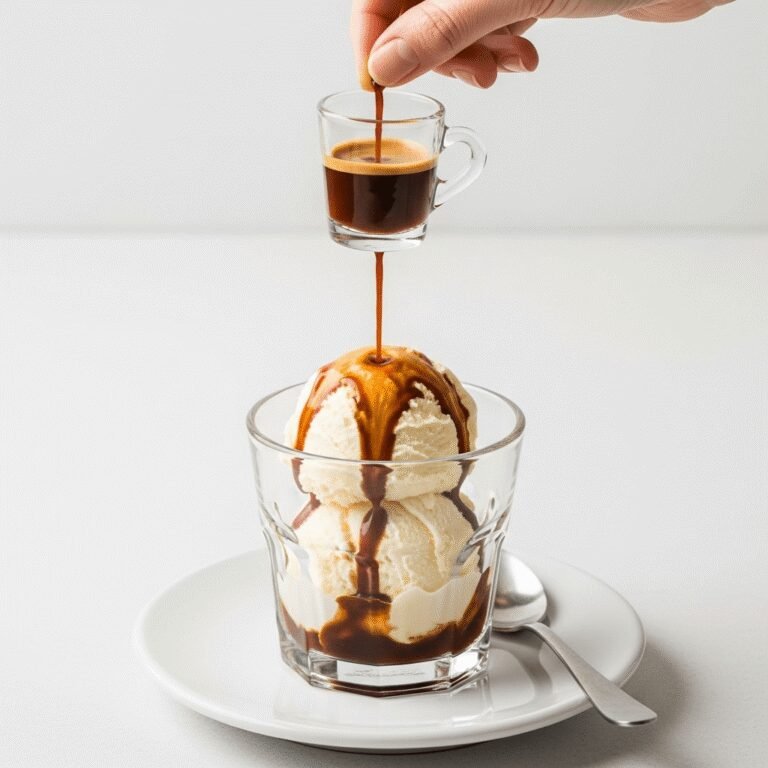
After-Dinner Treat: Serve small pieces of nougat alongside espresso or strong coffee as a classic European-style digestif. The sweetness pairs beautifully with bitter coffee, creating a balanced finish to any meal.
Dessert Board Addition: Include nougat pieces on a cheese and dessert board alongside dark chocolate, dried fruits, aged cheese, and fresh berries. It provides wonderful textural variety and visual appeal.
With Wine or Port: Nougat pairs beautifully with dessert wines like Moscato d’Asti, late-harvest Riesling, or tawny port. The wine’s acidity cuts through the sweetness perfectly.
Holiday Cookie Platters: Add nougat pieces to your Christmas or holiday cookie tray for elegant variety. The professional appearance impresses guests.
Ice Cream Topping: Chop nougat into small pieces and sprinkle over vanilla or chocolate ice cream for added crunch and sweetness.
Afternoon Tea: Serve with strong black tea (Earl Grey or English Breakfast) as a sophisticated afternoon treat. The tea’s tannins balance the nougat’s sweetness.
Gift Presentation Ideas: Package in clear cellophane bags tied with ribbon, vintage tins, or small wooden boxes lined with tissue paper. Include a handwritten note explaining that the nougat is homemade for extra impact.
FAQs Section
Can I make nougat without a candy thermometer?
While technically possible, a candy thermometer is strongly recommended for consistent results. If you absolutely must work without one, use the cold water test: drop a small amount of syrup into ice-cold water. At 250°F (hard ball stage), it should form a firm but pliable ball. However, this method requires experience and practice to perfect.
Why did my nougat turn out sticky and soft?
The most common cause is undercooking the sugar syrup. If it doesn’t reach the proper temperature (250°F), the nougat won’t set properly. Humid weather can also cause stickiness. Try cooking the syrup 3-5 degrees higher on humid days, and ensure you’re beating the mixture long enough after adding the syrup.
Can I use honey substitutes?
Yes, though the flavor and texture will change slightly. You can replace honey with additional corn syrup or use agave nectar. Keep in mind that honey contributes distinctive flavor notes that substitutes won’t replicate. The texture should remain similar if you maintain the same proportions and temperatures.
How do I prevent the nougat from sticking to my knife?
Use a sharp knife dipped in very hot water, then wiped completely dry between each cut. The heat helps the blade glide through the sticky nougat. You can also lightly oil your knife, though this may slightly affect the appearance of cut edges. A pizza cutter can also work beautifully for straight cuts.
Can I make nougat without a stand mixer?
A stand mixer is highly recommended because you need to pour hot syrup while continuously beating, which is extremely difficult (and dangerous) to do with a hand mixer. If you must use a hand mixer, you’ll need a helper—one person pours while the other holds the mixer. This isn’t ideal and requires careful coordination to avoid burns.
What’s the white paper wrapped around store-bought nougat?
That’s edible wafer paper (also called rice paper), made from potato starch, water, and vegetable oil. It’s completely safe to eat and prevents the nougat from sticking. You can buy it online or at specialty baking stores. If unavailable, parchment paper dusted with powdered sugar works fine—you just peel it off before eating.
Why did my nougat turn grainy?
Graininess happens when sugar crystals form, usually from stirring the syrup after it starts boiling or from sugar crystals on the pan sides falling back into the mixture. Prevent this by washing down the pan sides with a wet pastry brush and resisting the urge to stir once the syrup begins boiling. Using corn syrup also helps prevent crystallization.
Conclusion
Making homemade nougat is a beautiful journey into the art of confectionery—one that transforms simple ingredients into something truly extraordinary. Yes, it requires attention, precision, and a bit of patience, but watching sugar syrup and egg whites transform into cloud-like, nut-studded candy is pure kitchen magic.
The first bite of your homemade nougat will reveal why this treat has been treasured across cultures for centuries. That perfect chewy texture, the crunch of toasted nuts, the delicate sweetness enhanced by honey and vanilla—it’s an experience that no store-bought candy bar can match. Plus, you’ll feel an incredible sense of accomplishment knowing you created something so special with your own hands.
Whether you’re making these for holiday gifts, special occasions, or simply treating yourself to something wonderful, I hope this recipe brings joy to your kitchen and smiles to everyone who tastes your creation. The beauty of nougat is that once you master the basic technique, you can customize it endlessly with your favorite nuts, dried fruits, and flavorings.
So grab your candy thermometer, clear your counter space, and give this recipe a try. I’d love to hear about your nougat-making adventures! Did you try a unique flavor combination? Are you gifting these for the holidays? Drop a comment below and share your experience. And don’t forget to save this recipe to Pinterest so you can find it again when nougat-making inspiration strikes!
Happy cooking, and may your nougat be perfectly chewy and absolutely delicious!